- Հայ
- Рус
- Eng
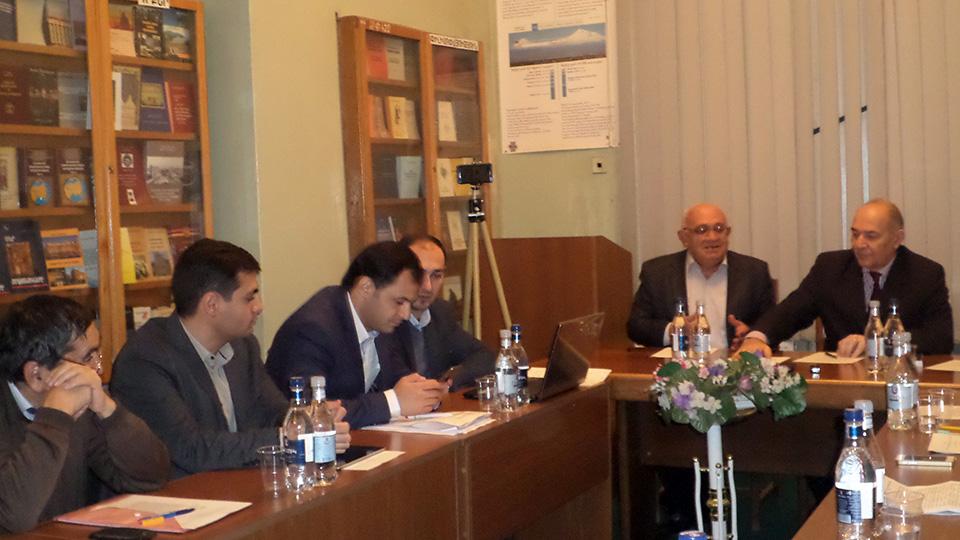
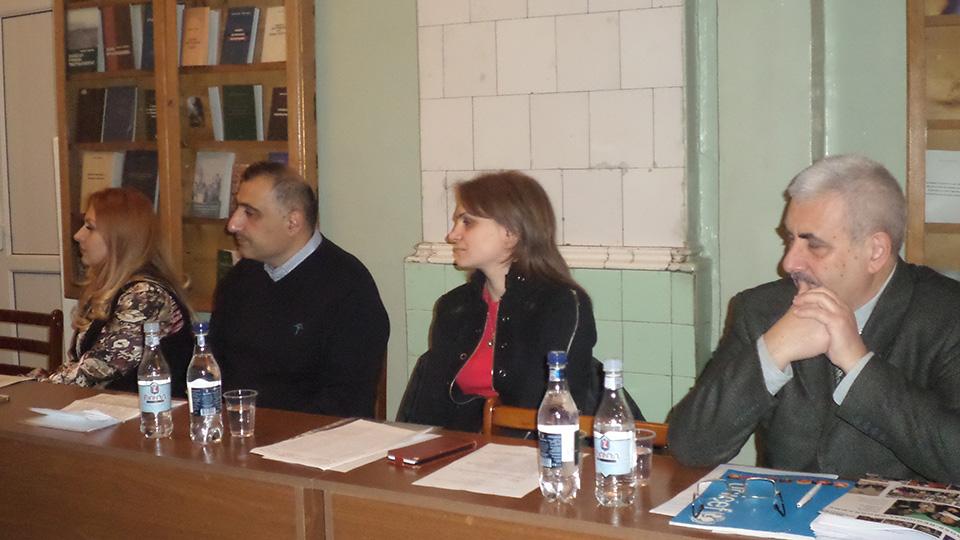
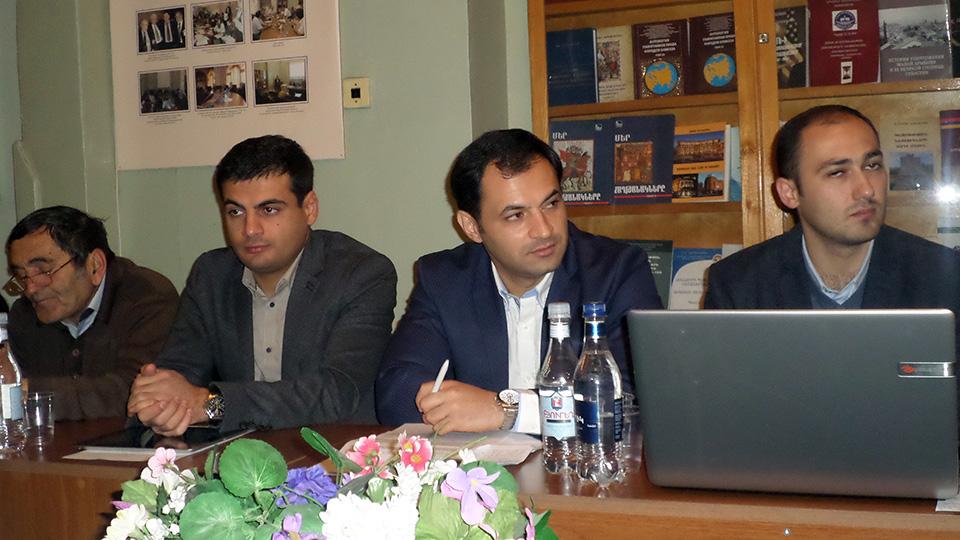
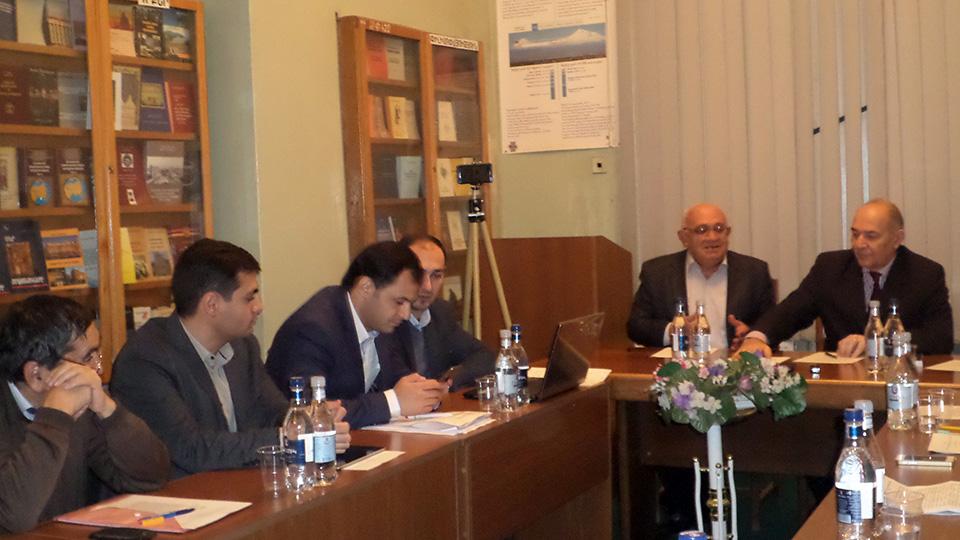
The RA NAS Institute of Philosophy, Sociology and Law, Department of Politology, with the support of the ASPU Chair of Politology and History of Law, Centre for Democracy and Bi-Political Research, and the Armenian Politology website, organized a conference on the topic of “Consociational Democracy; Political Morphology and Potential of Realization”.
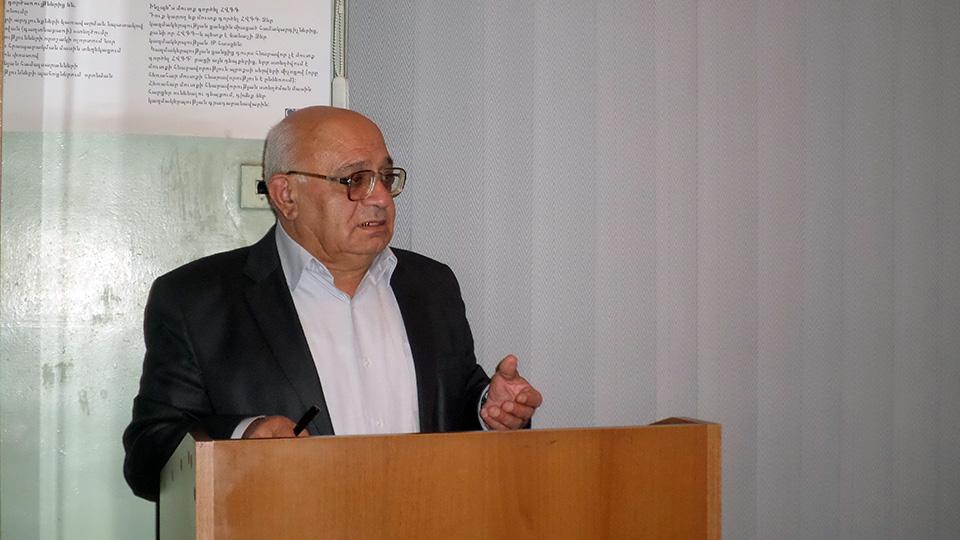
The Head of the ASPU Chair of Politology and History of Law Levon Shirinyan mentioned in his opening speech that the topic of the conference was born as a result of studies carried out throughout several years, while the initiative itself was the first republican politology meeting from the perspective of Academic discussions.
“The effectiveness of Democratic regimes is mainly conditioned with the social environment where they operate. The consociational democracy has a particular role and meaning in the variety of democratic regimes, and that can be applied to both multi-composite, and semi-composite societies”, mentioned the Professor.
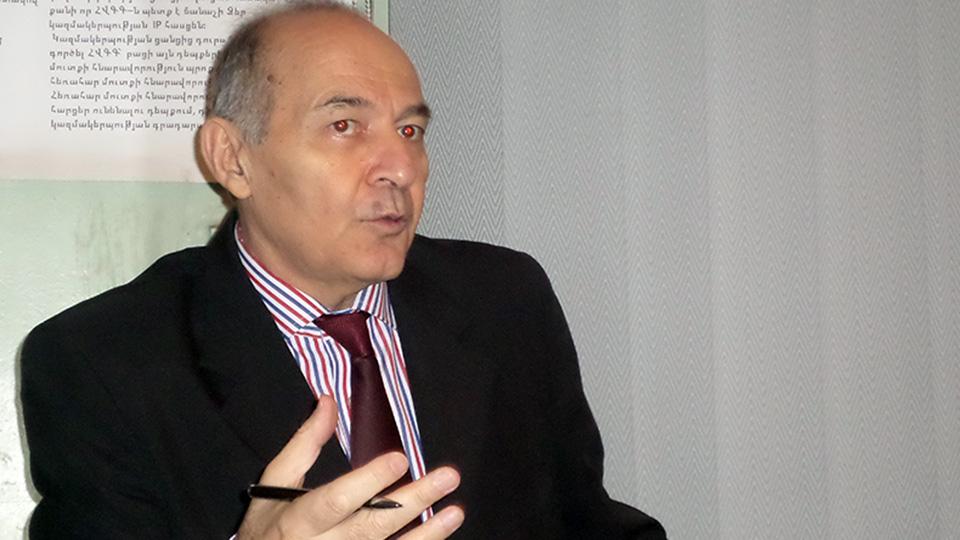
During the conference, the Pedagogical University’s Doctor of Politology, Professor Levon Shirinyan and the Candidate of Politology and Associate Professor Hayk Sukiassyan delivered their reports introducing “Arend Lijphart and Consociational Development Model” and the “Consociational Democracy; Political Morphology and Potential of Realization”.
Likewise, the consociational democracy was presented within the scope of modern politology discourse, the possibility of consociational discourse was discussed within the scope of the culture of Transcaucasian states and nations, together with its psychological factors, the model in heterogeneous society, the cooperation of the ruling elites in the process of adopting political decisions, and the concept paper on consociational sciences was discussed at the conference together with the index of the level of democracy and the factors affecting democracy in Armenia.
The reporting was followed by active discussions.
In his turn, the RA NAS Institute of Philosophy, Sociology and Law Gevorg Poghosyan emphasized the importance of organizing such scientific conferences.