- Հայ
- Рус
- Eng
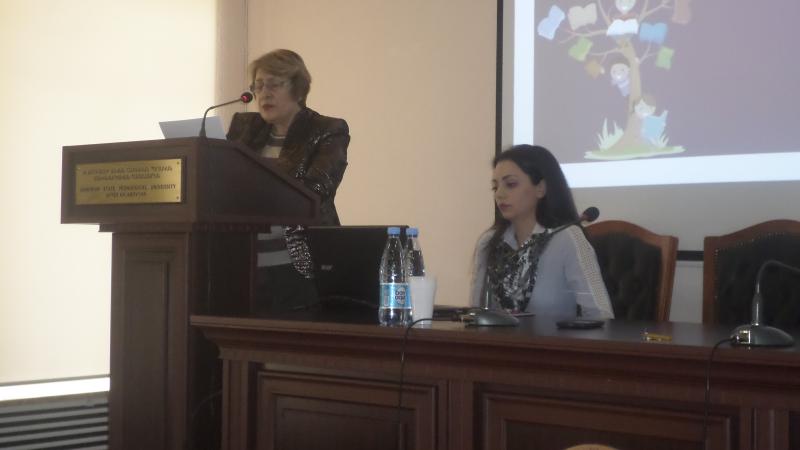
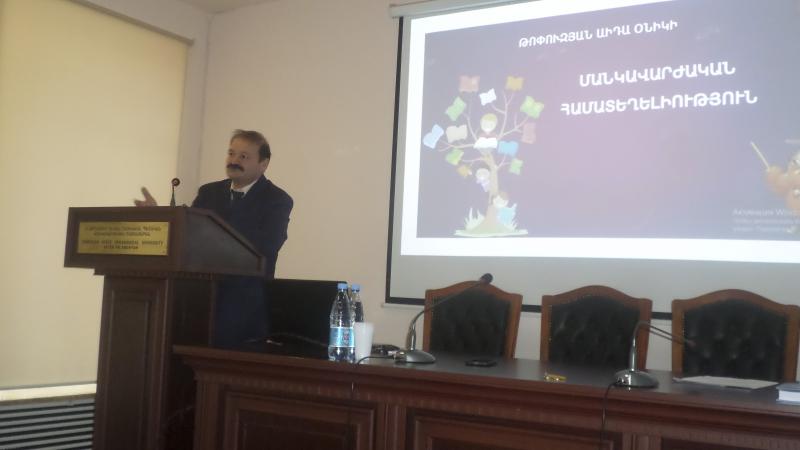
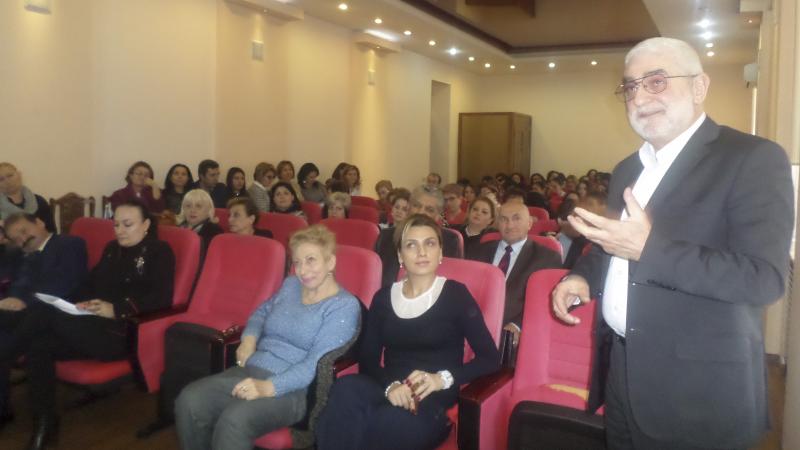
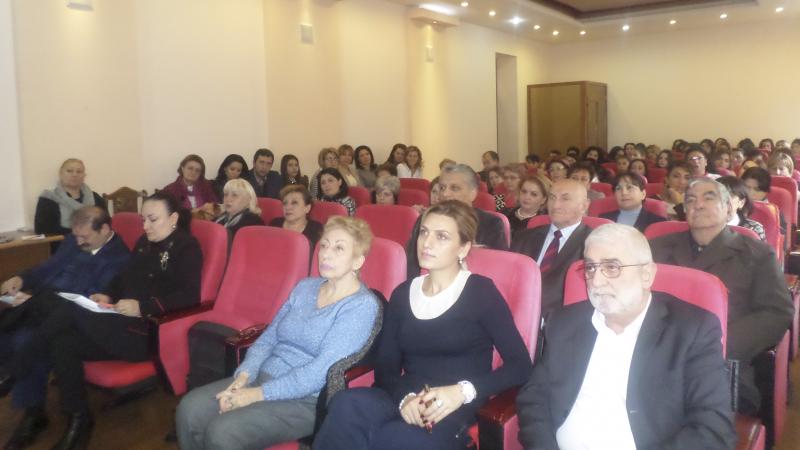
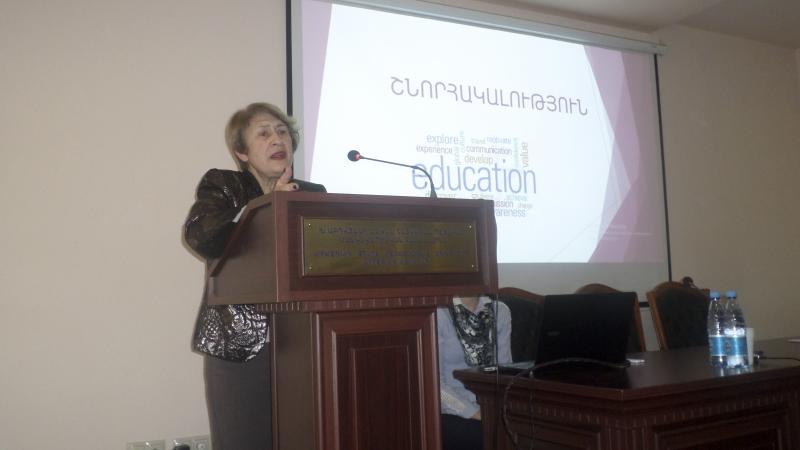
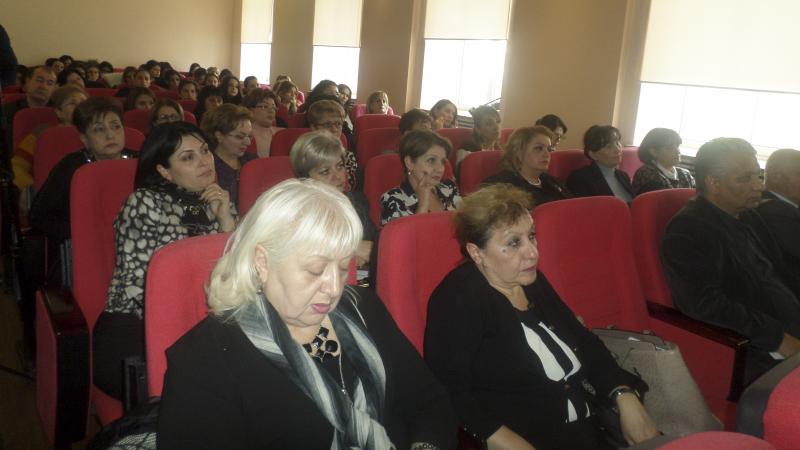
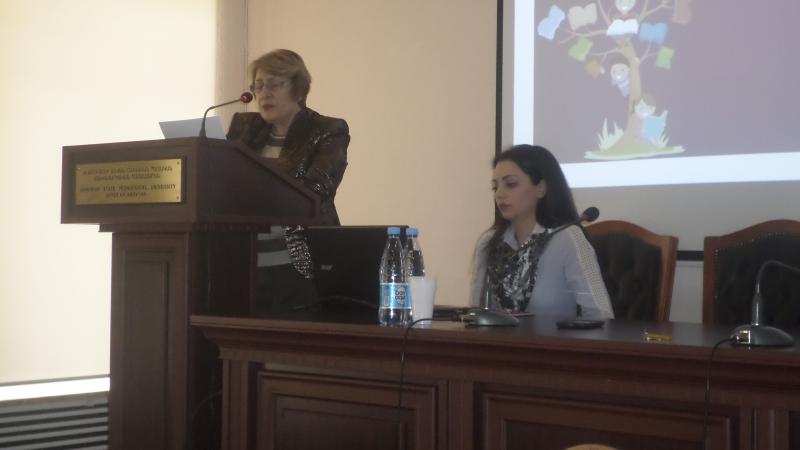
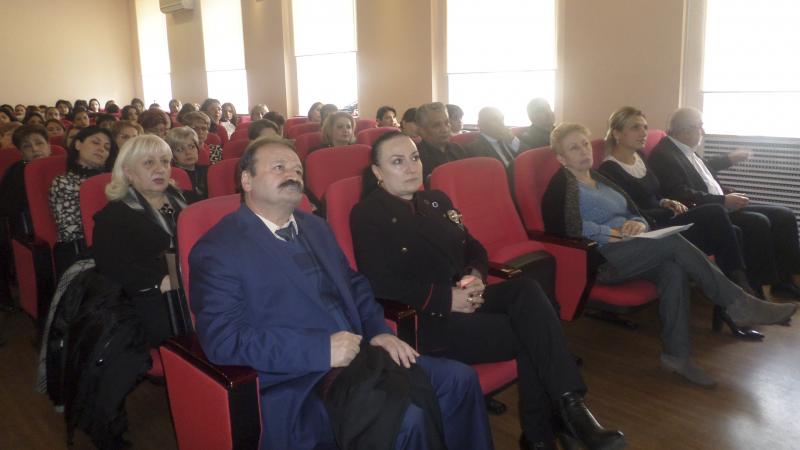
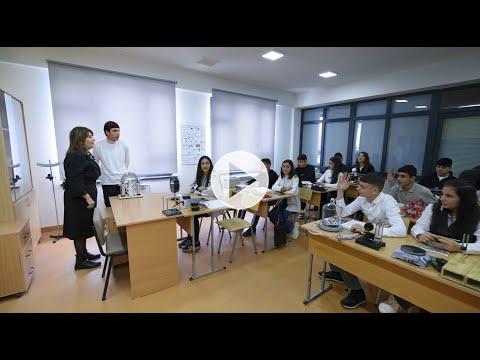
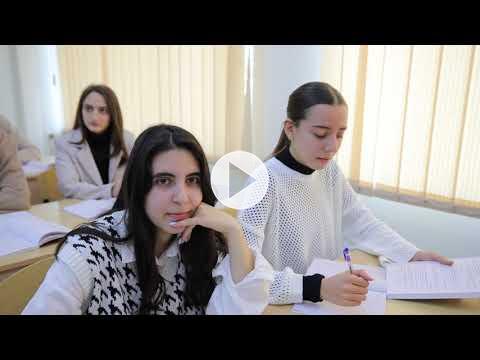
A seminar entitled "Pedagogical Compatibility" was held at Armenian State Pedagogical University on November 22 upon the initiative of the Research Laboratory for Contemporary Issues in Childhood. Representatives of the education sphere, including lecturers, school principals, teachers and MA students were introduced to the definition of a new term and came up with suggestions.
Professor Aida Topuzyan, Head of the Research Laboratory for Contemporary Issues in Childhood, presented the results of the research carried out by the laboratory saying that there is still work to do in the field of training and retraining educators.
“An atmosphere of intolerance and coarseness continues to prevail in some schools. Unhealthy teachers and pupils pose a danger for one another,” Aida Tomuzyan said adding that the laboratory has called the point where teachers and pupils influence one another “pedagogical compatibility.”
The Professor added that humanitarian approaches, like cooperation, dialogue, conversation, justification, interaction and psychoanalysis, lie at the core of the new concept. The absence of some of them results in a tense atmosphere. “When the equilibrium is upset and the mutual relations are not protected, the educational process is distorted.”
Aida Topuzyan also presented the teacher's model in pedagogical coaching and stressed that a teacher should be first of all tolerant, have constructive thinking and behaviour, coherent skills, and be ready for joint work.
“Children are our partners in the educational process,” Aida Topuzyan said and urged the attendees to come up with suggestions to be able to choose methods and principles with joint efforts.
“Pedagogical compatibility can be decisive in pedagogy. The concept should “hunt” the essence of the problem, the definition should be clear and substantial, rather than descriptive,” Deputy Minister of Education and Science Manuk Mkrtchyan said, presenting several analytical considerations.
The official says the teacher-pupil conflict stems from the conflict between pupils. Pedagogical compatibility should be studied separately, first among the pupils, then among teachers, and finally in the light of teacher-pupil relationship.
Part of the speakers emphasized the importance of physical development of schoolchildren offering to pay special attention to that factor in pedagogical compatibility as during school years children develop diabetes, postural deviation, flatfoot and the like.
Professor Laura Asatryan added that pedagogy is a fundamental and continuously developing science and highlighted the role of two main institutions – university and pre-school institution in pedagogical compatibility.
Representatives from different sectors also made additions from threir professional point of view. Doctor of Pedagogical Sciences Robert Azaryan highlighted teacher’s attention to pupil’s vision problems, assuring everyone that very often children acquire the so-called school myopia (short-sightedness) during the school-age years as a result of which children later have poor vision. Professor Mnatsakan Mnatsakanyan said, in turn, when interpreting the term pedagogical compatibility scientifically it is also necessary to fix some important thoughts about teacher's dedication, behavior and role for pupils. The participants later shared their viewpoints and came up with suggestions.