- Հայ
- Рус
- Eng
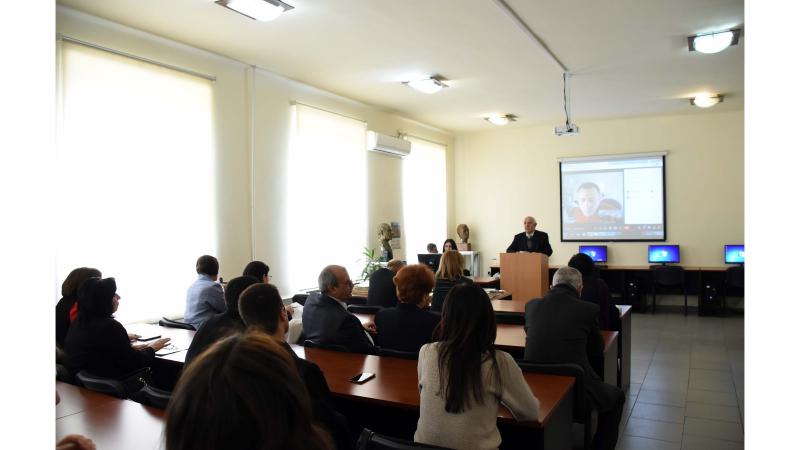
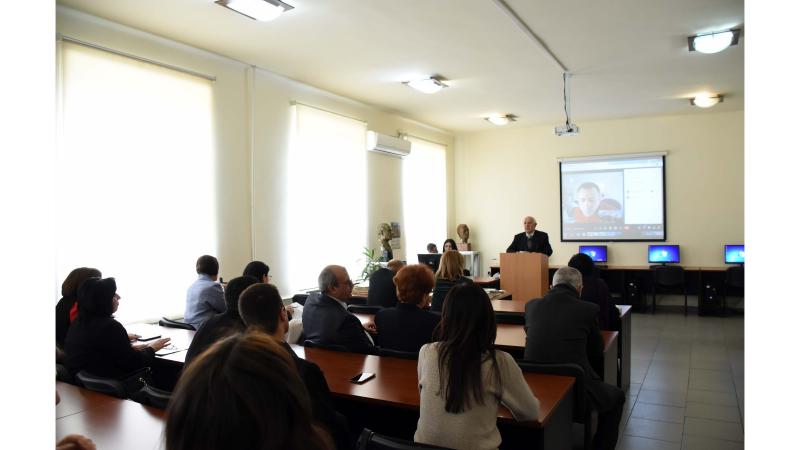
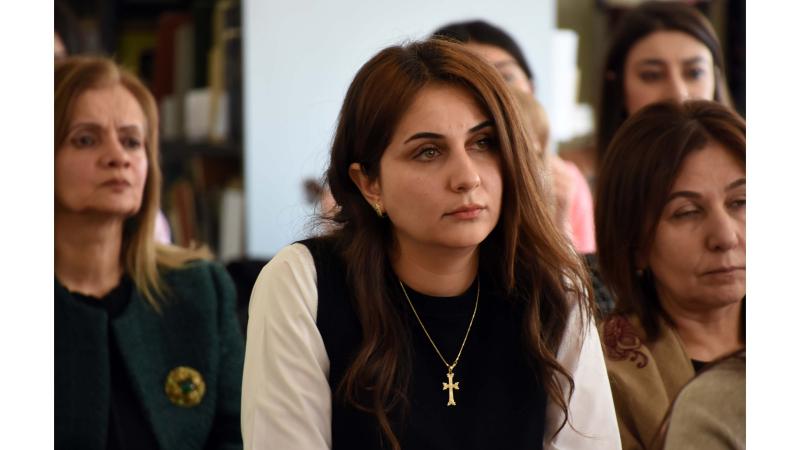
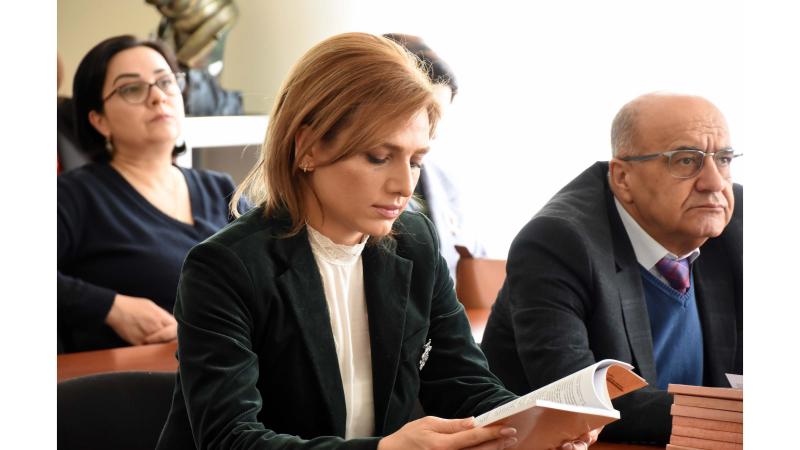
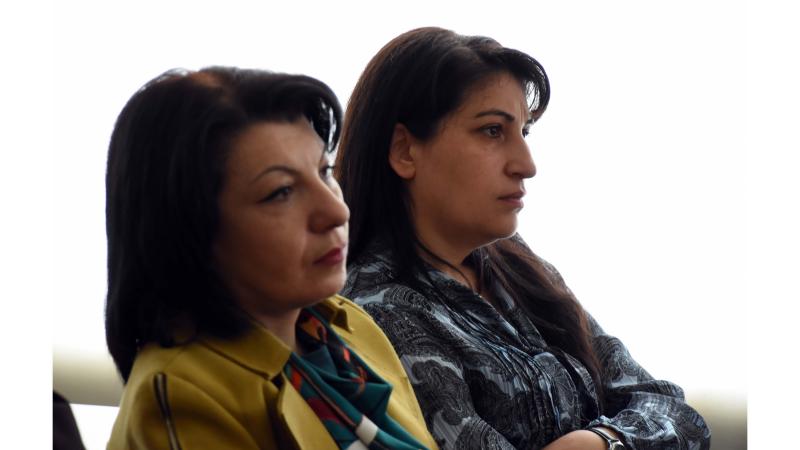
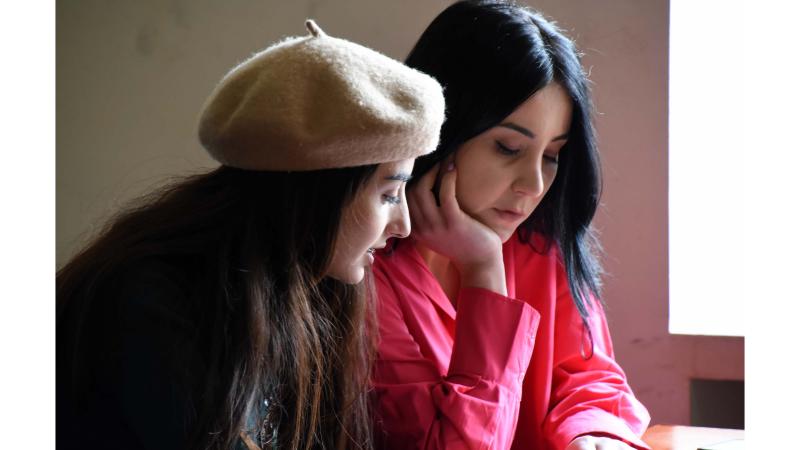
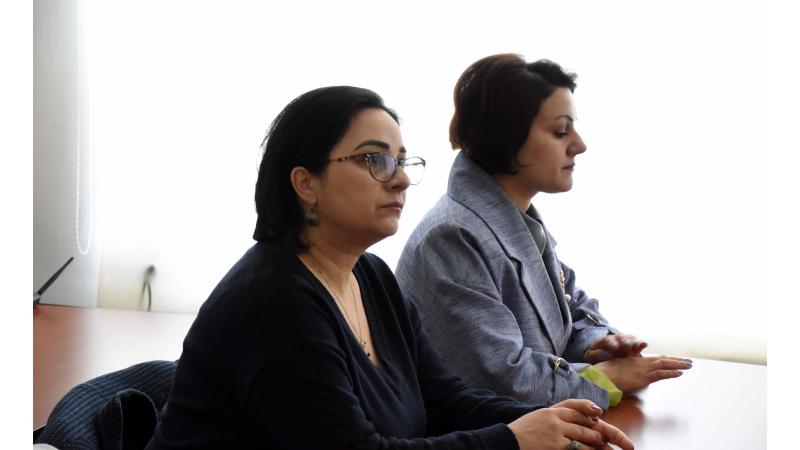
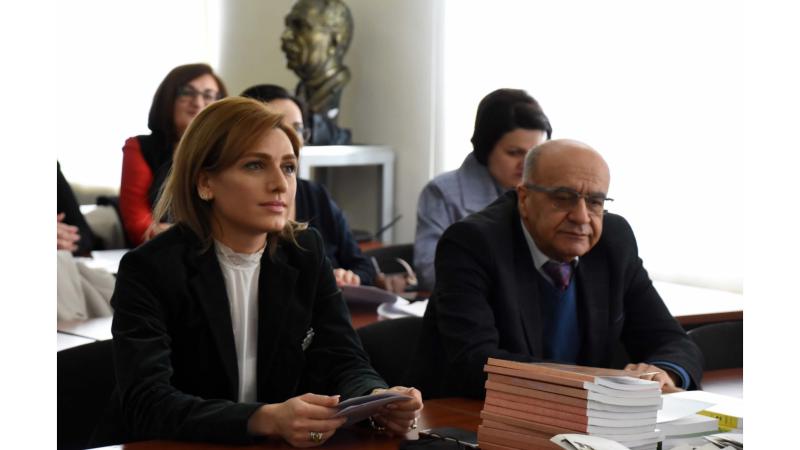
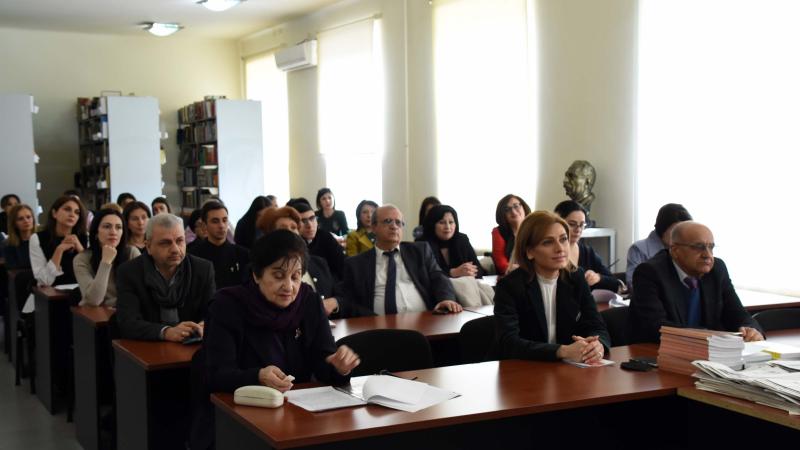
A two-day international conference headed “Saint Mesrop Mashtots and Armenian Schools” was launched by the initiative of the ASPU Faculty of Philology Chair of Armenian Language and its Teaching Methods named after A.Gharibyan.
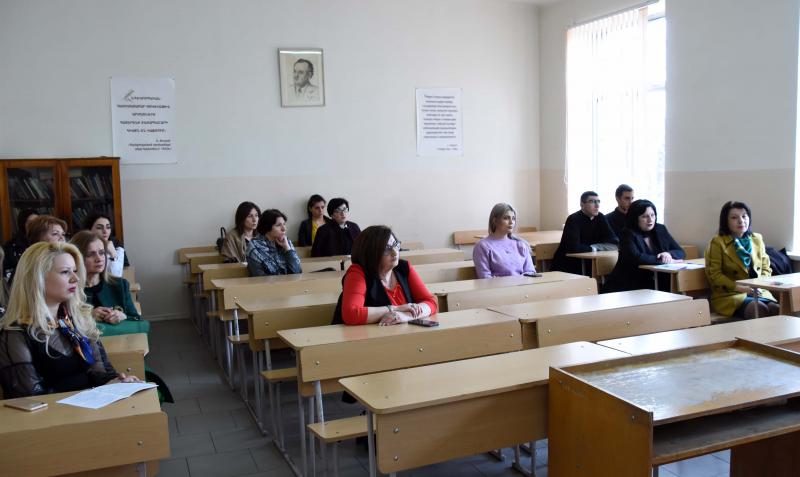
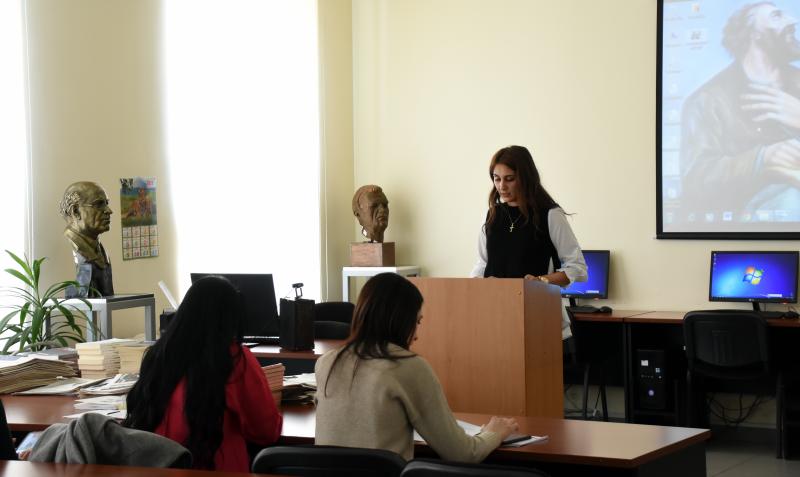
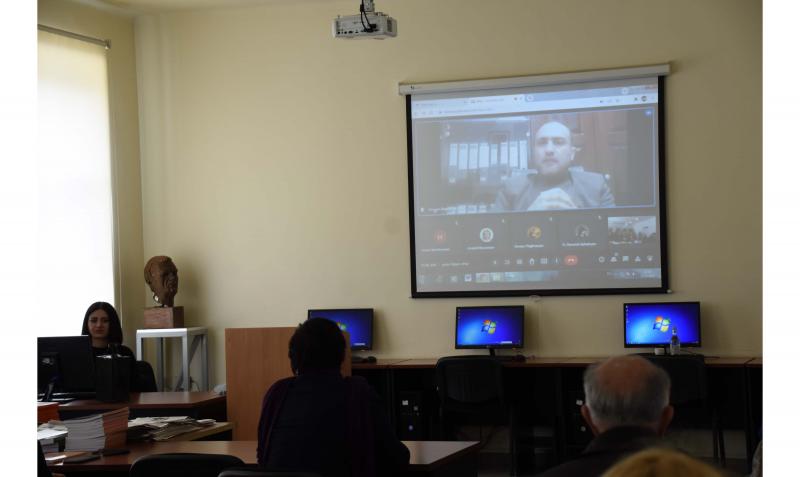
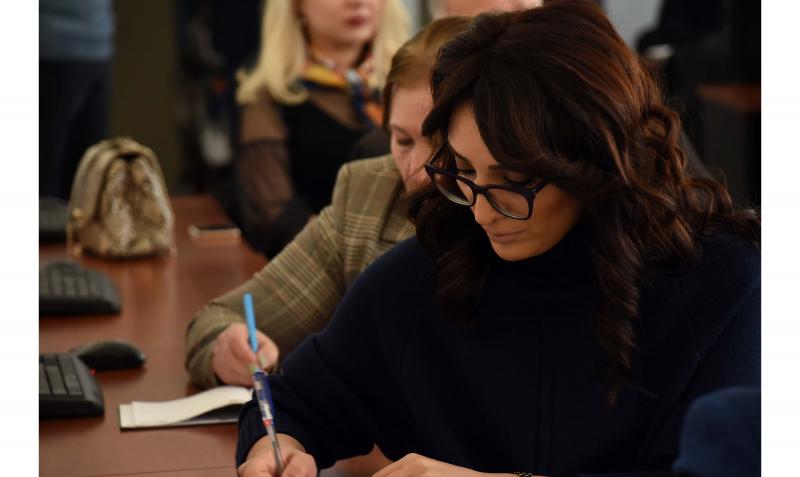
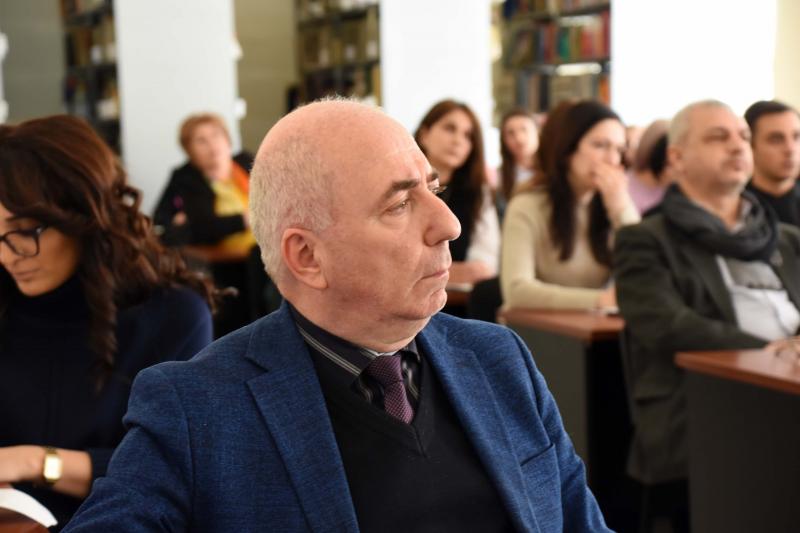
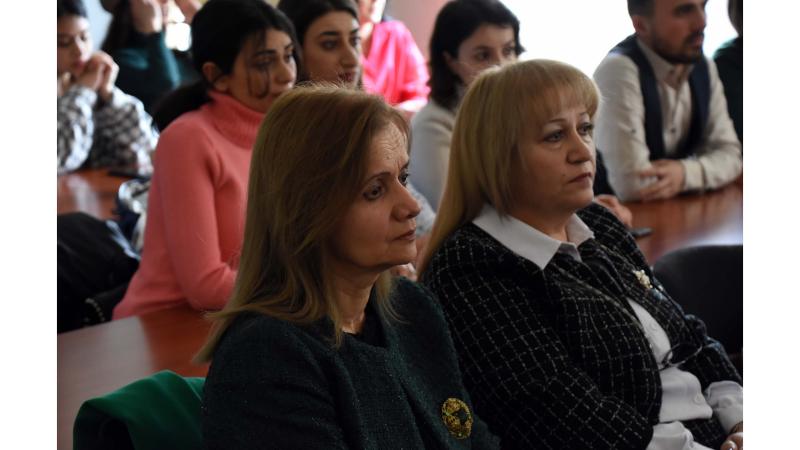
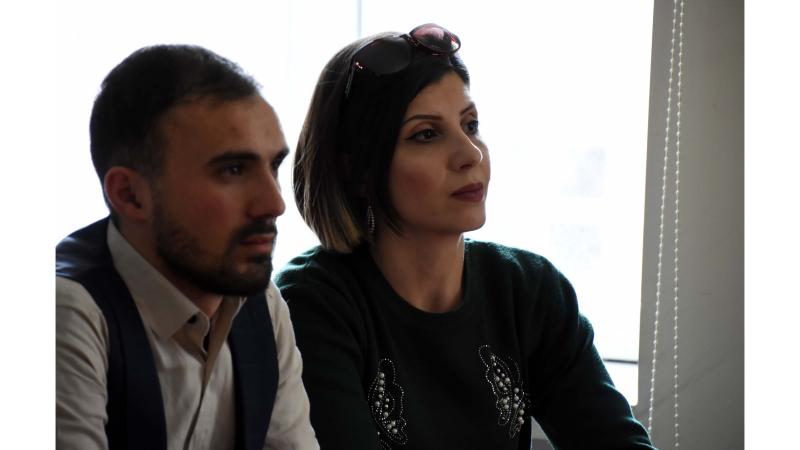
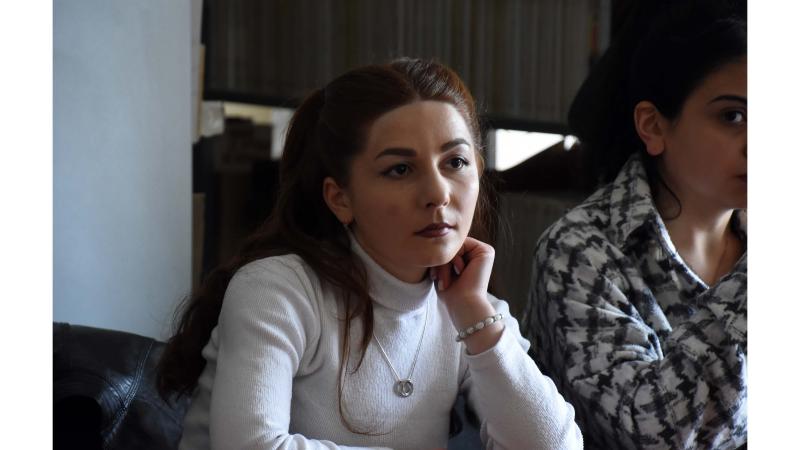
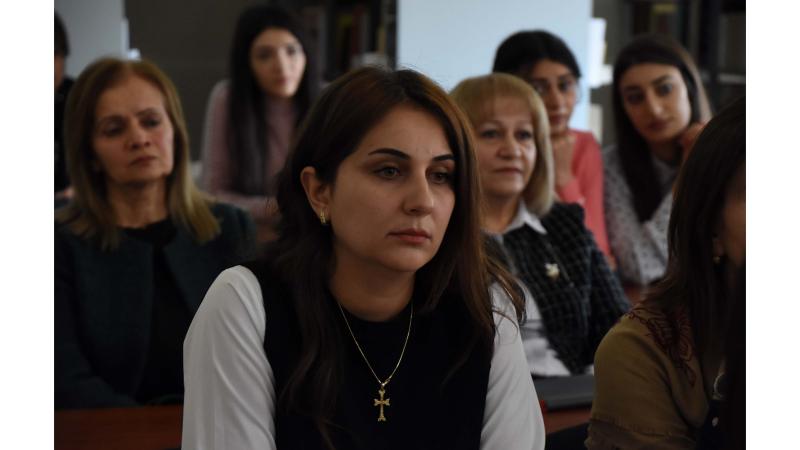
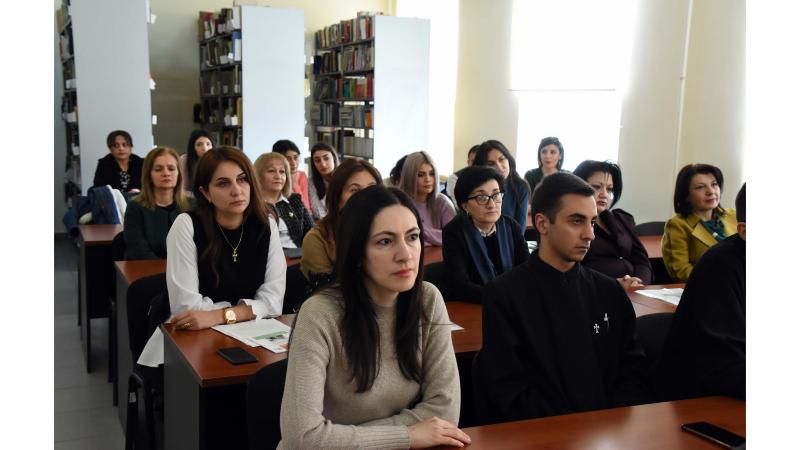
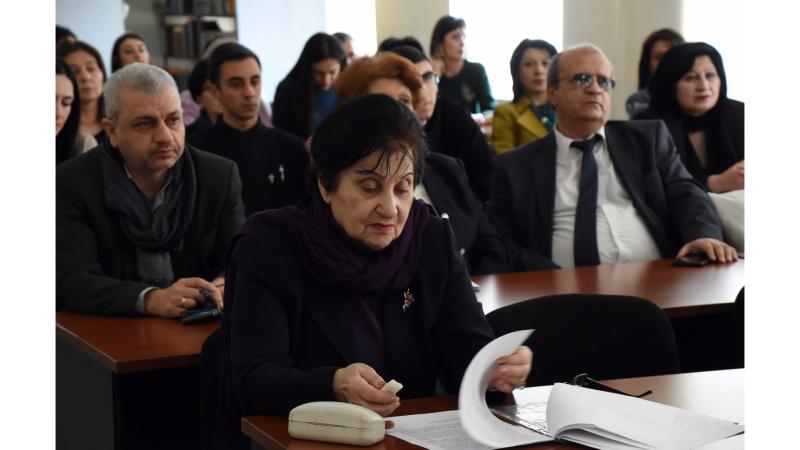
The conference, organized within the scope of 100th anniversary of establishment of the University and the 1660th birth anniversary of Saint Mesrop Mashtots, was held in a mixed format with the participation of invited scientists from scientific and educational institutions of both Armenia and Artsakh, as well as from the USA and Germany, together with linguists, leading specialists of the field, PhD and MA students.
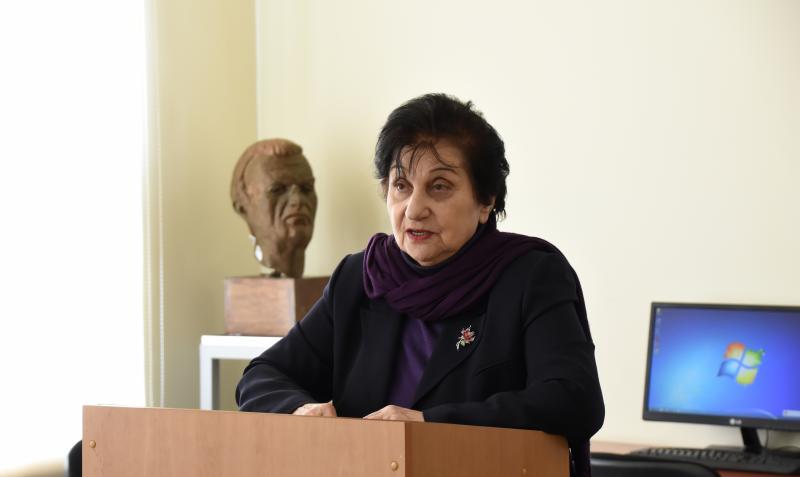
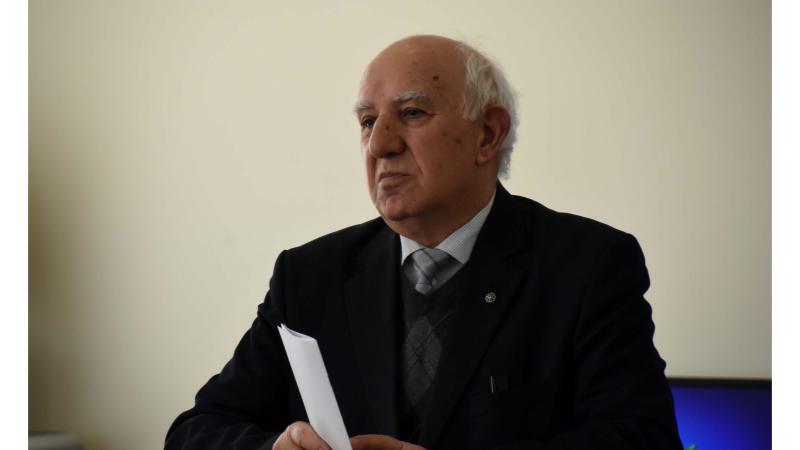
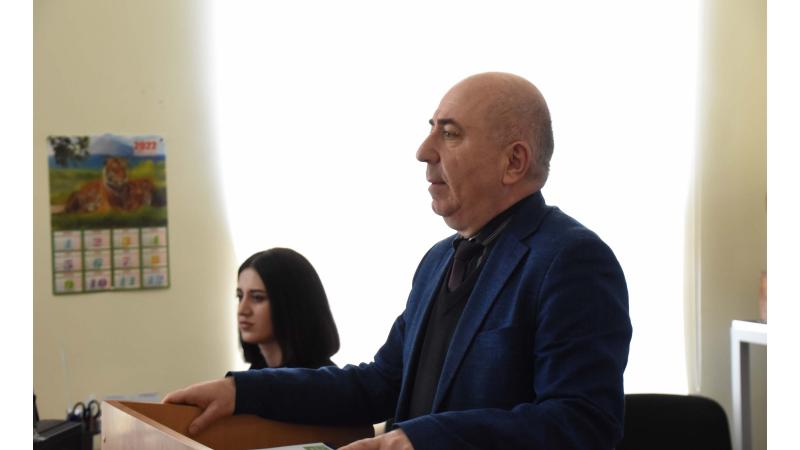
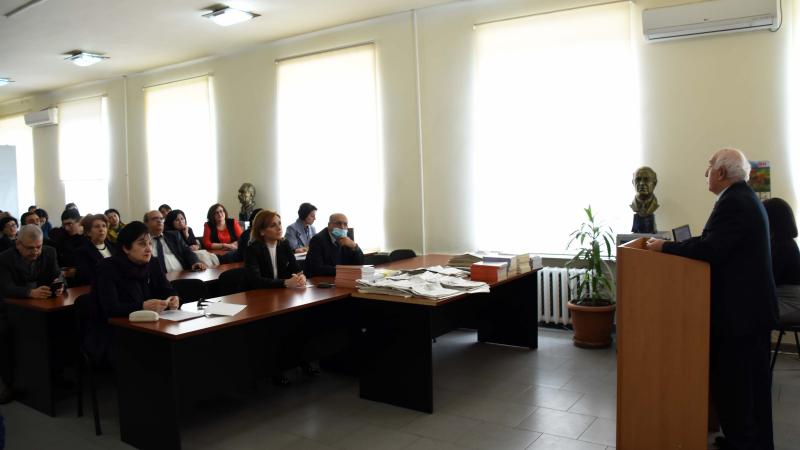
The Head of the Chair of Armenian Language and its Teaching Methods named after Doctor of Philology, Professor A. Gharibyan Mr. Vazgen Hambardzumyan mentioned in his welcome speech that it had been the Historical-Linguistic Faculty at the 100 -year-old University that first separated from the mother university, on the bases of which the Pedagogical Institute had been founded.
Similarly, the Professor noticed that the Chair that was providing for all Faculties of the University had organized 6 wide-scope international conferences in the recent five years.
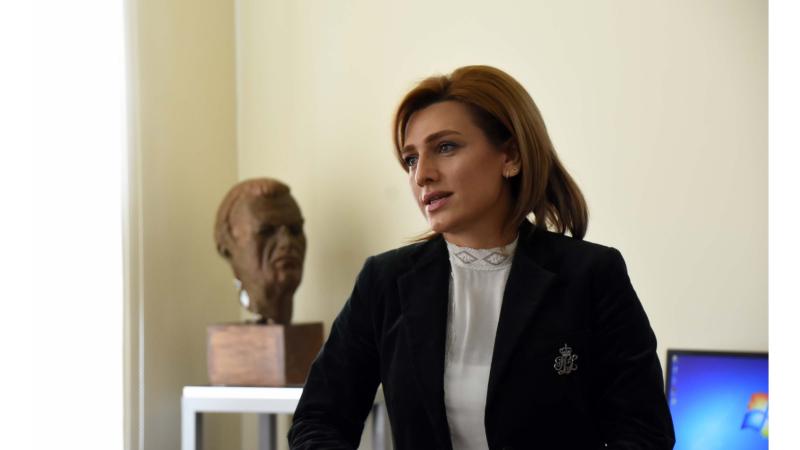
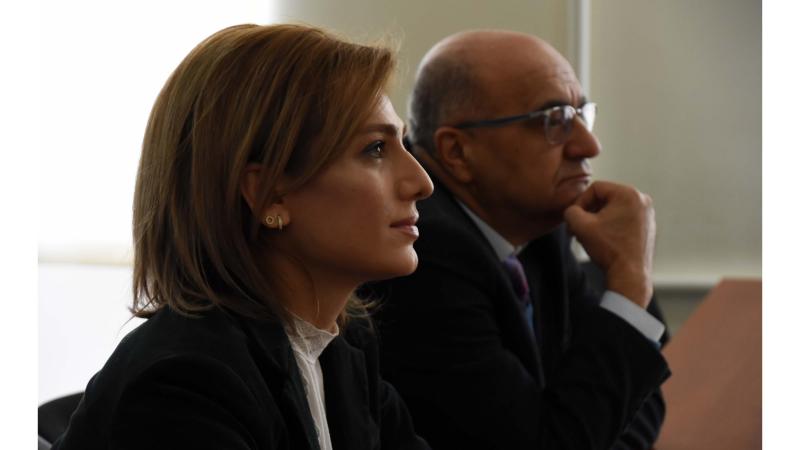
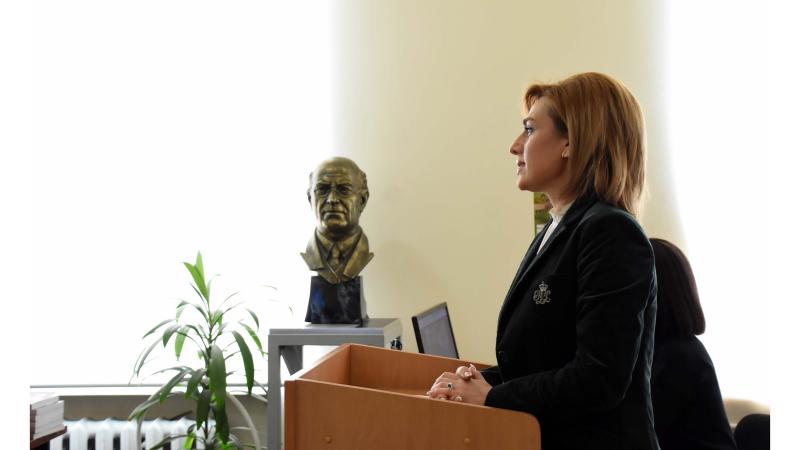
“Today, more than ever, we need strong schools, a society with sustainable value system, and a well-established educational system”, mentioned the ASPU Vice-Rector Mariam Ispiryan and on behalf of the leadership of the University welcomed the participants of the conference. Besides, the latter outlined the unique message the conference was conveying and highlighted the role and significance of Mesrop Mashtots, the creator of Armenian writing in establishment and development of Armenian schooling.
The Dean of the Faculty of Philology, Doctor of Philology Ashot Galstyan highlighted the international geography of the conference, stating that among the 44 speakers there were also MA students, for whom the conference dedicated to the Mashtots’ writings and Armenian schooling was the best platform to expand future scientific research.
Furthermore, at the plenary session Professors Vazgen Hambardzumyan, Aelita Dolukhanyan, and the Archimandrite Koryun Baghdasaryan, Chancellor of the Armenian Patriarchate of Jerusalem delivered their reports.
In his report about “Phonological value of Armenian plosives in the Mesropian writing system” the RA NAS Professor Vazgen Hambardzumyan observed the բ-գ-դ [b-g-d] as fully vocal in the Mashtots alphabet, quoting opinions of various outstanding linguists starting from the 19th century.
“Saint Mesrop Mashtots traveled around several Armenian settlements and found out that the pronunciation of vocals by various Armenian people was not always the same way. Besides that, in 1904, one of the most outstanding Danish linguists suggested to review the Armenian plosive consonants. The scientist was assured that it was going to be revolutionary and would contribute to studying Indo-European languages in the world linguistics.”
In addition, the Professor also shared the opinions by other world-famous linguists highlighting that few Indo-European languages had such features, and that Armenian should be moved from marginal to primary language, contributing to the review of plosive consonants system of Indo-European languages. And by summing up his report, the Professor added that one of the pillars of the Pedagogical University, well-known Linguist Ararat Gharibyan was also sharing that idea.
The Head of the Chair of Armenian Old and Medieval Literature and its Teaching Methods, Doctor of Philology, Professor Aelita Dolukhanyan highlighted the importance of the conference and outlined that the Pedagogical University had a strategic role in the country.
The Professor also noted that the conference dedicated to Mashtots had a unique meaning; the great monk, who created the Armenian alphabet and the great enlightener Khachatur Abovyan were guiding the University.
Next, in her report headed “Morus Hasratyan about the Mashtots Alphabet”, the RA NAS Associate Member Professor Dolukhanyan referred to innovative theories of historians about the Mashtots writings.
Additionally, in her presentation Aelita Dolukhanyan spoke about Morus Hasratyan’s theory about the origin and education of Mesrop Mashtots, as well as his becoming a clergyman, outlining that the outstanding historian had considered 395 as the year of creation of the Mashtots alphabet.
“Mesrop Mashtots had international reputation; otherwise, it would be impossible to explain the establishment of Armenian schools in the Byzantine part of Armenia, implemented through his mediation, the creation of Aghvanian and Georgian alphabets, and the translation of the Bible to several languages. And in fact, Mashtots preserved his pro-state ideas during his life in clergy”, added the Professor.
What is more, during her report the speaker also referred to the similarities of Armenian and Ethiopian alphabets, considering it not accidental that the creation of both had been by the providence of God.
The concluding speech of the plenary session was delivered by the Archimandrite Koryun Baghdasaryan, Chancellor of the Armenian Patriarchate of Jerusalem, who presented the “History of Armenian Schools at the Holy Land”. He referred to the Armenian schools established in Jerusalem in the 19th century, also noticing that still there had been Armenian schools back in the 7th century, but their fates remained unknown. Likewise, Rev.Koryun also spoke about lyceums existing in Jerusalem in various periods of time, presented their history, activities and taught subjects, etc.
Later on, the conference continued it activities in groups; linguists from the USA and Germany joined their Armenian colleagues remotely; the speakers presented the linguistic grounds of the unfinished novel “Mesrop Mashtots”, the issues of teaching Armenian alphabet to English-speaking Armenian children of the Diaspora, to the morphological features of adverbs in “Varq Mashtotsi”[the Life of Mashtots] composition by Koryun, and the Armenian linguistic and cultural influence on Kartvelian languages.
During the conference, reports about the gender peculiarities of words in Armenian proverbs, analysis of the image of Mashtots by various authors, etc., were also discussed.
The conference will continue its work tomorrow; upon concluding the activities, the participants will travel to Oshakan, to pay tribute to the memory of Saint Mesrop Mashtots.