- Հայ
- Рус
- Eng

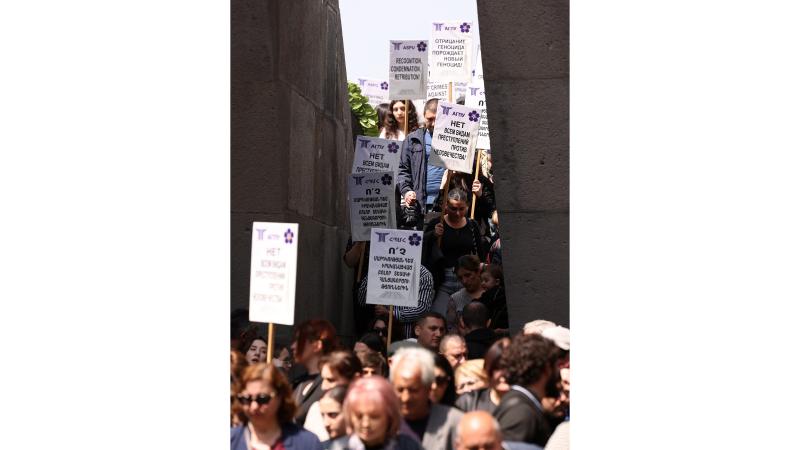
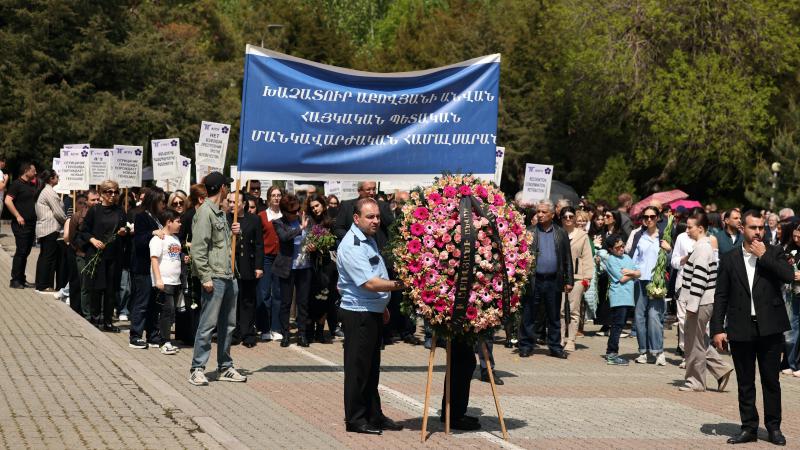
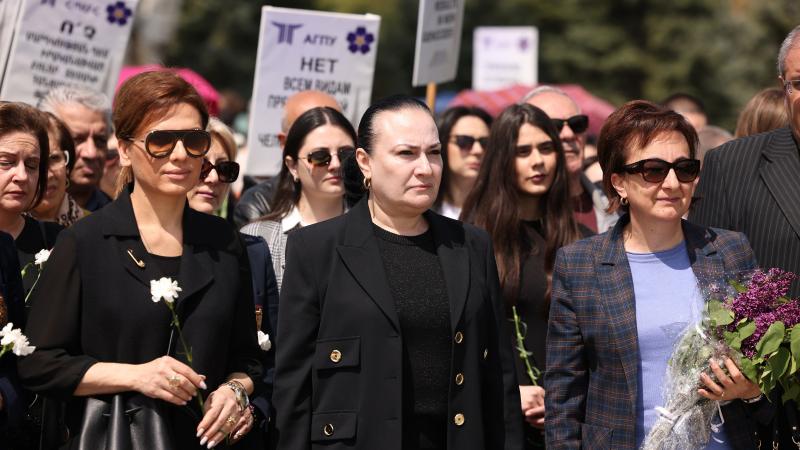
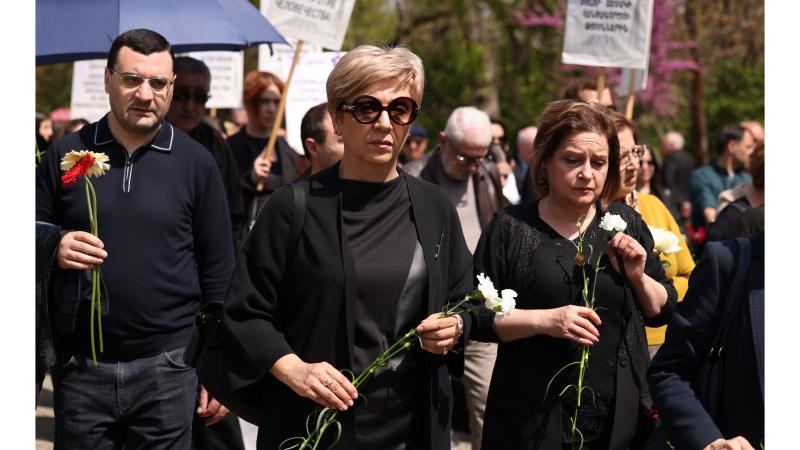
According to tradition, the Armenian State Pedagogical University (ASPU) joined the march commemorating the victims of the Armenian Genocide this year as well.
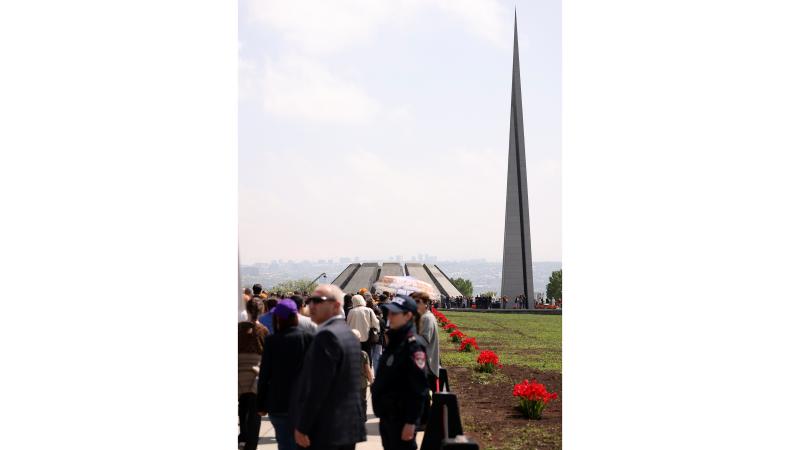
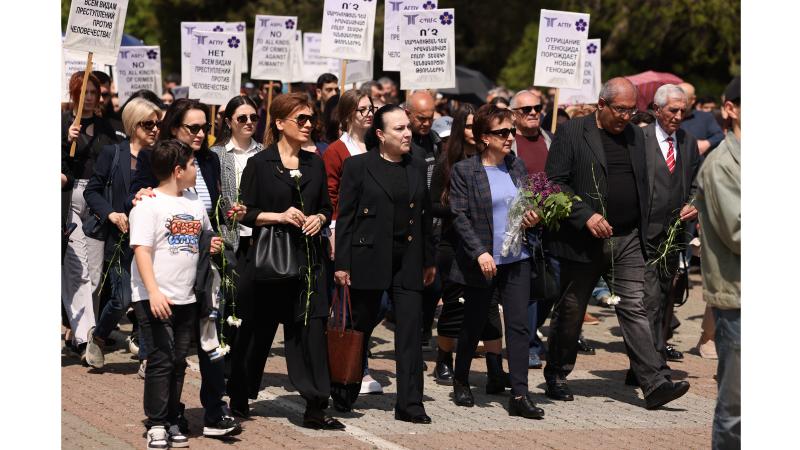
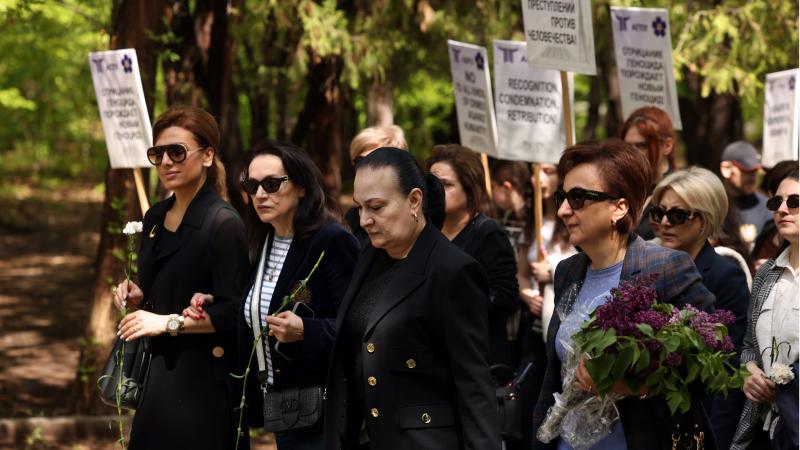
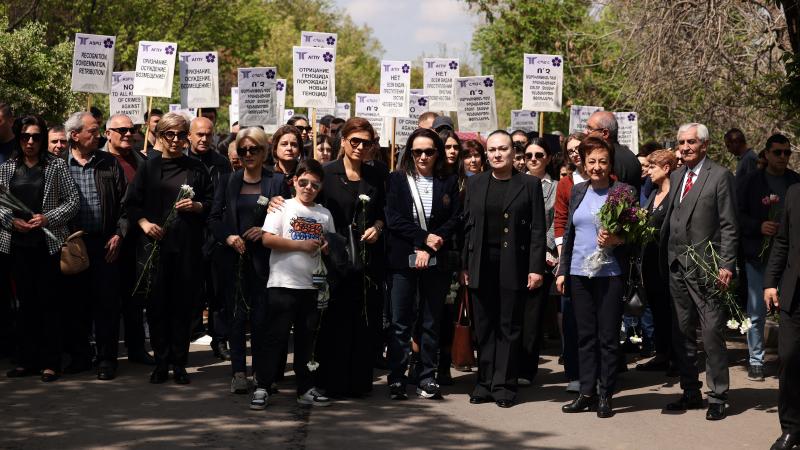
The University’s professors and students, as well as the teachers and pupils of the ASPU Basic (High School) College and Primary School #57, under the leadership of ASPU Rector Srbuhi Gevorgyan, visited Tsitsernakaberd Armenian Genocide Memorial Complex.
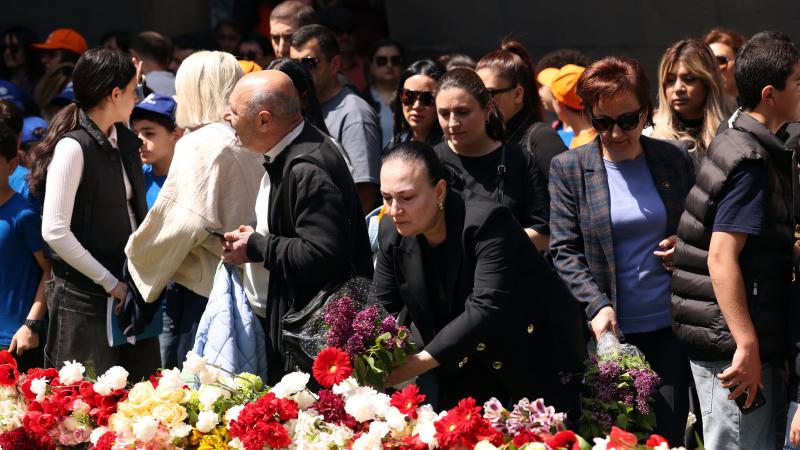
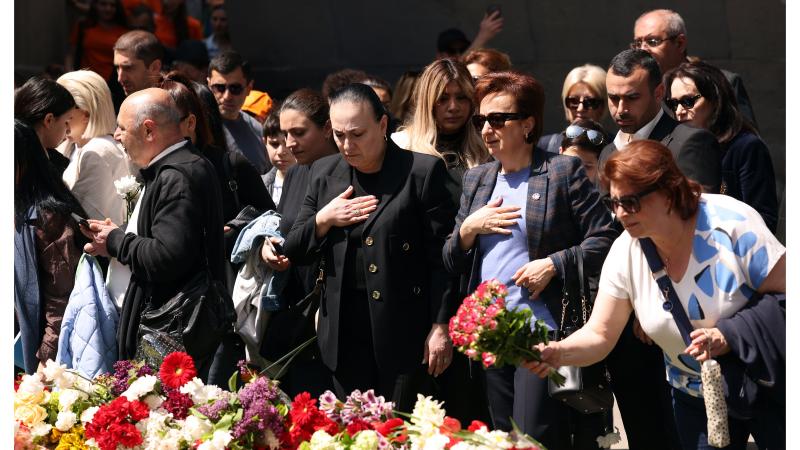
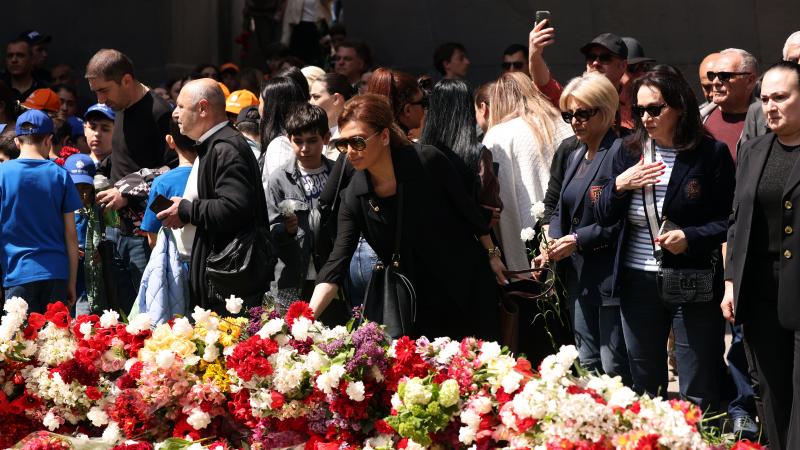
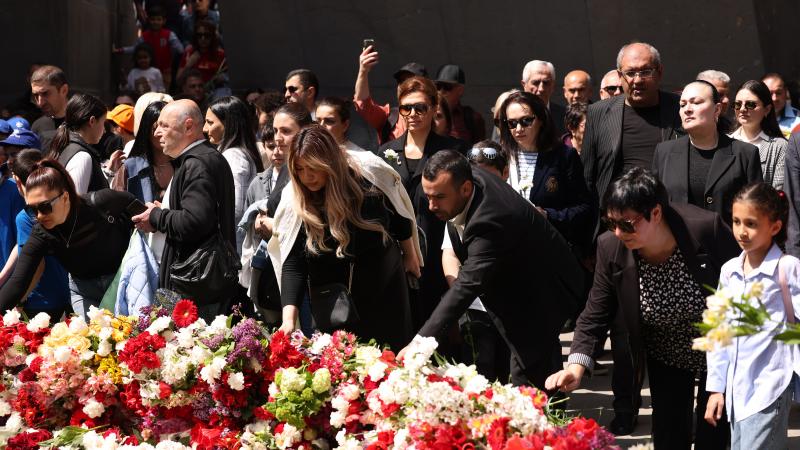
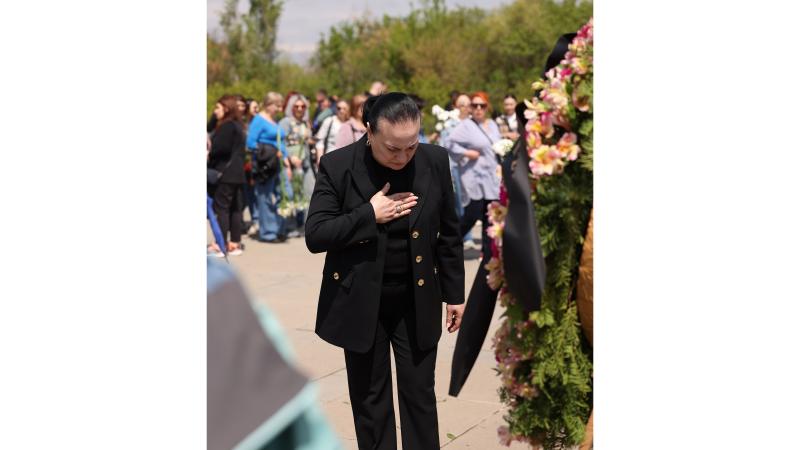
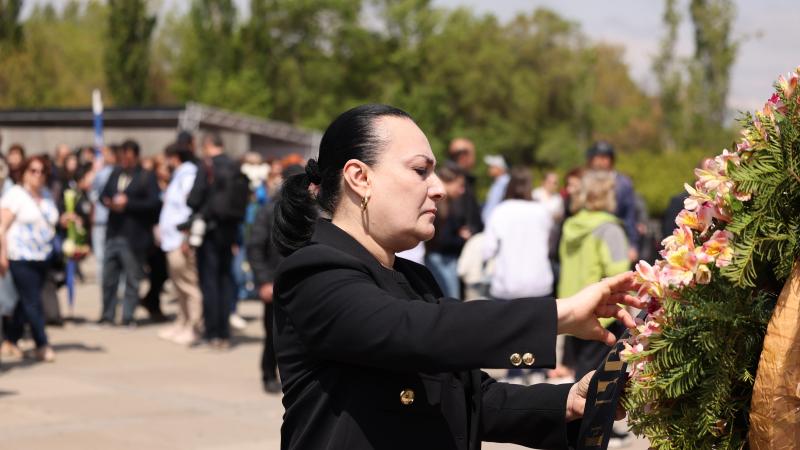
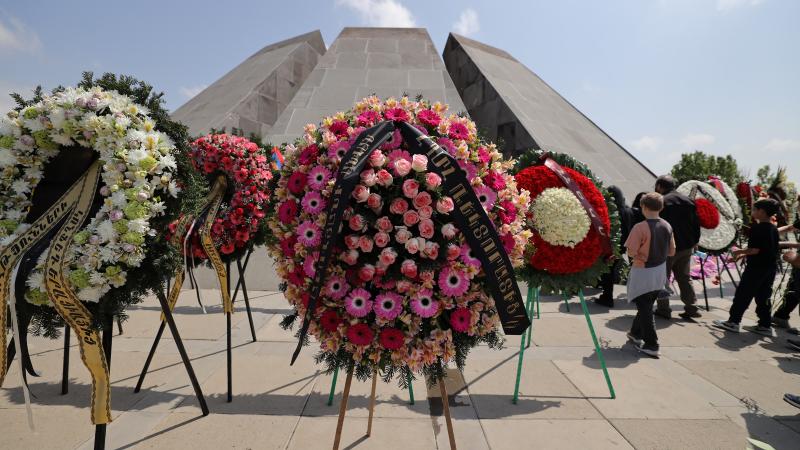
At the summit of Tsitsernakaberd, the participants of the march paid tribute to the victims, that is, they laid a wreath and placed flowers at the Armenian Genocide monument and respected the memory of the 1.5 million victims martyred in Ottoman Turkey (1915-23) with a moment of silence.
“Genocide not condemned breeds new genocides”, “NO to all types of crimes perpetrated against humanity”, “Recognition, Condemnation, Reparation”, “No to Turkish denialism!”, “No to cultural genocide!”, “April is also a month of rebirth” — the demand of the representatives of the ASPU holding the posters condemning genocide in three languages was the same, and that was to call on the world to acknowledge what happened in the beginning of the previous century, to call on Turkey to recognize the crime committed against the Armenians and restore historical justice.
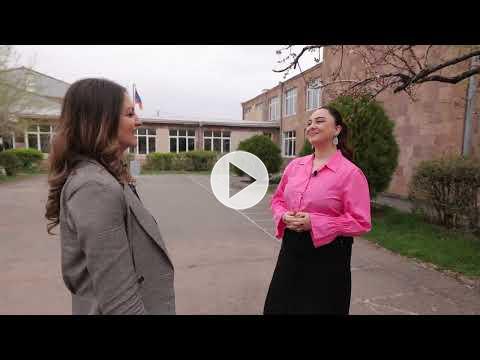
Dean of the Faculty of History and Jurisprudence Edgar Hovhannisyan notes that, in general, the topic or phenomenon of genocide is still current, adding that genocide is a crime against humanity that neither specialists nor the international community should obliviate. “Crimes against humanity don’t have an expiration date; they always need to be explored and be covered in order to prevent similar acts in the future. It seems that 110 years later it is safe to leave it to historians to study the Armenian Genocide, which is a historical fact, but even today, genocidal acts are being perpetrated in different formats, and brilliant evidence of this is the ethnic cleansing of Artsakh, the policy of intolerance and the destruction of Armenian cultural heritage,” the Dean remarked in an interview with old.aspu.am.
The historian emphasizes that even though over 30 countries and a dozen organizations have recognized the Armenian Genocide, there hasn’t been ultimate recognition, condemnation and reparation. According to him, only through completion of this full chain will it be possible to change the emphases, but until then, the objective is to remember, commemorate, talk, discuss and show the world, as a historical fact, so that they learn the lessons and be alert in order to avoid seeing the destruction of people and nations with that methodology in the 21st century and in the decades that follow. “Recognition of genocide is a major policy; today, the world and the strong are guided by interests, not justice. We Armenians must be demanding and continue to keep this issue on our agenda, not only in terms of restoring justice and prohibiting new genocides, but also advancing our interests in the region and holding strong positions in negotiations,” Edgar Hovhannisyan added.