- Հայ
- Рус
- Eng
The “Academic City” Program is one of the most actively circulating programs of the Government of the Republic of Armenia, and the concept paper presented as part of the Program has been considered on several public platforms and in diverse formats.
Among the topics that have been discussed are the Program’s purposefulness, feasibility, the current professional issues at the inter-disciplinary crossroads in professional sectors, etc.
Alongside the public discussions, upon approval of the Program, the professional adaptations of the “Academic City” Program have already been deliberated during the meetings held by the professional task forces of the stakeholder universities, according to procedure.
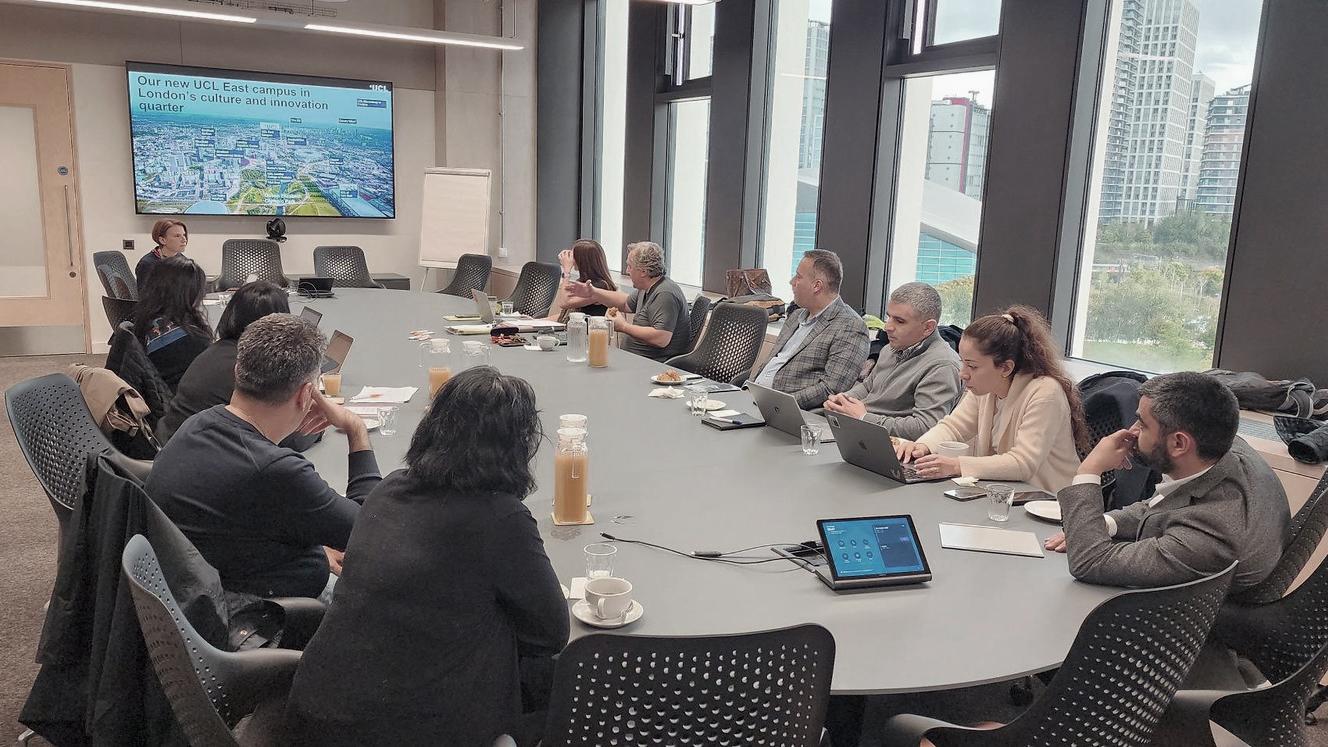
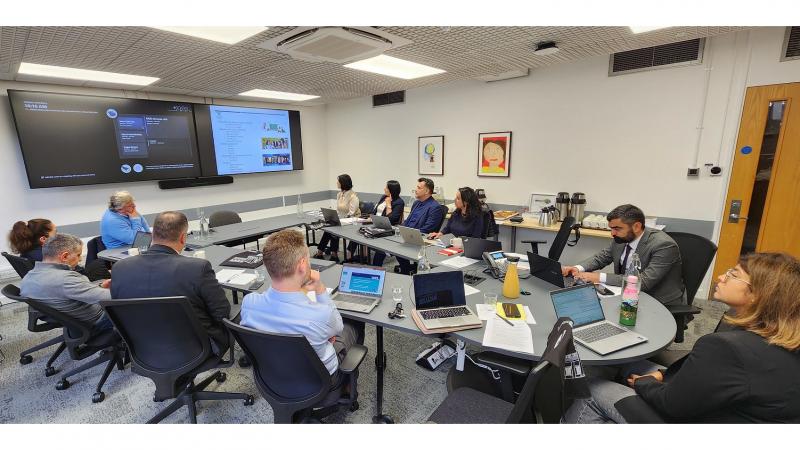
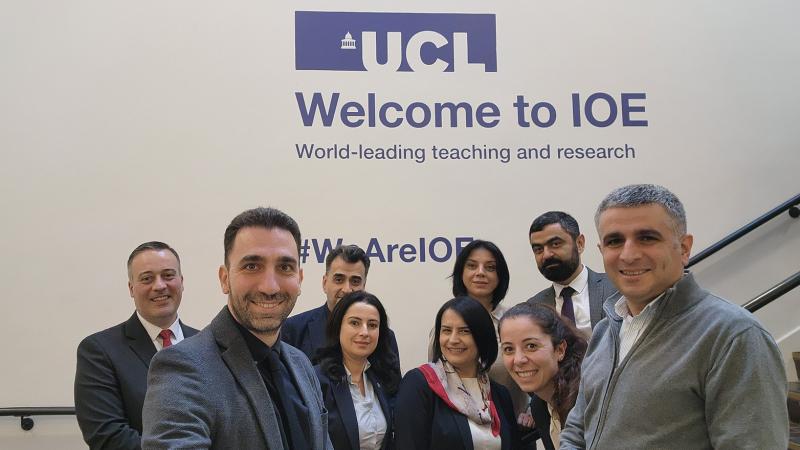
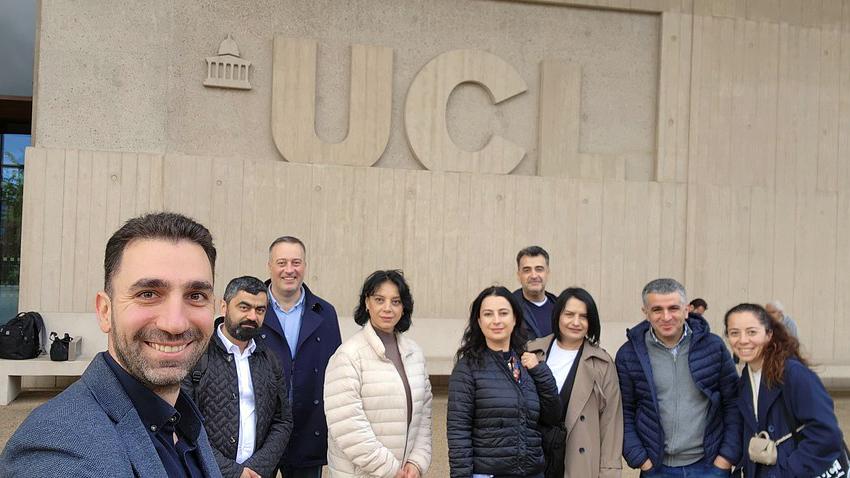
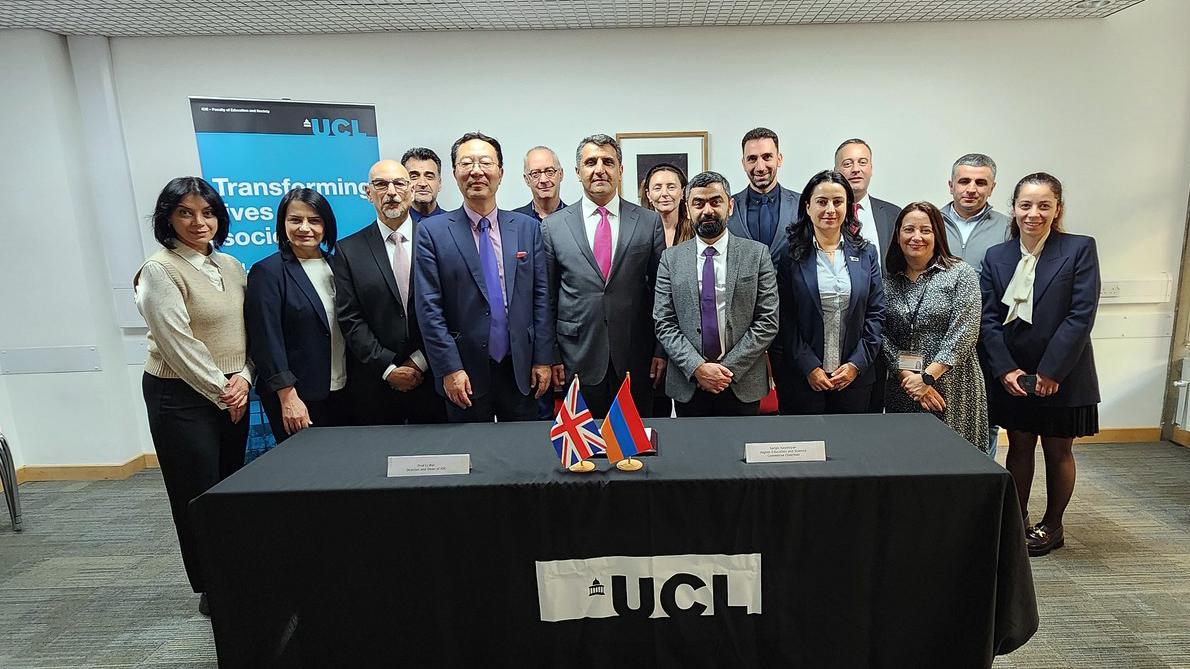
With the aim of holding objective discussions and setting effective benchmarks and an efficient roadmap, from October 8 to 9, at the initiative of the Higher Education and Science Committee and the coordinating group and with the direct participation and support of British Council Armenia, representatives of the Education Cluster (one of the four clusters prescribed as part of the “Academic City” Program) visited University College London (UCL) to become familiar with the practice of the institutional and academic associations of the institution of higher learning, which stands out in Great Britain with its progressive practice.
The representatives of the Armenian State Pedagogical University named after Khachatur Abovyan, the Armenian State Institute of Physical Culture and Sport and Brusov State University of Yerevan were told about the local practice of institutional enlargement within the scope of educational sciences, that is, the history and experience of the association of the Institute of Education London, which currently operates as part of the University.
The Institute began to carry out its longstanding professional activities in 1902 when it became a part of the infrastructures of the municipal community of London and the community’s university infrastructures.
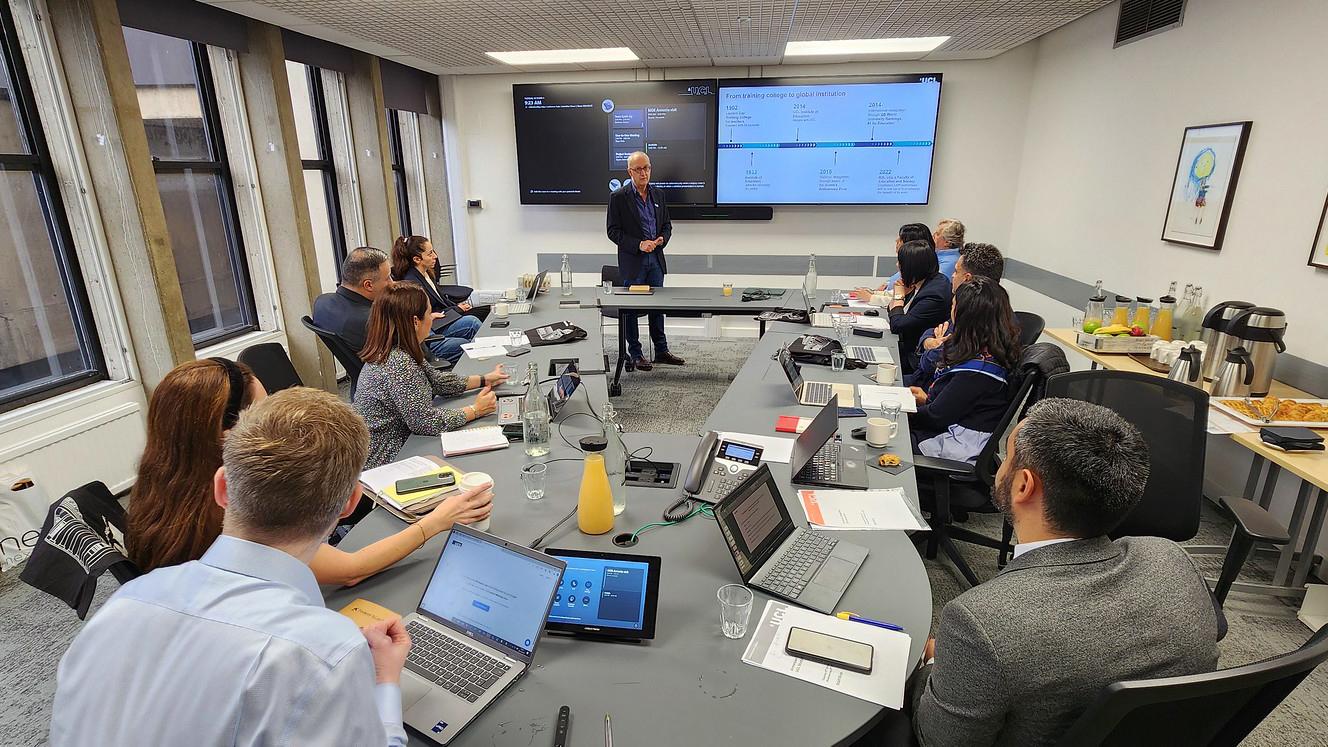
Representatives of this leading institution for teacher preparation, which has held its leading position in the list for excellence in terms of teacher preparation and research within the scope of educational sciences, had prepared several methodical overviews, speeches, as well as analyses and discussions on cases of exchange of experience for the group in Armenia.
During the discussions, the receiving party thoroughly presented the tough issues that emerged during the association, willingly shared the experience in terms of solutions and the already revised and upgraded paradigm, which was established and continues to be improved in the context of the scientific-educational activities of the University.
Among those attending the meetings were British experts, consultants and the specific education program officers, who presented not only the justifications for association, but also the methodology and advantages from the perspective of institutional management, as well as professional improvement of the lecturers and professors and the interests of the student community.
The new educational concept of University College London underlies the inseparable link between education and society which, according to the British colleagues, not only contributes to the formation of a specific request of the public for education in terms of employers, educational needs, the labor market, social developments and priorities, but also allows conducting meaningful revisions in educational programs, presenting actual rationales for the testing of those educational programs and diversifying the sources of funding for educational processes.
The questions and adjustments of the Armenian party were related to the realms of compatibility of educational programs as a result of association and their clarification, the harmonization of procedures, the consolidation of communities of professors, as well as maintenance of the communities in line with students’ rights.
During the question-and-answer sessions, the British experts and University representatives touched upon all the issues raised, placing special emphasis on and specifying the toolkit and expectations of the process in terms of morality, psychology, the profession, law, transparency and technical issues.
Among the topics for special discussions were the issues related to the joint application of resources in specific educational programs, the effectiveness of technical equippedness and, most importantly, the promotion of inter-disciplinary and inter-subject relationships.
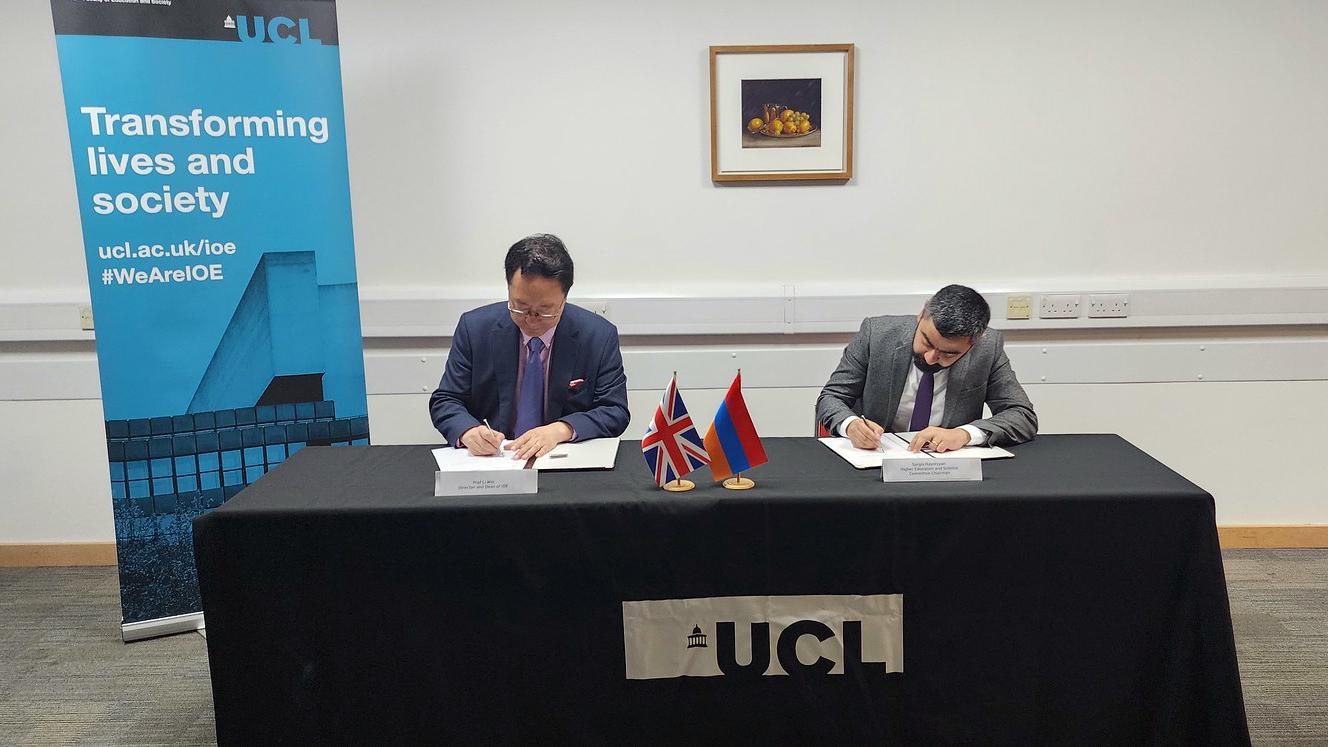
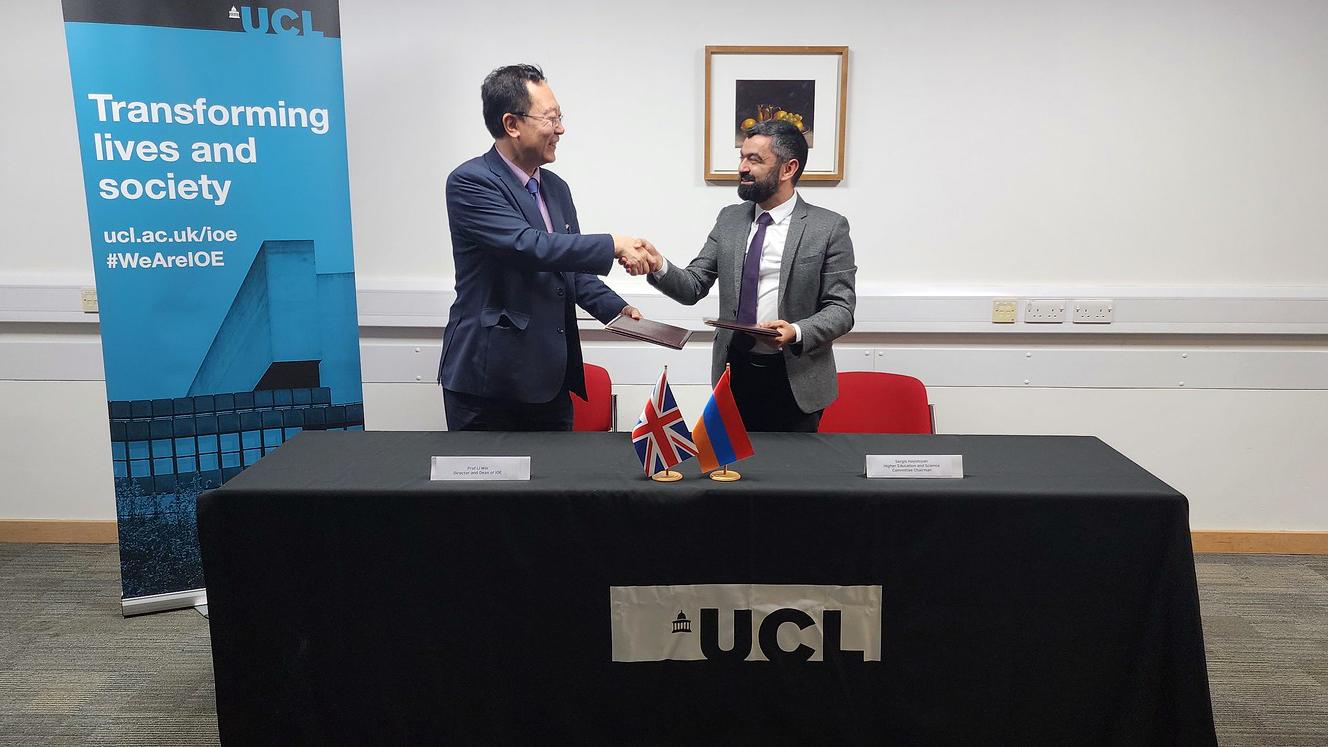
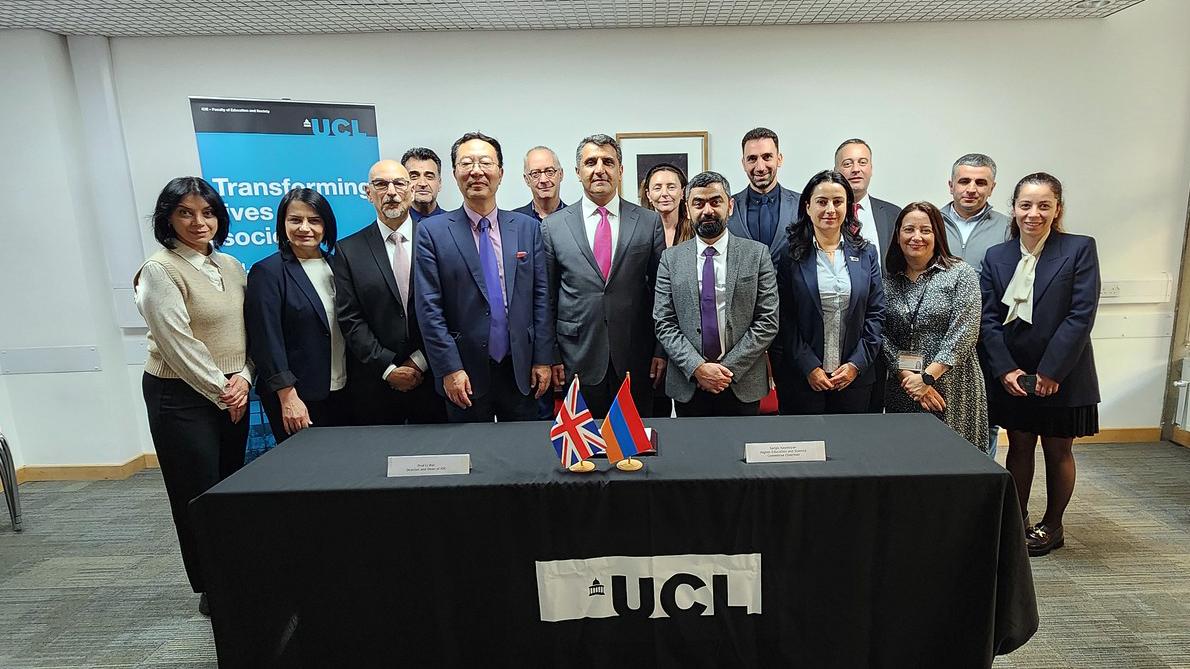
Among the significant achievements of the visit is the Memorandum-Letter of Intentions concluded between Chairman of the Higher Education and Science Committee Sargis Hayotsyan and Director and Dean of the Faculty of Education and Society at University College London, Professor Li Wei; the Memorandum-Letter predetermines further strengthening of cooperation, ongoing professional consulting in the areas of effective enlargement of universities, professional training, promotion of research in the education sector and other similar areas.
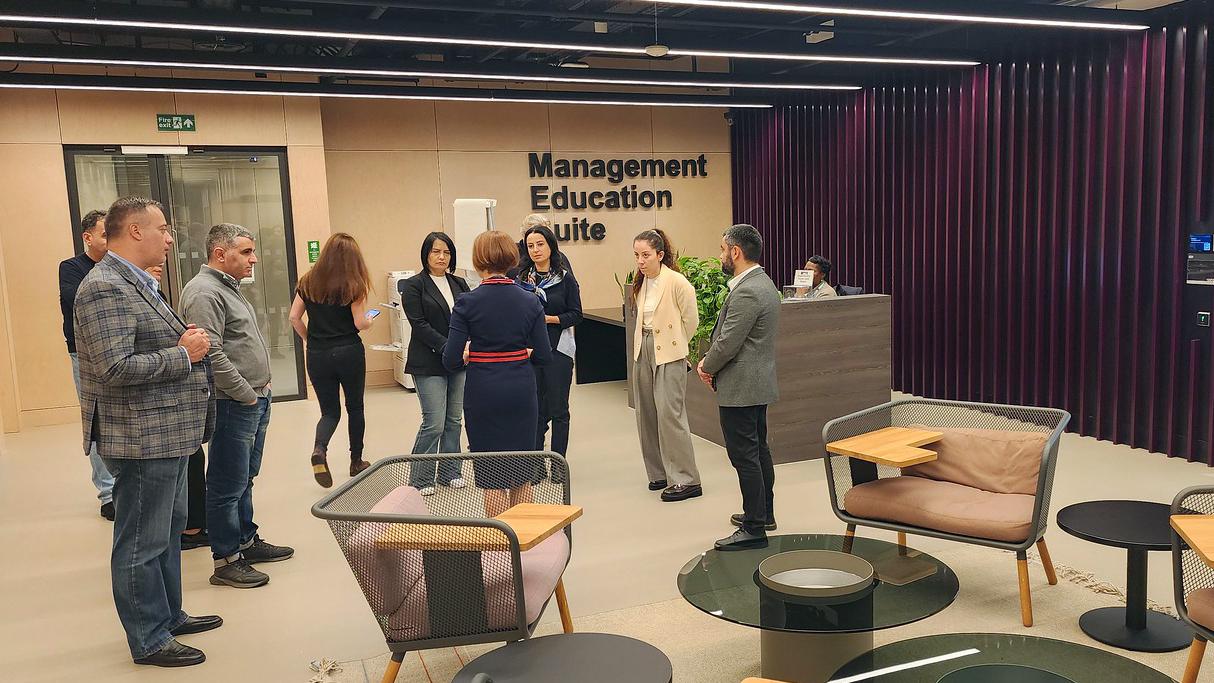
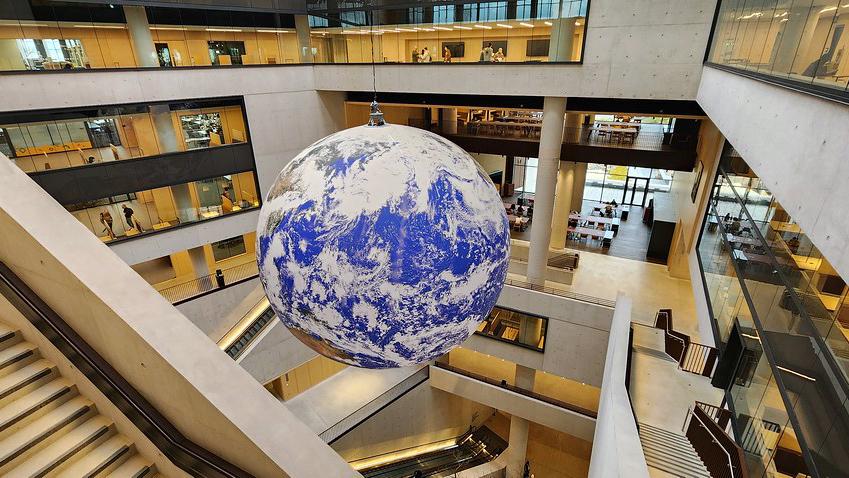
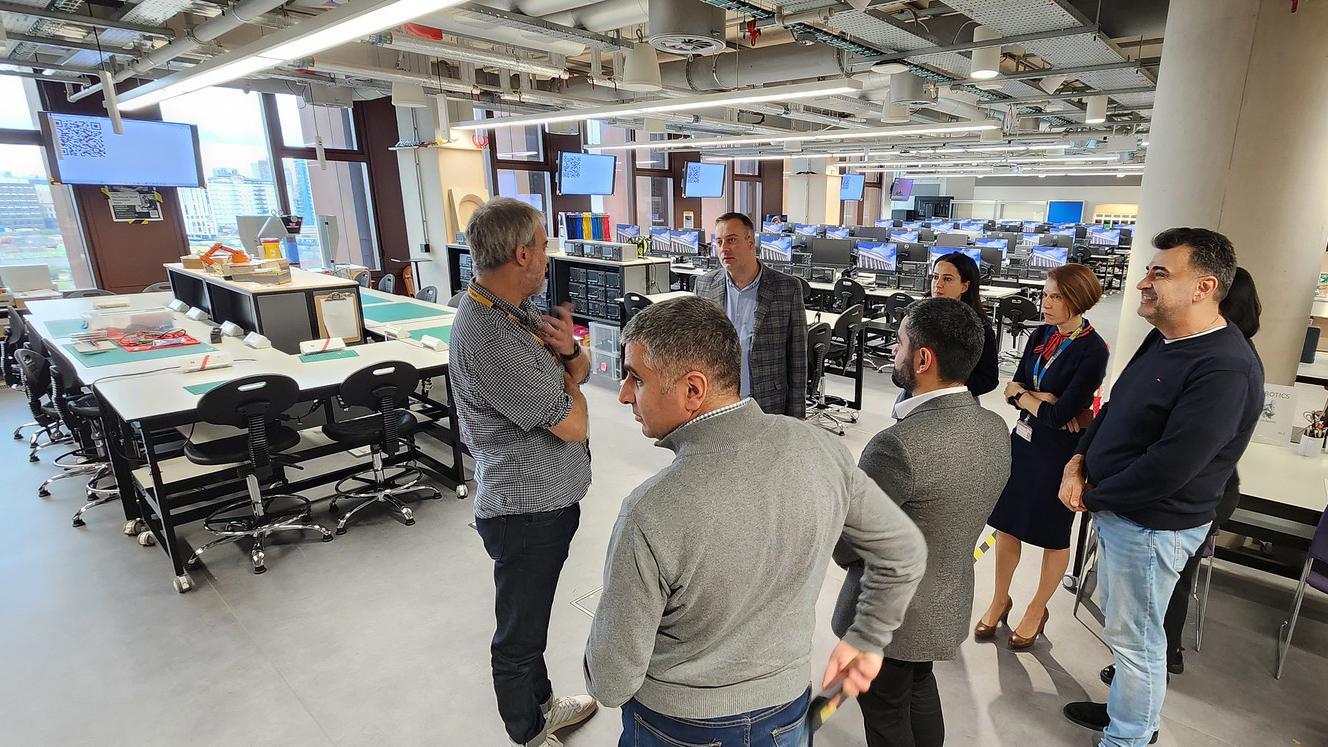
The Armenian delegation also had the opportunity to become familiar with the University’s infrastructures, the current conditions of the buildings and the internal procedures for effective use of the latter and their technical equippedness, as well as the demands for effective organization of research and convenient activities within the University.