- Հայ
- Рус
- Eng
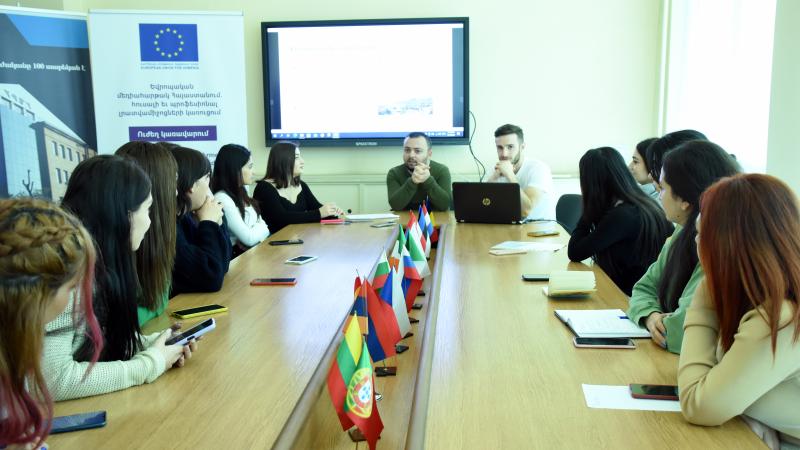
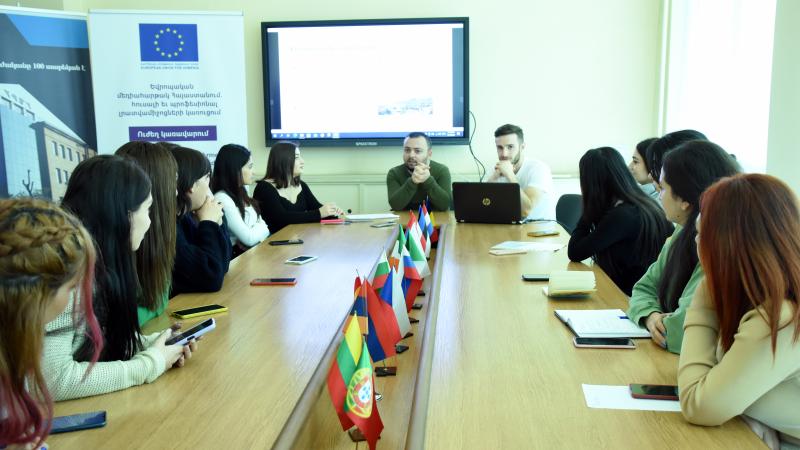
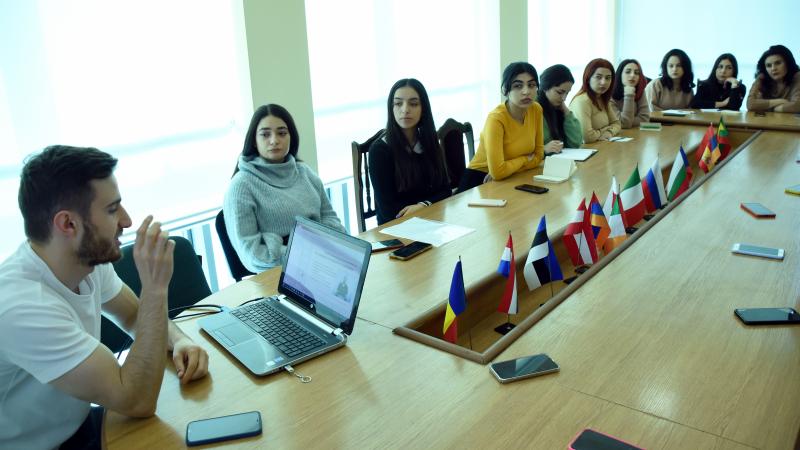
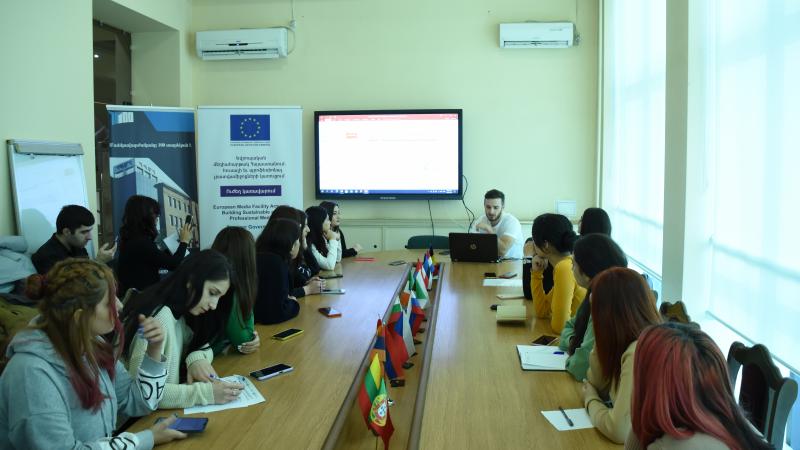
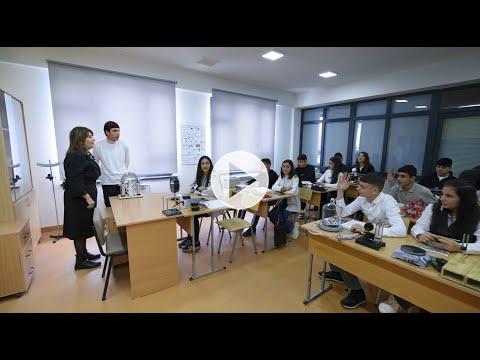
What is fact-checking? What is its role and importance? How does it promote media literacy and improve media literacy skills? On December 7, an active discussion on these issues took place at ASPU.
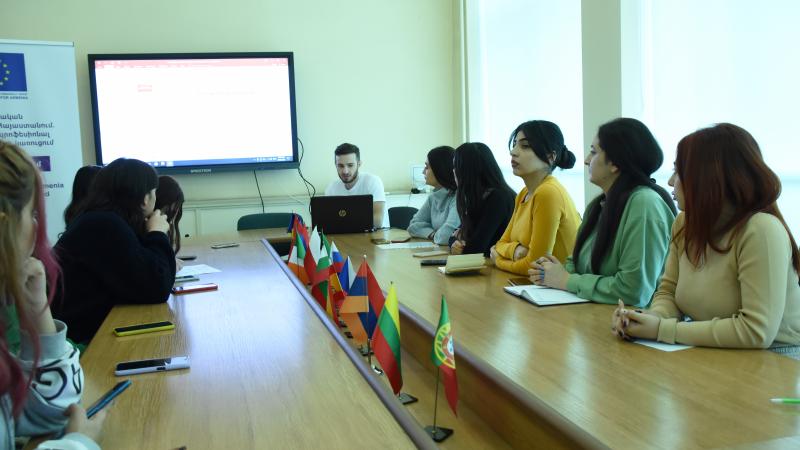
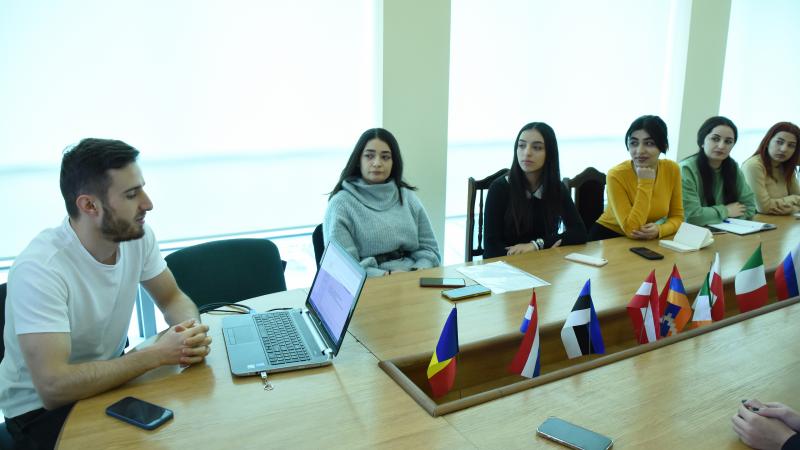
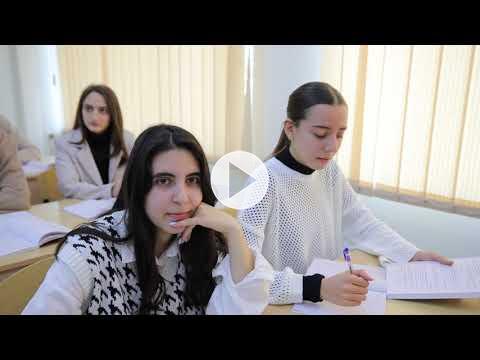
During the meeting with 3rd year students majoring in TV Journalism, the fact-checking team of "Hetq" media and the Armenian representative of Deutsche Welle Akademie focused on the importance of verifying information before publishing an article, types and models of fact-checking as well as on checking of the information contained in published materials.
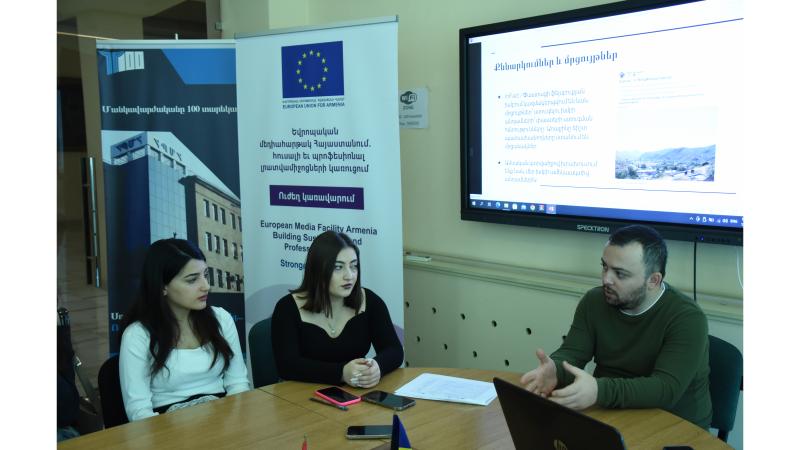
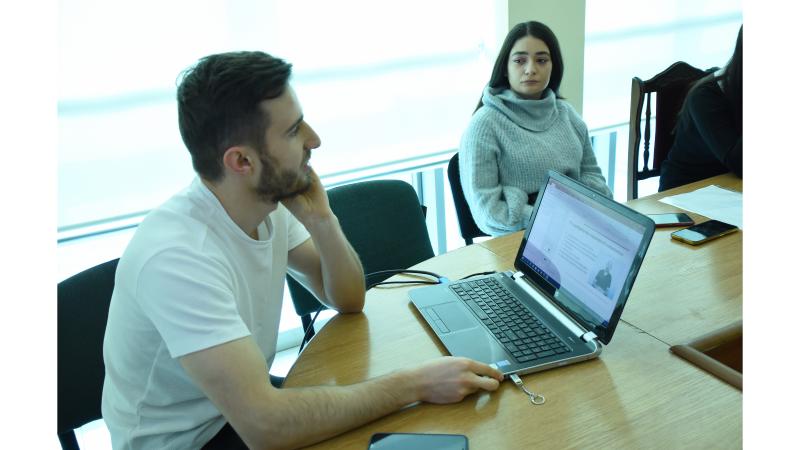
Speaker Trdat Musheghyan spoke about the main functions of their structure (Hetq), presented the main tools the use of which will help future journalists avoid the spread of fake news and misinformation.
The latter emphasized that the purpose of the structure is to develop the culture of fact-checking in Armenia and to bring together people, including journalists, interested in fact-checking,.
"Fact-checking is not something new in journalism. It is one of the golden rules of the profession which is also an important component of media literacy development. In today’s digital world, it is very important to distinguish between fake and real news, to avoid being manipulated and to be media literate. In this context, fact-checking is important in journalism,” Trdat Musheghyan said emphasizing the importance of fact-checking also from the point of view of strengthening the image of media outlets and trust in them.
Vahe Sarukhanyan, a factchecker with “Hetq” who leads the fact-checking team, referred to the InFact Facebook initiative, and presented its activity to his junior colleagues by a number of examples.
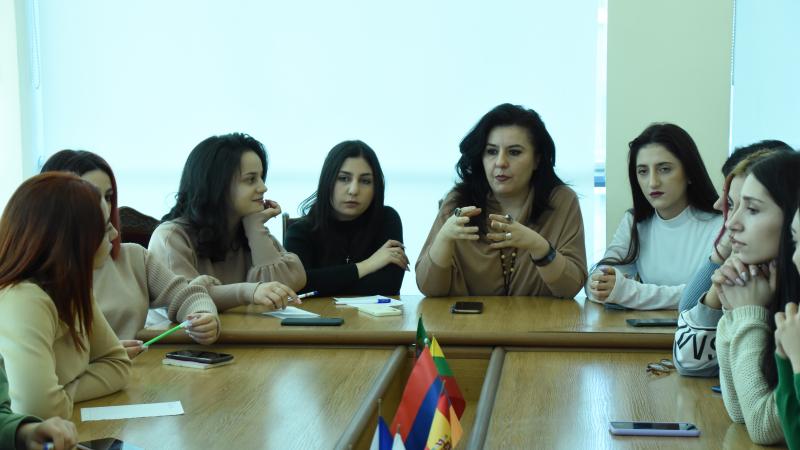
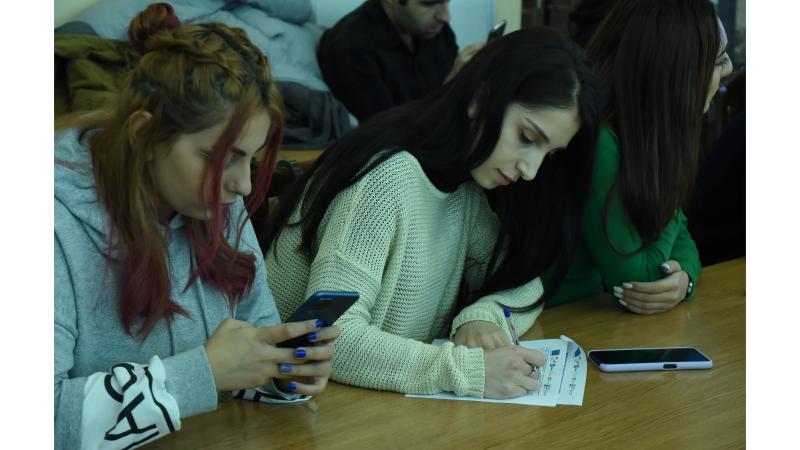
How to make fact-checking a part of a journalist's daily routine? How to distinguish between reliable and unreliable media outlets? How to use open databases correctly? How to contribute to the increase of media literacy in Armenia? The meeting was followed by a heated discussion and a Q&A session during which the participants tried to answer all these questions.