- Հայ
- Рус
- Eng
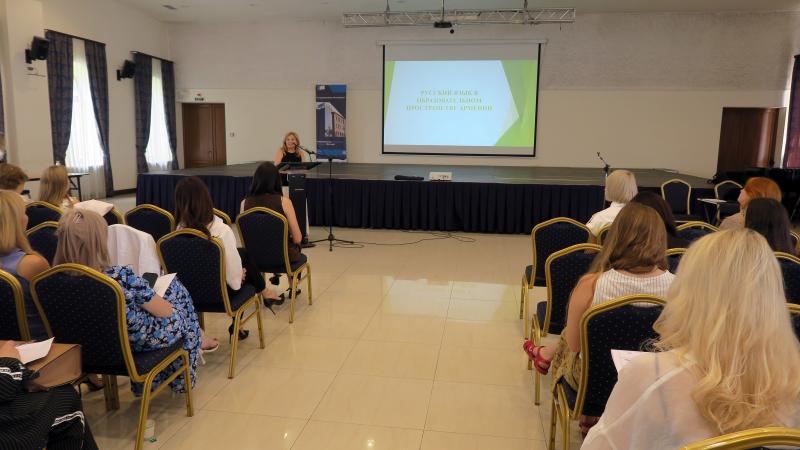
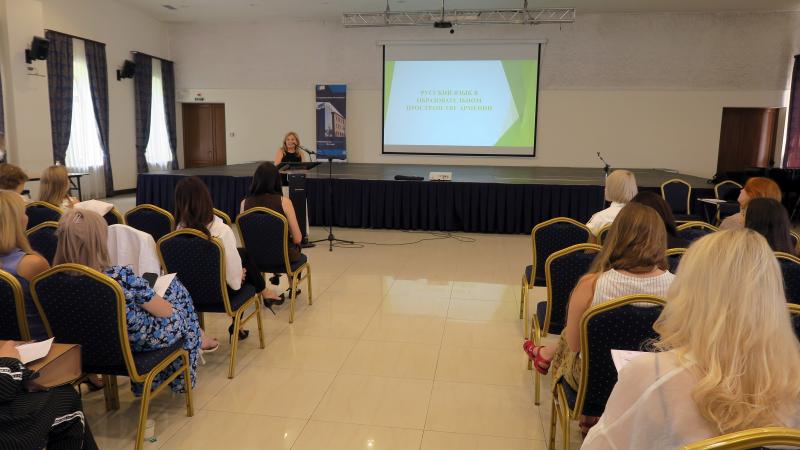
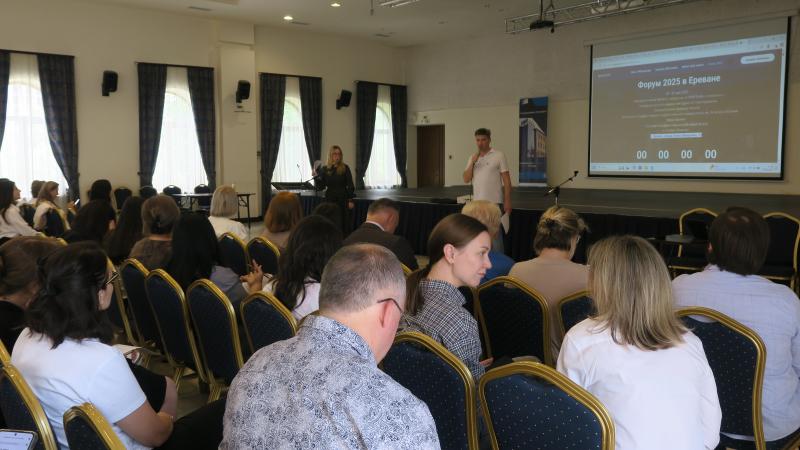
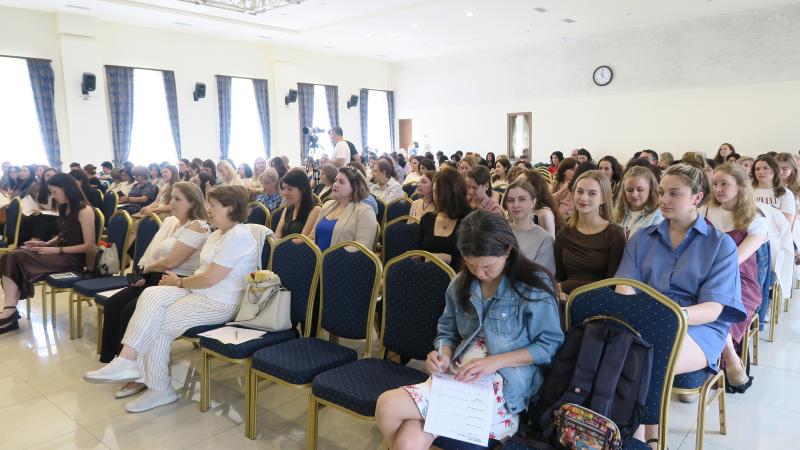
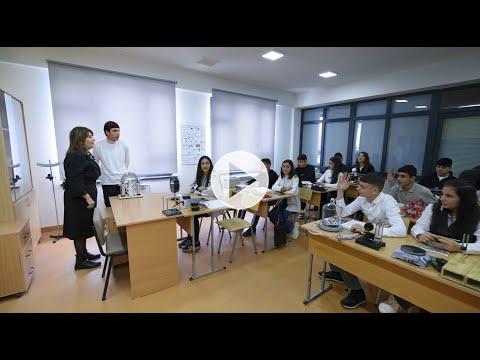
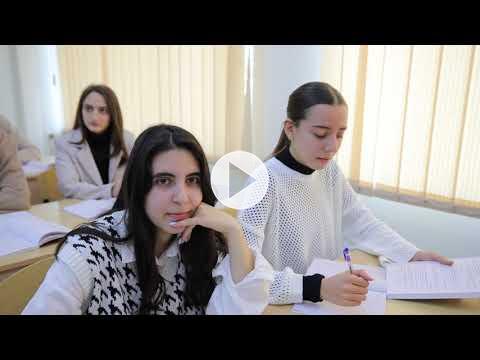
The “Playing” and “Ռուսերեն Today” (Russian Today) educational projects and the Chair of Russian Language and its Teaching Methods at the Armenian State Pedagogical University (ASPU) launched the 5th two-day practical education conference.
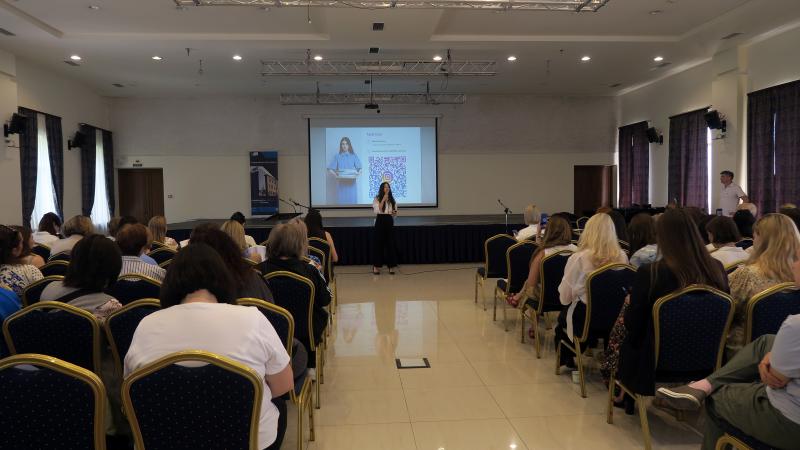
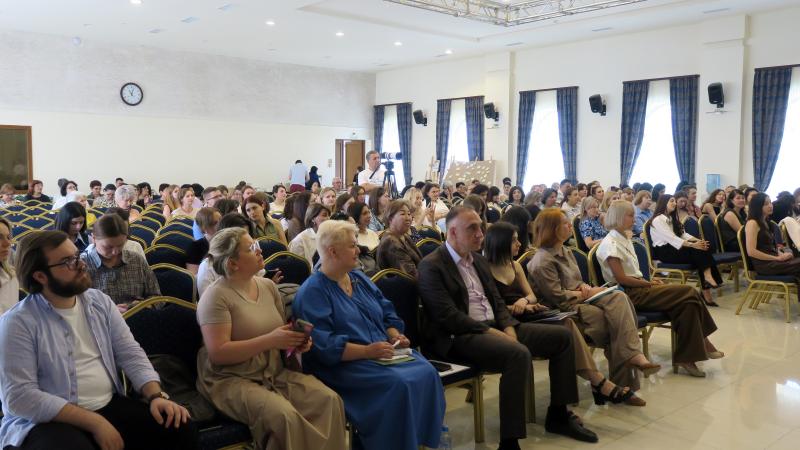
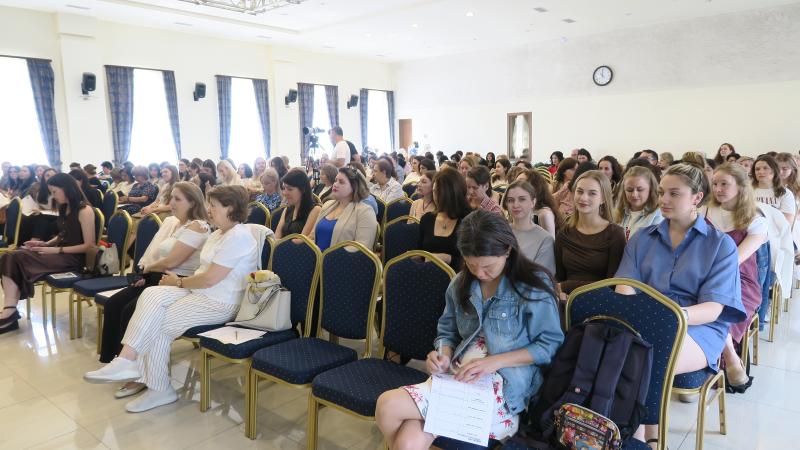
The event, which is being hosted at the ASPU, has gathered specialists involved in teaching practical Russian in different countries under one roof, including lecturers, authors of textbooks and manuals, school principals, the heads of Chairs of Russian language and teaching, etc. all
The aim of the event is to consider different aspects of language studies and provide the participants with the opportunity to share their experiences in using various types of methodologies and technologies and find empirically proven solutions to the current issues.
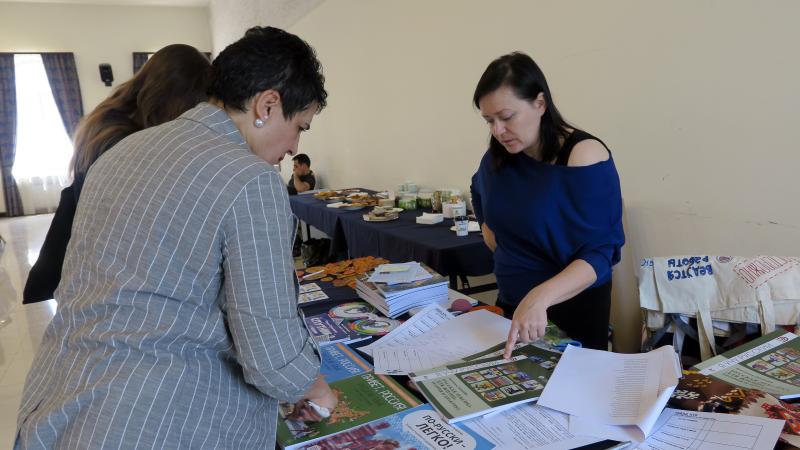
The participants of the conference will listen to speeches, participate in discussions and master classes, and projects will be presented during 5-minute ‘blitz’ speeches.
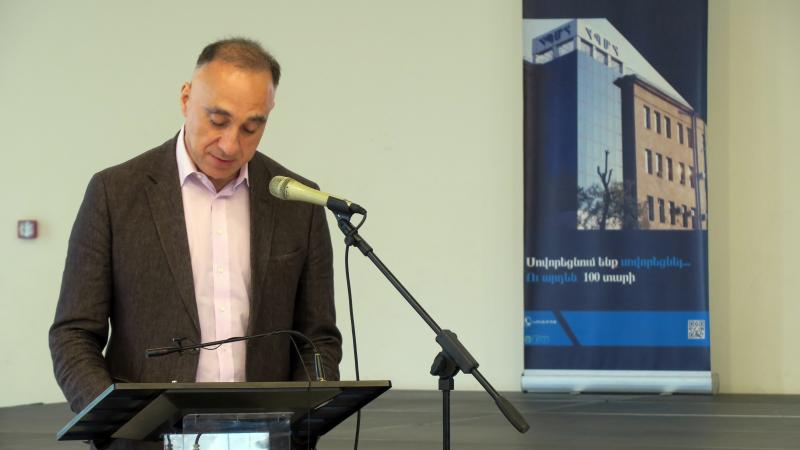
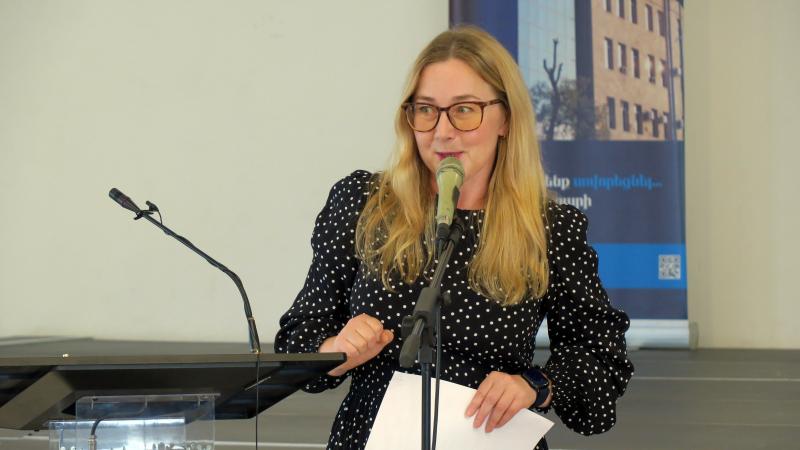
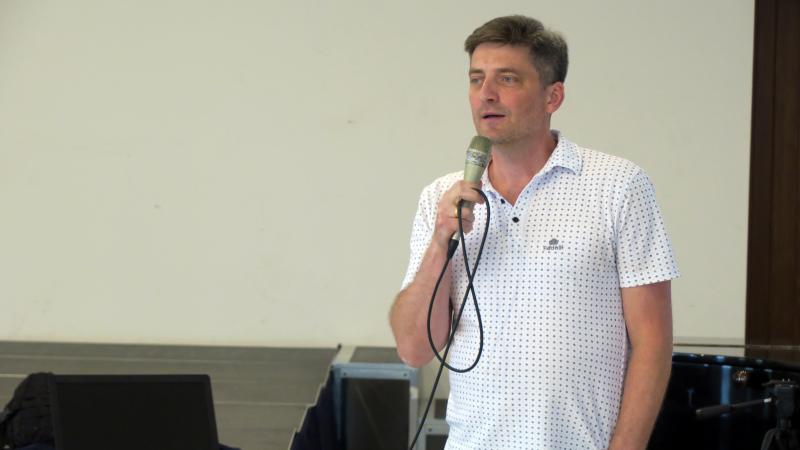
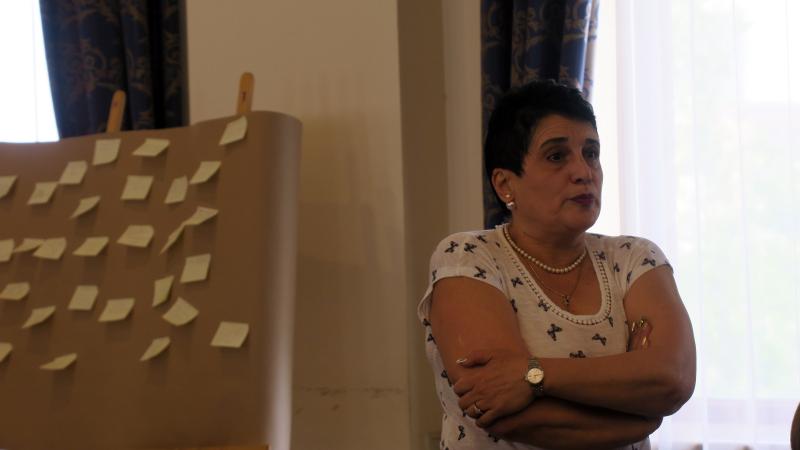
Head of the ASPU Chair of Russian Language and its Teaching Methods Naira Dalyan welcomed the event and considered symbolic the fact that it is being held at the Armenian State Pedagogical University; the mission of the University is to prepare professional teachers, who have fundamental knowledge, necessary skills and capabilities and who will be able to work by their professions efficiently.
Professor Dalyan considered the forum a unique platform to consider the current issues related to Russian language instruction, teaching and the use of the language. “Russian language and Russian culture remain in their positions. Russian language is not just a language…it is a living organism that is constantly evolving, becoming enriched and adapting to the new conditions. In spite of the changes that have taken place in language policy over the past decades and particularly in the post-Soviet territory, Russian is still widely used as both a native language and a way for the people of different ethnicities in the post-Soviet countries to overcome the language barrier. Nevertheless, the conditions for use and study of the language have seriously changed; currently, researchers have to study social-linguistic characteristics for describing Russian in foreign language environment that will allow them to objectively present the position of the language today and draw conclusions on its prospects in the near future and later.”
In her remarks, Naira Dalyan provided a historical background of the quality of study of Russian and the sound of the language and the problems of Russian language instruction, including the substance, methods, technologies for teaching and the great scholars, who helped publish textbooks, developed academic manuals, new teaching methods, laid the foundation for the opening of Chairs, etc.
Professor Dalyan also talked about the current issues related to Russian language teaching and studies, linguistic interaction, communication, etc.
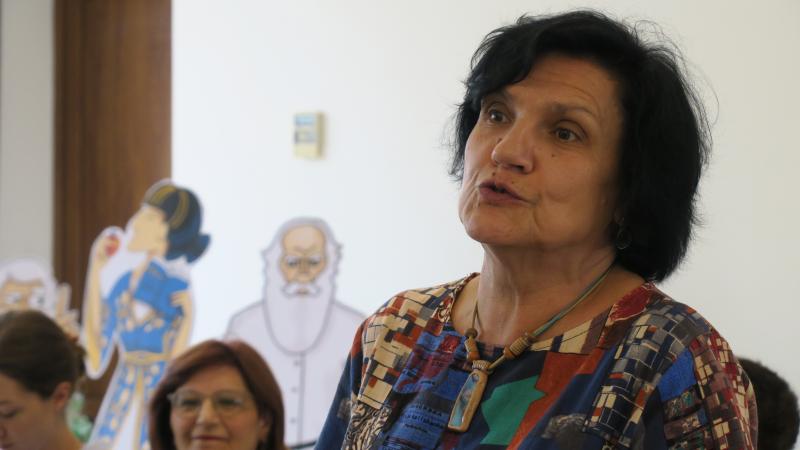
The conference also featured speeches that touched upon the latest teaching methods countering the outdated approaches, Russian as the framework for cross-cultural cooperation, projects fostering the popularization of Russian in the world, the visualization method for teaching Russian literature, the use of the project method (used during Russian language classes) as an attempt of interdisciplinary instruction in a class of Armenian-speaking students, the professional growth of teachers of foreign languages, the personal brand of teachers in the digital environment, etc.