- Հայ
- Рус
- Eng
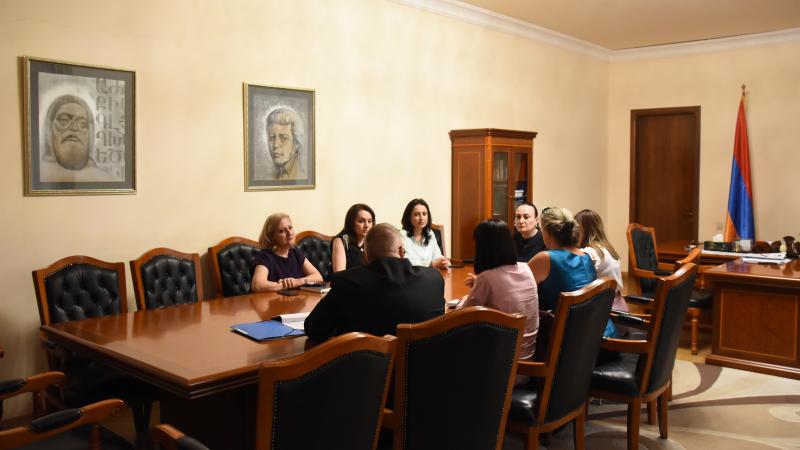
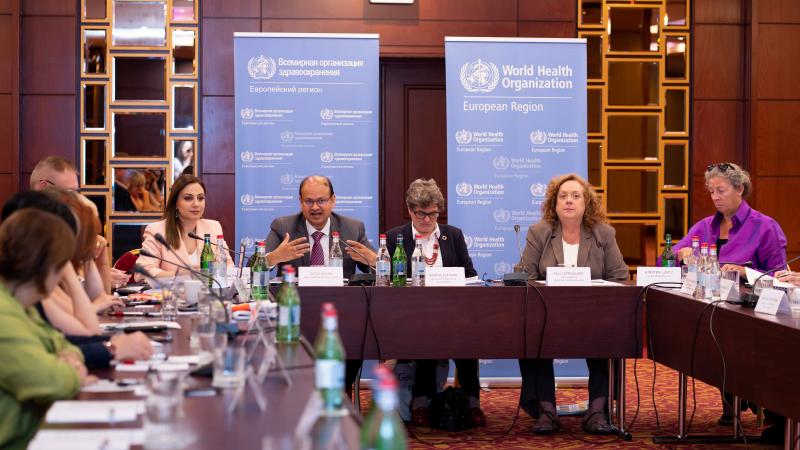
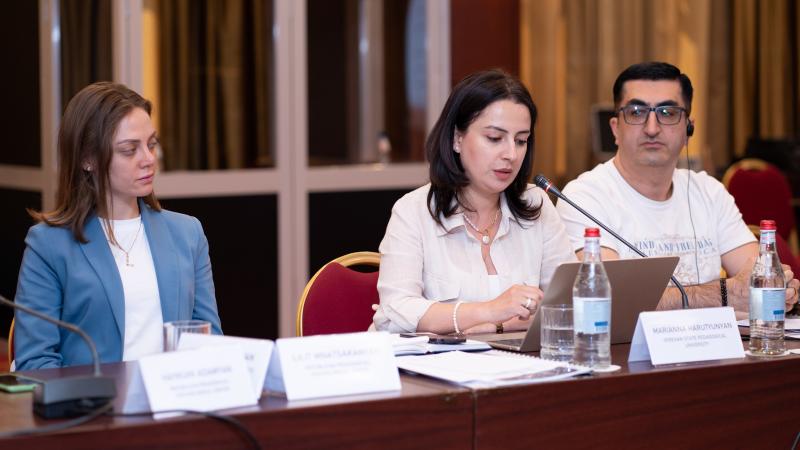
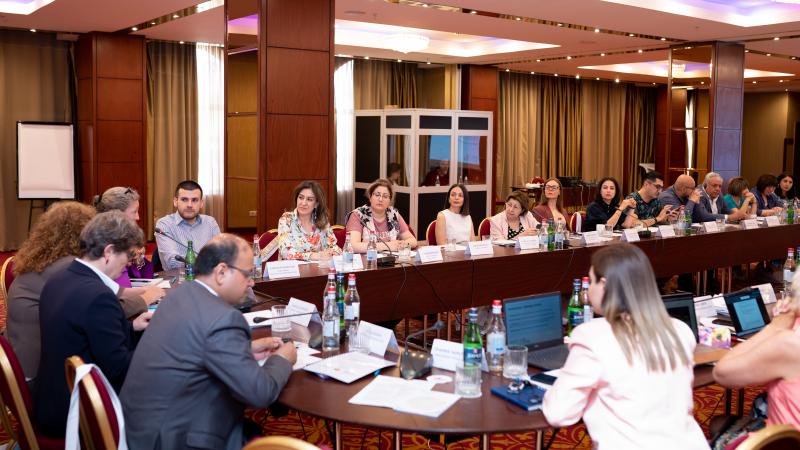
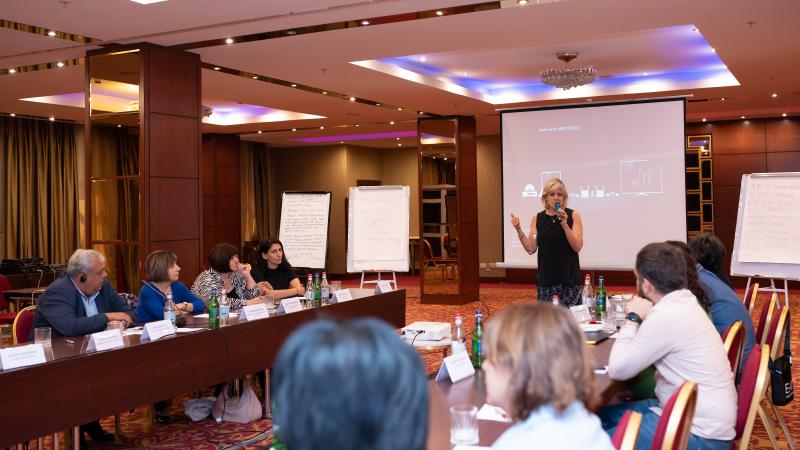
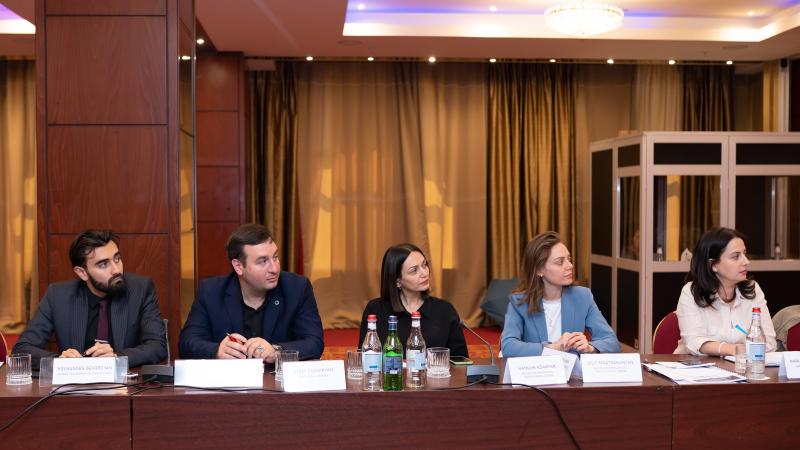
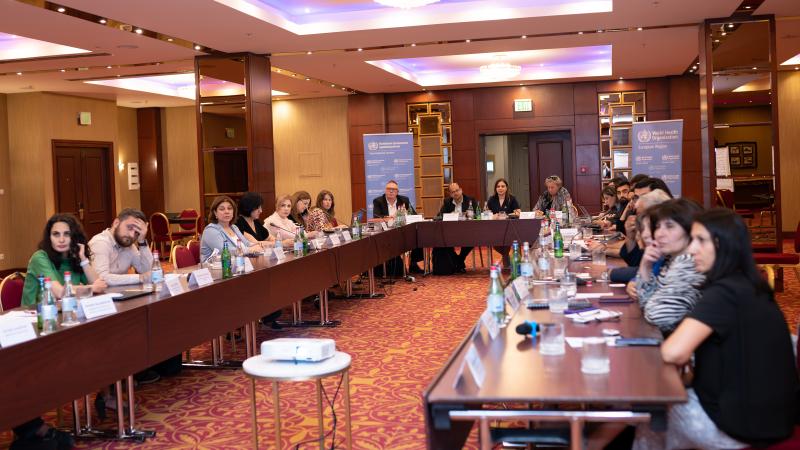
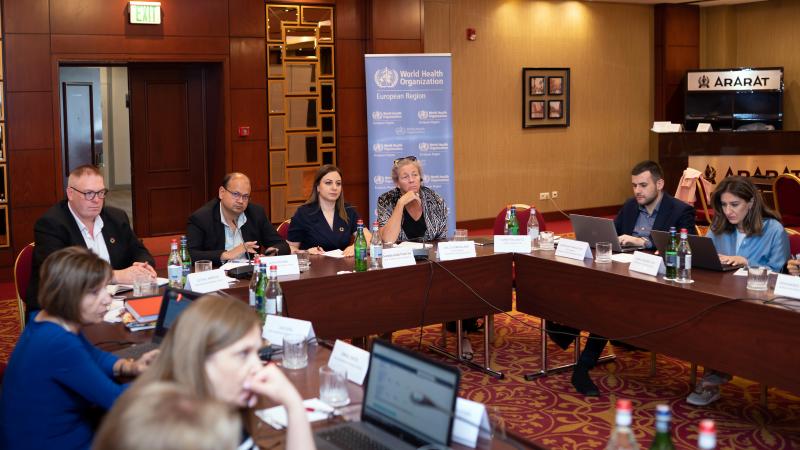
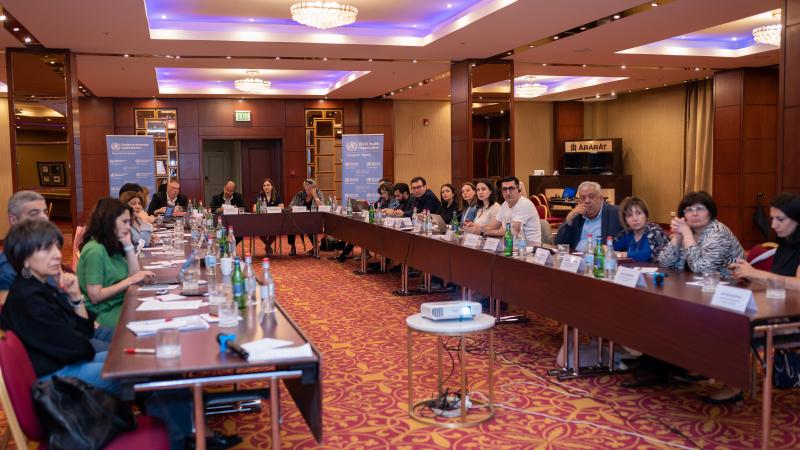
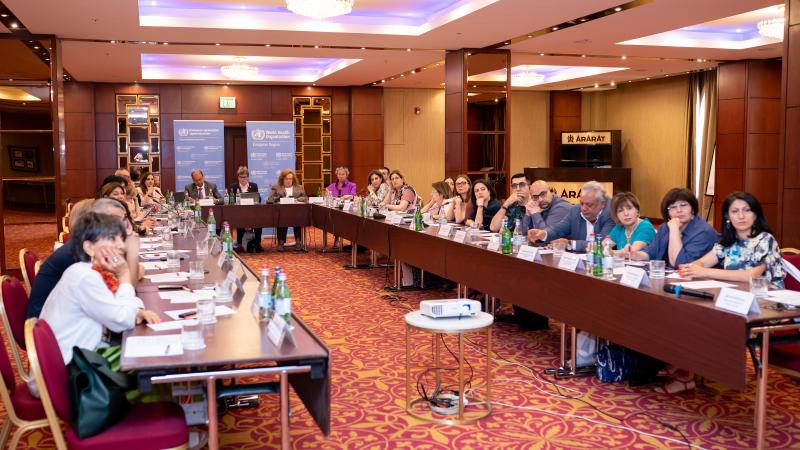
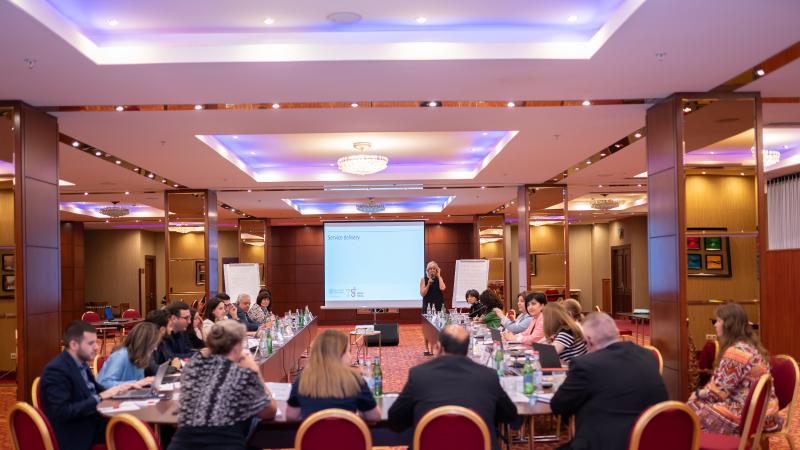
A team of experts of the WHO Regional Office for Europe is in Armenia to support the country’s government with the development of a national strategic action plan on rehabilitation services and assistive technology (AT).
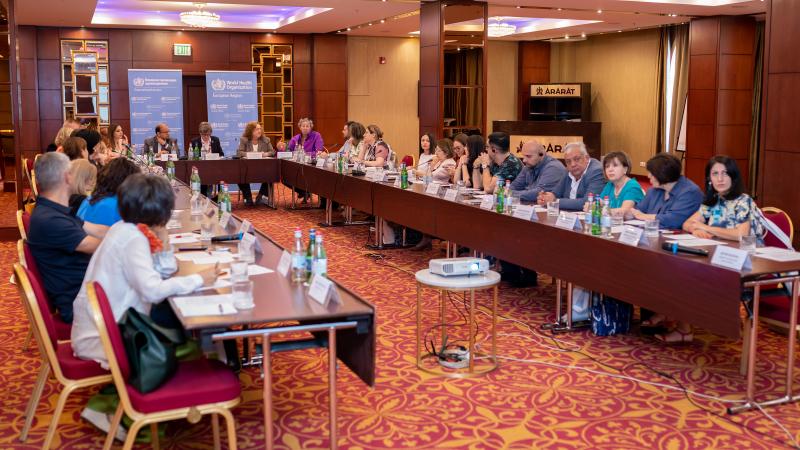
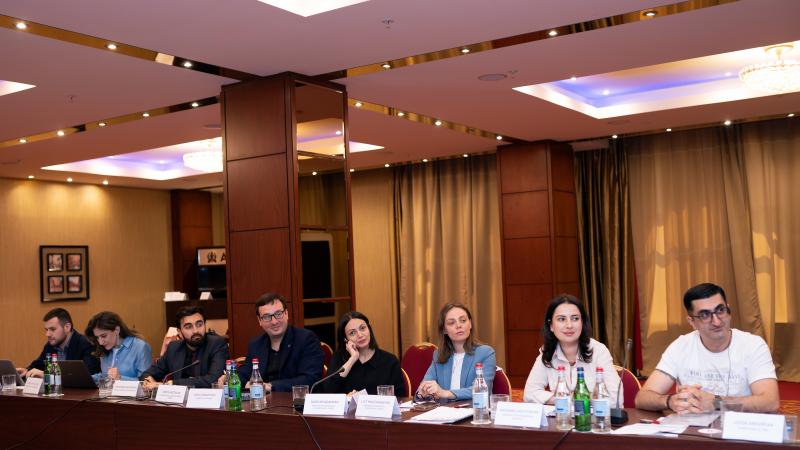
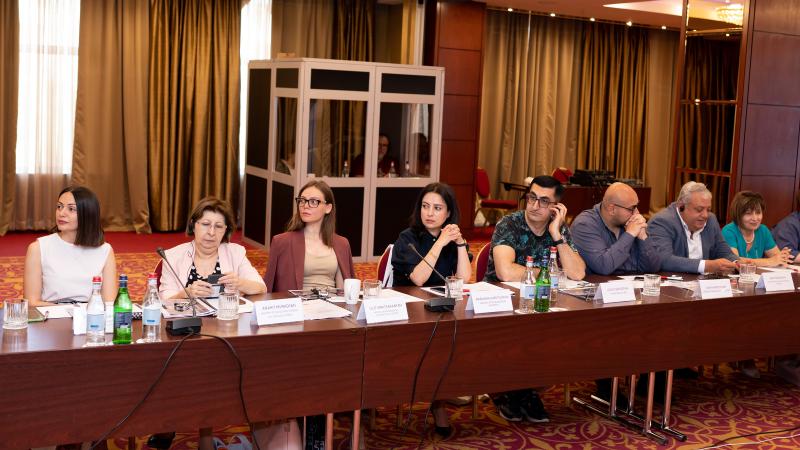
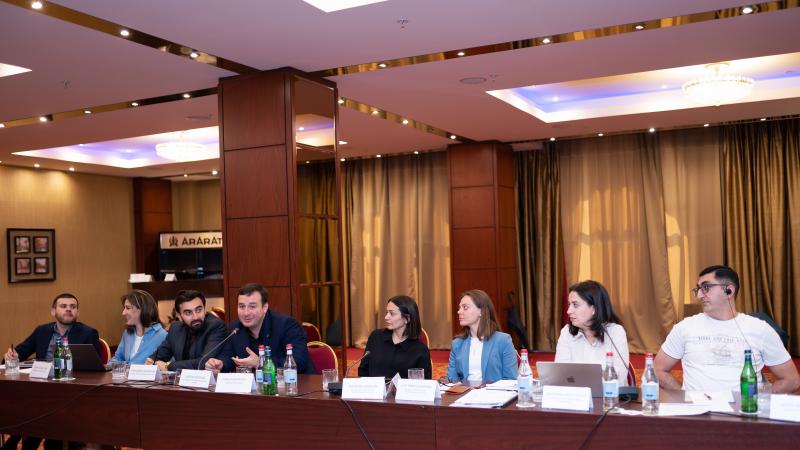
The Interagency Technical Working Group on Rehabilitation and Assistive Technology, which is composed of representatives of ministries, rehabilitation and AT experts, started its work earlier this week.
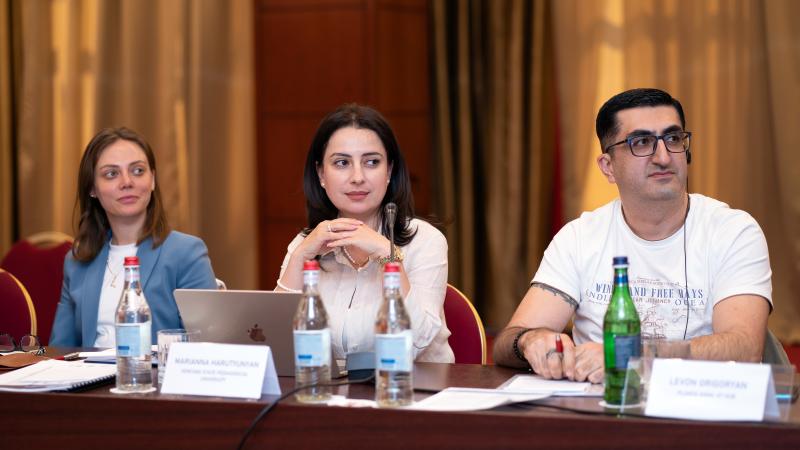
Marianna Harutyunyan, ASPU Vice-Rector for Personnel and International Cooperation, Associate Professor of the Faculty of Special and Inclusive Education, is also in the group.
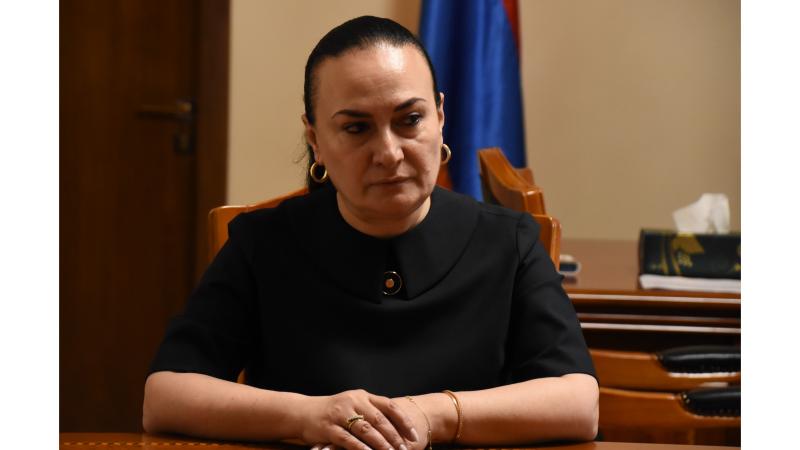
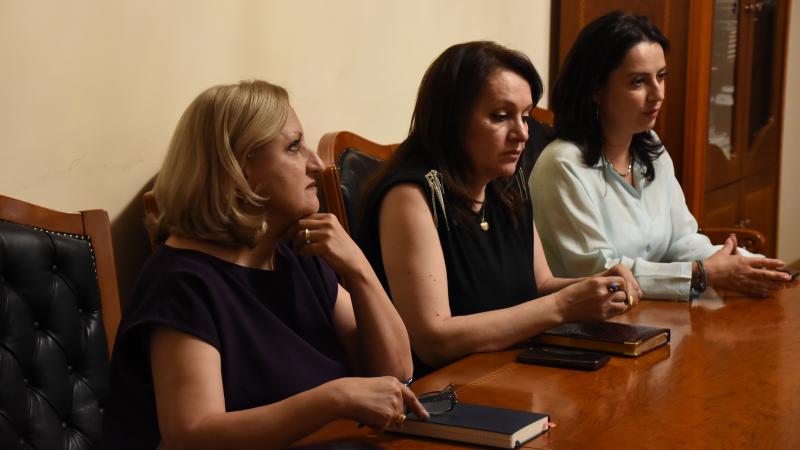
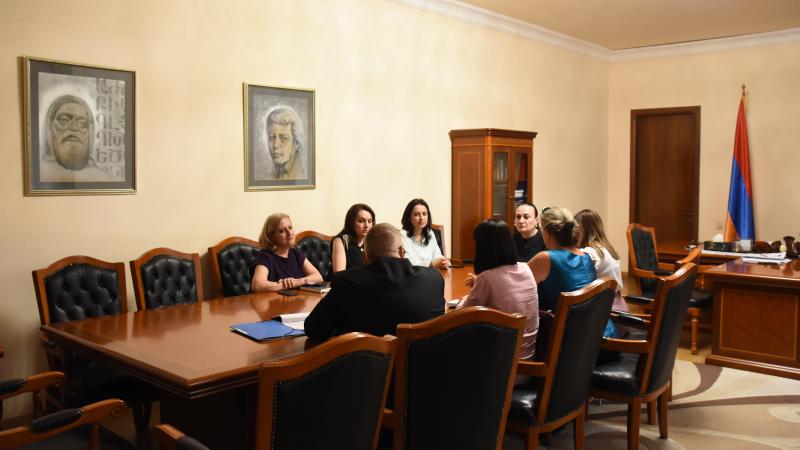
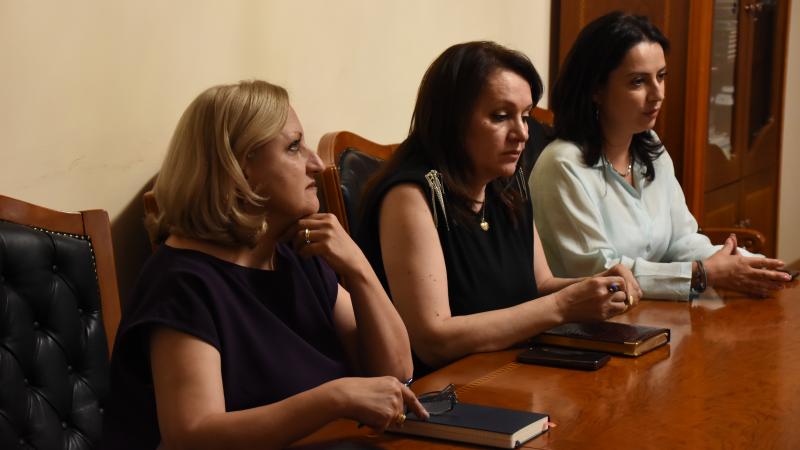
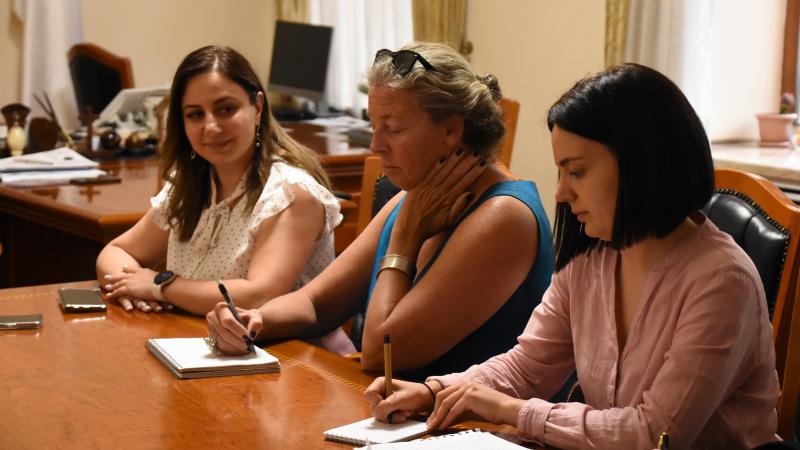
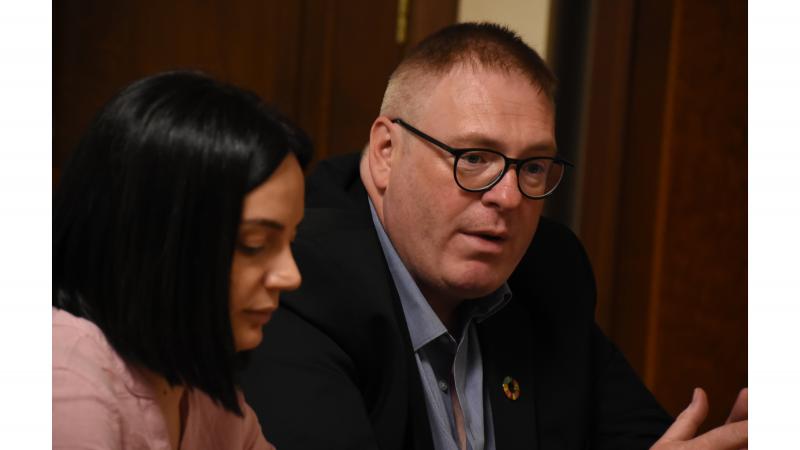
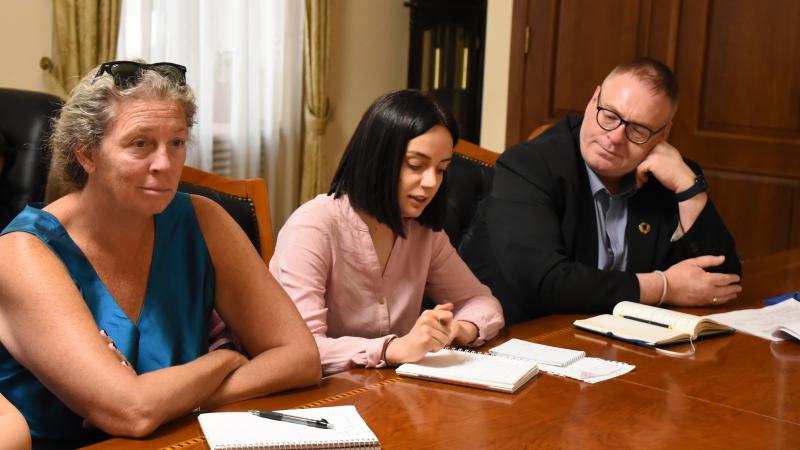
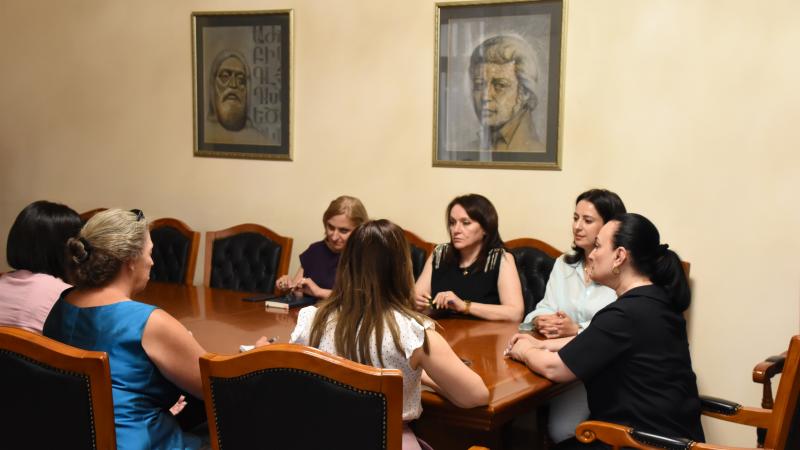
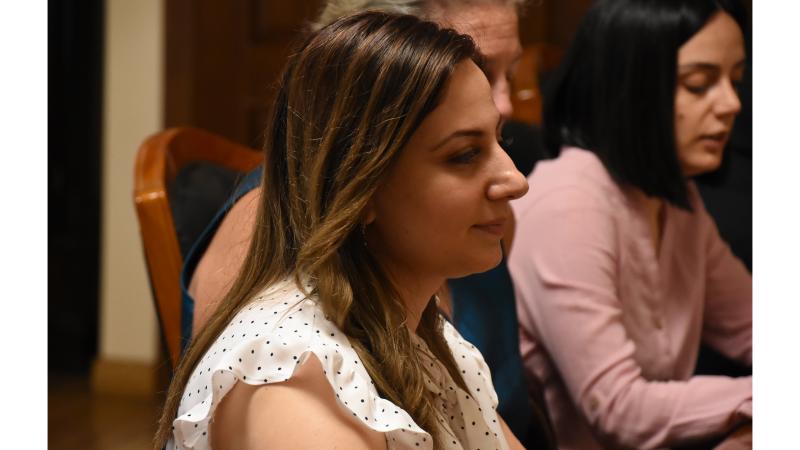
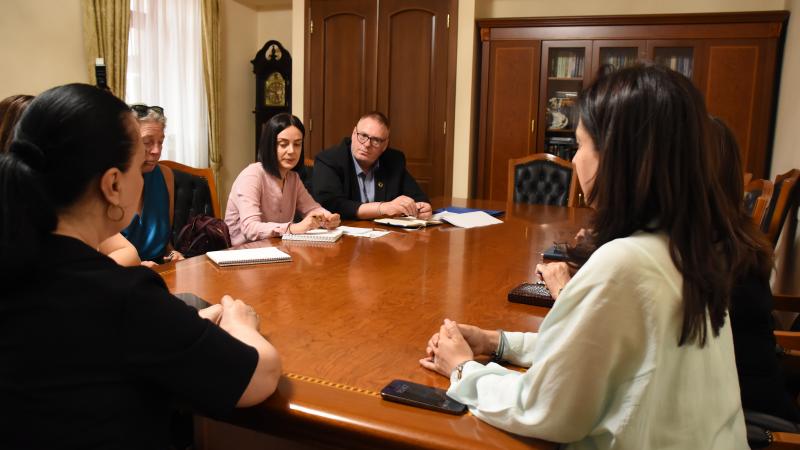
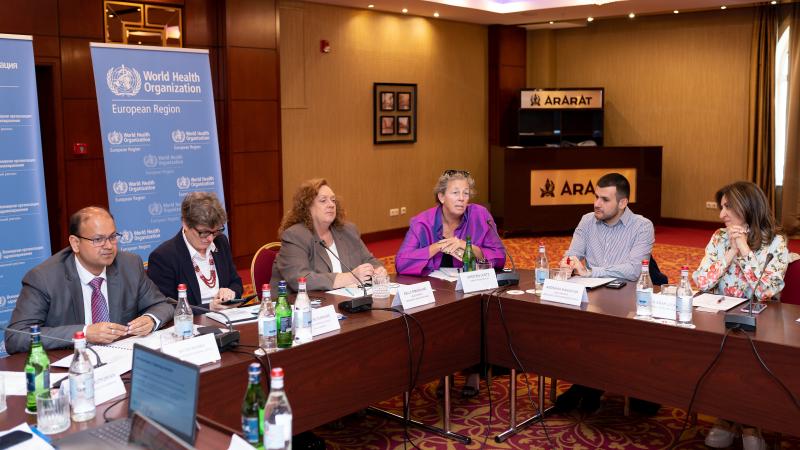
On the sidelines of the visit to Armenia, the expert group also visited ASPU. ASPU Rector Srbuhi Gevorgyan emphasized the fact that the team considers ASPU, the only educational institution in Armenia training special educational needs (SEN) professionals, as an active partner. She assured the guests that they are ready to implement important provisions of the program in order to contribute to the solution of a number of problems in the sphere.
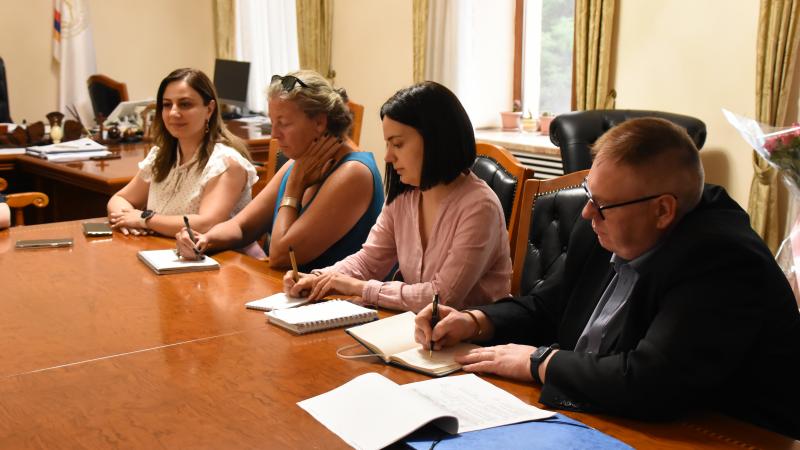
Zhanna Harutyunyan, National Consultant on Rehabilitation and Assistive Technology at WHO Country Office in Armenia, introduced foreign partners - Kirsten (Kiki) Lentz, a Senior Technical Advisor for Rehabilitation Programming at USAID, and Dr. Kohl Morgan, responsible for rehabilitation services and inclusion in the WHO European Region.
The latter presented the purpose of the visit and the action plan aimed at addressing the basic needs in rehabilitation, expanding and integrating rehabilitation services into the national health and social protection systems in Armenia.
Dr. Morgan confessed that with its professional potential ASPU is of great interest. The expert is sure that with the support of USAID representatives, the "Recovery 2030" which focuses on the fundamental needs in rehabilitation will be put into practice.
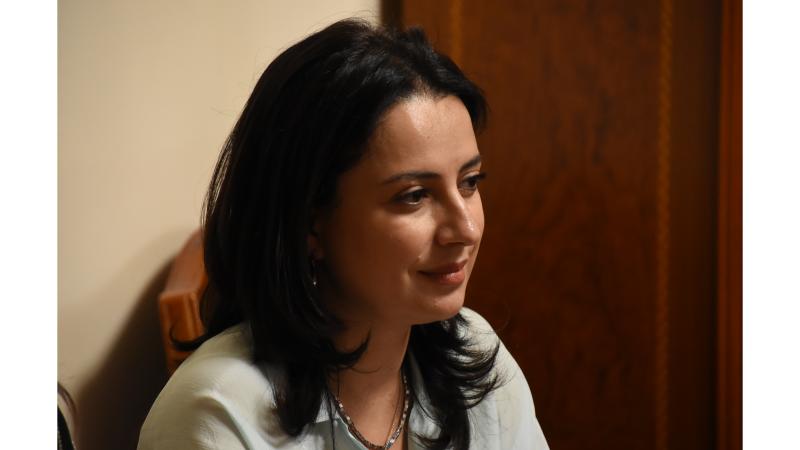
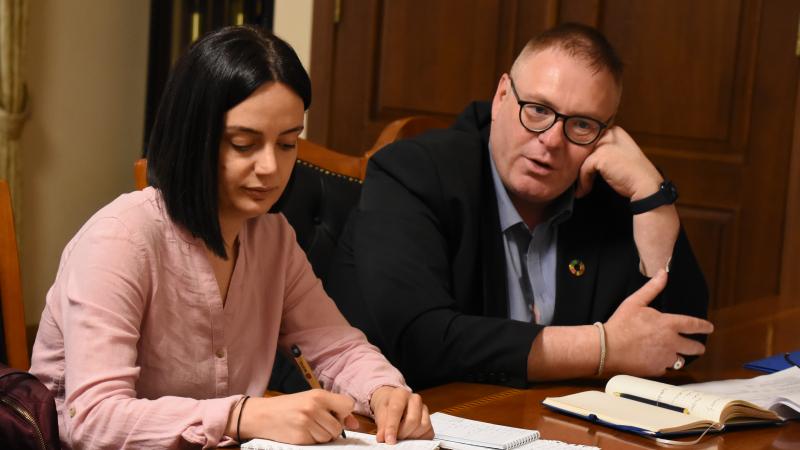
In reply to Dr. Morgan's question regarding the challenges and problems that should be the centre of the RA government's attention in the near future, Marianna Harutyunyan pointed out the funding for research, flexibility in the choice of subjects taught in universities, increase in the number of hours of practical work, etc.
The speeches were followed by a discussion, with Kiki Lentz inquiring about cooperation between universities over the problems and challenges in the field, work with the RA Government, transition to inclusive education, awareness campaigns, work with families of children with special needs, methods and trainings of specialists.
Marianna Harutyunyan spoke about the gaps in the sphere and the submitted projects, stressing that although they are not often considered, they are actively submitted in various discussions and workshops to raise the problems and issues in the field.
The meeting was also attended by Gohar Hovyan, Dean of the Faculty of Special and Inclusive Education, and Ruzanna Petrosyan, Dean of the Faculty of Education Psychology and Sociology, who presented their observations on the education sector reforms, evaluation standards and procedure and the existing gaps.
Let us add that a three-day workshop started in Yerevan on June 12, which aims to develop a strategy for the development of rehabilitation and AT sectors for the next seven years.
The group will continue to work intensively to further strengthen the country’s rehabilitation and AT sectors and develop a national strategic action plan to present to the RA Government.