- Հայ
- Рус
- Eng
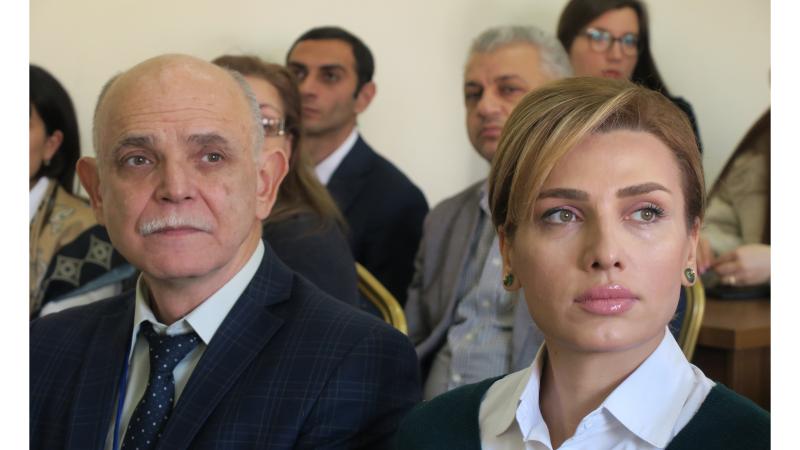
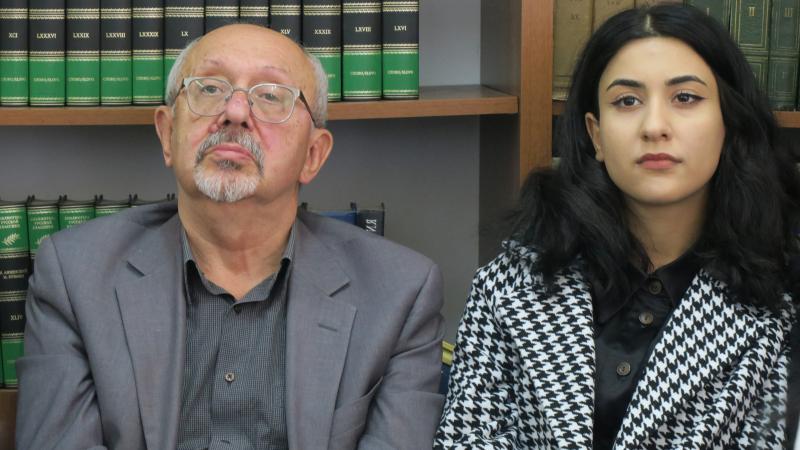
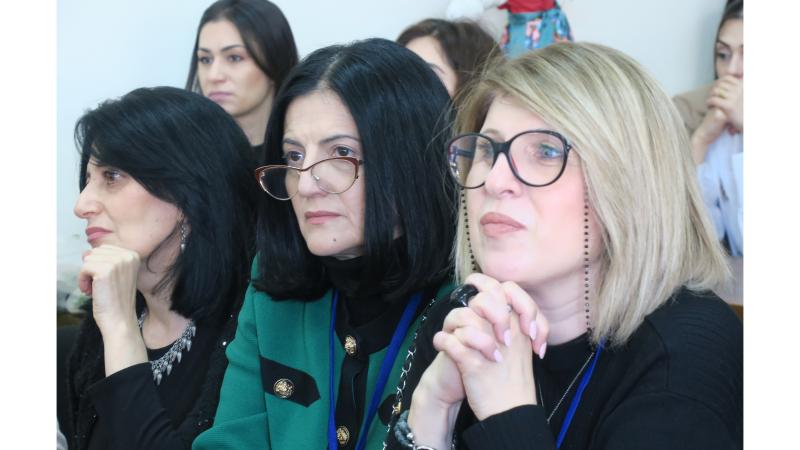
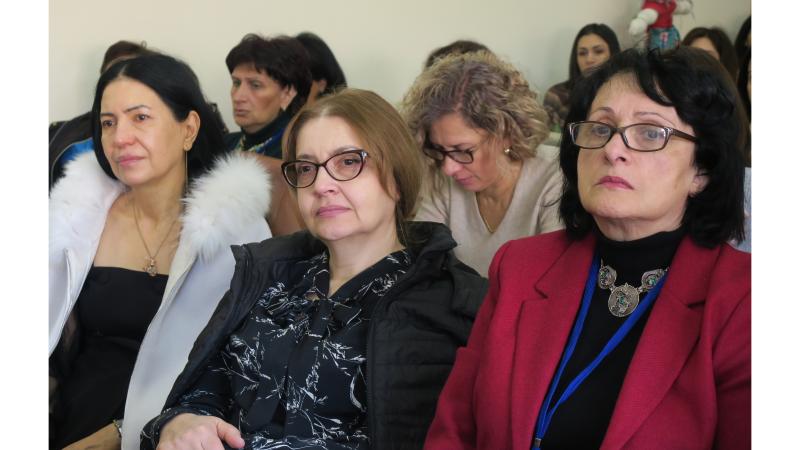
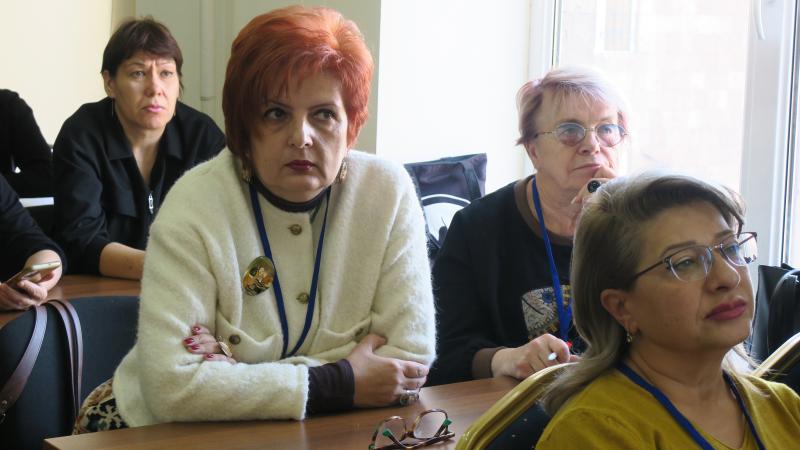
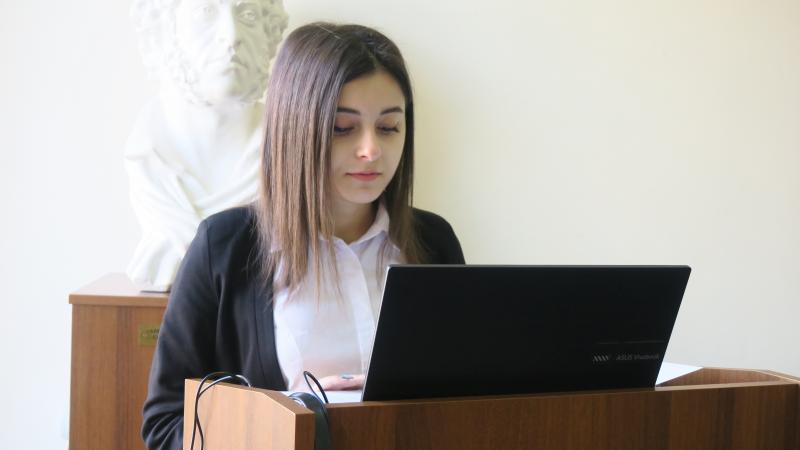
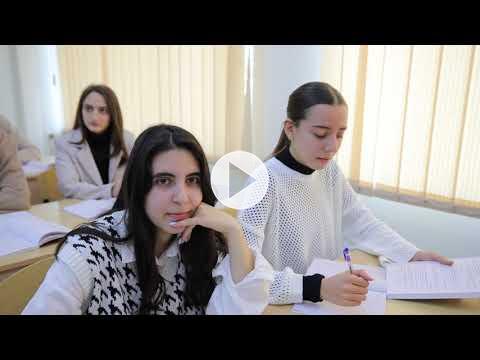
The 4th international conference entitled "Current Problems of Teaching Russian [as a Foreign Language] and Linguistics” was held at Armenian State Pedagogical University (ASPU) on December 11.
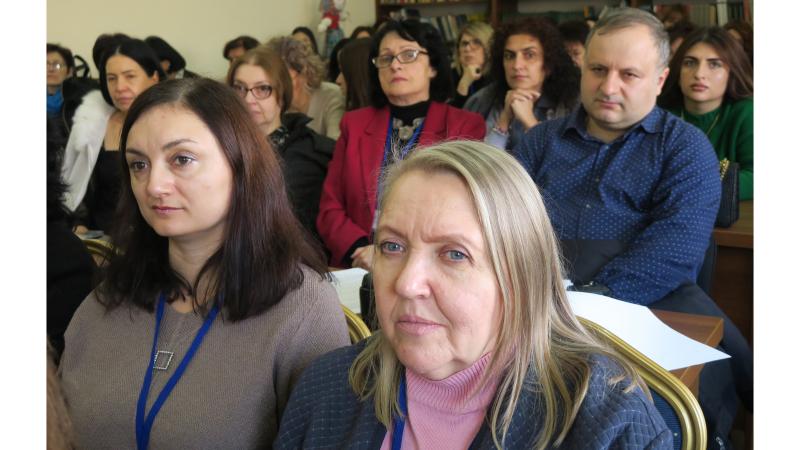
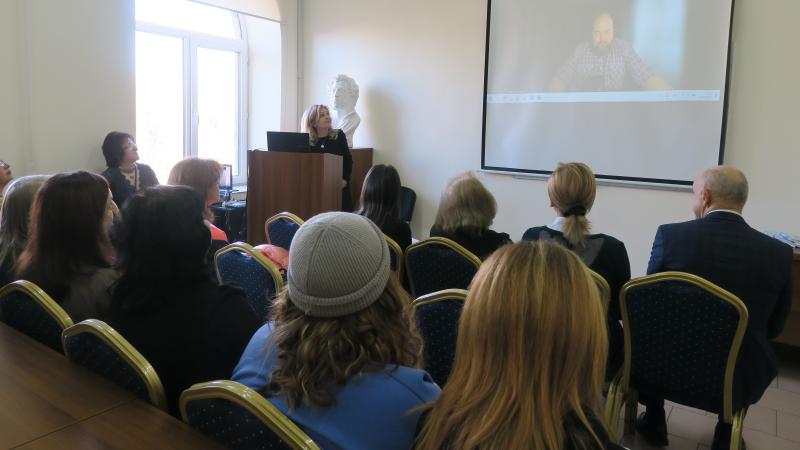
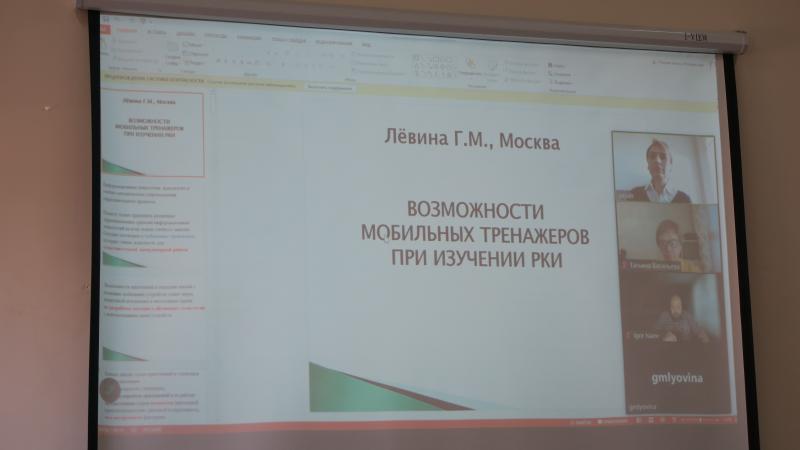
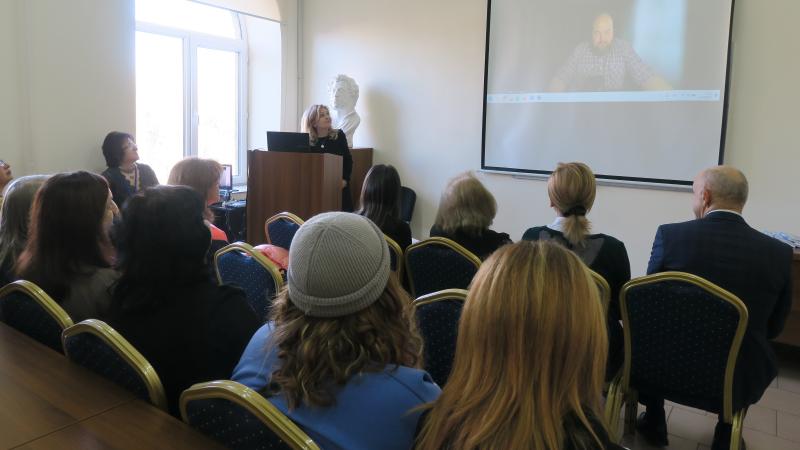
The conference held at the initiative of the Chair of Russian Language and its Teaching Methods took place in a mixed mode; it brought together representatives, educators and students of leading educational institutions from Armenia and Russia, including Moscow City University, Moscow State Linguistic University, Moscow State Technological University and Stavropol State Pedagogical Institute (SSPI).
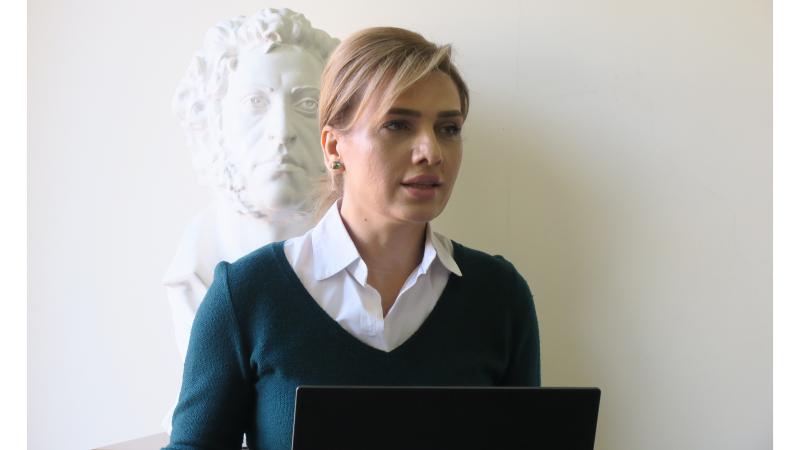
Welcoming the participants of the conference, ASPU Vice-Rector for Education and Science Mariam Ispiryan said ASPU has been and remains open to international cooperation in the fields of science, culture and education.
She stressed that they attach importance to and value the experience with both local and foreign partners. She is sure that only thanks to united and coordinated work can they reach new heights in higher education. "There is a tendency in the educational community to understand the current issues in linguistics and teaching methods. The solutions to the challenges faced by the modern society and the educational system are also conditioned by them,” the ASPU official said emphasizing the presence of the SSPI delegation at the conference.
Naira Dalyan, Head of the Chair of Russian Language and its Teaching Methods at ASPU, expressed hope that the annual discussions of scientific issues and professional dialogue will allow solving the existing problems and having new achievements in the field. The professor says global processes are underway in all spheres of modern society, which in turn interact with education, science, and culture. She says the university is a primary link in that process, and the current transformations are determined by that fact.
Naira Dalyan says only the knowledge of the subject is not enough to provide development of modern pedagogical science; a number of skills are needed, which will help improve the quality of pedagogical activity.
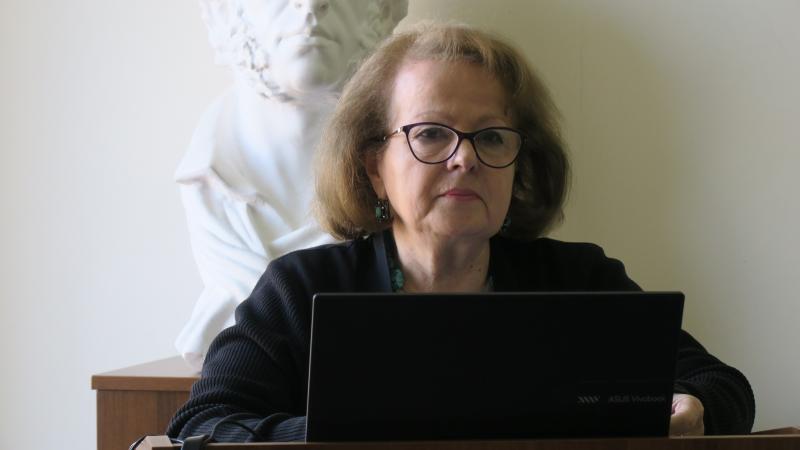
During the meeting, Lilia Balasanyan, President of the Armenian Association of Russian Language Teachers, Associate Professor at ASPU, conveyed to the participants message of Vadim Fefilov, Head of the Russian House in Yerevan.
The message presented the large-scale activities of the structure aimed at the popularization and promotion of the Russian language, the important role of Russian in Armenia, the history of Russian language teaching methods in Armenia, and the importance of partnership with ASPU.
“Like other languages, Russian needs not only to be promoted, but also "protected". Only thanks to teachers of the Russian language will it be possible to teach Russian language and literature to Armenian students. Whether they will love Russian the way you do depends on you. Only you can preserve the Russian language in your multi-talented country," the message read in part.
Lilia Balasanyan also presented the activity of the structure she heads and spoke about the problems encountered during the teaching of Russian as a foreign language, considering the current slowdown of modern linguistics as unacceptable. She thinks it is time to talk about teachers’ skills, rather than about knowledge.
"Given the process of integration of societies in the world, the active perception of cultures and traditions of different peoples is becoming relevant. Acquaintance with any new culture starts with knowledge of the language. The Russian language is a key component of Russian culture, and the study of that language is an important part of knowing Russia,” Vahram Karapetyan, Director of the Moscow Cultural and Business Center "Moscow House" in Yerevan, said hailing the idea of the conference.
He added that overcoming the existing challenges through the methods of teaching Russian as a foreign language largely depends on curricula, professional qualities of educators and teaching methods.
Vahram Karapetyan expressed hope that the participants of the conference will have a certain contribution to the solution of modern scientific problems, and the professional opinions of both Armenian and foreign Russian scientists will play a decisive role for overcoming the existing challenges.
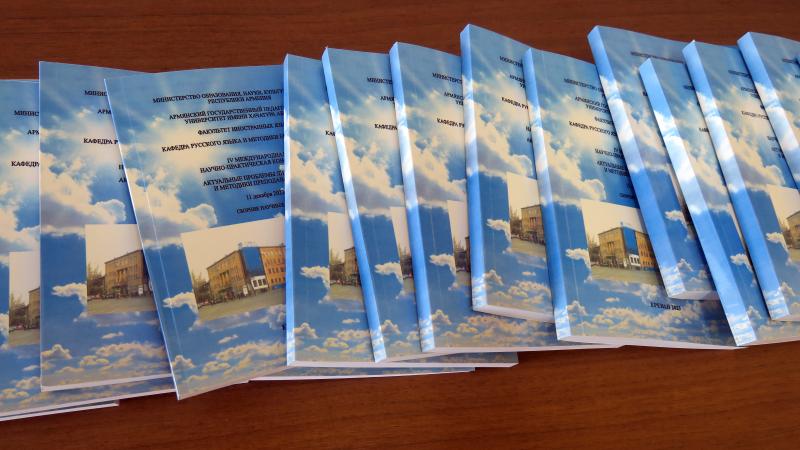
During the conference, the participants were also introduced to the collection entitled "Current Problems of Teaching Russian [as a Foreign Language] and Linguistics.”
In their reports, the participants focused on some peculiarities of teaching Russian in an English-language classroom, psychological barriers to intercultural communication in the modern world, self-education of a person and educational technologies, and other issues.
The speeches were followed by a heated discussion and a Q&A session.