- Հայ
- Рус
- Eng
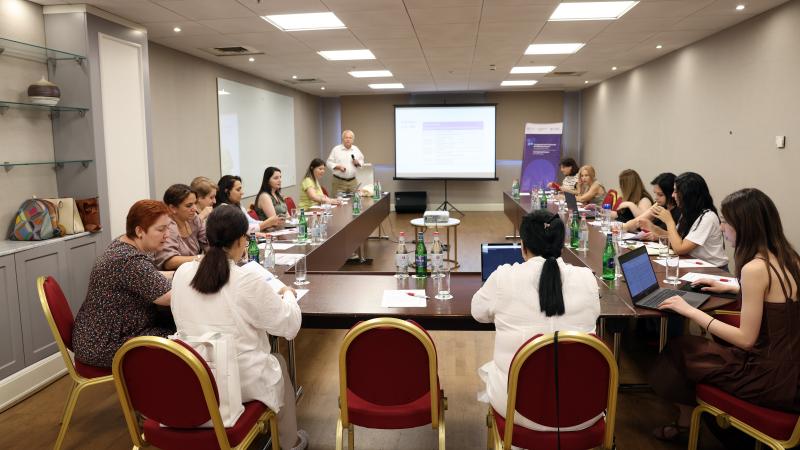
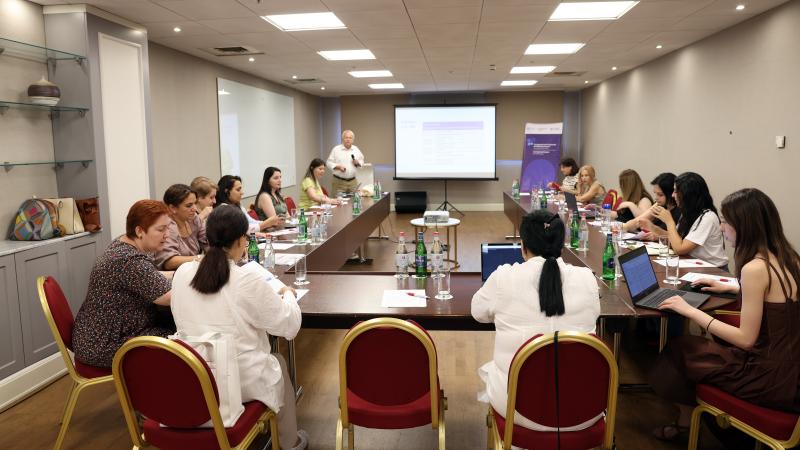
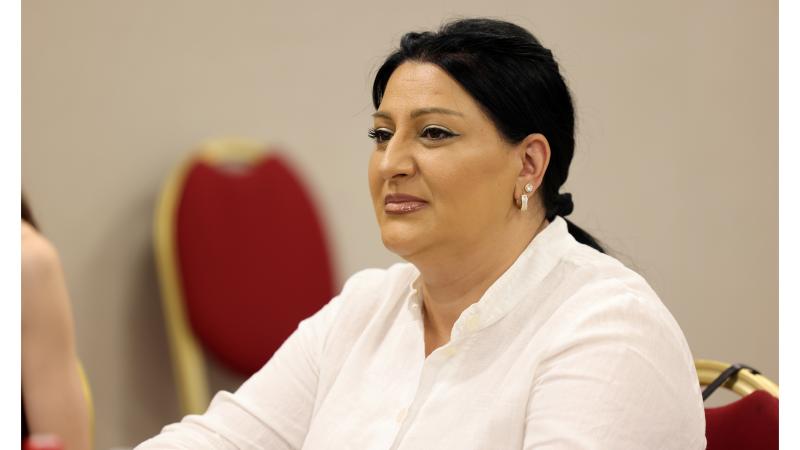
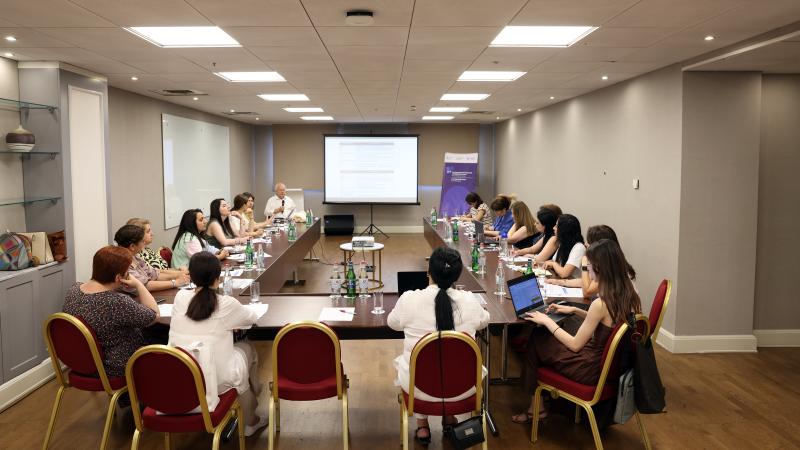
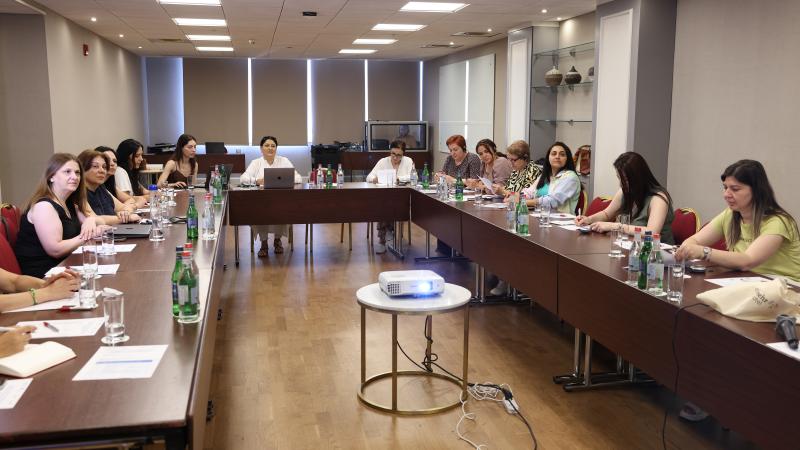
The 6th training course entitled "Disability and Toolkit" and organized within the framework of the project "Applying Learning Health System" (LHS) Approach in Rehabilitation to Promote Healthy Aging” was held in Yerevan on July 15-16.
The two-day course was held as part of the educational program "Promoting Healthy Aging through Rehabilitation by Using Learning Health System" and was organized by Armenian State Pedagogical University (ASPU) and the University of Lucerne (UNILU), Switzerland.
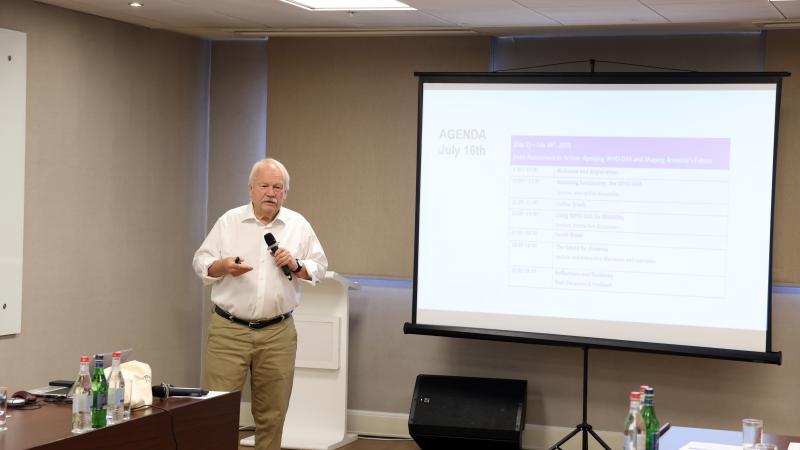
The course was conducted by Dr. Jerome Bickenbach, a visiting professor at the University of Lucerne (Department of Health Sciences and Health Policy, University of Lucerne) and Professor Emeritus at Queen's University, Canada, who also has academic background in philosophy and law. He is also a consultant with various institutions and organizations, including the World Health Organization (WHO).
Today, many countries are switching to more scientifically-based methods for assessing disability. The participants were introduced to a functional approach to assessing disability, which is more justified from scientific and human rights perspective.
Also, reference was made to the situation in Armenia, functionality and disability, as well as facilities serving people with Developmental Disabilities (FDD). Lectures focused on functional revolution in disability assessment.
On the second day, the discussions focused on functionality assessment, WHODAS (Disability Assessment Schedule) and its application and "The Future of Armenia."
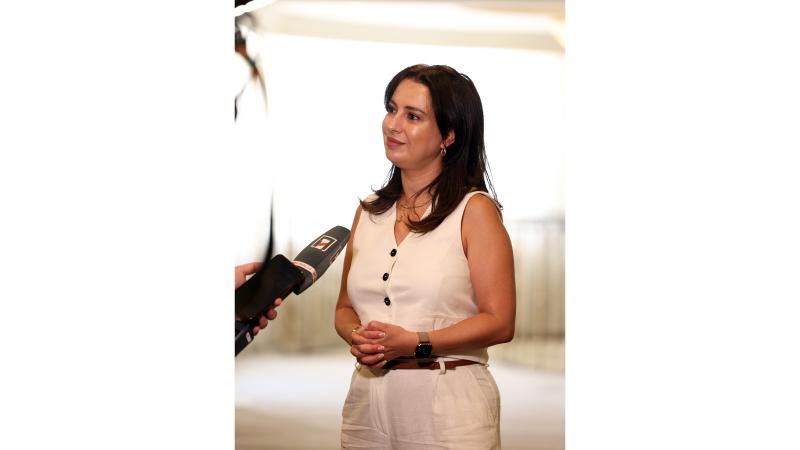
Marianna Harutyunyan, Vice-Rector for HR Management and International Cooperation at ASPU, presented the objective of the two-year project which started under the leadership of UNILU, ASPU, and the World Health Organization (WHO), with the aim to equip rehabilitation sector representatives in Armenia with theoretical and practical knowledge. “The program will fill the gap that exists in the numerous reforms underway in the area today. Armenian State Pedagogical University and the University of Lucerne are implementing the educational and research component, that’s training specialists and conducting research, discussions and interviews to understand the main gaps in the field, which are perhaps identified but poorly covered. We seem to be succeeding in our efforts and moving forward step by step," she said.
She emphasized the importance of the program for pedagogical education: Armenia is switching to a universal inclusive education system, and schools are accessible to all children, regardless of their abilities and educational needs. From that perspective, the program is of paramount importance as ASPU is the only HEI in the country that offers education for organizing an inclusive educational environment for people with special educational needs. To do this, ASPU is re-equipping its employees with new knowledge, reviewing and changing educational programs, optimizing and adapting them to today’s reality.
In Armenia, the rehabilitation sector seems to be divided into three departments: healthcare, social, and educational. Education has taken on the responsibility of supporting children with special educational needs, and social services – the responsibility of facilitating the lives of people with disabilities, and healthcare associates the rehabilitation sector with purely health and well-being measures, which involve various treatments and interventions.
The ASPU vice-rector says it is very important that these three components are integrated, and specialists representing those three components learn together and distinguish each other's role in the rehabilitation sector.
Here again, the role of the educational component is important, and the goal of the two universities in question is to arm specialists in all the three fields with new knowledge.
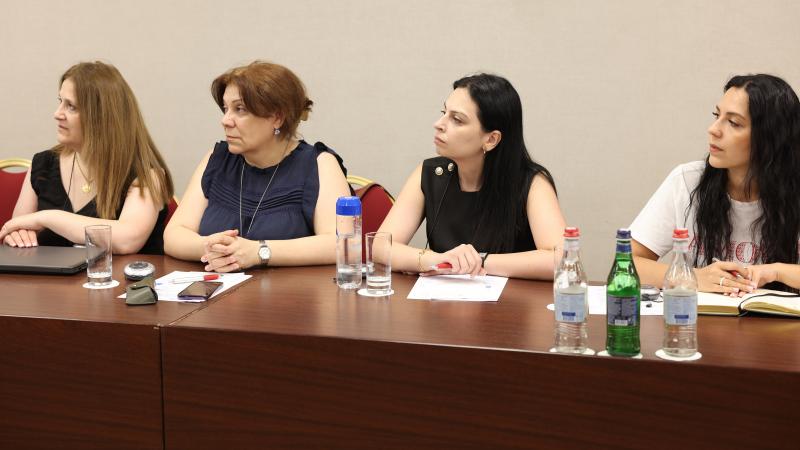
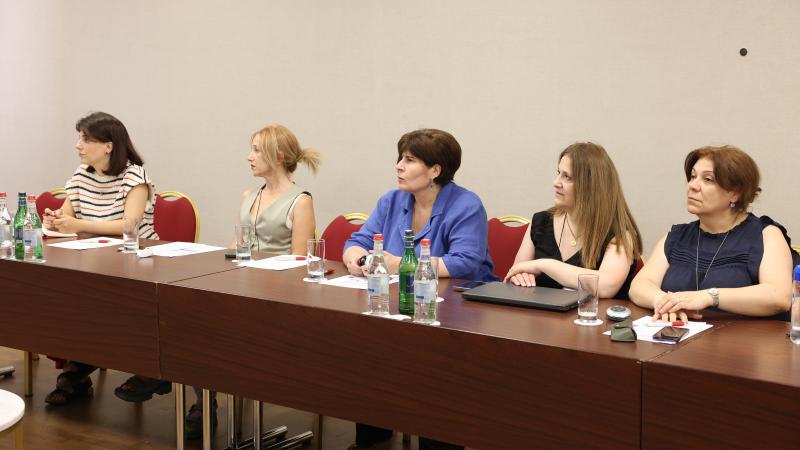
The two-day training course brought together different specialists if the sphere. The participants were introduced to various teaching methods and formats, including interactive lectures, case study analyses, group discussions, and practical exercises.