- Հայ
- Рус
- Eng
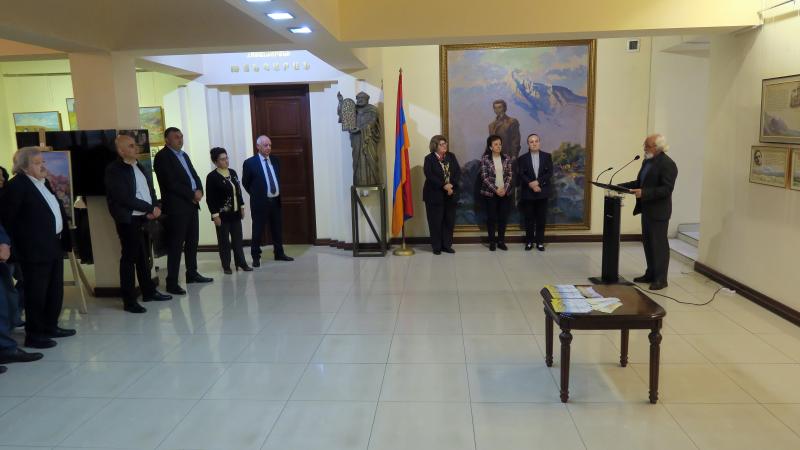
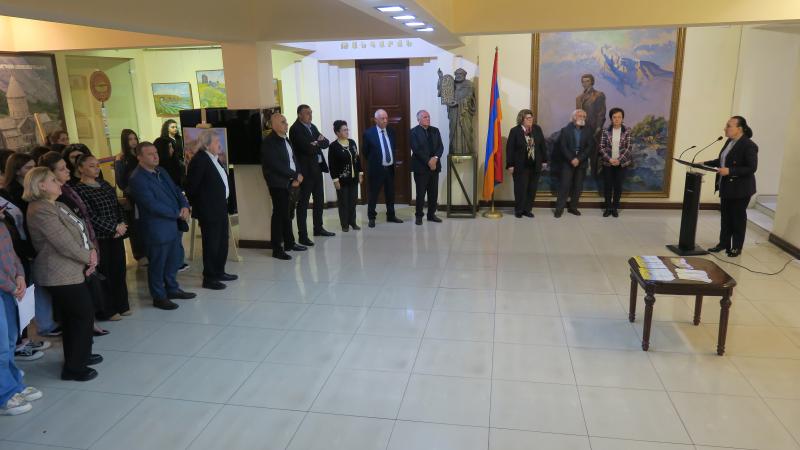
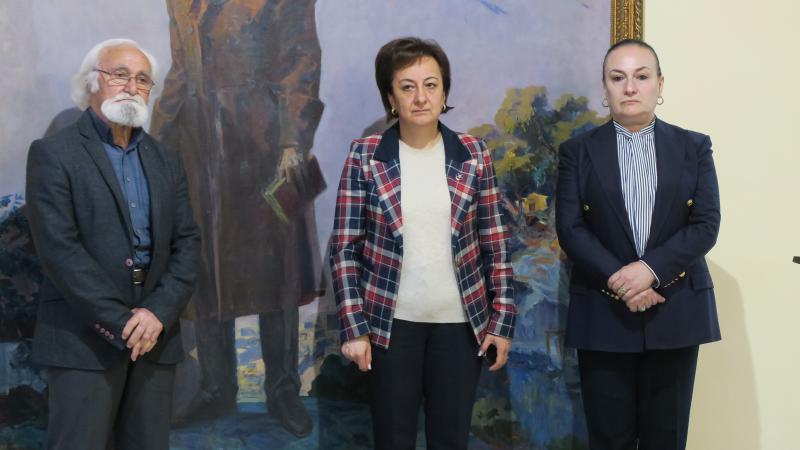
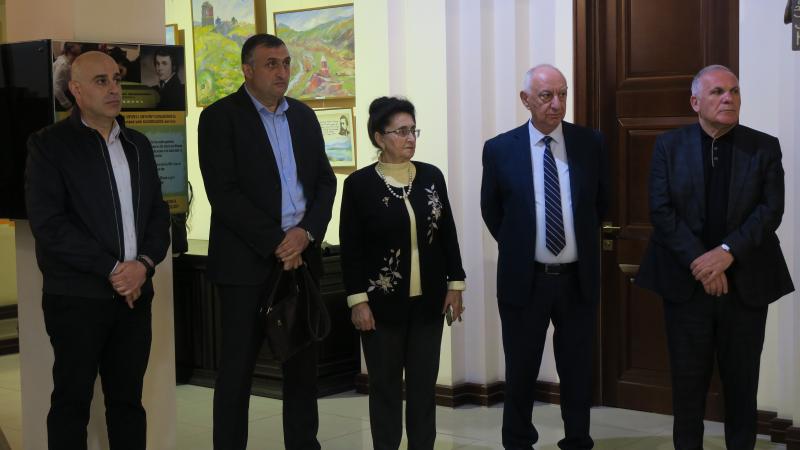
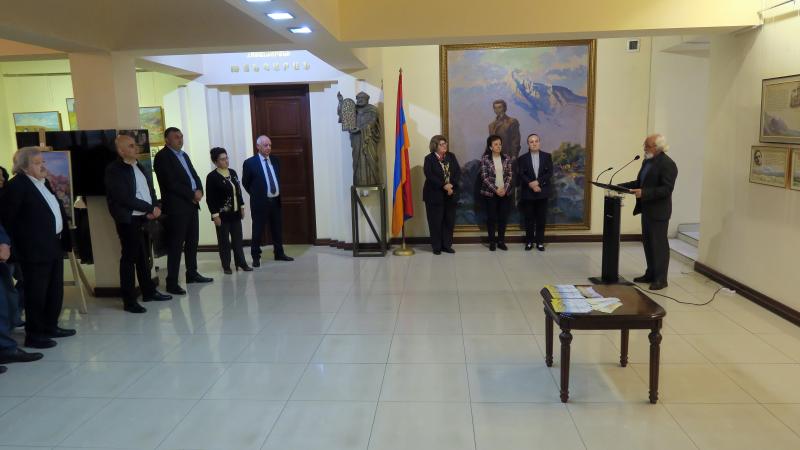
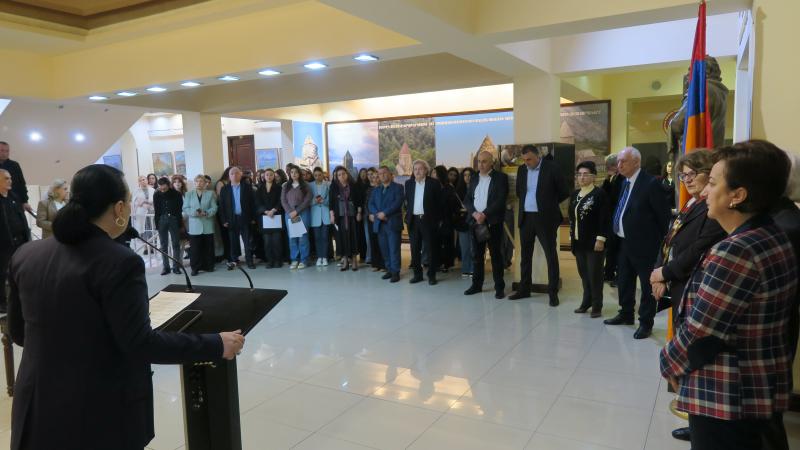
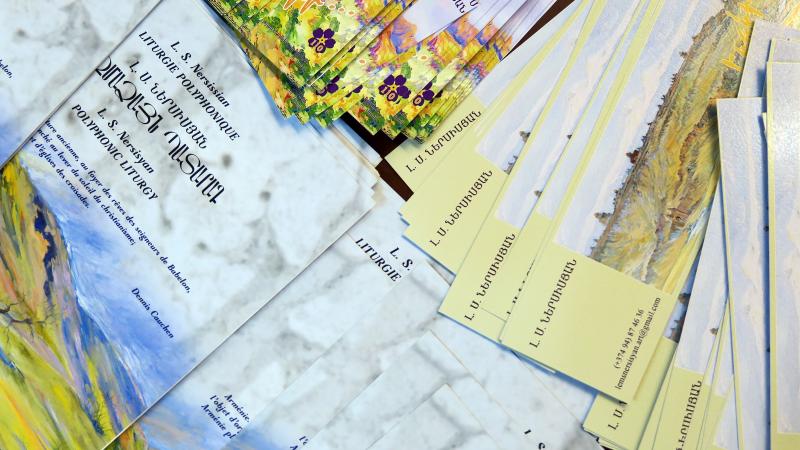
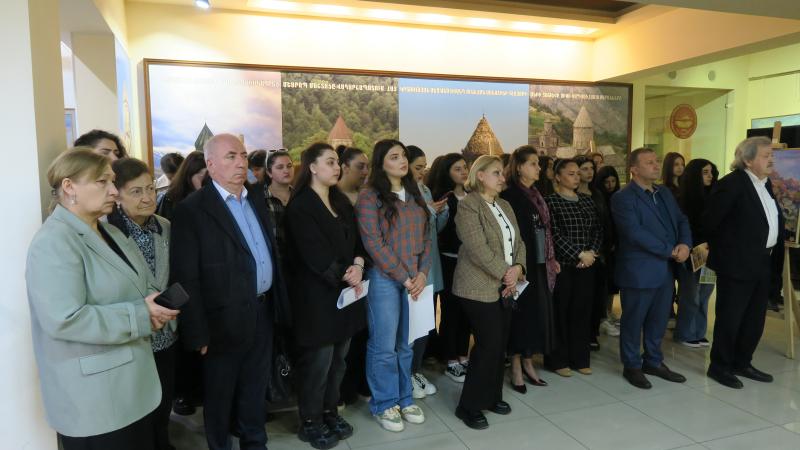
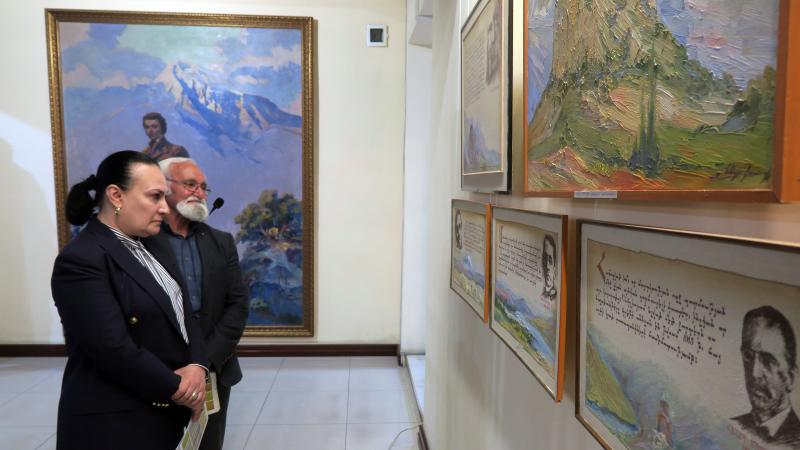
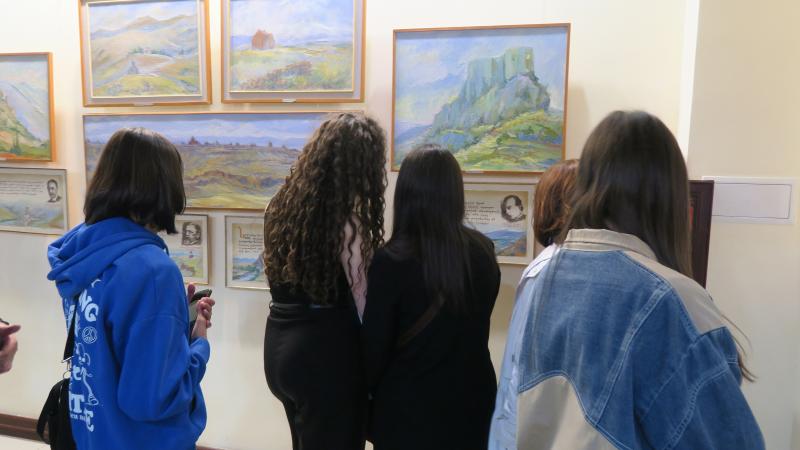
An exhibition by Professor Lems Nersisyan dedicated to the 110th anniversary of the Armenian Genocide opened at Armenian State Pedagogical University (ASPU) on April 25.
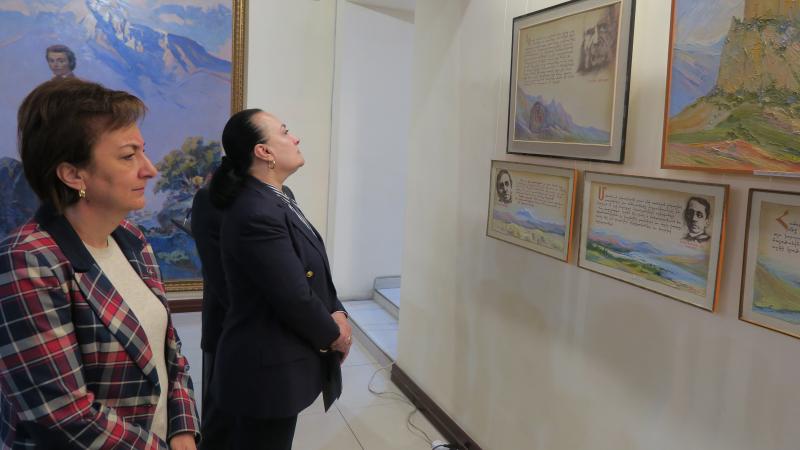
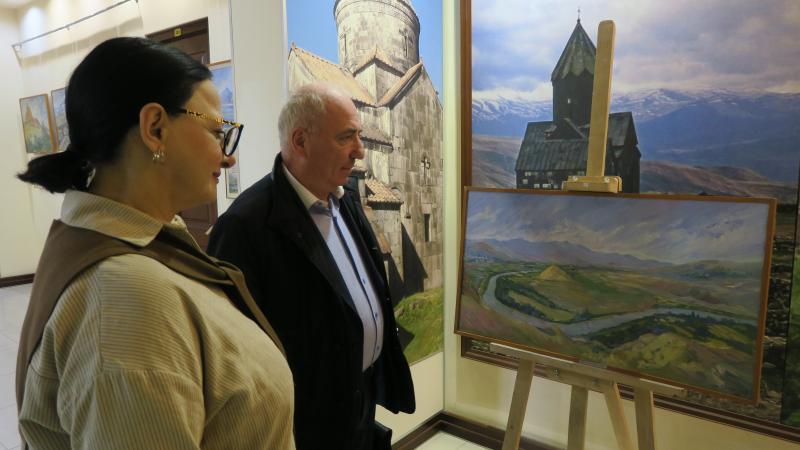
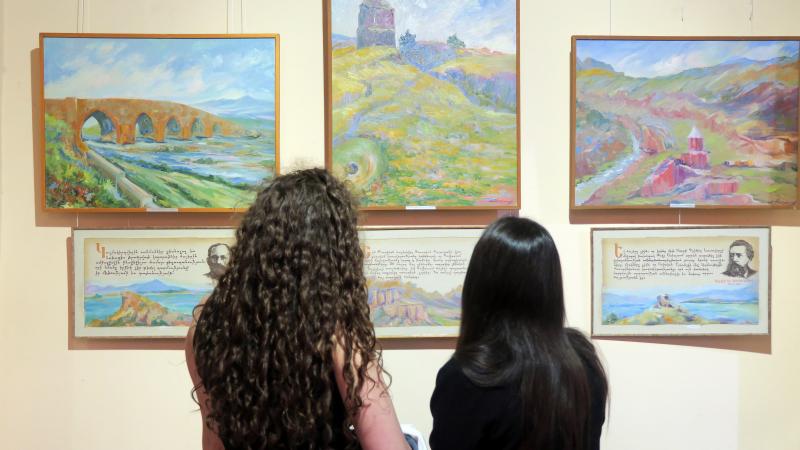
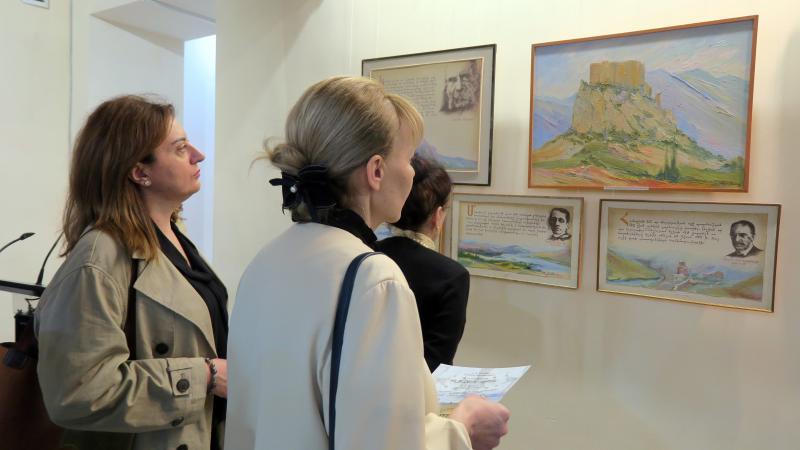
The exhibition entitled “Էրգիր” (“Ergir” symbolizing the national ‘homeland’ i.e., Western Armenia, which now in eastern Turkey) features artworks by the ASPU professor ranging from Ani to Cilicia, beautiful landscapes of Western Armenia, flower fields, waterfalls, rivers, and ancient bridges, along with the reactions, assessments and opinions of prominent foreign public, political, and cultural figures about the Armenian Genocide.
The painter has twice been to Western Armenia. Since 2007, the Armenian artist and impressionist has been working and creating etudes, 32 of which are now displayed at the exhibition. As Professor Nersisyan says, the paintings, unlike his other works, have a different colour scheme: they have the influence of crime-ridden areas, darkness and sadness.
The professor says historical facts are much mor important in the exhibition than fine arts. Culture has a loud voice: we should be able to talk about the crime of the 20th century through culture.
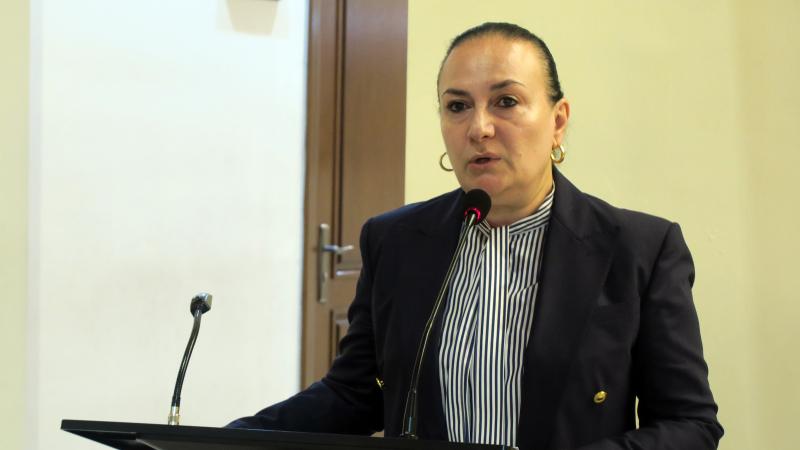
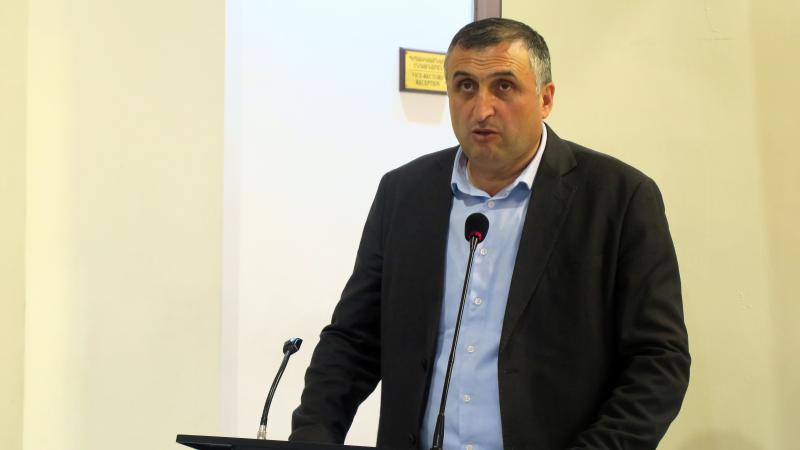
Welcoming the initiative, ASPU Rector Srbuhi Gevorgyan spoke about the Armenian Genocide and the importance of constantly talking about it as a crime, a crime of the 20th century. She also spoke about the legal and historical aspects of the crime.
In that context, Srbuhi Gevorgyan emphasized ASPU’s mission and the importance of presenting history to generations in an accurate and trustworthy way. "Art, as a field reflecting cognitive needs, is a unique and eloquent language which is able to express the creator's attitude and share it with generations, instill in them historical memory, substantive interpretations of Armenian identity, and the ability to prove them," she said.
The rector thanked Lems Nersisyan for his efforts and the extensive work he had done and for the exhibition and said that she views it [the exhibition] not only as an opportunity to express the creator's ability and attitude, but also as a way, an opportunity to present the most important historical episodes to young people, to recognize identity.
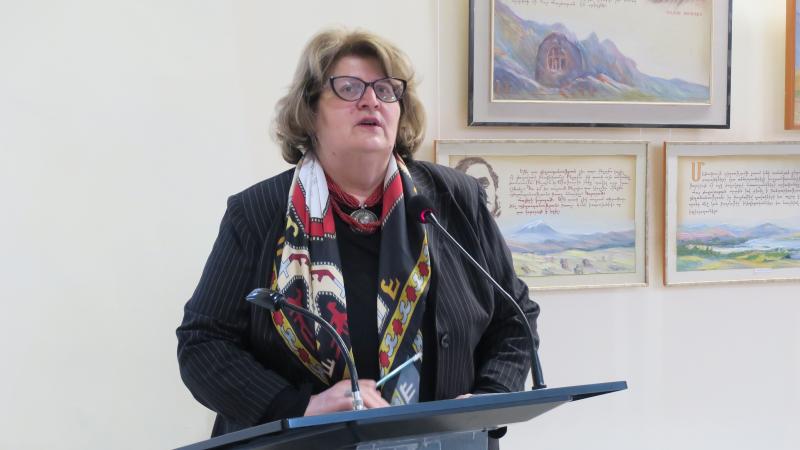
Alvard Grigoryan, Director of the ASPU Museum, also emphasized the importance of the event and voiced hope that in addition to the paintings, the presented viewpoints would also find their reflections in the souls of the attendees: it is important that each and every Armenian remember and never forget the crime committed at the beginning of the previous century.
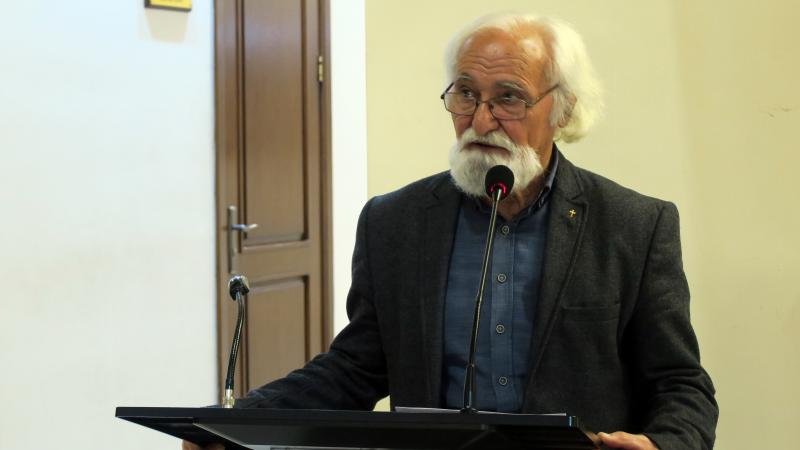
"Works of art are created not only to express pain, but also to plant seeds of revenge, struggle, and guide to rebirth. Culture should be harnessed to heal our pain, bring back what we have lost, and find a fair solution to our Cause," Professor Khachatur Stepanyan, Head of the Chair of World History and Its Teaching Methods at ASPU, said during the exhibition.
He says it symbolic that the anniversary of the Armenian Genocide is also marked with numerous cultural events: the enemy is trying to eliminate us not only physically, but also by destroying our identity, the most important component of which is culture.
The professor notes that historians have done great work; the Armenian Genocide is already a proven historical fact and further efforts are needed not to prove what has been proven, but to strengthen political and diplomatic capital, to fight for just resolution of the Armenian Genocide with more weighty arguments: "We should remember, fight and believe in our struggle," he stressed. He believes that soon we shall see ‘another wedding in the mountains’ (referring to the operation of Shushi liberation) and will enjoy its fruits forever.