- Հայ
- Рус
- Eng
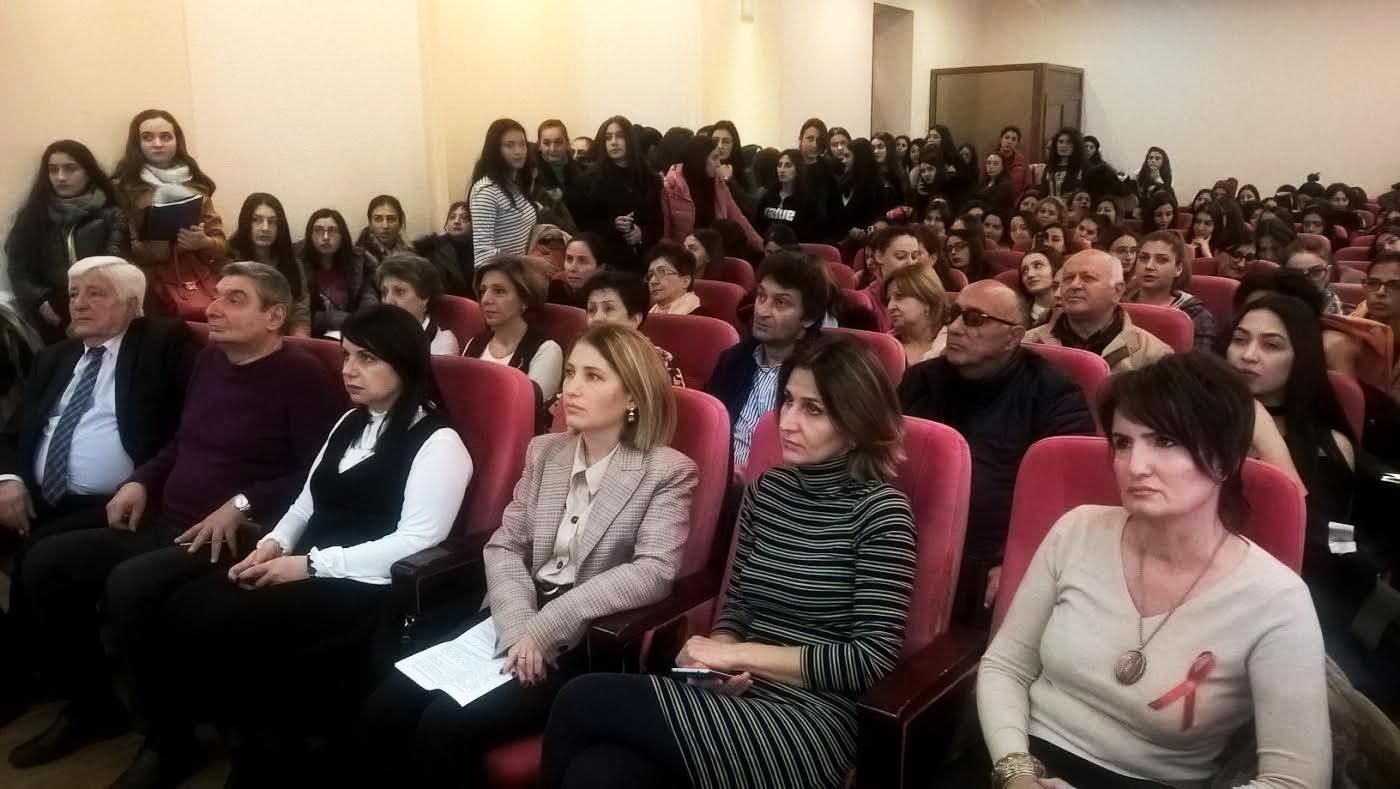
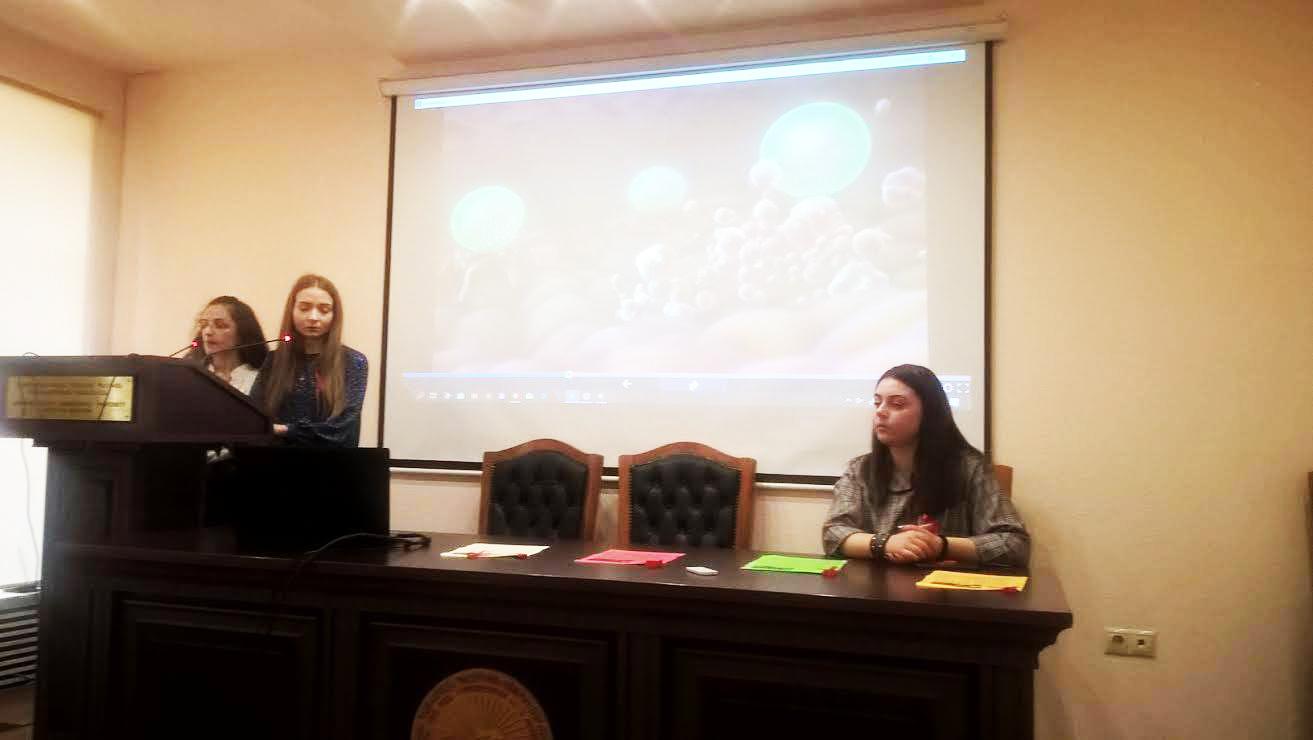
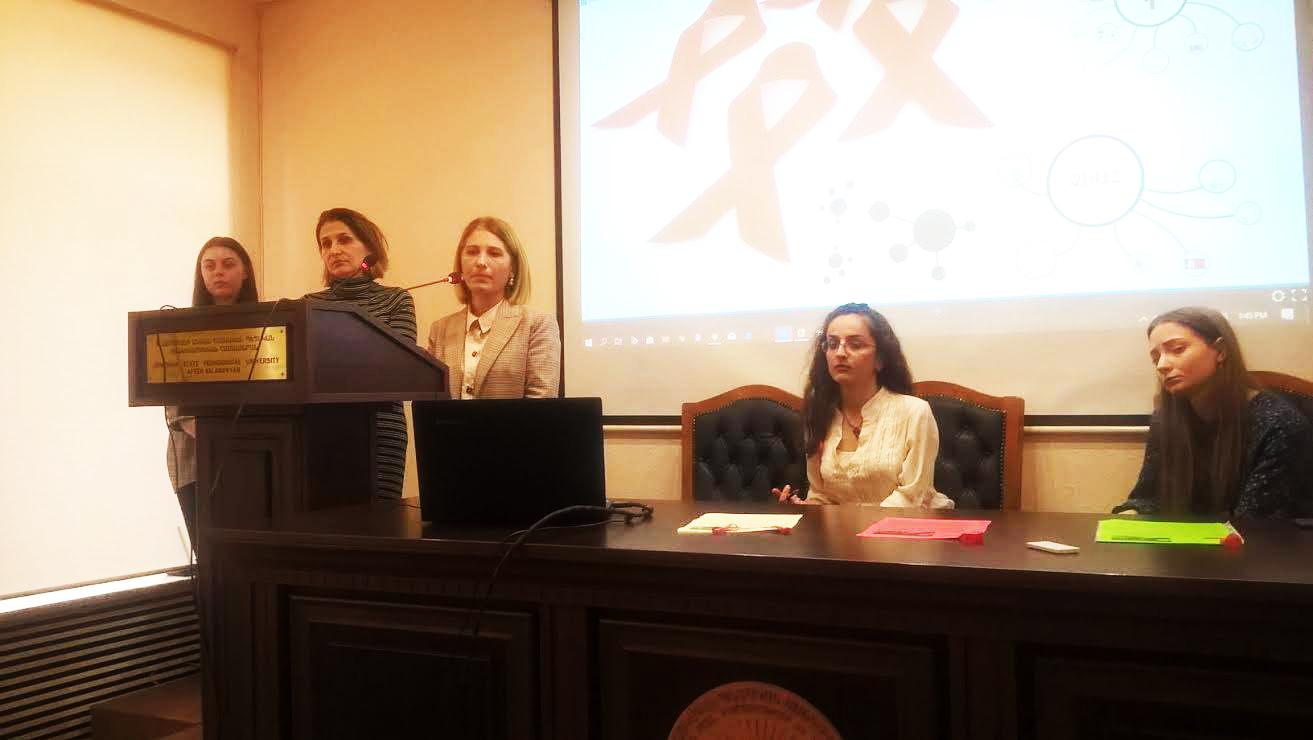
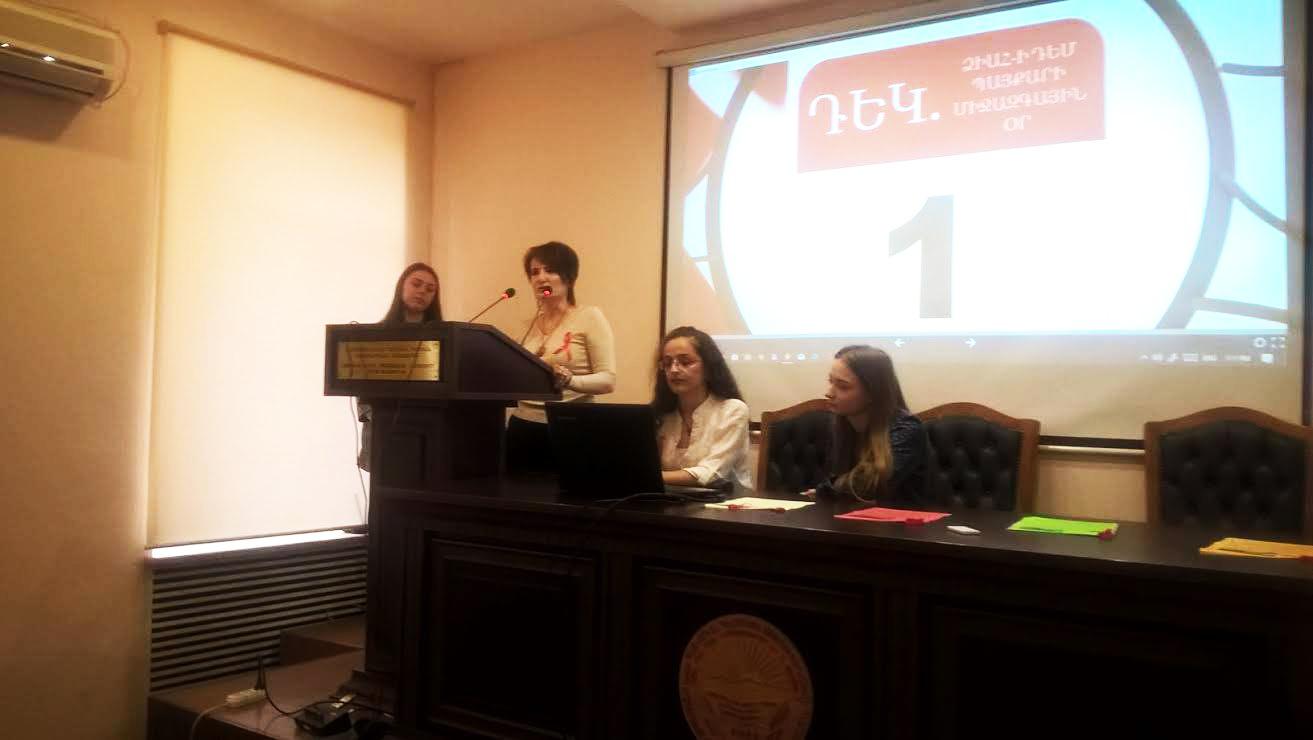
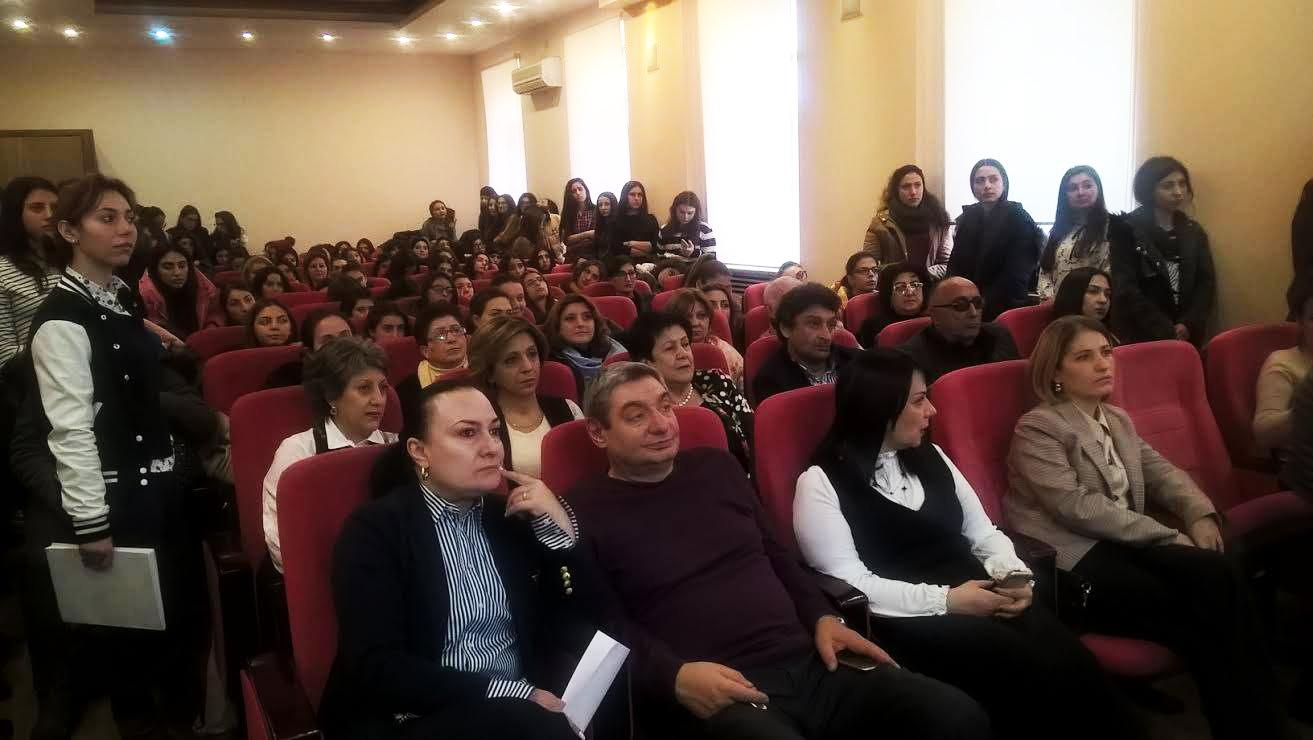
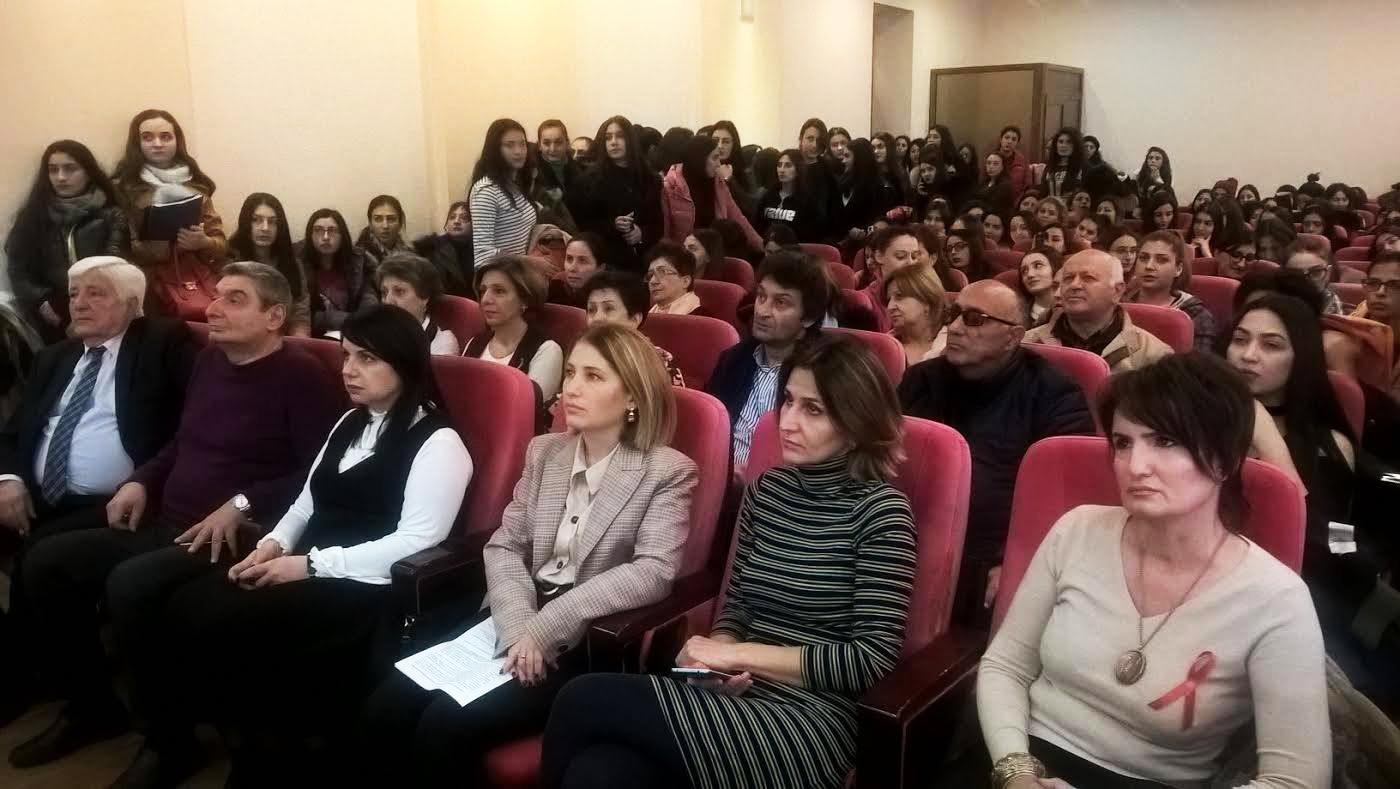
World AIDS Day is observed globally every year on December 1. On the occasion of the day, the Chair of First Aid, Emergencies and Civil Protection organized an event which was attended by representatives of the National Centre for AIDS Prevention.
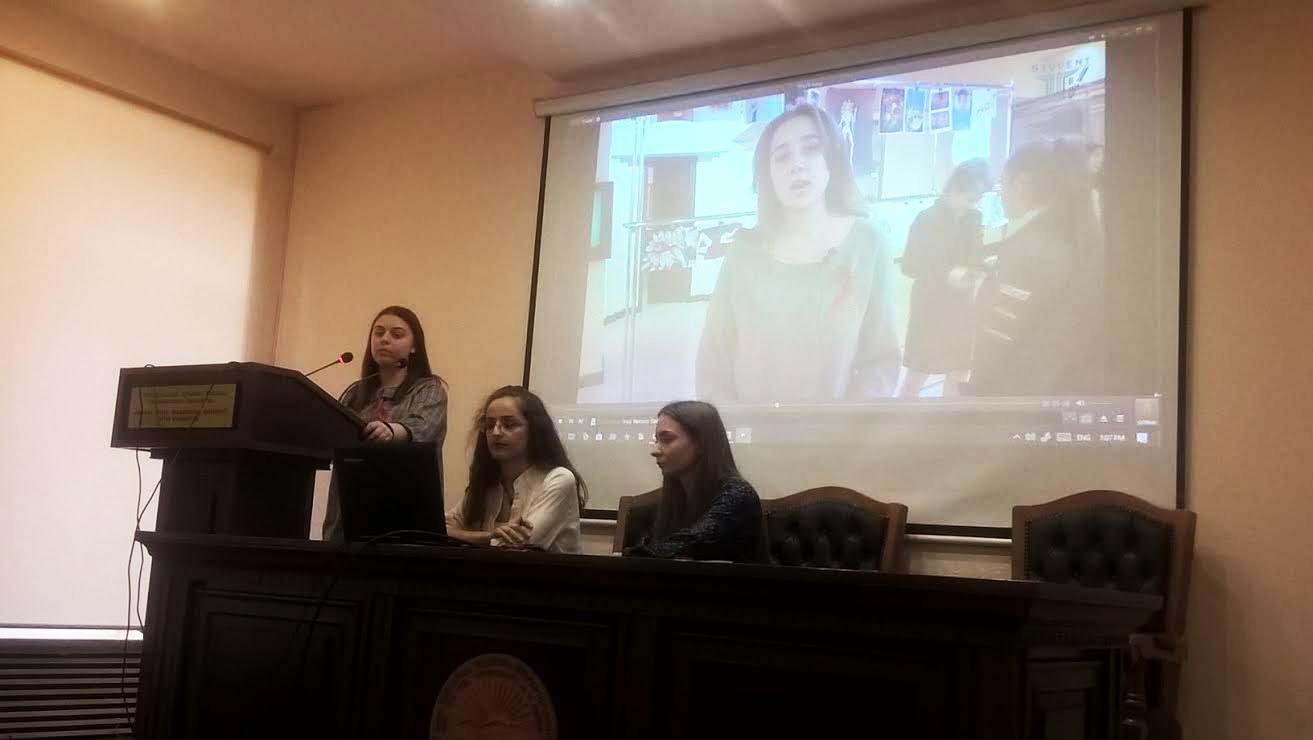
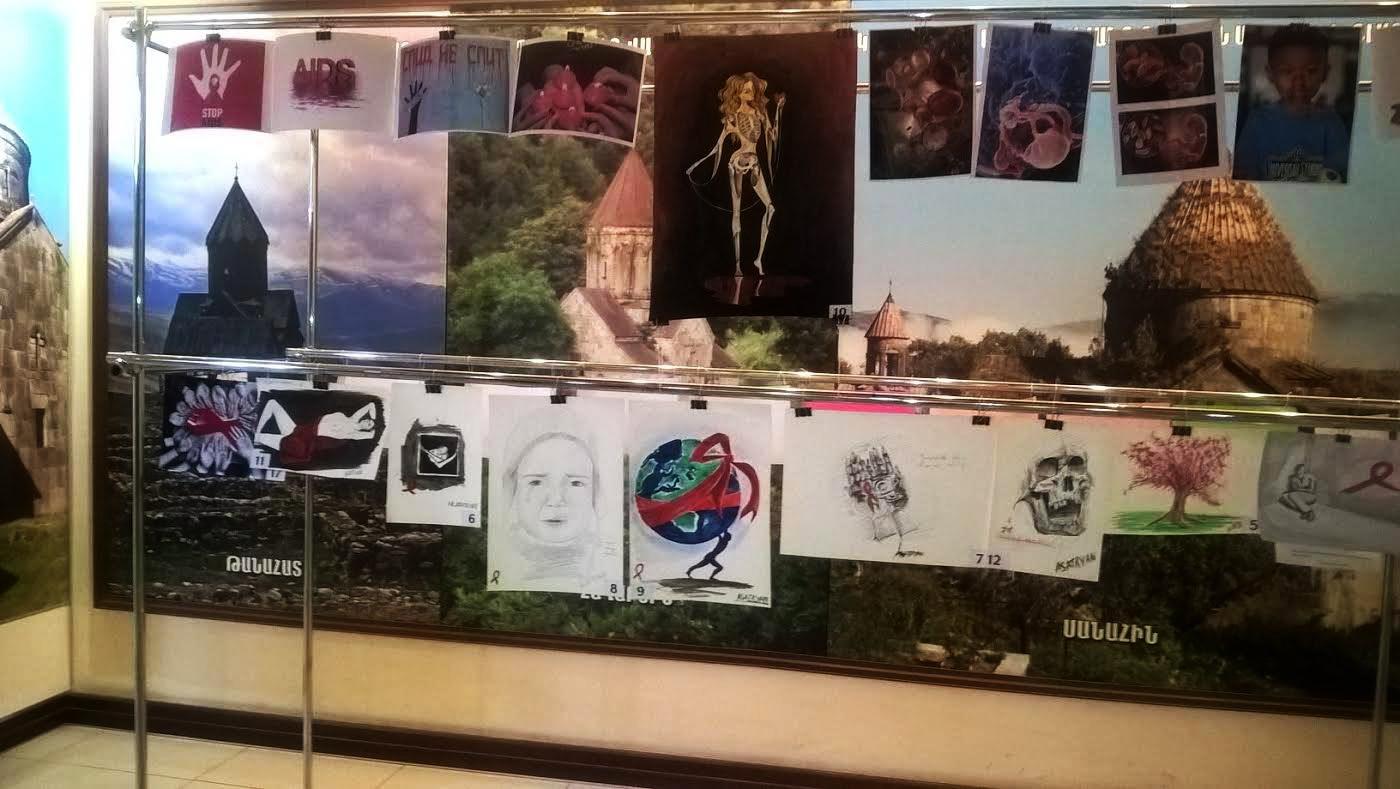
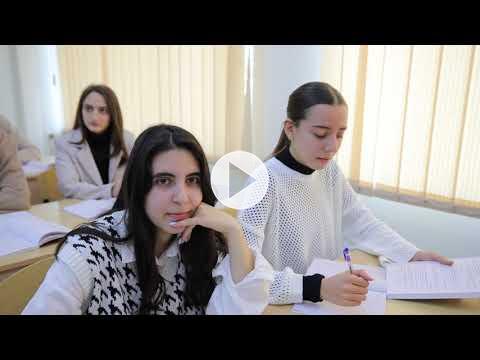
The attendees watched a video made by Student Council’s STUDENT TV. A photo contest and an e-survey had been conducted among students of different faculties in advance. They were asked if a person who looks healthy may have HIV/AIDS. Interestingly, nearly 60% of the surveyed (1251students) gave the correct answer - yes.
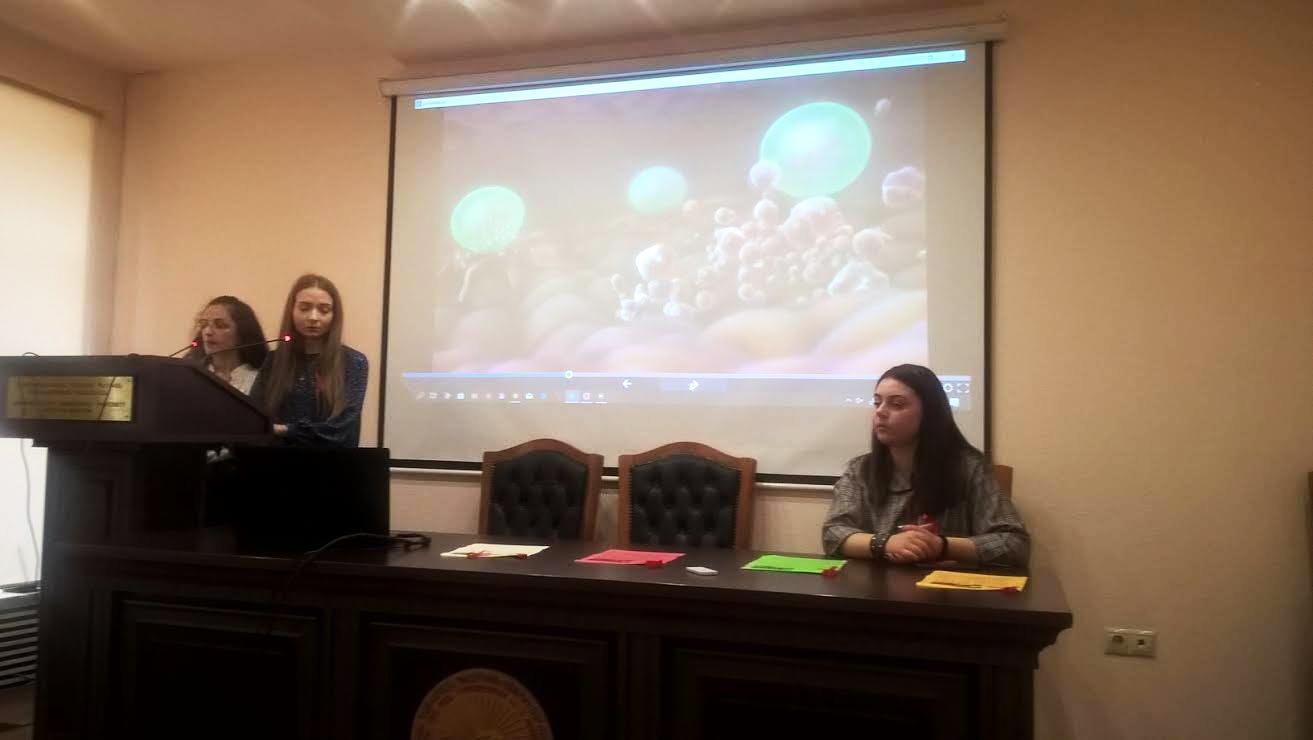
MA students Araksya Lobodic and Tatevik Sayadyan presented [in a video] causes and symptoms of AIDS and the existing versions, the course of HIV infection, cases when it can lead to the development of AIDS, transmission routes and risk groups. They also referred to the effective HIV-prevention strategies and ways to prevent or reduce the risk of HIV infection.
From 1988 to 2019, 3694 HIV cases were registered in Armenia. The maximum number of HIV cases was reported in Yerevan. Shirak marz comes second, followed by Lori, Gegharkunik and Ararat marzes. By the way, HIV prevalence is higher among migrants.
Narine Sahakyan, Head of the Chair of First Aid, Emergencies and Civil Protection, stressed the importance of the topic, the role of the National Centre for AIDS Prevention in the detection and prevention of HIV/AIDS. She also spoke about AIDS and Behavior (a peer-reviewed medical journal) as an important platform covering behavioral aspects of HIV/AIDS research. She emphasized the level of students’ awareness as an important link and advised everyone to be active in disseminating information.
Doctor-statistician Lilit Hovhannisyan and doctor-epidemiologist Heghine Hovakimyan of the National Centre for AIDS Prevention, provided students and lecturers with comprehensive information on the virus and answered their questions.
“Today we all have one goal: that at least 90% of people infected with HIV know their status so that their treatment be within reach. Although the infected patients are not yet cured, the level of virus is lowered in their bodies after taking antiretroviral therapy and they become less dangerous for others,” said Lilit Hovhannisyan.
Heghine Hovakimyan says the drugs directly affect the viruses, and the latter stop developing in blood. “Unfortunately the disease cannot be completely eradicated. As of now, its further development can be prevented, but the virus in its most advanced stage, can cause death,” she said.
At the end of the meeting, Narine Sahakyan thanked the guests and advised students to be active and informed.