- Հայ
- Рус
- Eng
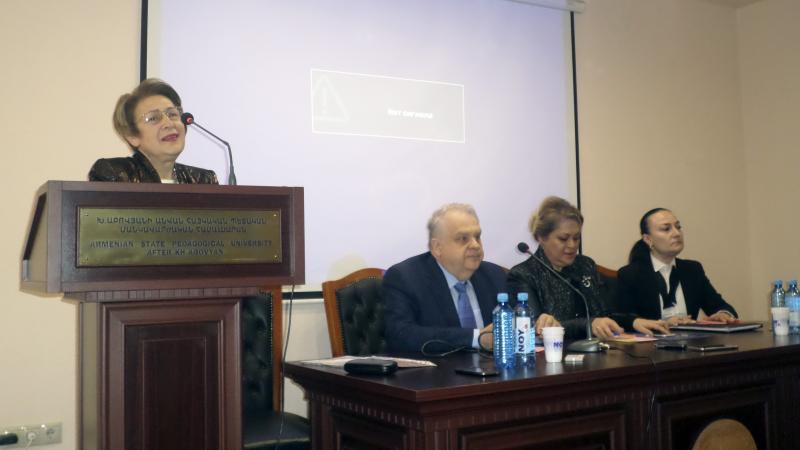
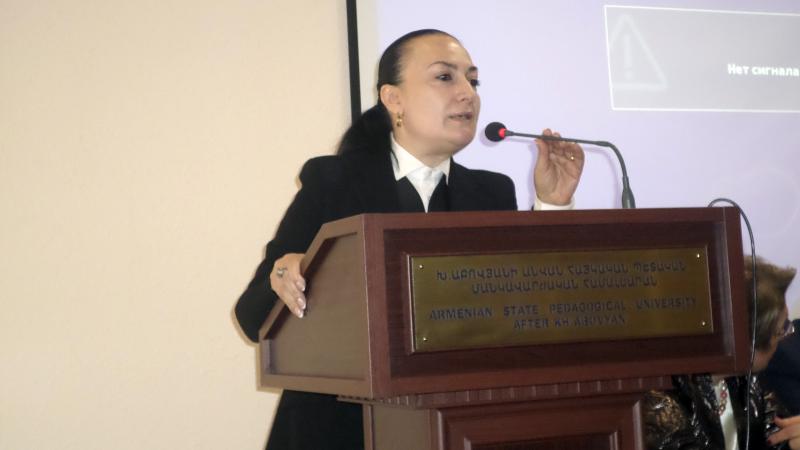
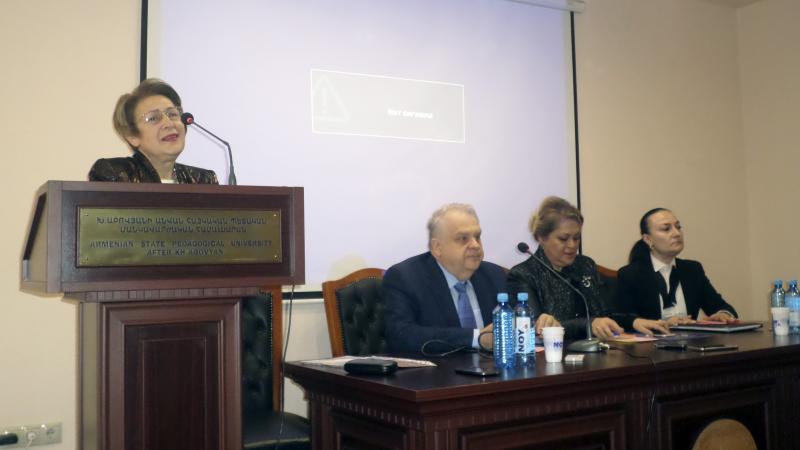
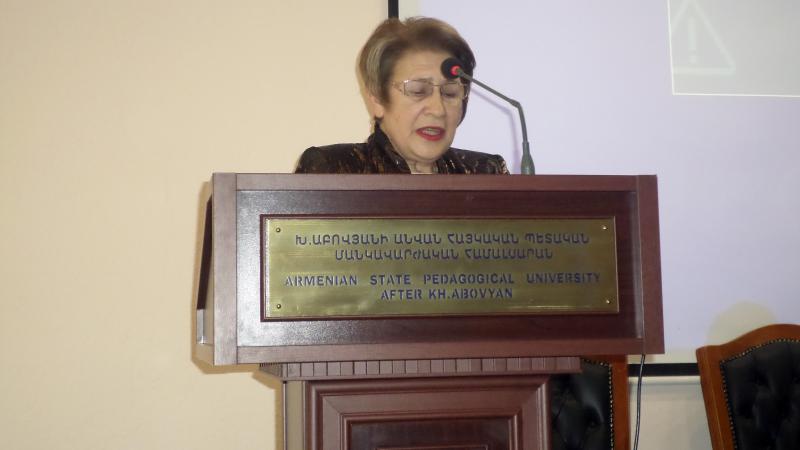
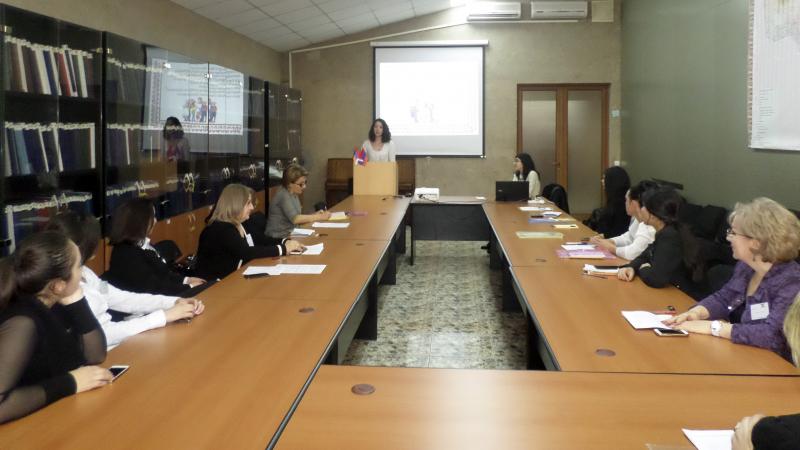
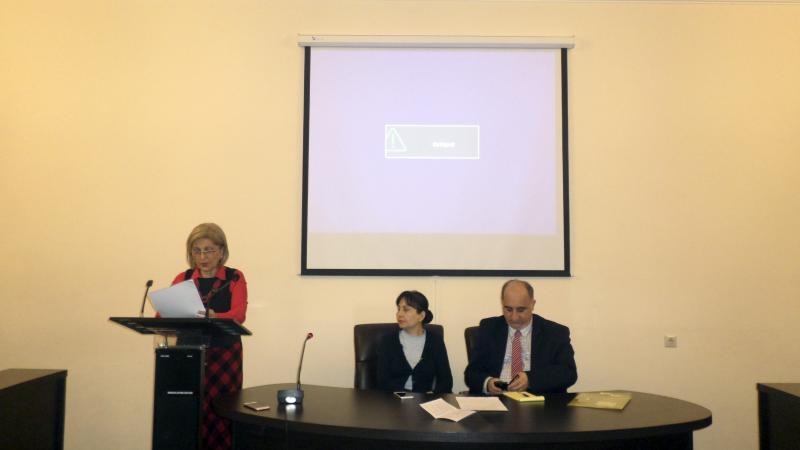
“A number of laboratories and institutions around the world deal with issues related to education of school-age children and safe childhood, but families and schools are the two social institutions which every nation analyzes in its own way, at the same time speaking about globalization and the common learning space,” Professor Aida Topuzyan, Head of the Chair of Professional Education and Applied Pedagogy, said during the opening of the conference entitled “Contemporary Issues in Childhood in Modern Armenian Families: Challenges of the 21st Century: Prevention and Overcoming.”
The Professor says we need to turn over the pages of Armenian pedagogical legacy, especially those devoted to family upbringing and education, and try to combine the lessons learnt from them with the requirements of the century.
“History proves that Armenian families have always stood beside the school and teachers, hence it is unacceptable to alienate parents from the school, dispose them against the school, whereas surveys conducted among parents show that we have not learned that lesson of history properly,” she said.
“Independent of our will, we have parents and teachers in our lives. Each of us has a responsibility and duty towards them; hence each of us must find a job to help the school. Schools belong to people, to everyone,” Aida Topuzyan said, calling on everyone to think and decide together which of the school burdens parents can shoulder and mitigate and how they can promote cooperation between families and the school, raising the role of childhood and family education in public.
The Professor assured the conference participants – organizers of the learning process, members of the Parent Council, specialists and MA students, that schools and families, parents and teachers are partners and they have the same goals.
She also presented a package developed by the ASPU Research Laboratory for Contemporary Issues in Childhood which gives the characteristics of a safe childhood, parent university curriculum for elementary schools, family-school partnership framework and the set of minimum requirements in terms of academic activity and teaching quality.
“If the question arises as to what is the most important institution in the preservation of nation and its identity, one can hear different answers, including the language and faith, which have enabled Armenians to live through all difficulties and hazards, preserving their identity. I do believe that this key institution is the family, which itself is an important and eternal school where a person develops throughout his life, from infancy to late adulthood,” ASPU Rector Ruben Mirzakhanyan said in his speech.
He expressed hope that the participants would exchange views and share their useful opinions on the relationship between schools and families ‘since the entire process of education and civic education is determined by them.’
The conference held within the framework of a memorandum of cooperation signed between Armenian State Pedagogical University and Yerevan Municipality three years ago was also attended by Gayane Soghomonyan, Head of the Department of General Education at the Municipality.
She appreciated the cooperation between the University and Municipality, assuring everyone that the Pedagogical University is a smithy for the representatives of the sphere and has already shown a high coefficient of performance.
“A child is born in a family and then put into our hands for molding. Who is to show him the key to the world? His parents in the family and his teachers in a kindergarten and school. A child carries the values of his parents inside his family and those of teachers in the kindergarten and school,” Gayane Soghomonyan said adding that ‘only through the harmonious activity of this chain will it be possible to educate worthy citizens of the country.’
The representative of the education sector stressed that teachers are indeed apostles who should always remember and be guided by their sacred calling. She urged everyone to maintain strong relations with the university because there are responsible for the efficiency of school-pedagogical university-school chain.
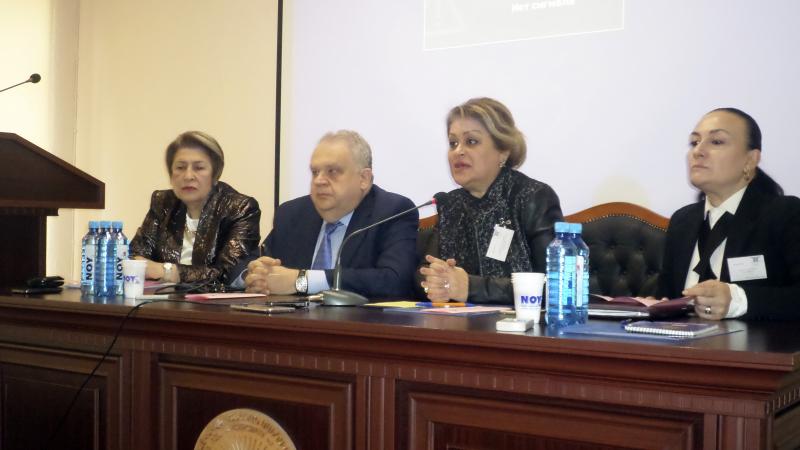
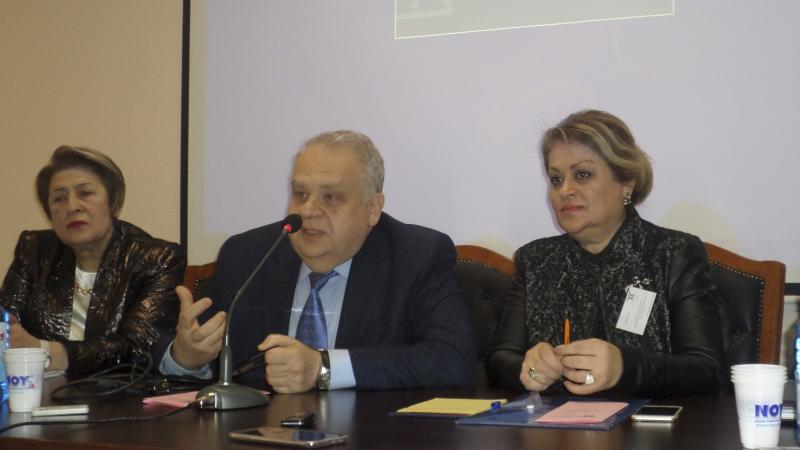
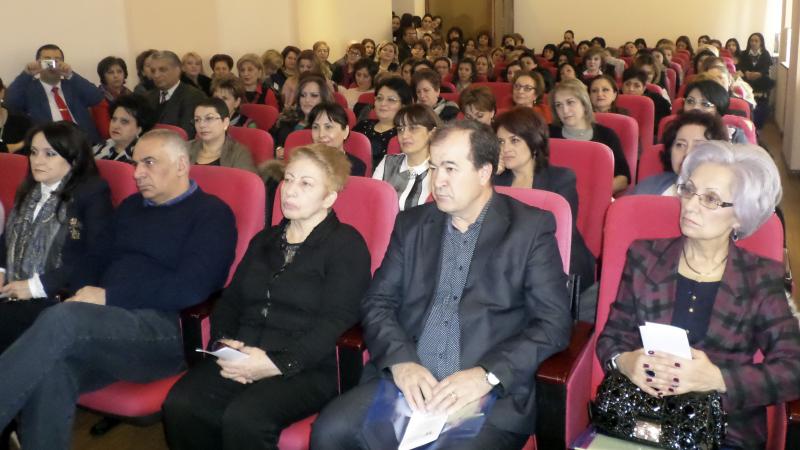
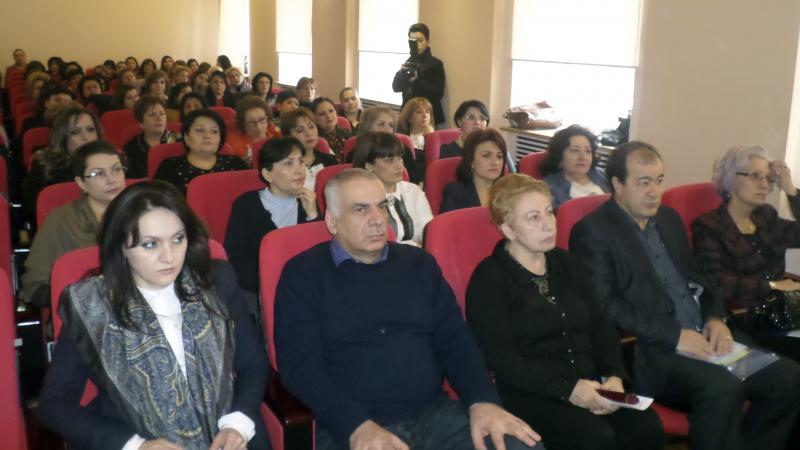
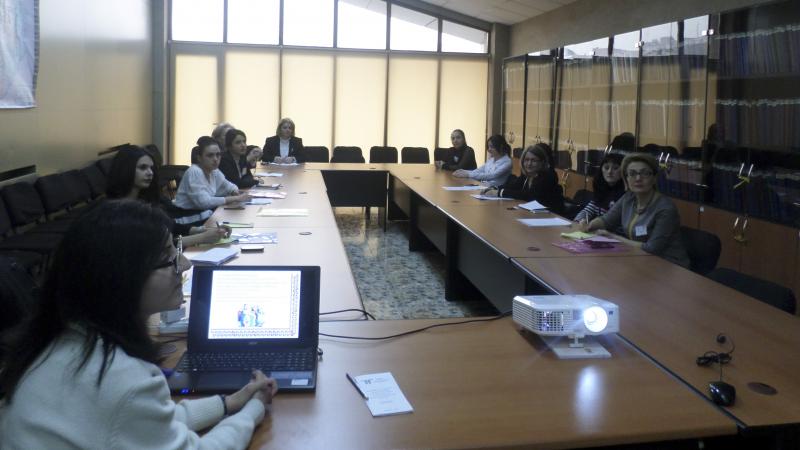
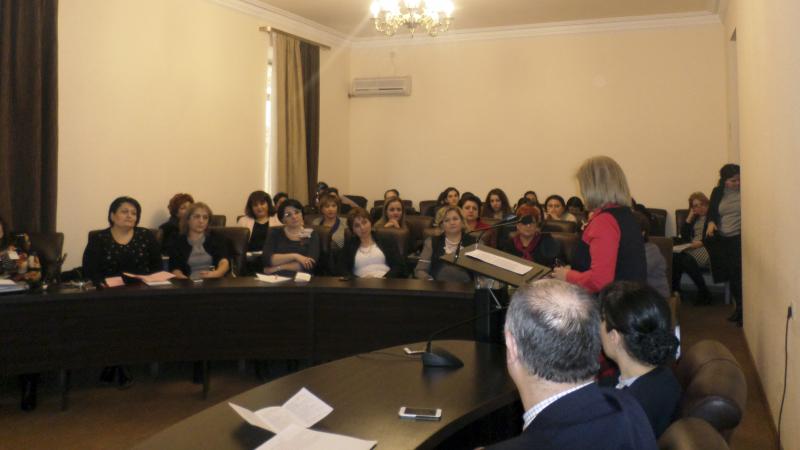
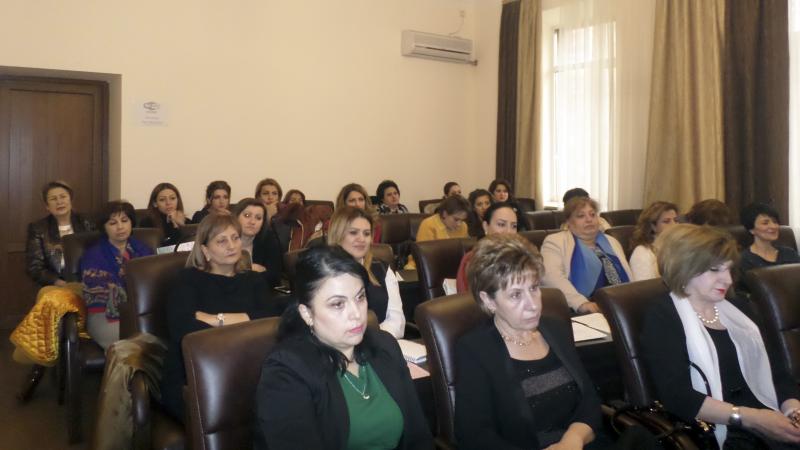
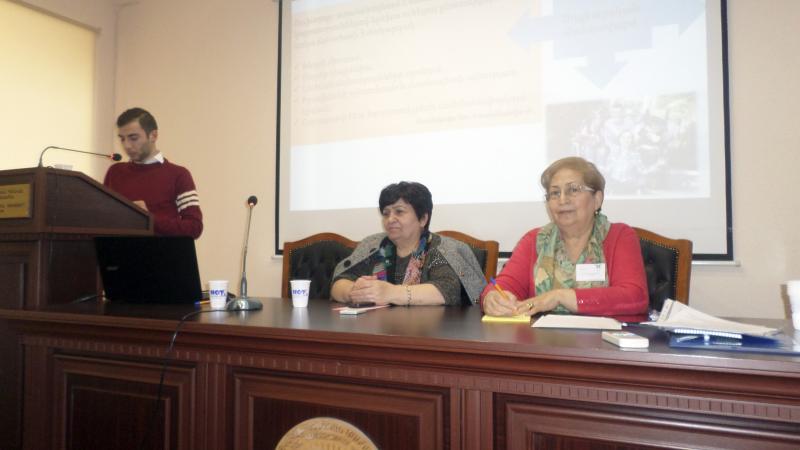
The conference was accompanied by presentations and reports, roundtables, speeches and question and answer sessions. The participants in the three subsections referred to the problems of childhood in a modern Armenian family, the work done with parents in schools, as well as requirements presented to form masters and class teachers in strengthening ties between families and schools. The conference attendees received certificates of participation at the end of the meeting.