- Հայ
- Рус
- Eng
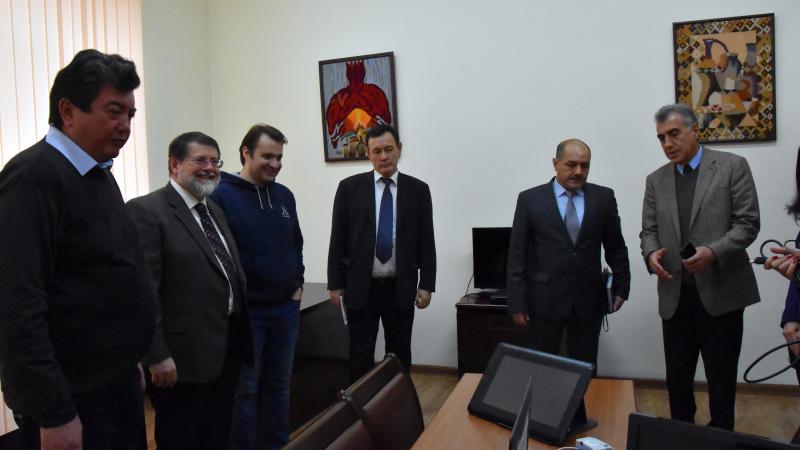
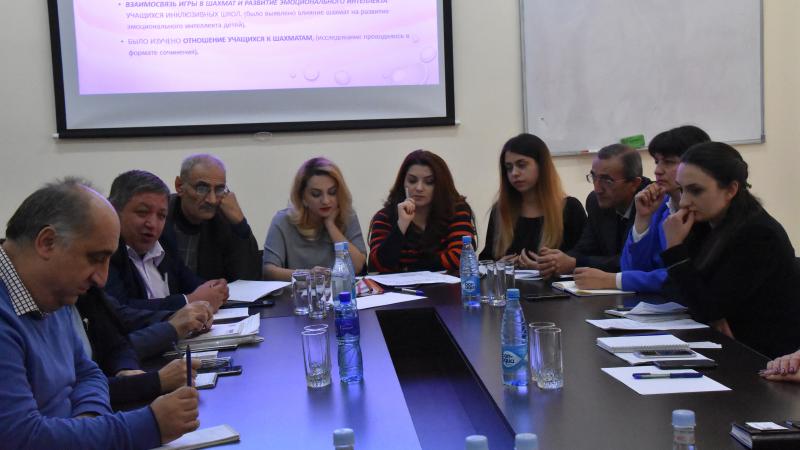
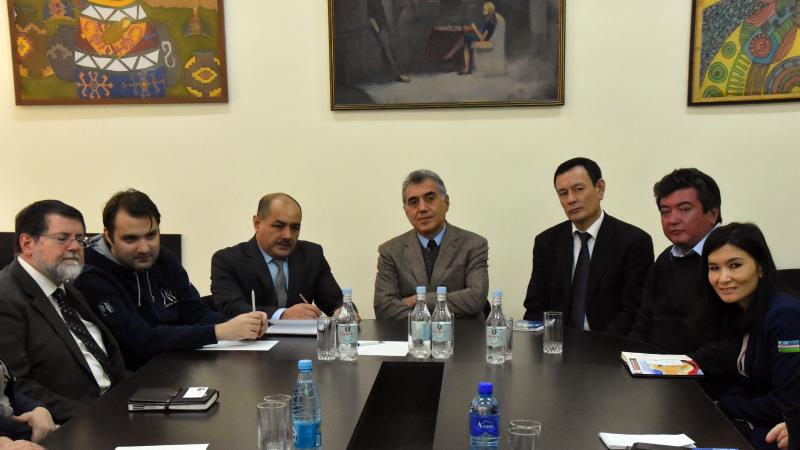
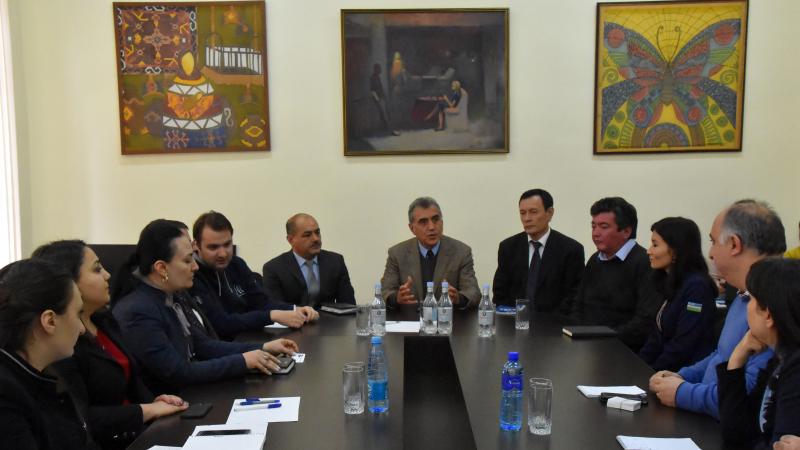
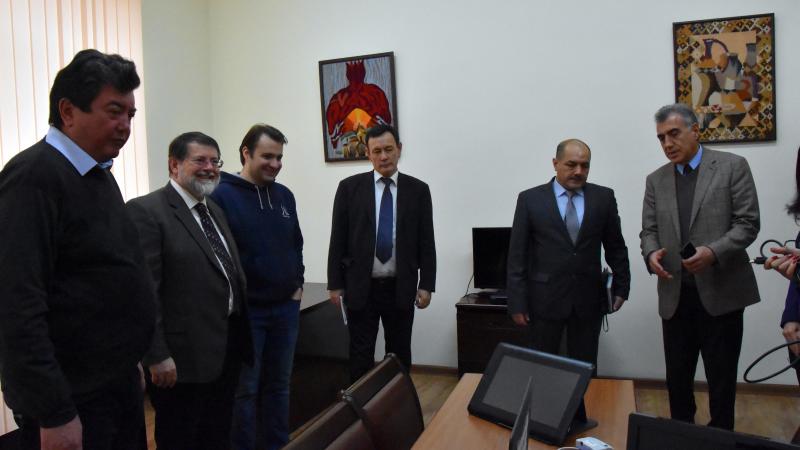
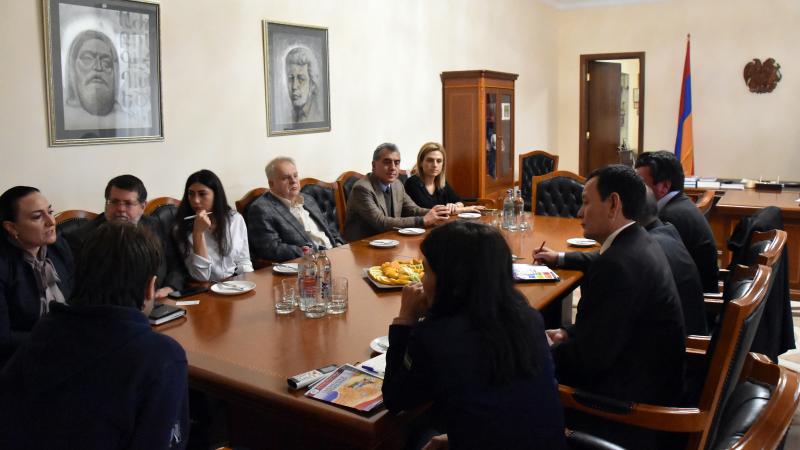
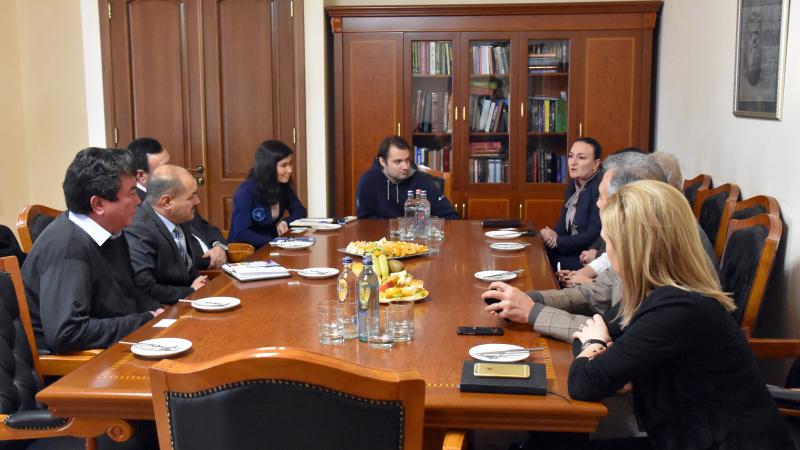
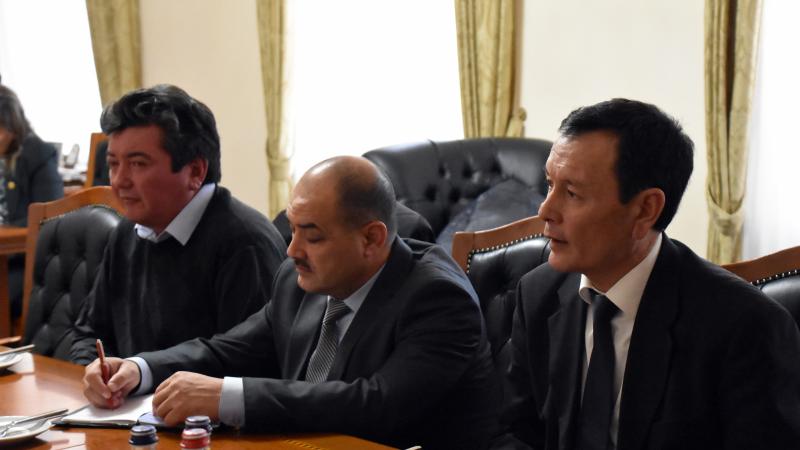
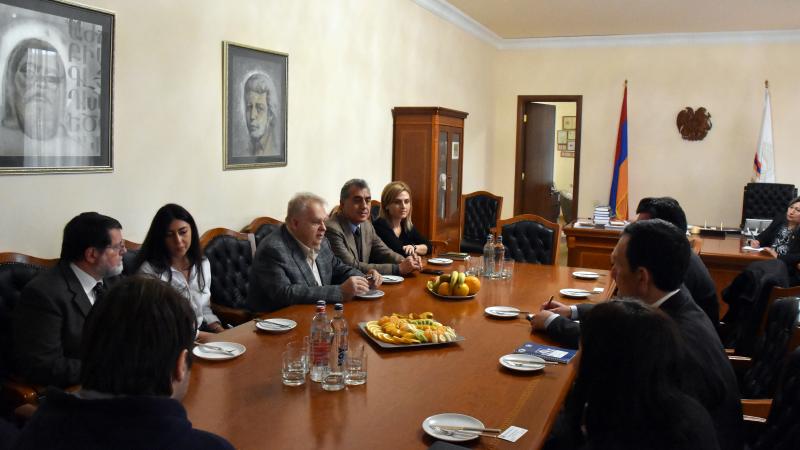
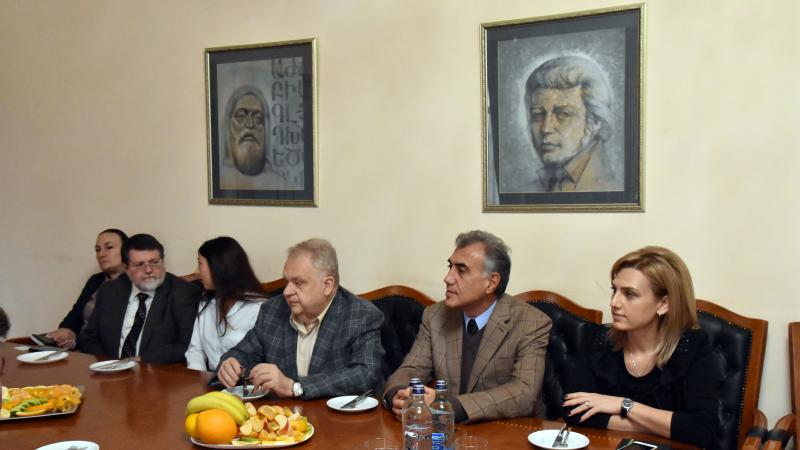
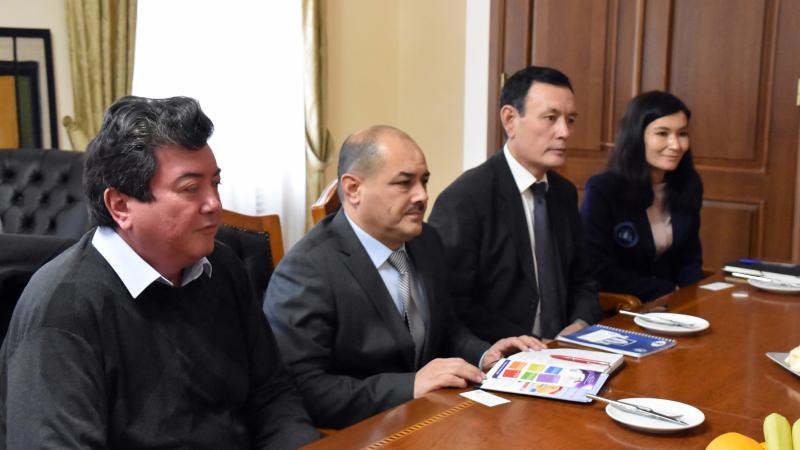
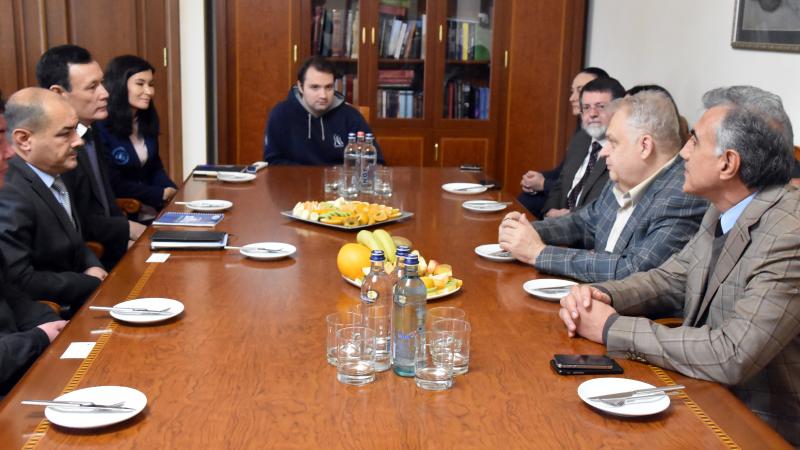
Today, the Rector of the Pedagogical University Rouben Mirzakhanyan welcomed the representatives of the Ministry of Education and Science of Uzbekistan and the Chess Federation, as well as Mr. Jerry Nash, who works with US Pedagogues as a national advisor in teaching Chess which will apply the positive impact of the Chess at classrooms. He is the founder of the “Chess at Schools” initiative at the State of Alabama as well as conducts the trainings arranged within the scope of that initiative.
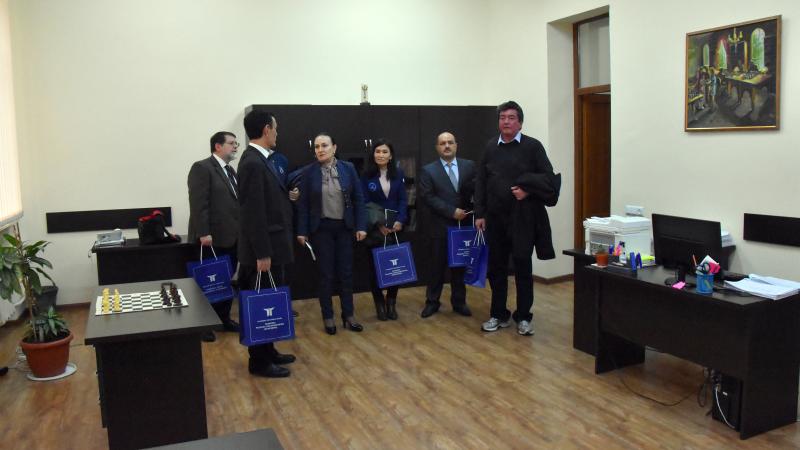
All these guests have come to Armenian to get acquainted with and learn more about the chess teaching practice.
The Rector introduced the guests with the activities of the Pedagogical University and outlined that it is the second university in the country for the number of its students.
Referring to the Institute of Chess opened at the University, Rouben Mirzakhanyan considered it not coincidental and highlighted that this country was the first to adopt Chess at schools as mandatory classes.
“The Institute of Chess has a research direction where specialists of various spheres, such as Methodists, psychologists, social workers, etc. conduct their research activities” mentioned the Rector and added that the institute used to be a laboratory in the past.
Rouben Mirzakhanyan assured the guests that due to the active work of the Institute and the relevant Chair international conferences were often being organised, which was in fact the best platform for exchange of experience.
“Teaching the Chess at schools has become the brand of our country; we are the leaders in this area”, mentioned the Rector and expressed his hope that within the context of educational changes in the world new quality would also be given to the Chess.
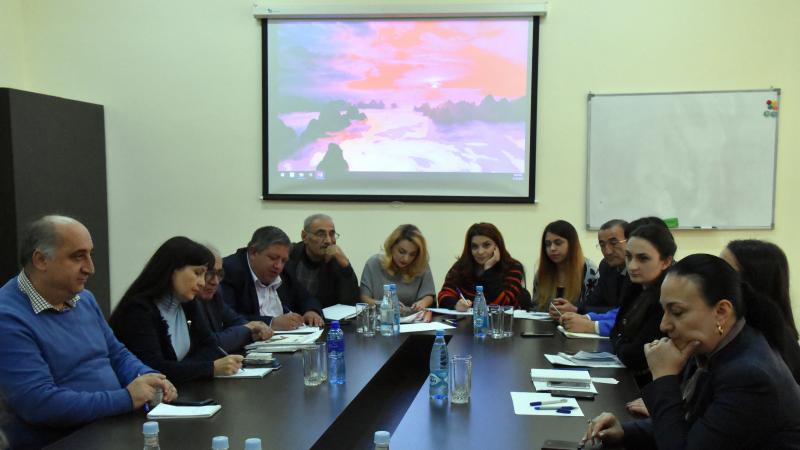
The gussets expressed their admiration in regards with teaching the wise game in our country and expressed their interest to get familiarized with the operations of the institute in more details. The guests are particularly interested in data analysis, application mechanisms of various methods, sociological surveys conducted by the institute, the practice of adoption of the Chess in the secondary education sector, as well as the work that has already been completed and is upcoming.
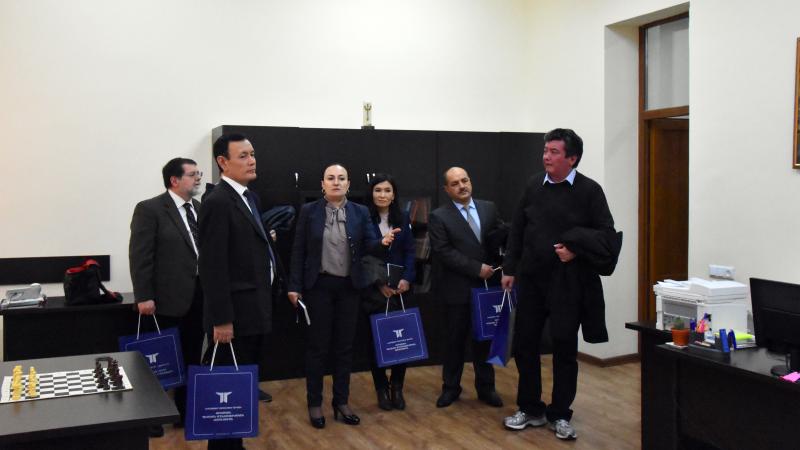
And last but not least, the guests visited the Institute of Chess, where they asked all their questions to the staff members.