- Հայ
- Рус
- Eng
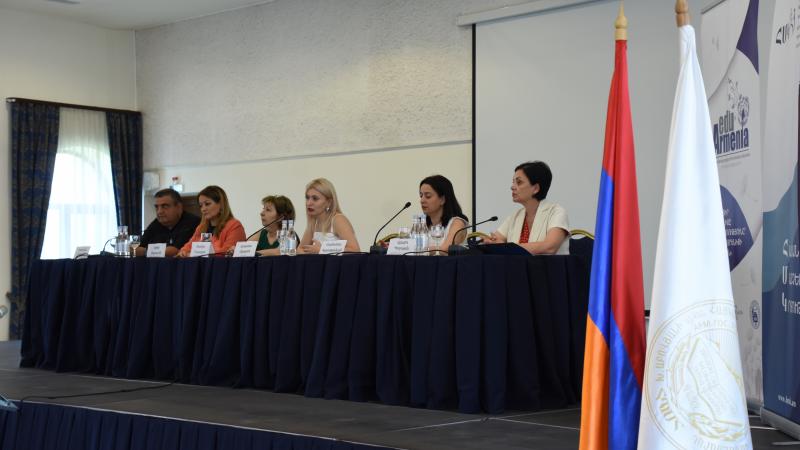
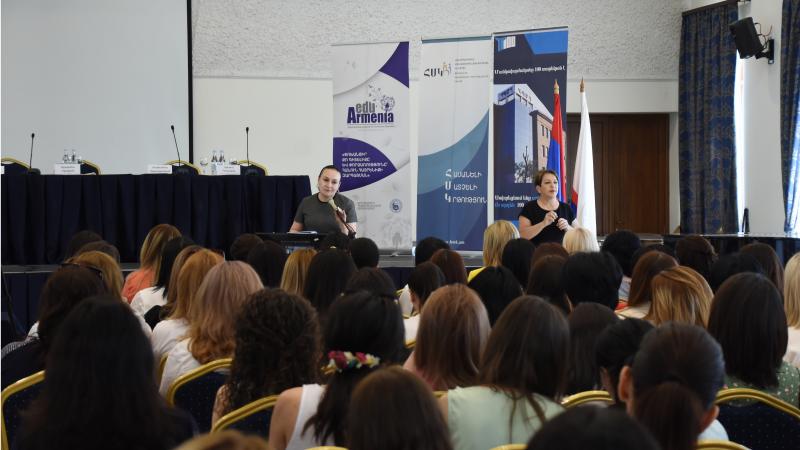
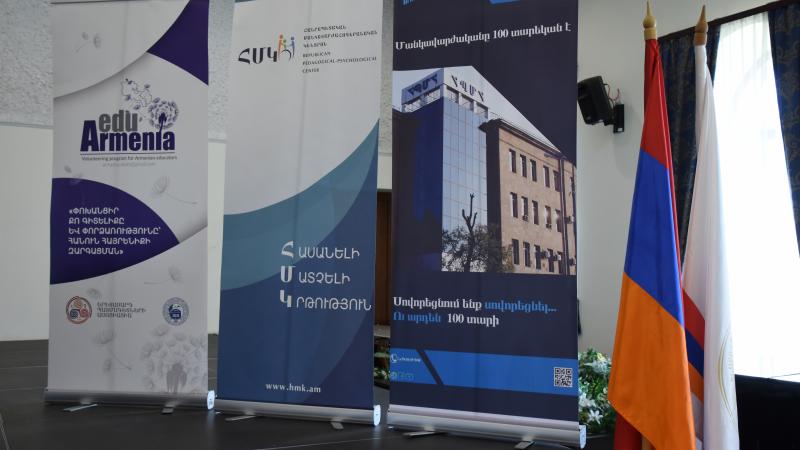
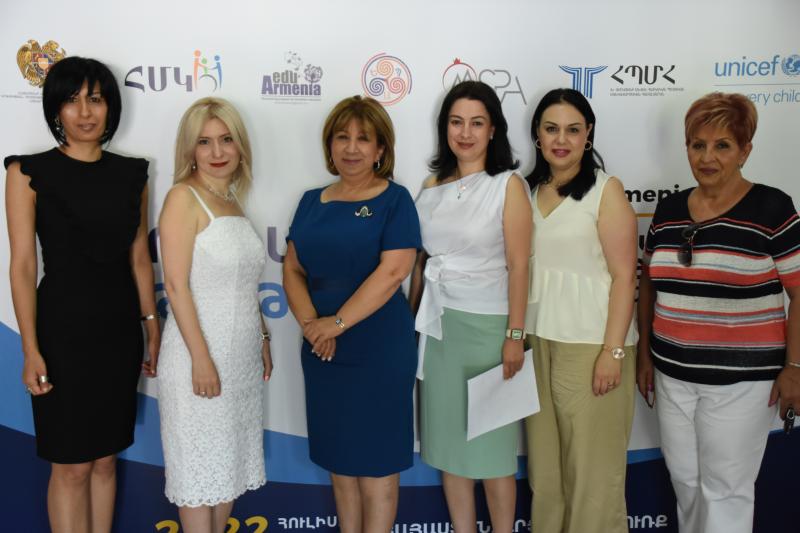
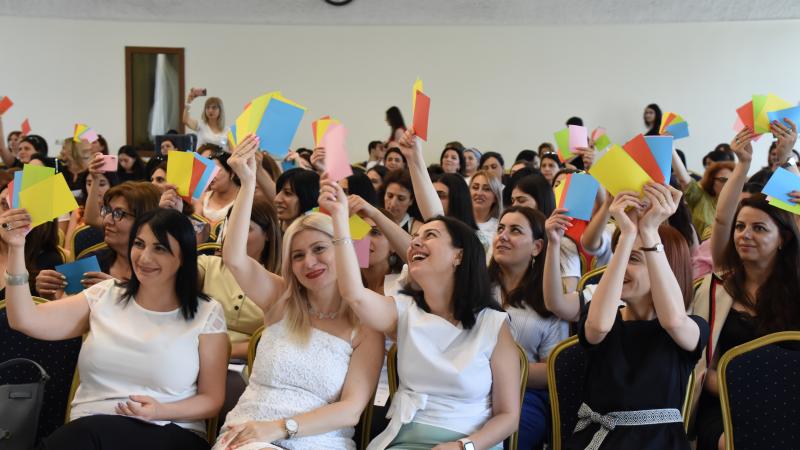
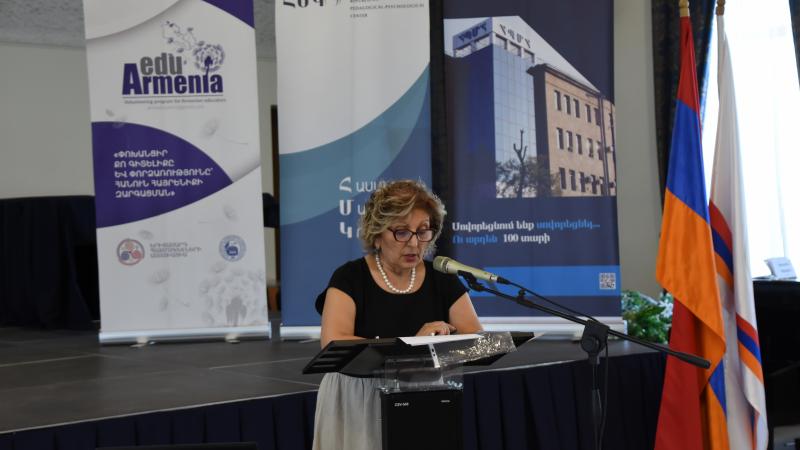
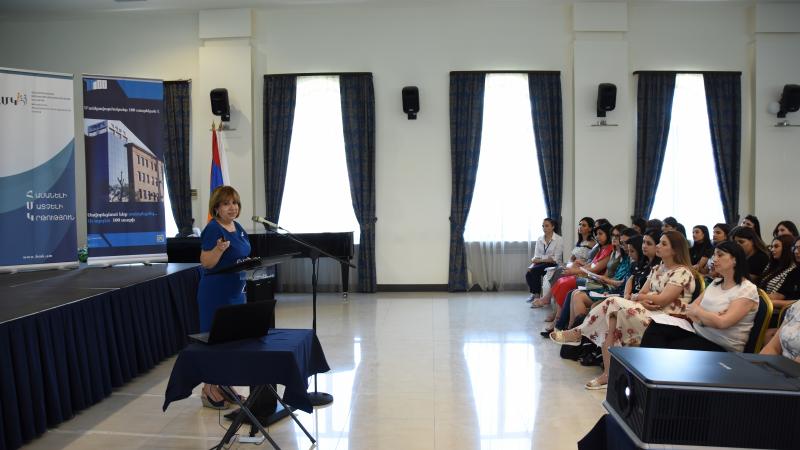
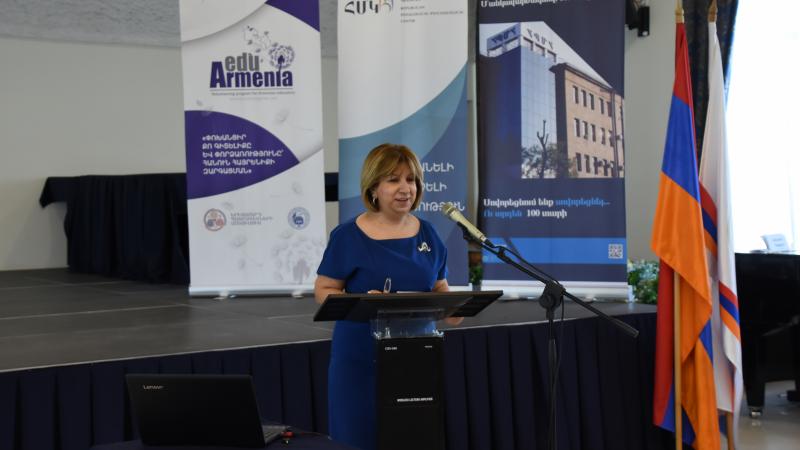
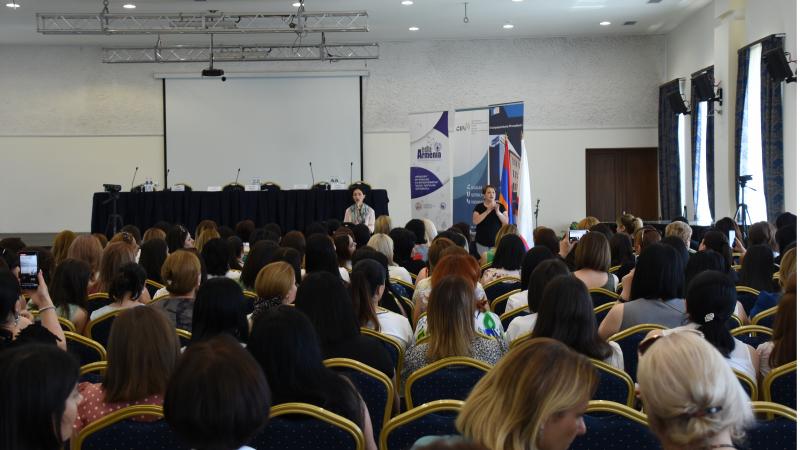
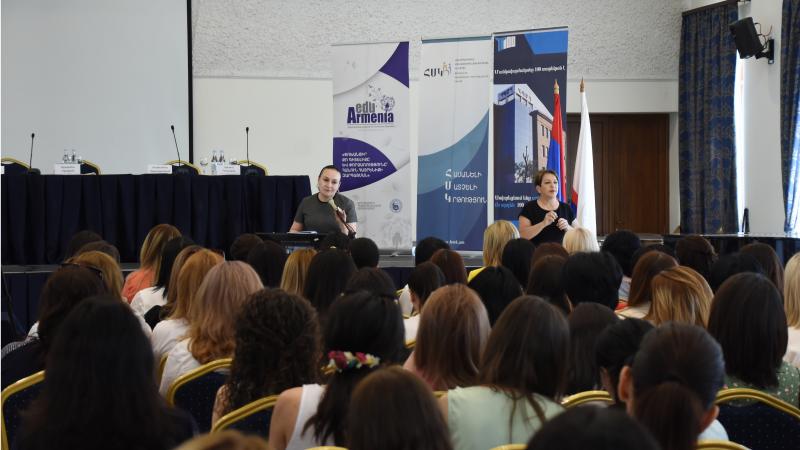
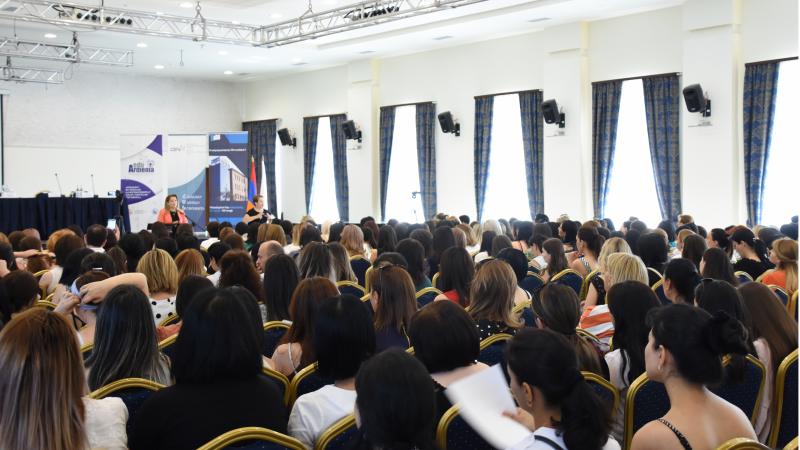
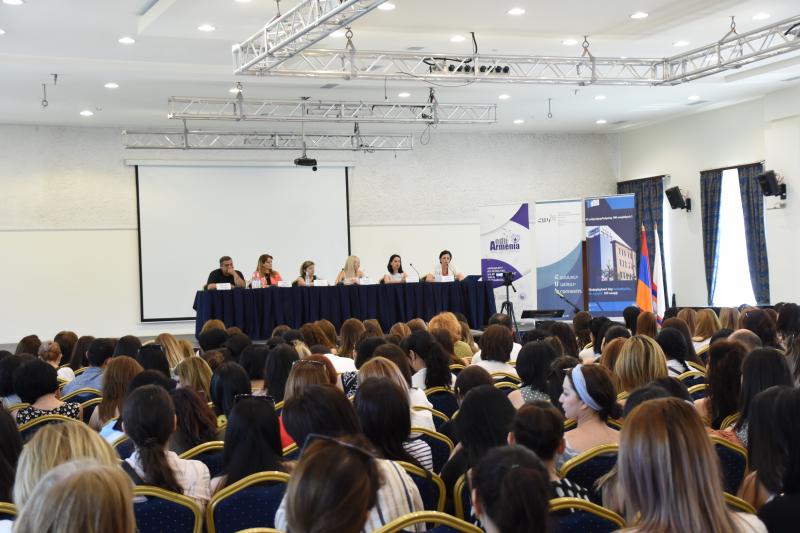
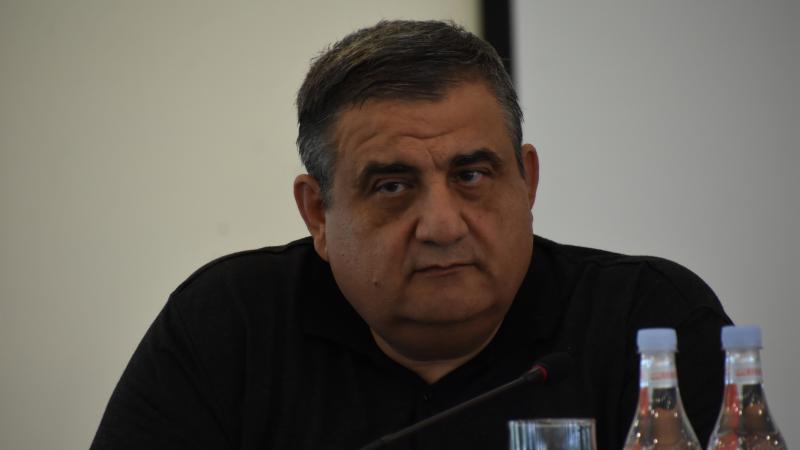
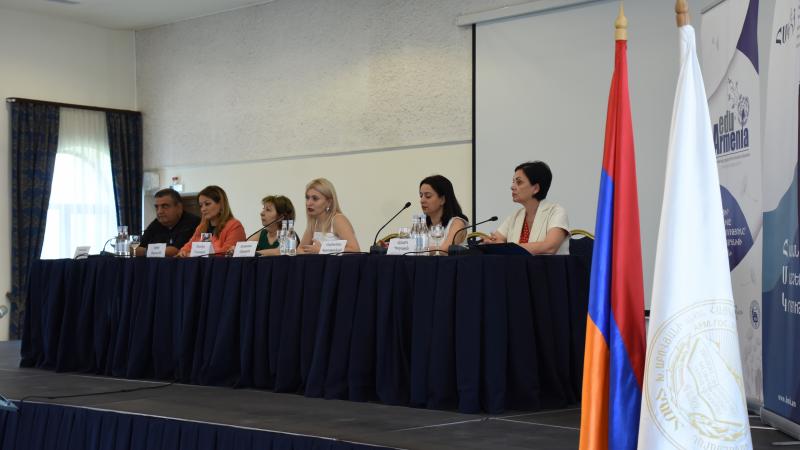
Today, the “EduArmenia2022” PanArmenian Scientific and Educational workshop was launched. The event was organized by the Republican Pedagogical and Psychological Centre and the Armenian State Pedagogical University.
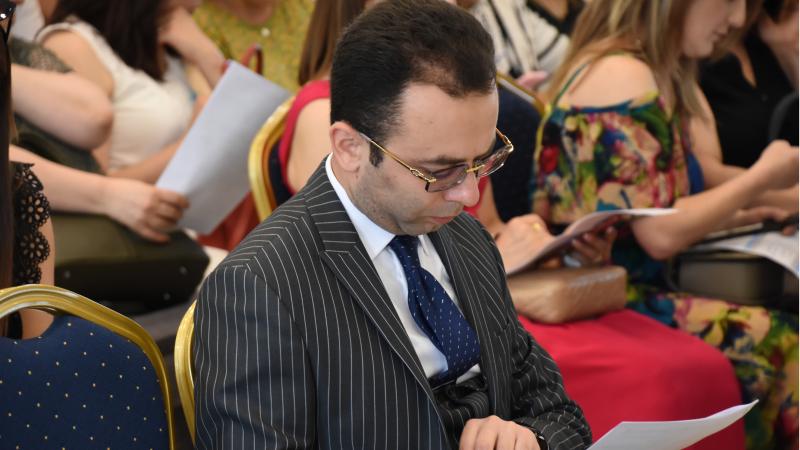
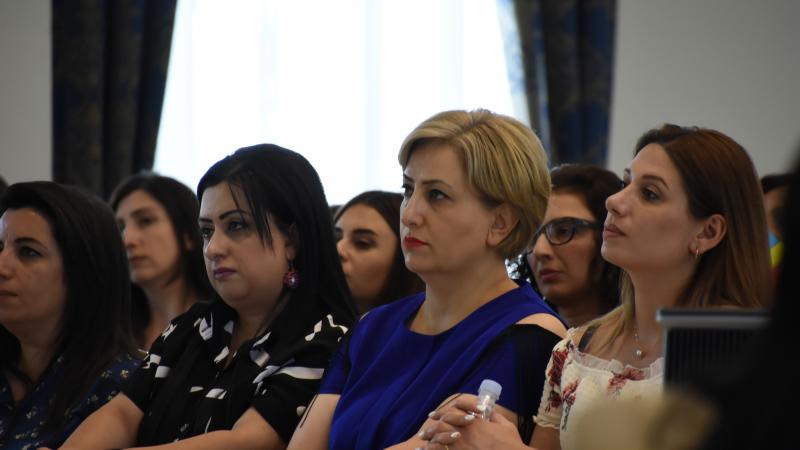
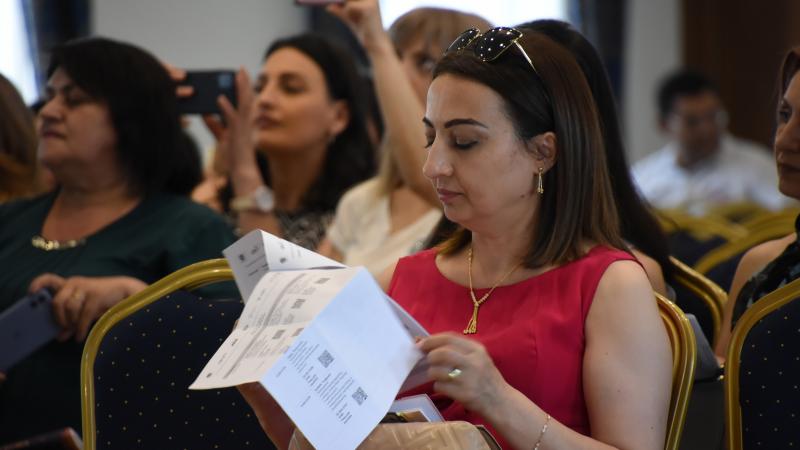
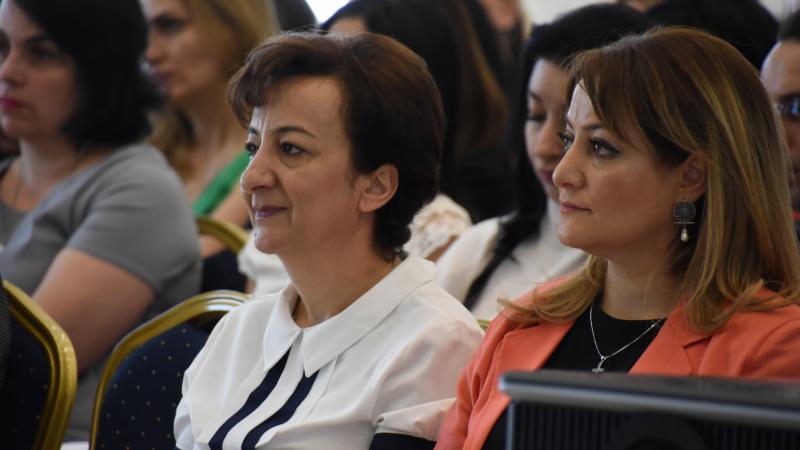
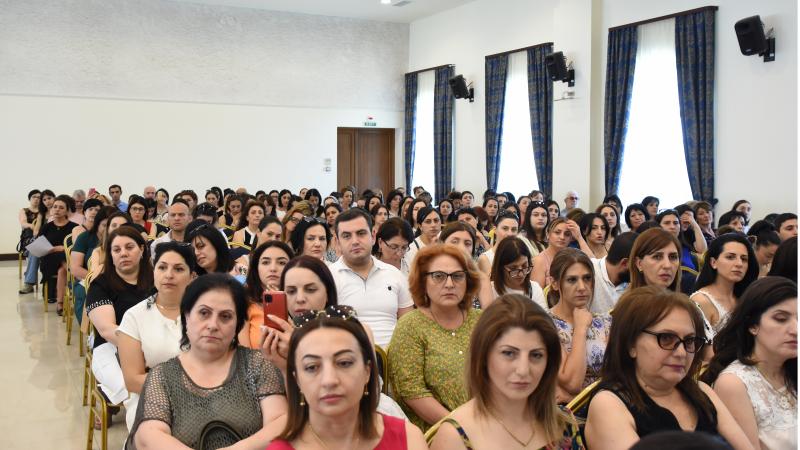
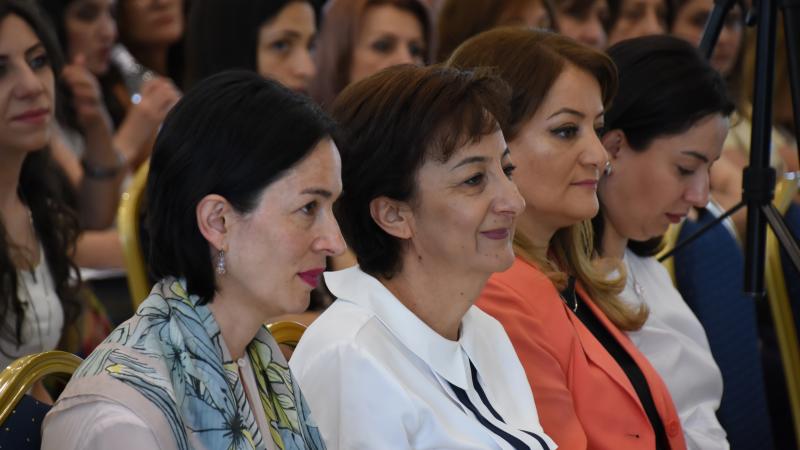
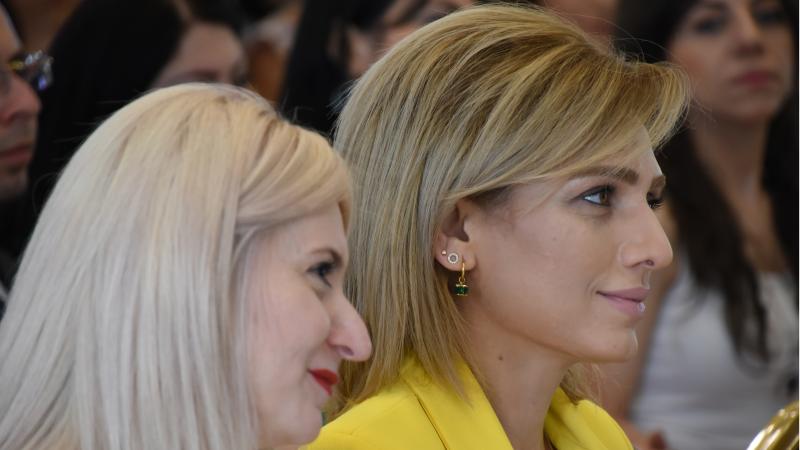
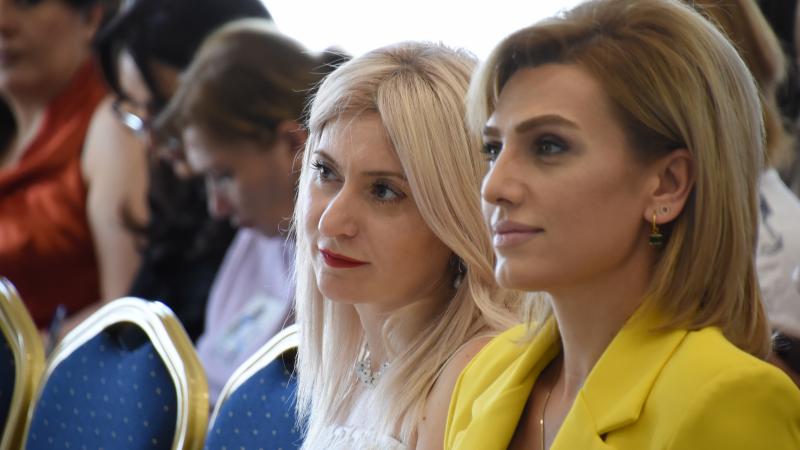
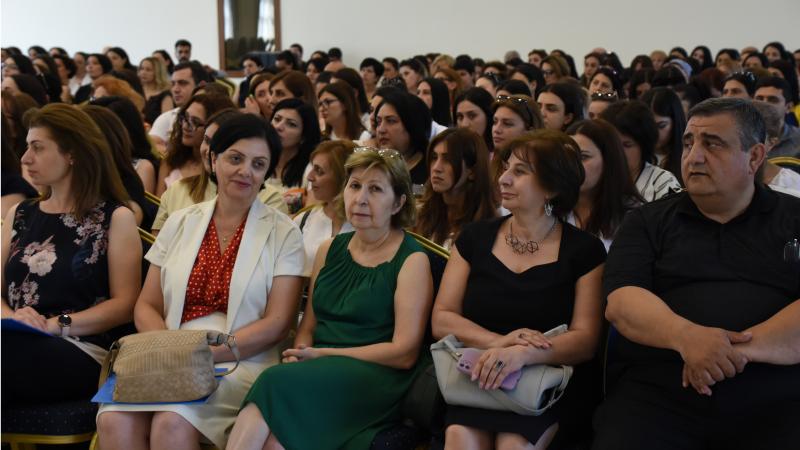
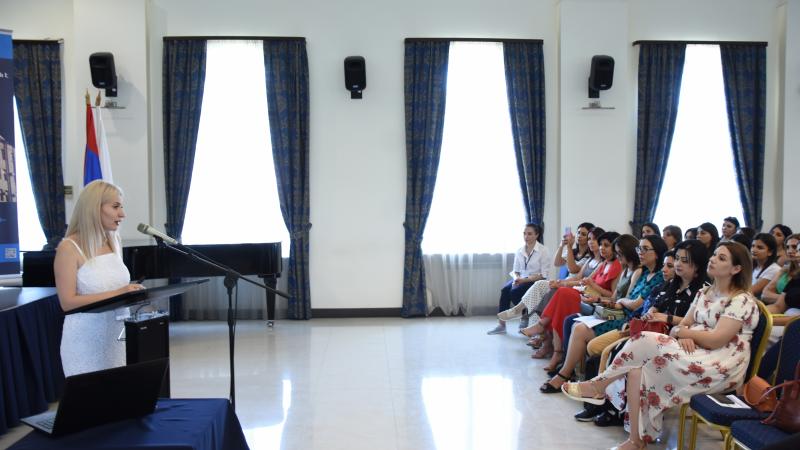
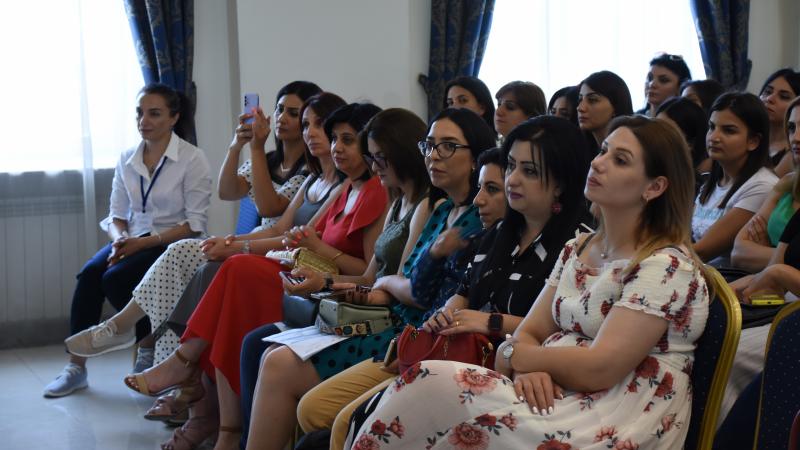
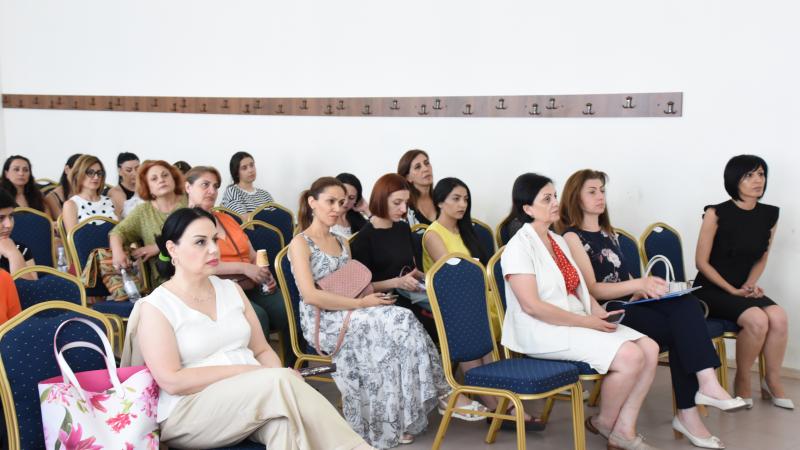
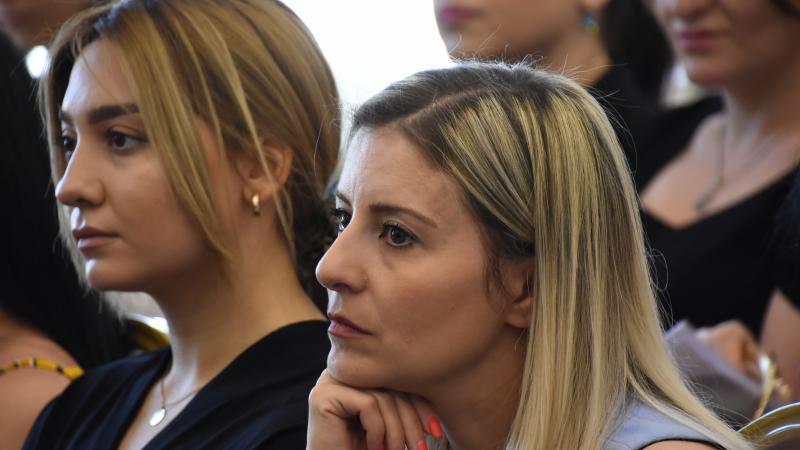
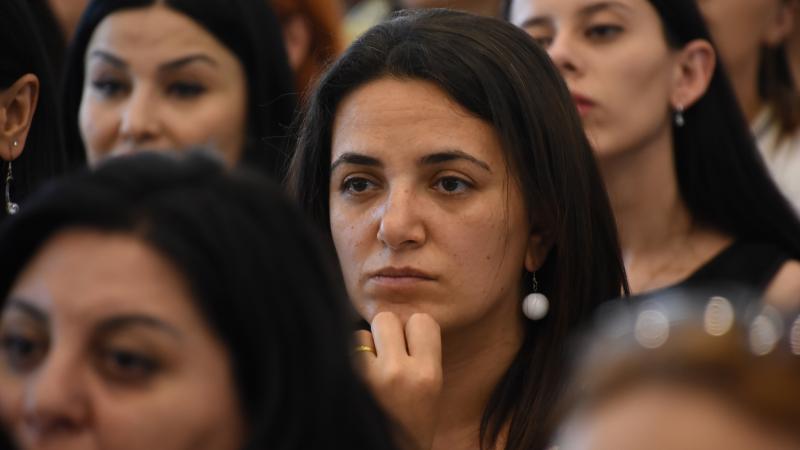
This year, the workshop, held from 1-4 July, is taking place also in an in-person format. It has brought together representatives of education sector from Armenia, Artsakh, the Diaspora and from other parts of the world; around 700 participants, interested in current issues of the sphere, modern approaches and solutions, have signed up for in-person workshop activities.
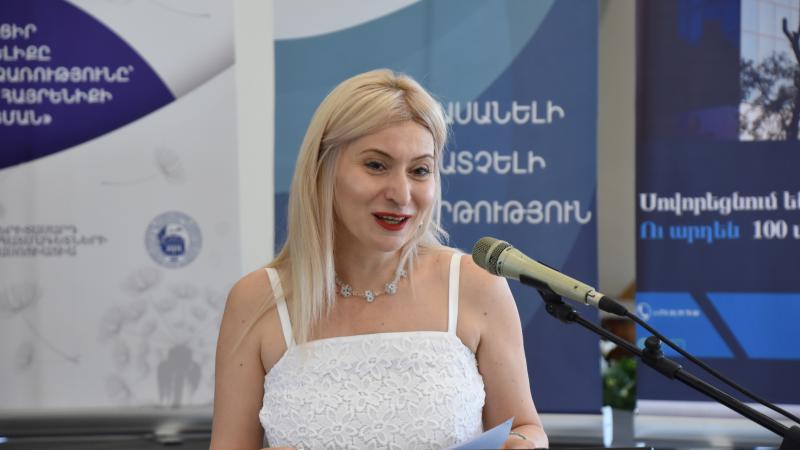
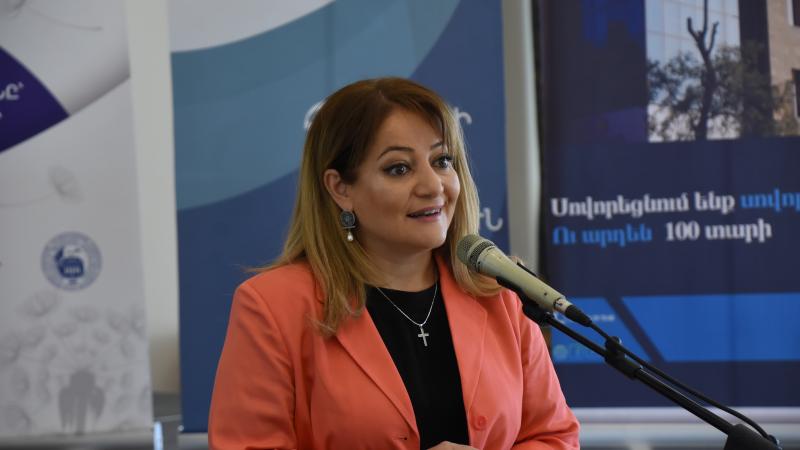
The Co-Founder of “EduArmenia” particularly highlights the start of the workshop at the ASPU- the centre, where the architects of future are created. Specialists, who should be valued, in order to create strong and sustainable future.
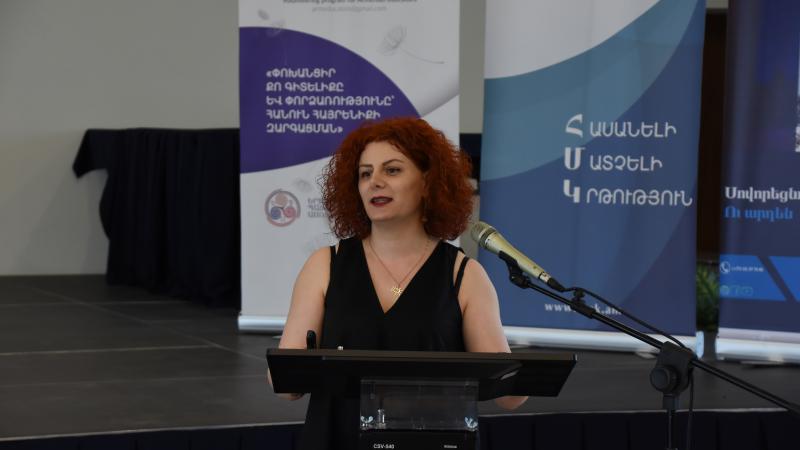
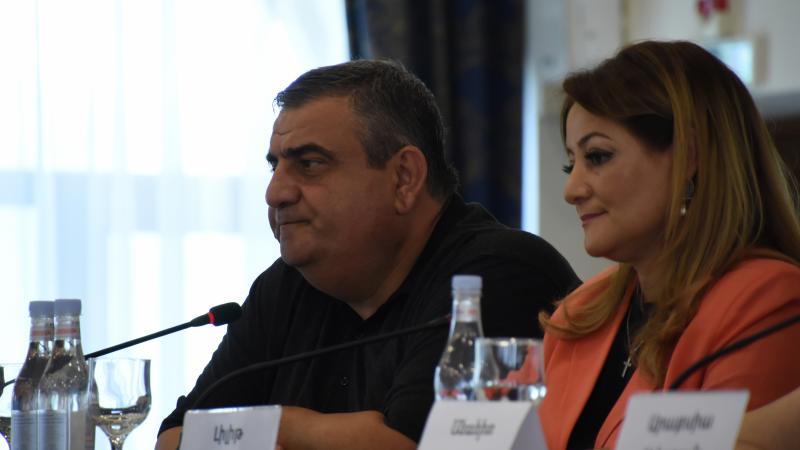
Lilit Mkrtchyan notes that every year the workshop brings up various issues, and this year, they have highlighted cooperation and inclusive education; cooperation not only between individual experts, but also institutions such as the Republican Pedagogical Centre and the ASPU. In addition, she expressed her hope that the presentations made in a mixed format, will be brought into practice and served for the benefit of the country.
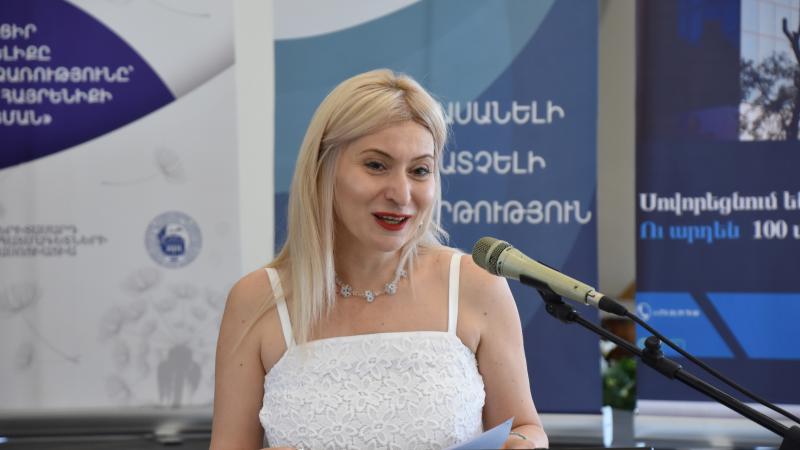
The ASPU Rector Srbuhi Gevorgyan mentioned that inclusive education issues are much more complex, in-depth and wide-scope, and that the variety of topics included in the programme serve as a proof thereof. In fact, as a Social Psychologist, Professor Gevorgyan is stressing out this issue in the scope of public inclusion and assures that inclusive education is a priority in the educational reform programmes of the institution she is in charge of.
“The ASPU is represented on this platform with its entire team of professionals, experts, and students. As the only educational institutions training special pedagogues in the country, the Pedagogical University has been cooperating with leading international institutions, implementing serious methodological and expert work”, highlights the Rector.
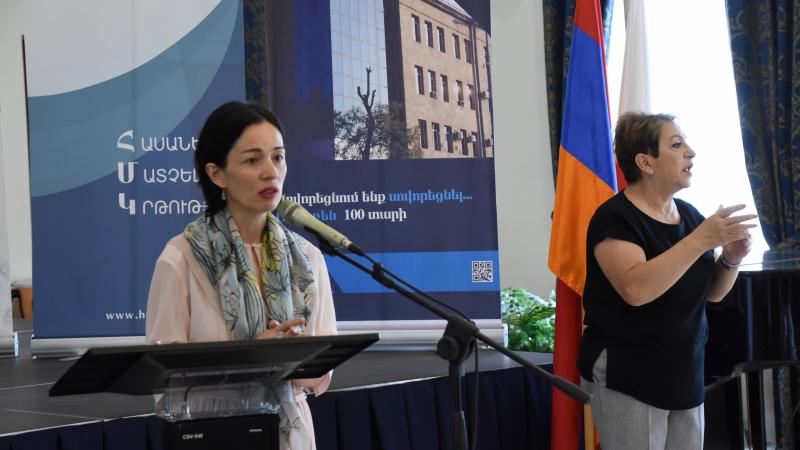
In her turn, the RA Deputy Minister of ESCS Zhanna Andreasyan mentions that inclusion is one of the core aspects of education, then she highlights that if we want to have quality education, we should be ready for universal inclusion, taking into consideration peculiarities of all children, as well as making schools accessible, affordable and inclusive.
The Deputy Minister also spoke about the importance of targeted funding and other institutional changes. She emphasized the importance of cooperation with the Pedagogical University, without which it would be impossible to train specialists who will be capable of solving these issues at schools.
“It is essential that the pedagogical education keeps pace with the educational reforms, supports scientific research activities and become pioneer in providing solutions for various issues. The century-old University has proudly executed and will execute this function, and the Ministry will hold on to interesting and meaningful ideas discussed at the workshop”, she added.
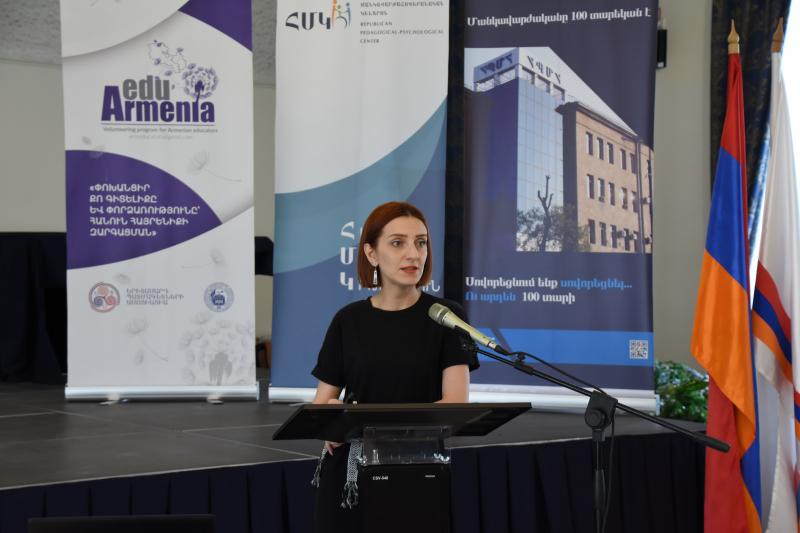
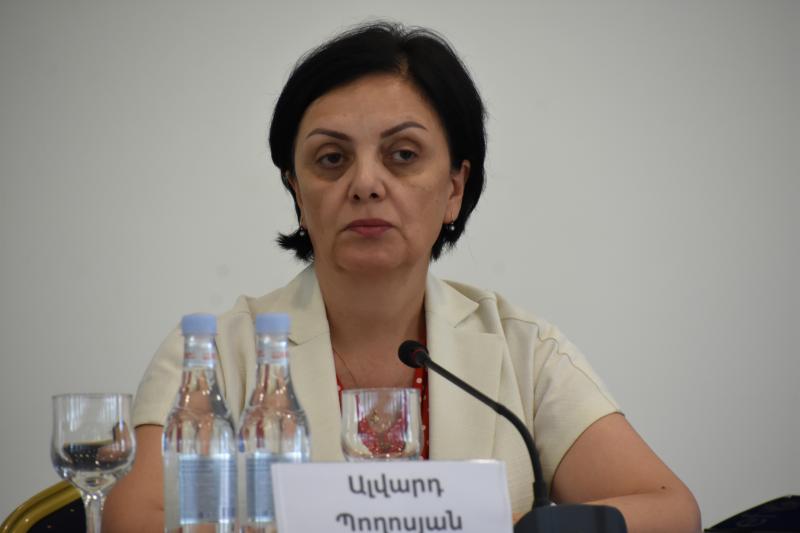
Furthermore, Alvard Poghosyan, the UNICEF Education Specialist is convinced that we have a sustainable process to advance inclusion principles in education.
“Inclusion is not and end result, it is rather a process”, mentions the speaker, hoping that the workshop participants will be leaving the event, filled with knowledge and experience.
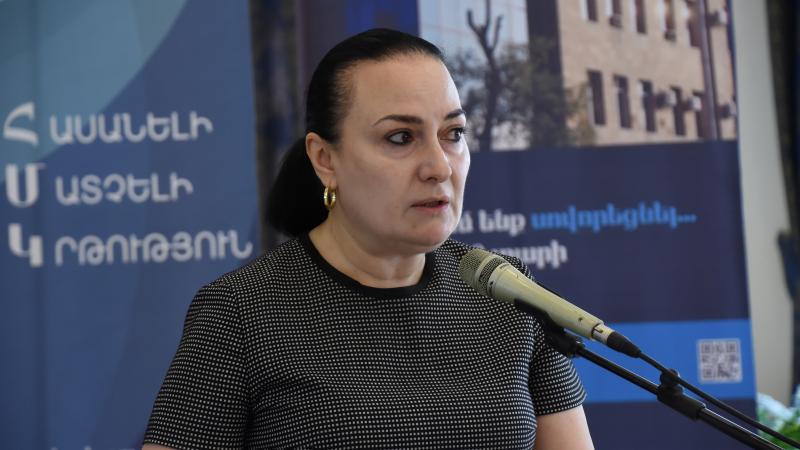
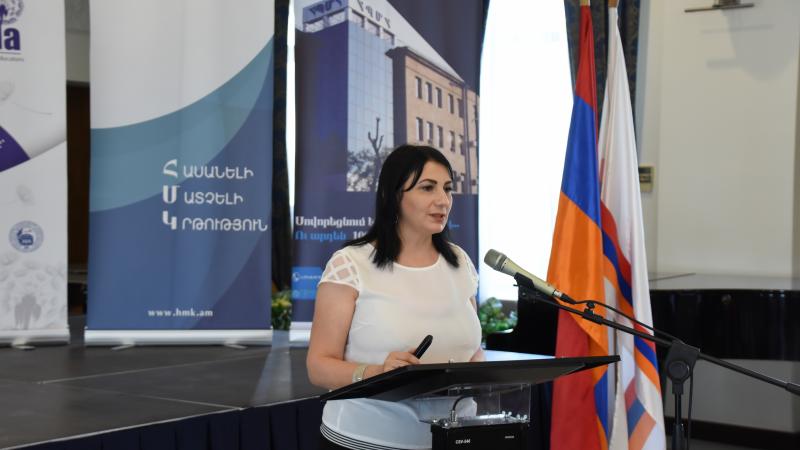
The Director of the Republican Pedagogical and Psychological Centre Araksia Svajyan expresses acknowledgements to her colleagues for getting together to discuss this important topic, after which she refers to the importance of universal inclusion at pre-school educational institutions. She informs that high-schools and universities, which are currently not a part of the programme, will also be involved in the process, as universal inclusion implies engagement and support by all concerned bodies.
Likewise, the speaker considers the re-organization of special schools into special school-resource centres an significant step, adding that changes in the quality of education and full participatory inclusion are much needed.
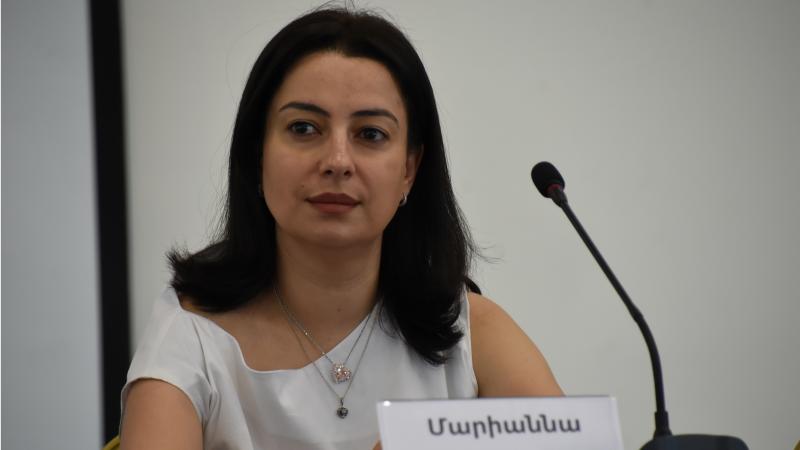
The ASPU Vice-Rector for Personnel Matters and International Cooperation Marianna Harutyunyan highlights the active participation of the concerned field specialists in the workshop. Likewise, she is happy to see the ASPU alumni among them. She hopes that the latter will create the image of teachers, who will become the important pillars of the country.
Vice-Rector Harutyunyan also speaks about the inclusion policy conducted by the University and assures that they are trying to keep up with the reforms, adjusting the programmes in accordance with the demand of the time.
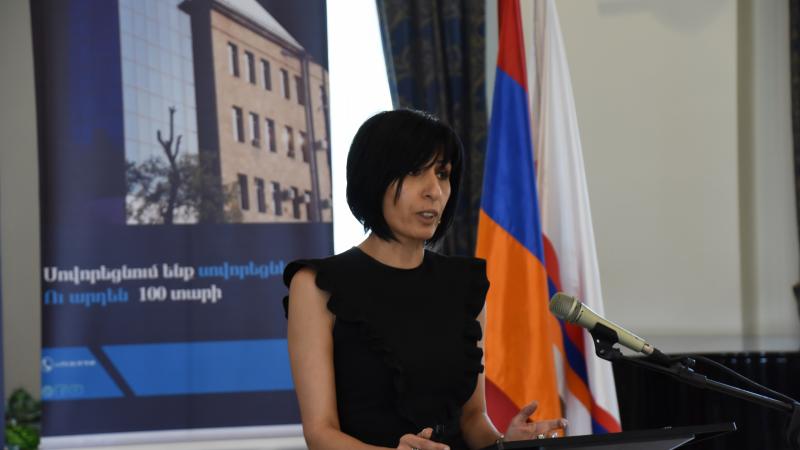
From reforms of inclusive education to universal inclusion- the representative of the Ministry of ESCS Anahit Muradyan notes that inclusions require child-parent-teacher trilateral involvement, where all three parties must cooperate for the benefit of children.
“Inclusion can be real if we are talking about the wide social context”, observed the UNICEF Education Specialist Alvard Poghosyan. The latter also underlined that inclusion must be treated as a continuous process, so that it becomes a reality.
The Acting Director of the “NCEDI” Foundation [ԿԶՆԱԿ] speaks about the issues of the field and emphasizes the importance of creating the necessary conditions for all pupils, and the Co-Founder of the “EduArmenia” PanArmenian scientific and educational workshop Lilit Mkrtchyan highlights the formation of the value system in the context of universal inclusion, concluding that they have also come together to implement competitive and sustainable changes.
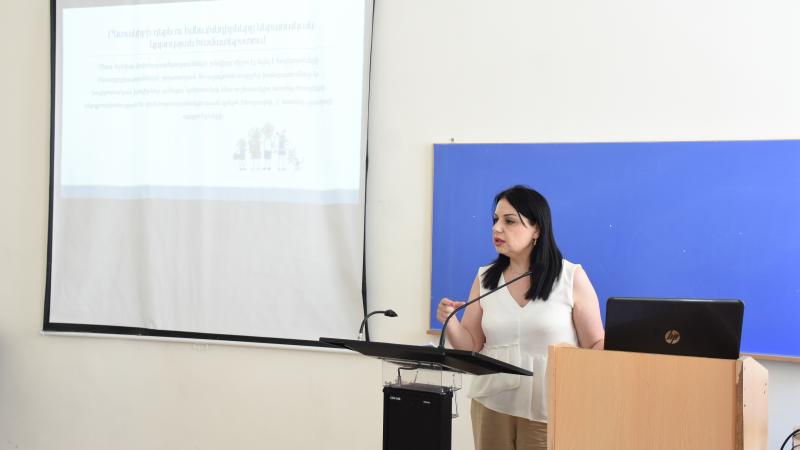
The “EduArmenia2022” PanArmenian scientific and educational workshop continues its activities in groups. The speakers of the workshop refer to the inclusive education challenges and opportunities in higher education system, the role of the families of children with special education needs, their challenges and responsibilities, diversified education, application of inclusive policies in teaching processes, use of developing technologies in speech therapies, other programmes implemented by the UNICEF, etc.
The workshop will continue its activities till 4 July with 120 presentations and various online meetings.