- Հայ
- Рус
- Eng
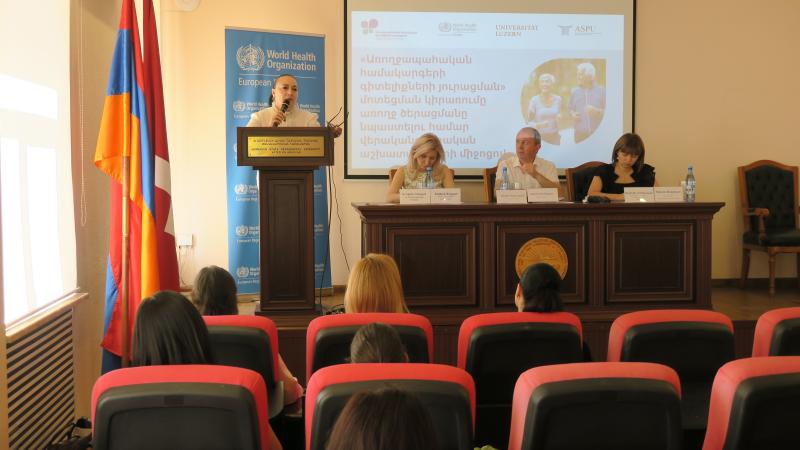
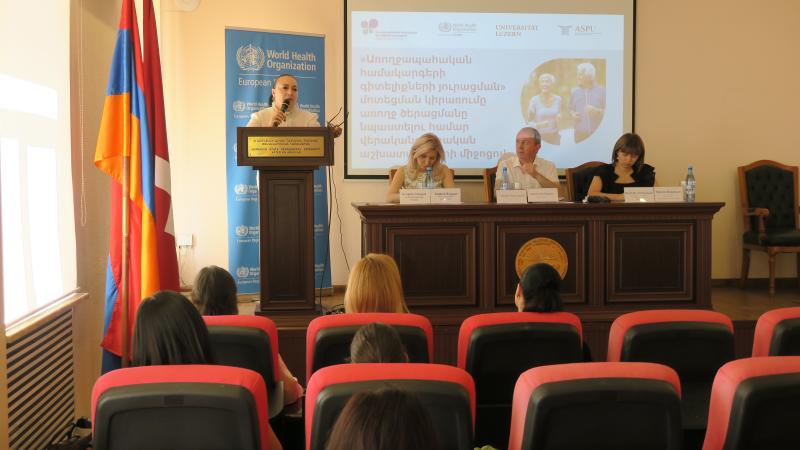
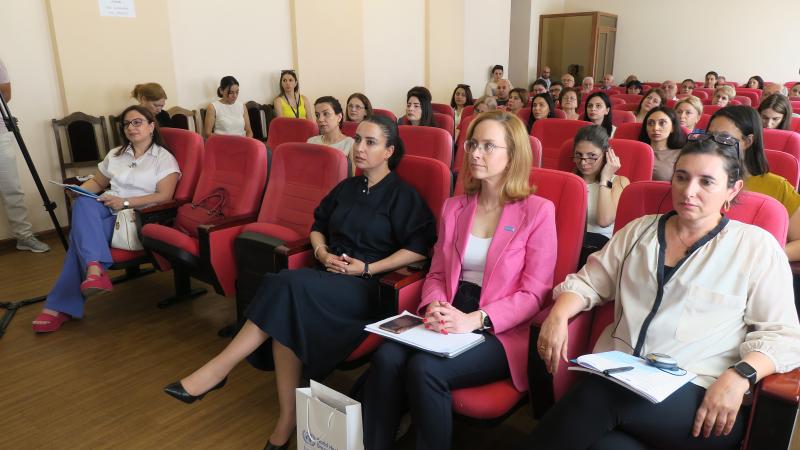
The Armenian State Pedagogical University hosted the pilot meeting for the Project “Using the “Learning Health System” approach to Foster Healthy Ageing by Means of Rehabilitation”.
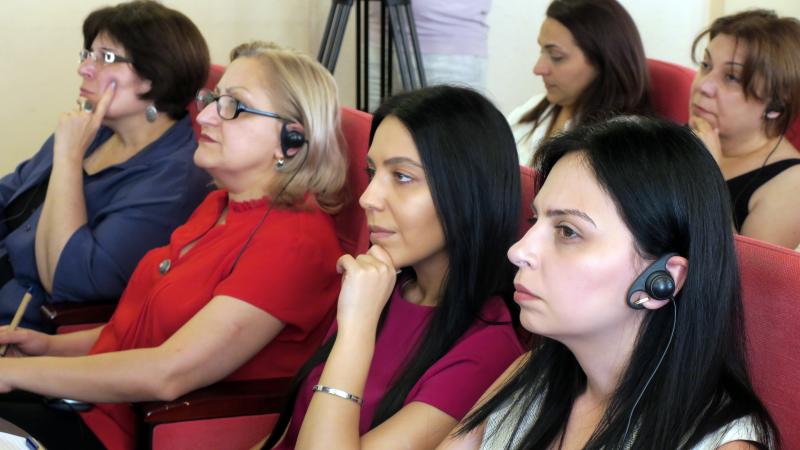
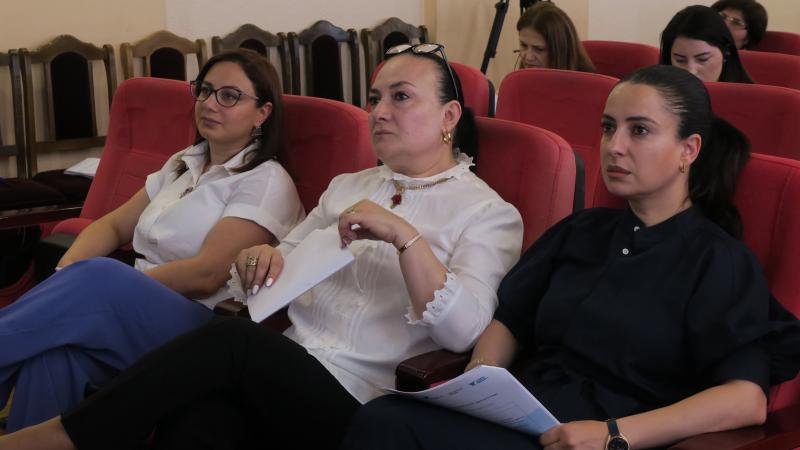
Among the attendees were representatives of various government agencies and partnering institutions from abroad and Armenia.
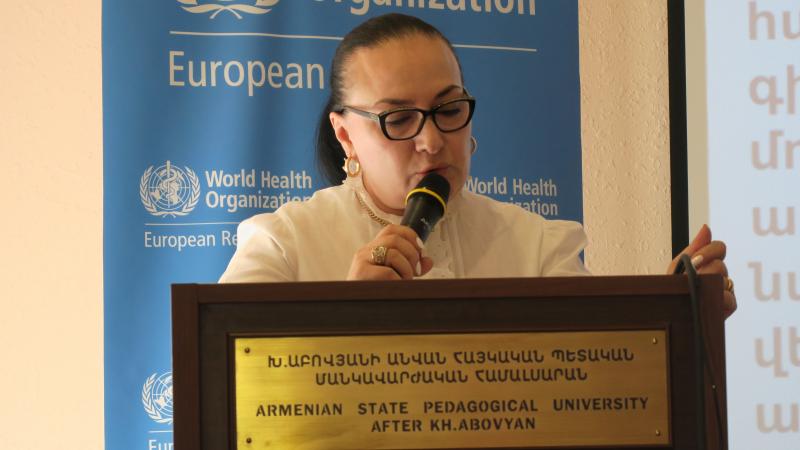
In her speech, ASPU Rector Srbuhi Gevorgyan wished an interesting dialogue and effective exchange of experiences, as well as substantive approaches to the well-established statements. She expressed gratitude for considering the Armenian State Pedagogical University as the key platform for this major Project geared towards rehabilitation of a specific class of society.
“When we talk about rehabilitation activities, we mainly and, with priority, focus on medical interventions, but rehabilitation is a complex process that needs to be implemented in the physical, psychological, household-related and pedagogical directions. We take pride in the fact that the Armenian State Pedagogical University is the platform where specialists will have the opportunity to engage in dialogue over the outcomes of the processes and programs of the healthcare system for training. Later, here they will teach many educational communities how to learn, and these communities will gear the already scientific-practical outcomes towards implementation of this important Project,” Rector Gevorgyan stated and recalled that the years 2021-20230 are declared as period of healthy ageing, and so this Project is twice as important in the context of introduction and development of similar abilities and skills.
The concept note entitled “Using the “Learning Health System” approach to Foster Healthy Ageing by Means of Rehabilitation” in Low- and Middle- Income Countries. A Feasibility Study in Armenia”, drafted with the support of the University of Lucerne, the Armenian State Pedagogical University and the World Health Organization, highlights the scope for development of Learning Health System which is a specifically adapted project to foster healthy ageing and rehabilitation.
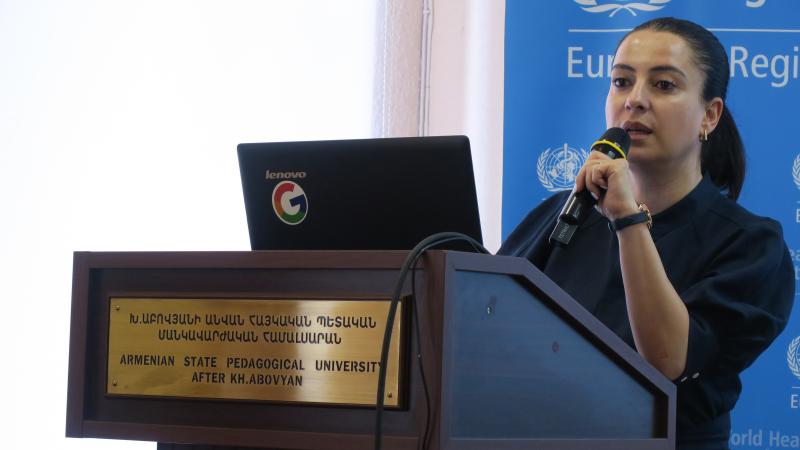
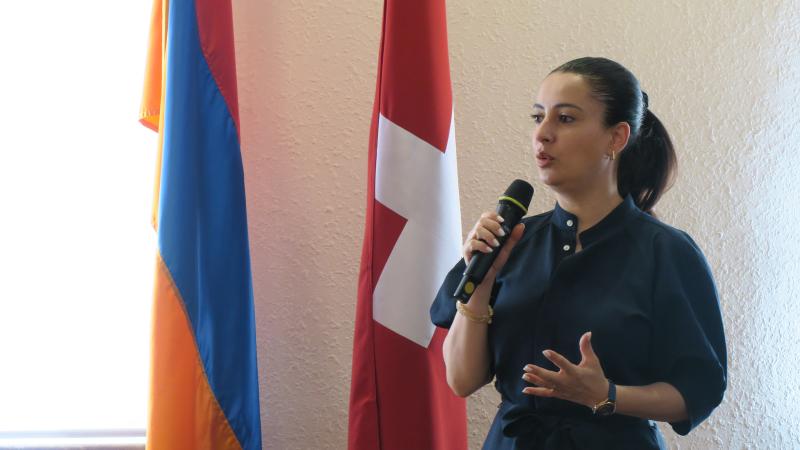
ASPU Vice-Rector for HR Management and International Cooperation Marianna Harutyunyan assured that the ASPU will reinforce the potential of the rehabilitation specialists, especially at the level of management in the course of the two-year Project. “This will go on to be used in three major sectors in our country, including labor and social affairs, education and healthcare. Although the stress will be on healthy ageing, we have decided to expand the boundaries of the program and make it extend to empowerment of rehabilitative forces as well,” Marianna Harutyunyan stated and wished the trainees (starting their training tomorrow) success.
She noted that during the long process of preparation, the ASPU understood the priority of making the rehabilitation programs meet the personal needs of an individual, the collaborative nature of effective rehabilitation, etc.
The Vice-Rector mentioned that the University has conducted several studies and carried out large-scale activities, thanks to which the ASPU has adopted a number of decisions and prepared methodical manuals which allow assessing the needs and functionality of a person when determining disability and understanding what kind of services the particular person needs in addition to pension.
In her remarks, Marianna Harutyunyan also noted the international classification of function by the World Health Organization which serves as a tool for determining disability or assessing needs and is used in more than 109 countries around the world, but it is only in Cyprus and Armenia where it has been introduced as a model for determining disability.
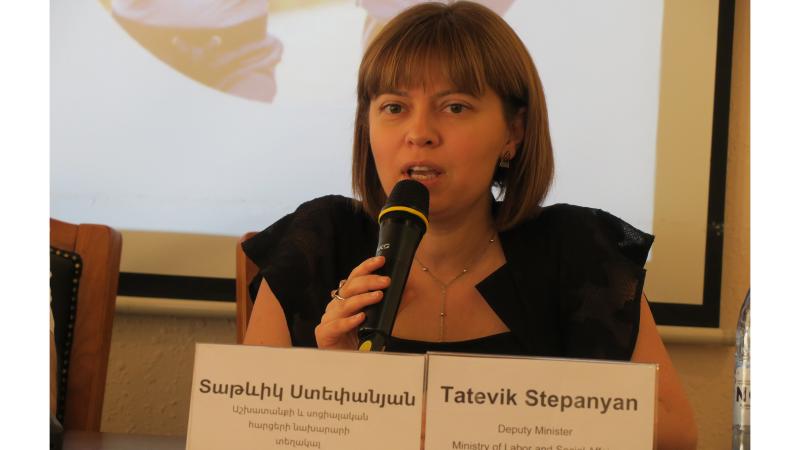
Deputy Minister of Labor and Social Affairs of the Republic of Armenia Tatevik Stepanyan expressed gratitude to the scientists at ASPU for implementation of the Program because together it was possible to concentrate the professional potential of the field and implement the reforms that had been postponed since 2010.
“We have a lot of work to do together and to develop, but the start is science-based. The Ministry of Labor and Social Affairs also coordinates the demography and is responsible for its development,” the Deputy Minister remarked and informed that the Ministry of Labor and Social Affairs will adopt a strategy on the demography for Armenia by September in order to help improve the demographic situation.
By the way, from now on, elders in Armenia will be referred to as representatives of the older generation, not elderly.
The Deputy Minister noted that today Armenia is considered an ageing country, with a 12.5% ageing society indicator.
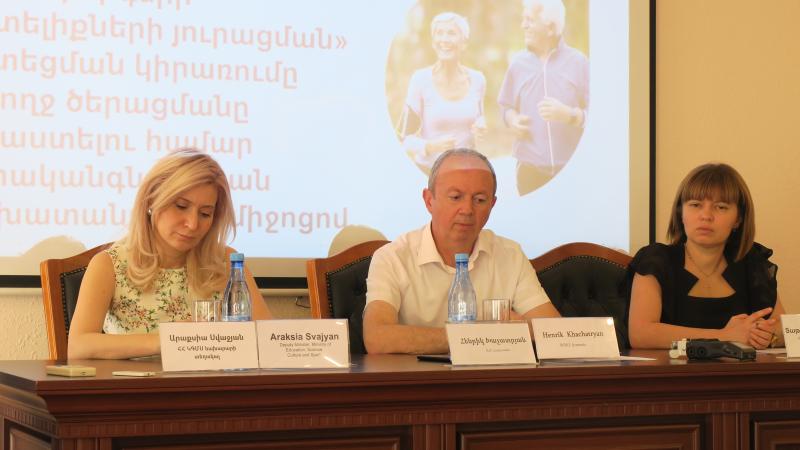
Deputy Minister of Education, Science, Culture and Sport of the Republic of Armenia Araksia Svajyan notes that both the international and local indicators are troubling and a matter of concern, adding that all us citizens of the country need to do our best — in our place and within the scope of our respective activities — to organize the processes effectively in order to solve or neutralize the raised issues. The Deputy Minister assures that the 3 responsible government agencies have discussed and continue to discuss what has to be done to make sure there are no gaps.
Araksia Svajyan believes it is necessary to tap into the potential of each and every citizen, especially in Armenia where the main emphasis is on children and youth.
The Deputy Minister talked about pedagogical-psychological service, the employment strategy and informal education and underscored the importance of adult education which has been shadowed for years.
Araksia Svajyan, who is also one of the lecturers of the Faculty of Special and Inclusive Education at the Armenian State Pedagogical University, emphasized that the ASPU is the only university in Armenia that prepares specialists in this sector and attached importance to any program that is targeted at this. “The sector is developing at lightning speed; we need to try to match the pace of educational programs with the pace of development of science, as well as prepare specialists who will have command of the technologies for support and will help beneficiaries use those technologies,” she said.
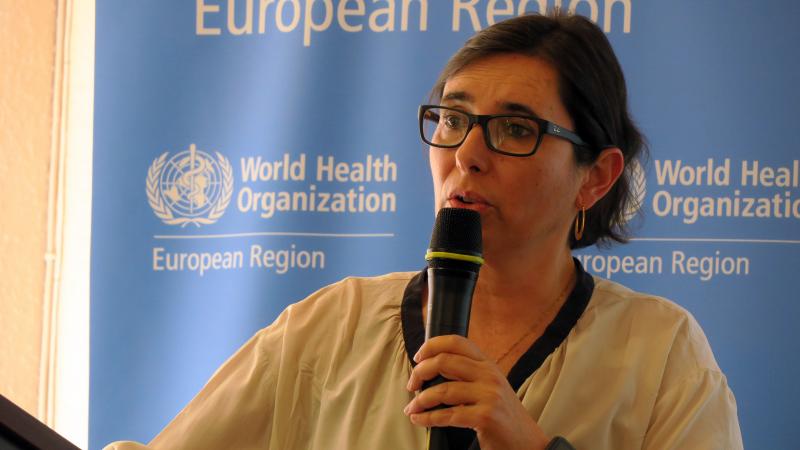
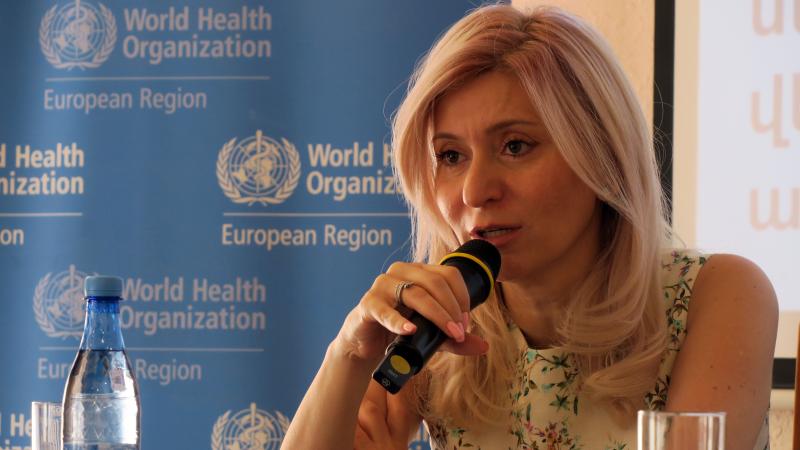
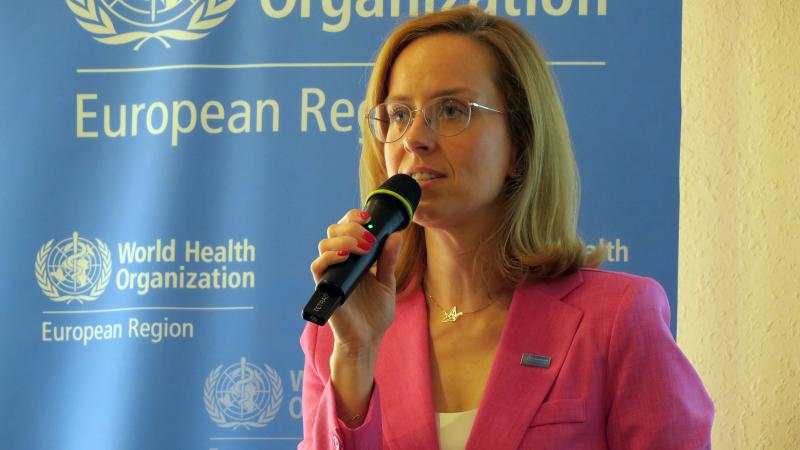
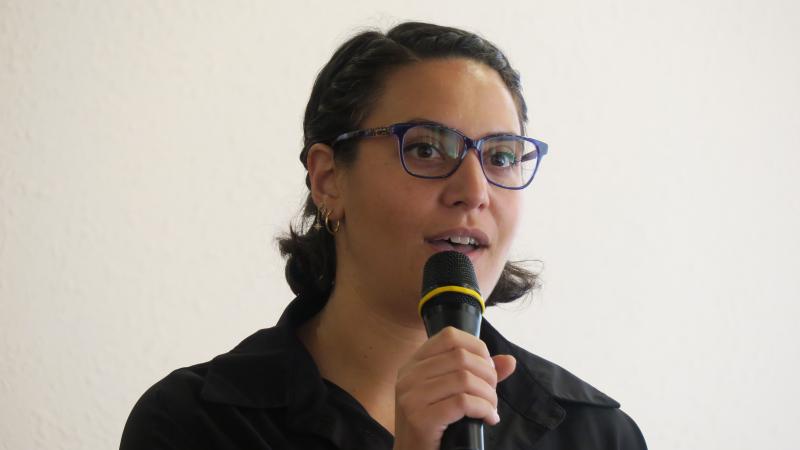
Vice Dean Department of Rehabilitation at the University of Lucerne, co-head WHO CC Rehabilitation in Health Systems Carla Sabariego presented the Project “Using the “Learning Health System” approach to Foster Healthy Ageing by Means of Rehabilitation” and their characteristics.
Sabariego regretted to note that Armenia is a country with an ageing society and presented the 4 main targets for solving the problem and encouraging the society. Carla Sabariego mentioned that rehabilitation is just one component, but it can foster healthy ageing.
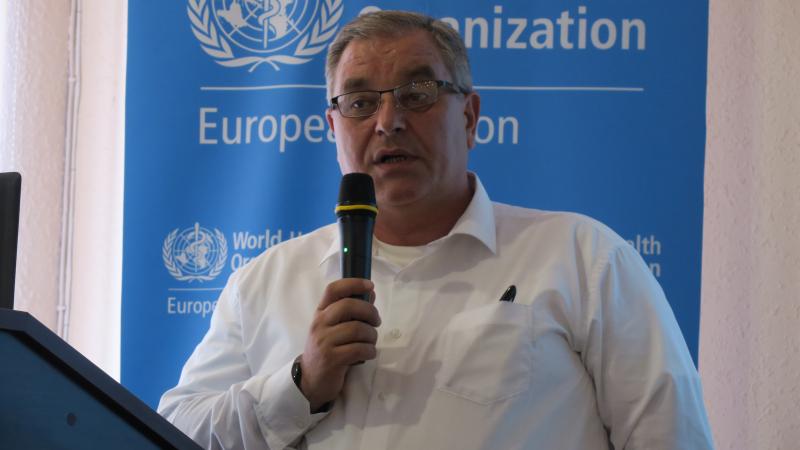
Based on statistical data, Armenia’s Representative to the World Health Organization Henrik Khachatryan talked about the importance of the Program around the world and in Armenia and highlighted the fact that the WHO pictures healthy ageing through maintenance of the functional capabilities of the elderly from the perspectives of meeting their basic needs, their re-education, the solutions to their social problems and other perspectives.
“The elderly face more and more health problems during their lifetime. The WHO encourages the elderly to be ready to help themselves. The years leading up to 2030 should be a decade of health, and so, once again, emphasis is placed on this program for the welfare of the elderly so that it is implemented successfully in Armenia as well,” the WHO Representative mentioned.
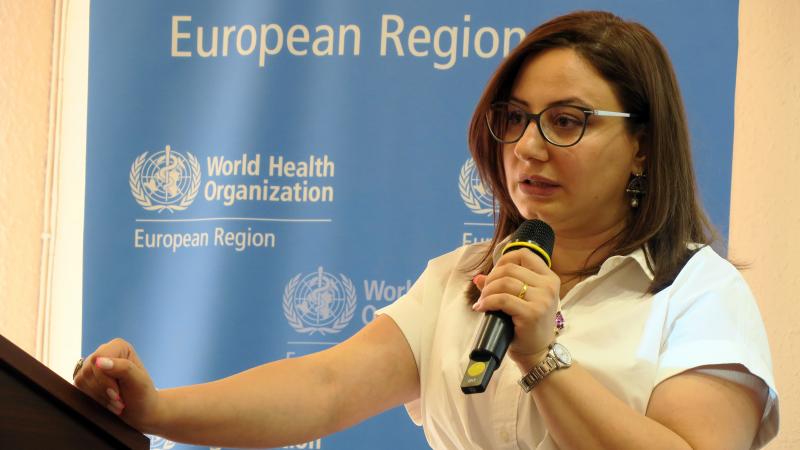
During the pilot meeting, Head of the Rehabilitation, Assistive Technologies and Disability Inclusivity Program of the WHO Office in Armenia Zhanna Harutyunyan touched upon Armenia’s achievements in the rehabilitation sector, the technical operations carried out by the WHO for rehabilitative and auxiliary technologies; Rehabilitation Workforce Technical Specialist of WHO Regional Office in Europe Weronika Krzepkowska talked about assistance in rehabilitative planning and development through the Guide for Rehabilitation Workforce Evaluation (GROWE); Representative of the National Health Institute Anastas Aghazaryan presented the value of the National Strategy for Rehabilitation and Assistive Technologies and the Action Plan for Implementation of the Strategy.
During the Project, representatives of the University of Lucerne will conduct training sessions tomorrow.