- Հայ
- Рус
- Eng
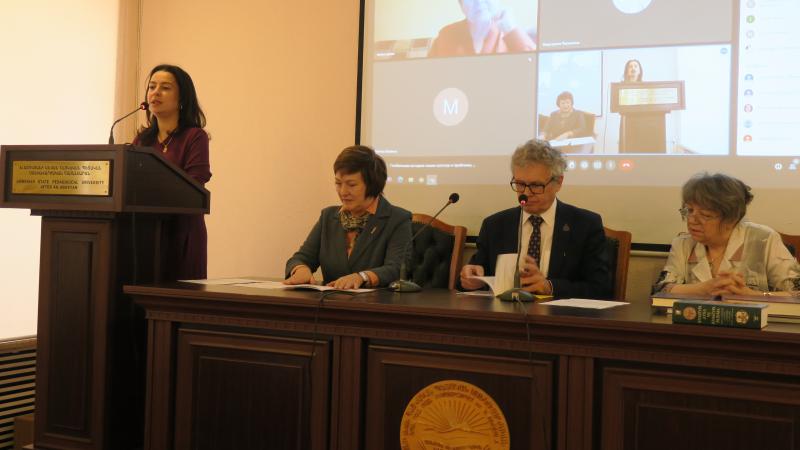
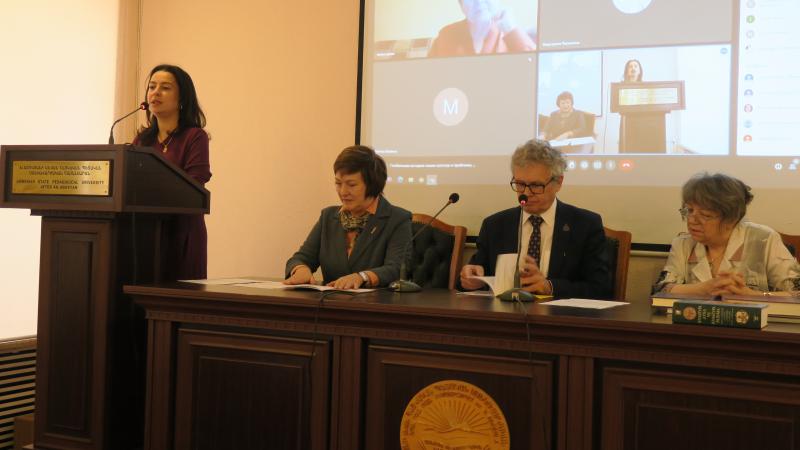
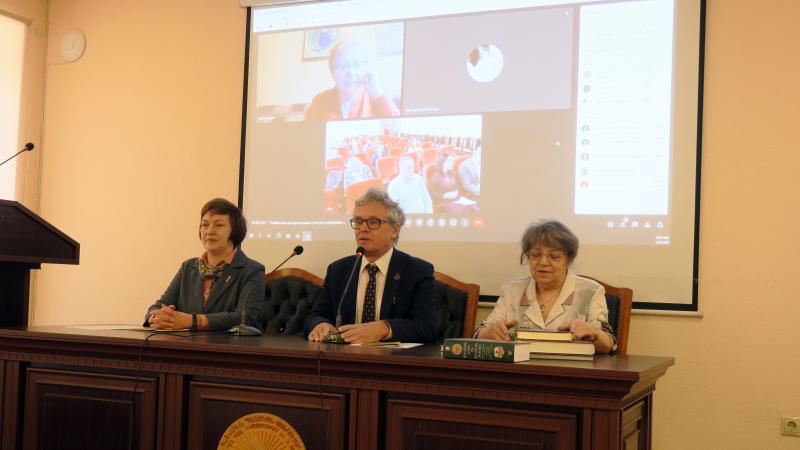
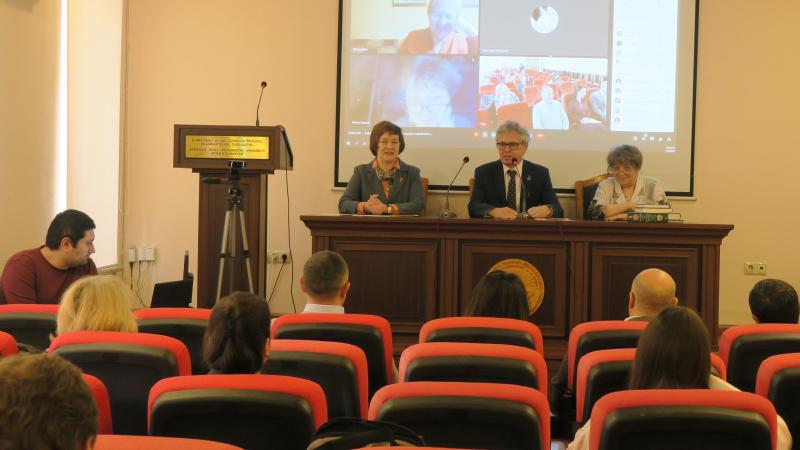
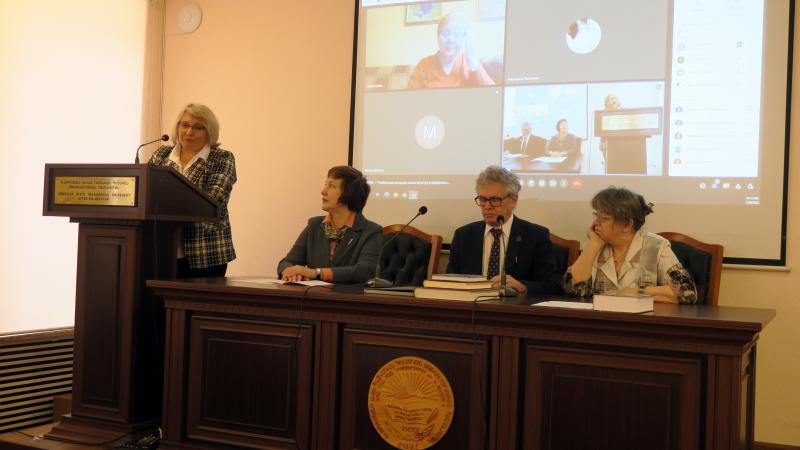
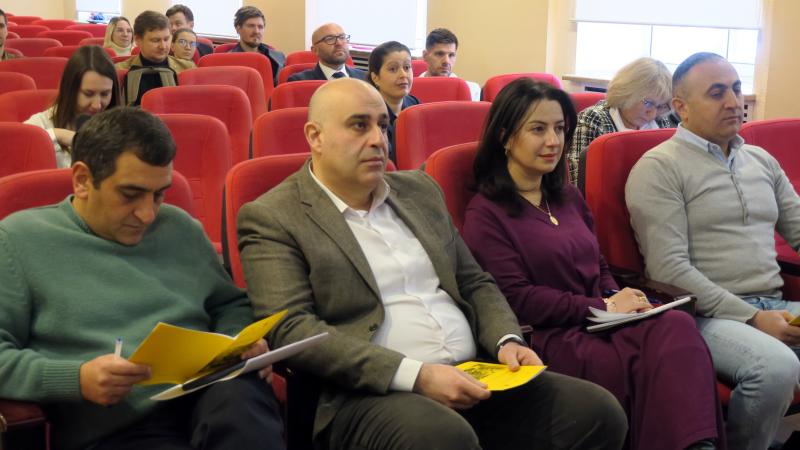
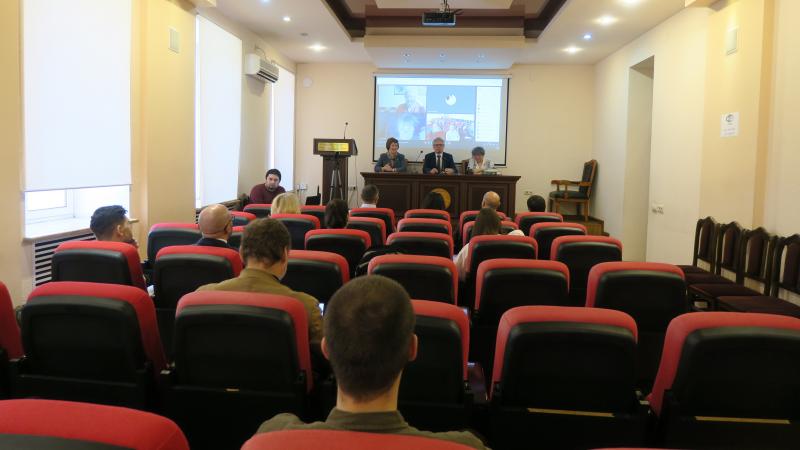
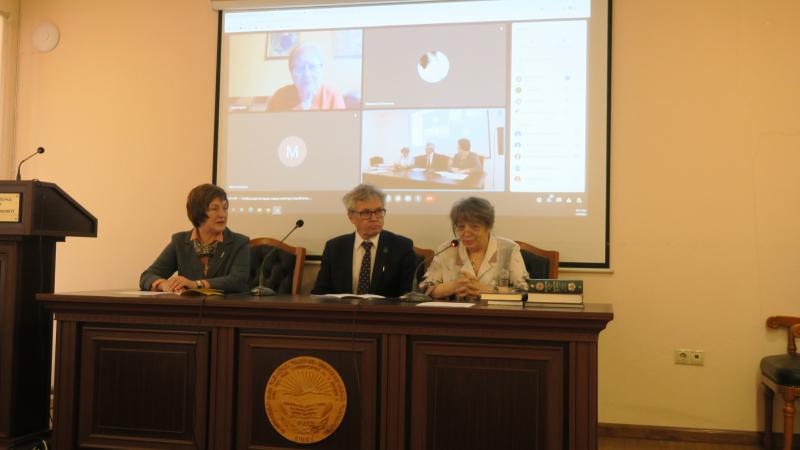
An international scientific and practical seminar entitled “Global History: Language of Cultures and Issues in Translatability" started at ASPU on January 30. The four-day event organized within the framework of cooperation between ASPU and Ural Federal University named after the first President of Russia B. N. Yeltsin (UrFU) is being held in a hybrid (online and onsite) format. The seminar has brought together representatives of other educational institutions as well.
Welcoming the seminar participants and all those, who joined the event online, Marianna Harutyunyan, ASPU Vice-Rector for Human Resources and International Cooperation, wished them fruitful and productive work. She emphasized the importance of the topic, saying it will allow raising and discussing a number of key issues related to the topic.
“We all know that translation has an important role in culture of human development and in culture in general. Translation should be based on the knowledge of history, culture and literature of the source language - the language being translated from," Marianna Harutyunyan said adding that the event once again proves that the cooperation agreement signed between the two universities back in 2021 is in full force and effect.
Professor Nikolay Baranov, Head of the Chair of Modern and Contemporary History at UrFU, thanked his Armenian colleagues for the warm hospitality. He says schoolchildren in the Soviet era had heard about Armenia, the oldest country in the Soviet Union. Yerevan is a wonderful place to host scientific events, he added.
Nikolay Baranov conveyed UrFU’s invitation [to ASPU representatives] to participate in important initiatives to be held at UrFU in 2023, which, he stressed, is are of mutual interest from the perspective of strengthening and continuing effective cooperation between the two universities under question.
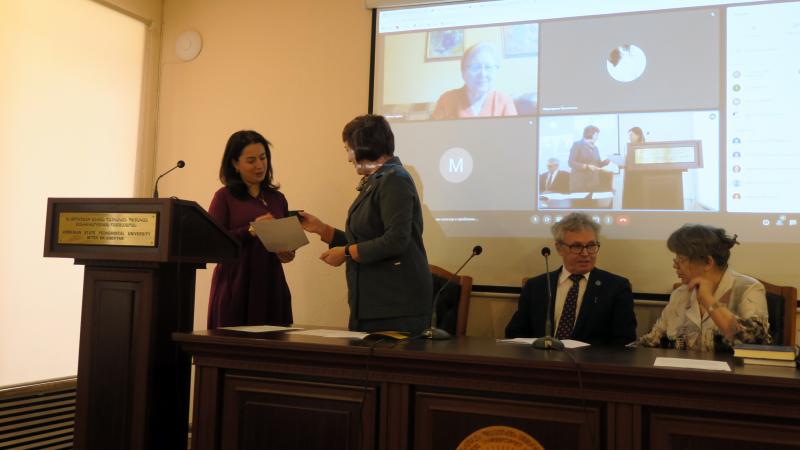
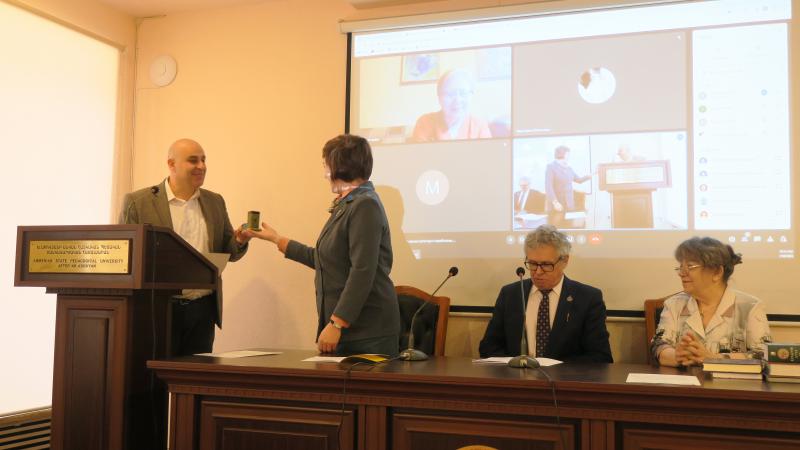
Veronika Vysokova, Professor of the Chair of Modern and Contemporary History at UrFU, handed letters of thanks to ASPU Vice-Rector Marianna Harutyunyan and Dean of the Faculty of History and Social Sciences Edgar Hovhannisyan.
The official part was followed by reports, with participants addressing issues in translation, studies and practice, new methods, etc.
The international seminar will continue until February 3.