- Հայ
- Рус
- Eng
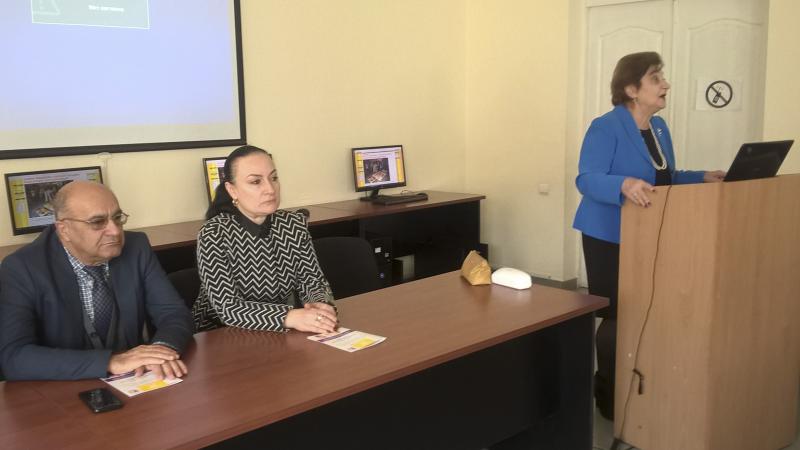
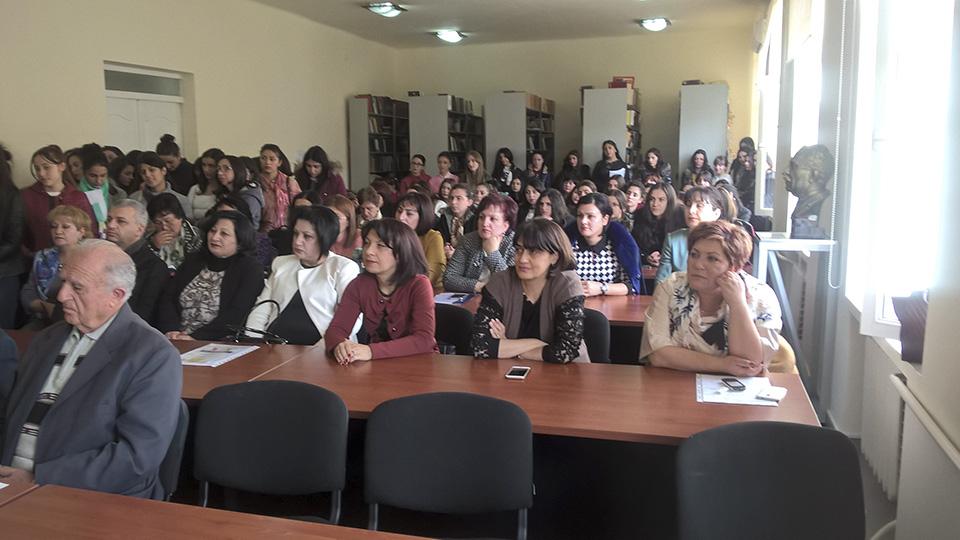
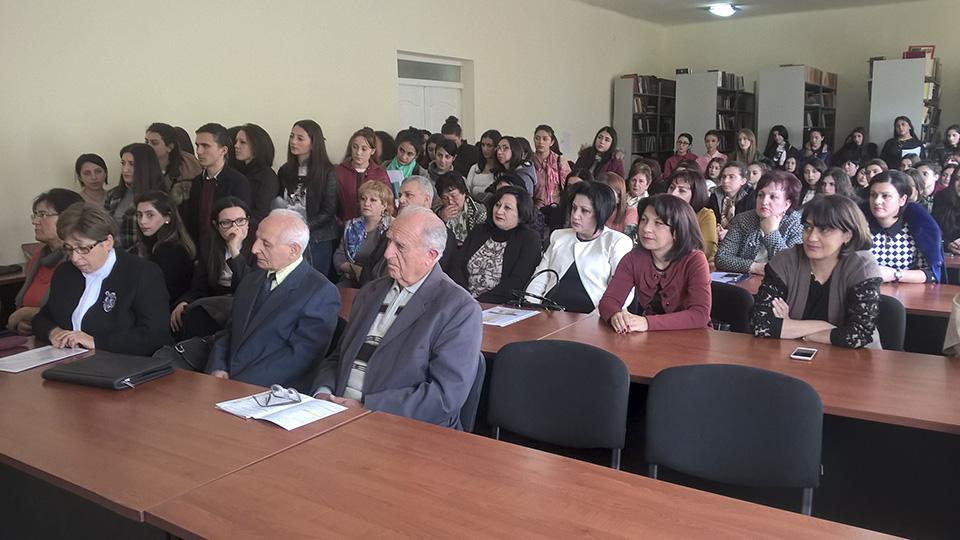
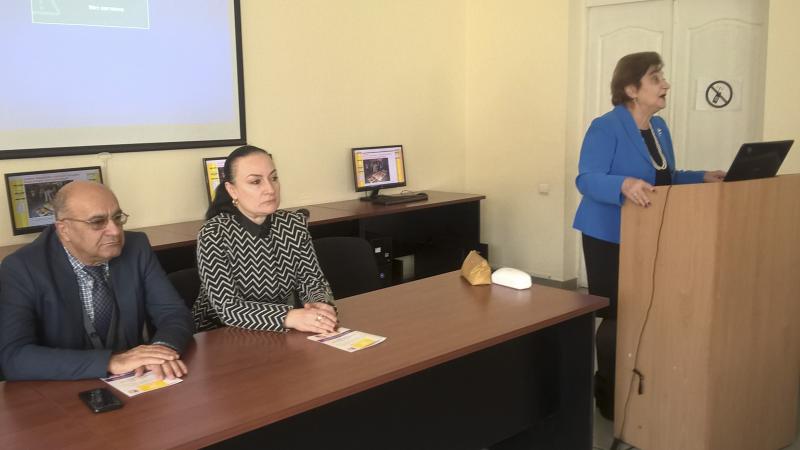
A scientific session headed “Key Issues in Armenian Language Teaching Methodology” was held at the Pedagogical University by the initiative of the Chair of Armenian Language and its Teaching Methods of the ASPU Faculty of Philology.
Among those participating in the scientific session organized on the 95th anniversary of establishment of the Pedagogical University were invited specialists from the National Education Institute, teachers from regional schools and schools of Artsakh.
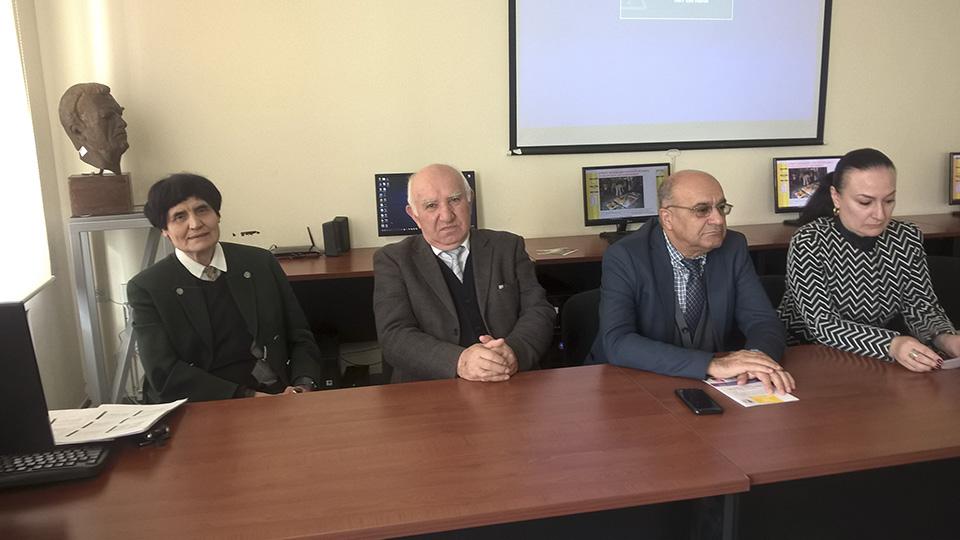
The ASPU Vice-Rector of Academic Affairs Srbouhi Gevorgyan highlighted the importance of organizing conferences and scientific session within the scope of the University’s anniversary on these days, when new approaches are suggested for each profession. Besides, she emphasized the actuality of topics presented at the scientific session and assured that the proposed questions required new interpretation. Moreover, the Vice-Rector mentioned that the Chair of Armenian Language and its Teaching Methods continuously referred to the realities that were changing with the flow of time changing the methods therewith.
“We have highest level of responsibility to the trainings of teachers, preparing competitive specialists able to independently act in the labour market and educate healthy generations “, mentioned the Dean of the Faculty of Philology Ashot Galstyan.
Likewise, he added that the topic of the scientific session was actual and closely related to the issues of teaching methodologies of Armenian language and literature, to the structure of a modern Armenian language and literature lesson at universities and schools, to the types of current lessons, types of up-to-date lessons, the required competencies to be included and how to transfer them to the students , etc.
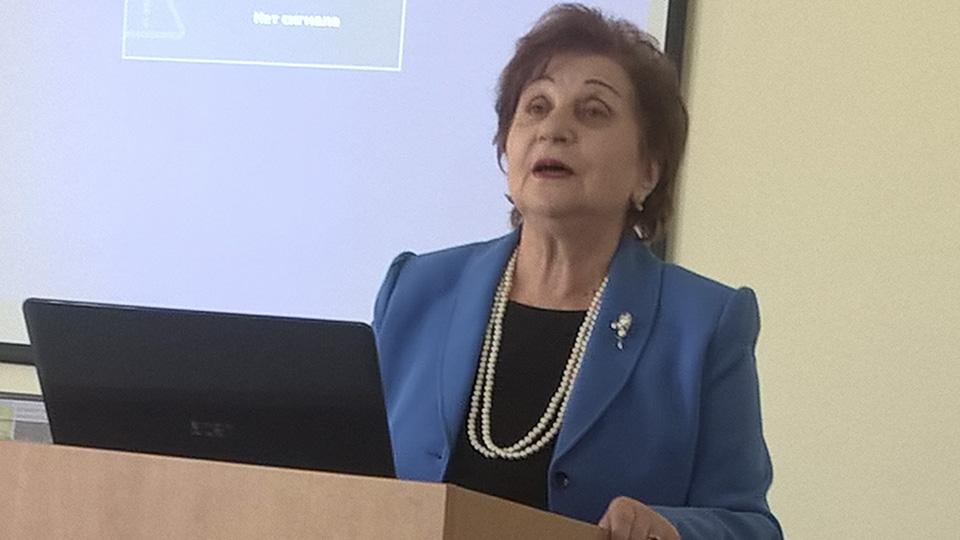
At the plenary session, Professor Aelita Doloukhanyan referred to the importance of studying the biography of Hovhannes Tumanyan during Armenian language lessons, assuring that the writer’s work is the classical manifestation of centuries- old wisdom of Armenian people as representatives of ancient civilization.
“Knowing the life of Tumanyan is vital need for every Armenian. He believed that the Armenian nation could walk in line with generations of great nations of the civilized world. He dreamed of bringing Armenian children and youth closer to the greatest manifestations of the World culture”, mentioned Professor Dolukhanyan and added that, from the pedagogical perspective, it was also very important to study Hovhannes Toumanyan’s bright and patriotic biography for Armenian children and youth during their native language classes.
Later on, Professor Melanya Astvatsatryan delivered her report and introduced forms of teaching contemporary languages in times of institutional multilingualism.
“Education is not for life, it is life itself, and in order to study one must be able to communicate”, mentioned the Professor and referred to the new trends of education development and learning languages, spoke about the new education paradigm that required development of people’s self-satisfaction, their creative capacity, critical thinking, etc.
As well as, during her speech Ms. Melanya Astvatsatryan outlined the necessity of creating a new learning environment, stressed out the role of peculiarities of teaching languages in intercultural relationships, and added the following:
“In the process of each programme, special attention should be made to the interrelations of languages and culture, which will contribute to generating a joint methodology of teaching languages.”
The Scientific session proceeded in four groups each lead by the professors Vazgen Hambardzumyan, Souren Danielyan, Julietta Gyulamiryan, and Associate Professor Gayanei Khalatyan. The session was summed up with the final meeting, where the Chairmen presented their reports, and the organizational committee concluded the results.