- Հայ
- Рус
- Eng
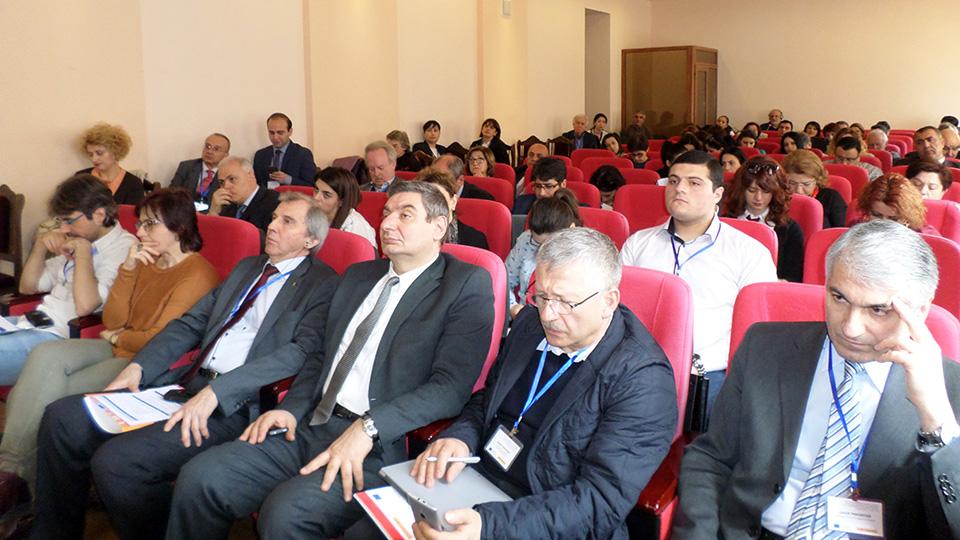
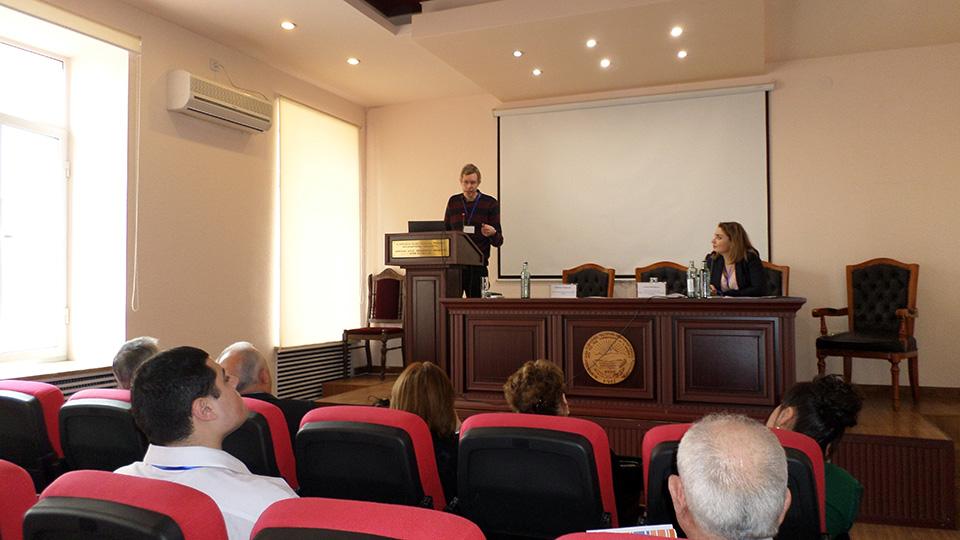
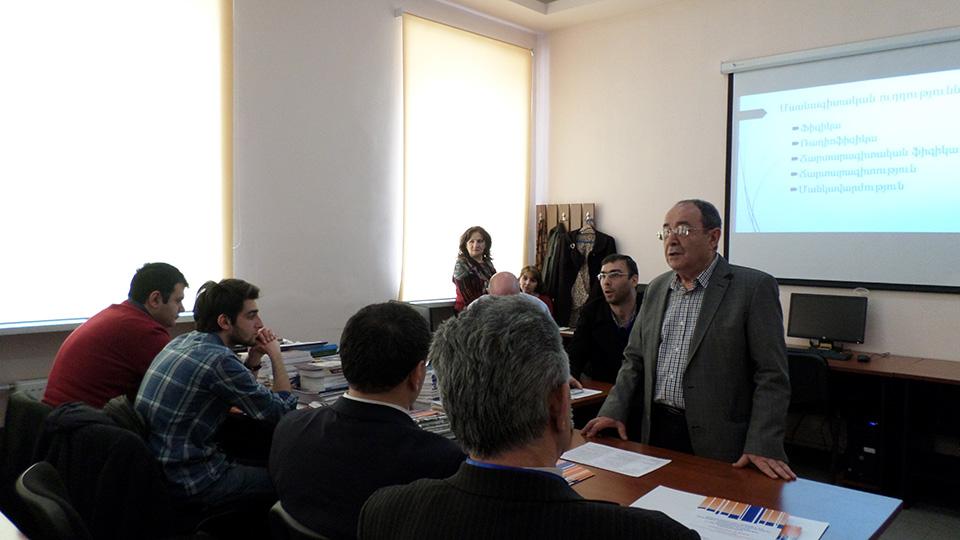
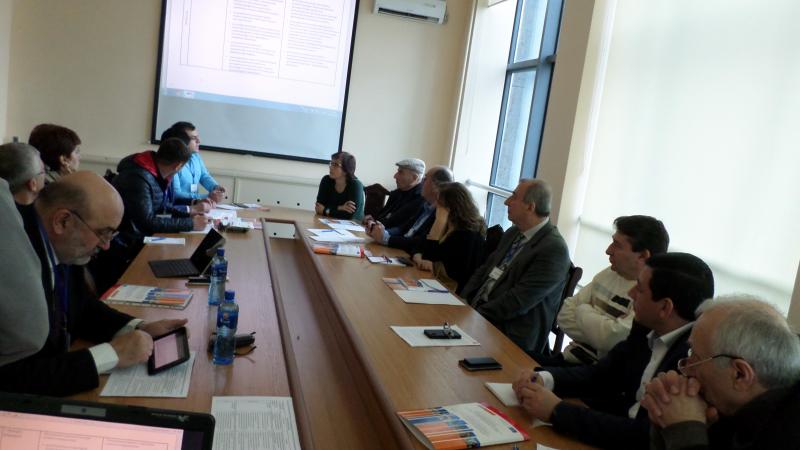
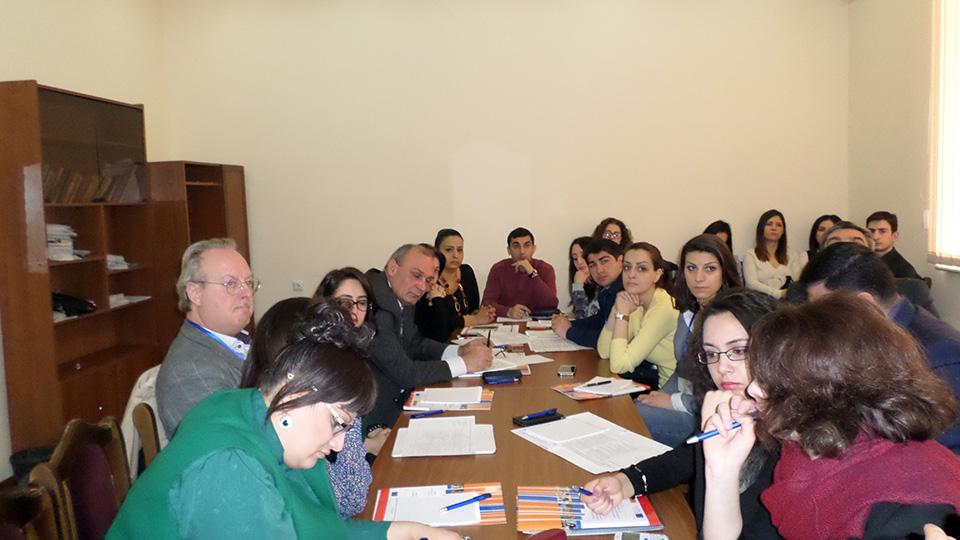
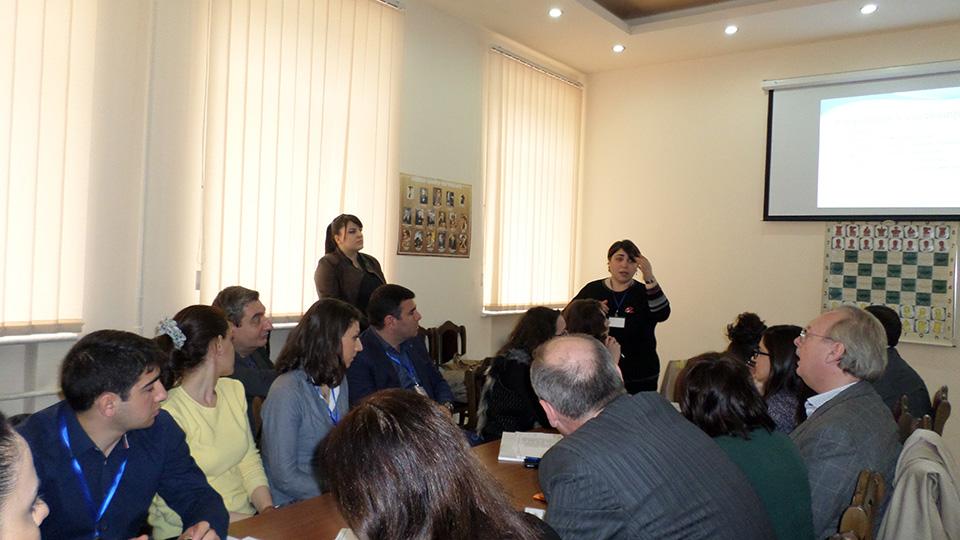
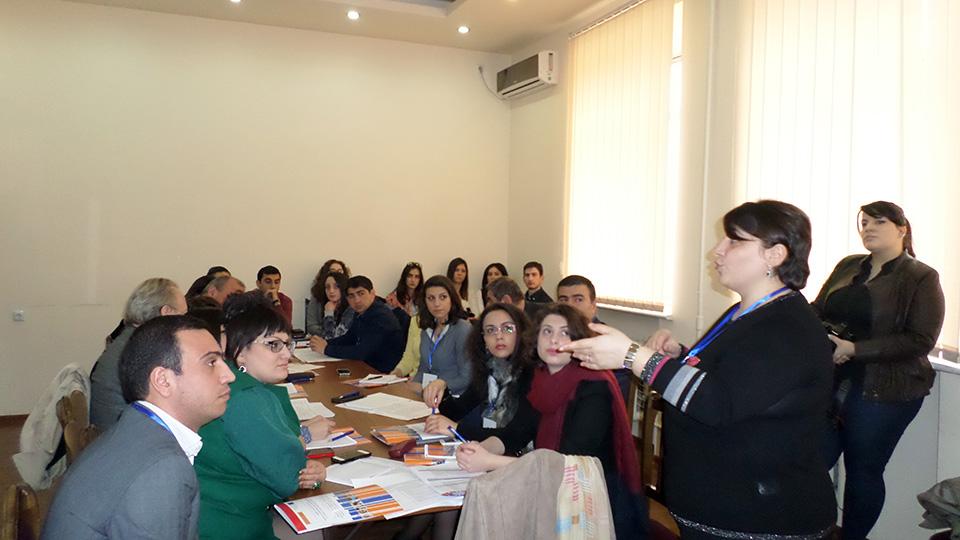
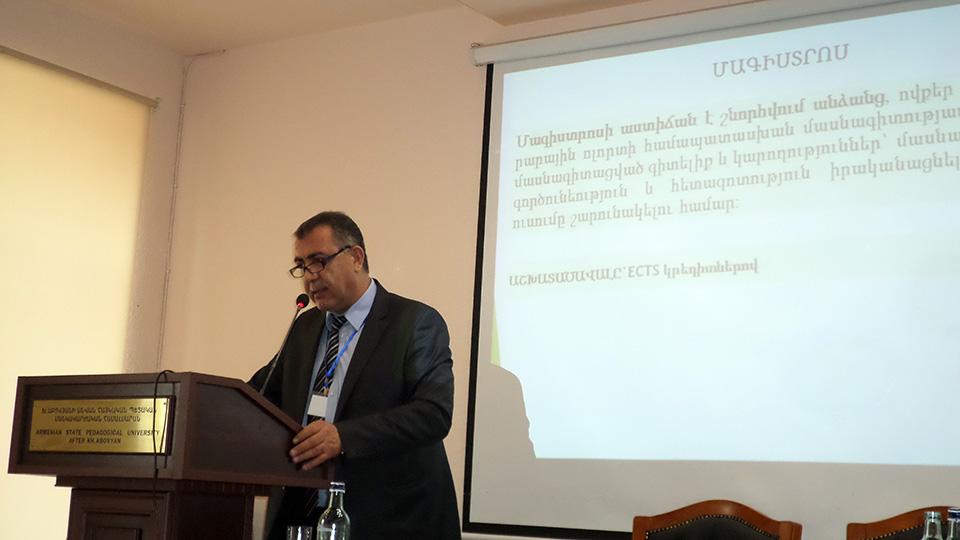
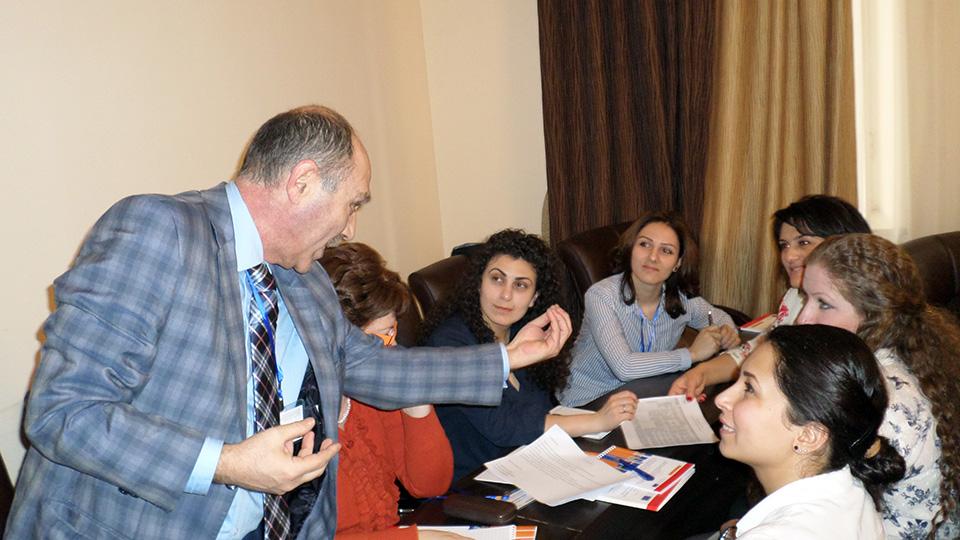
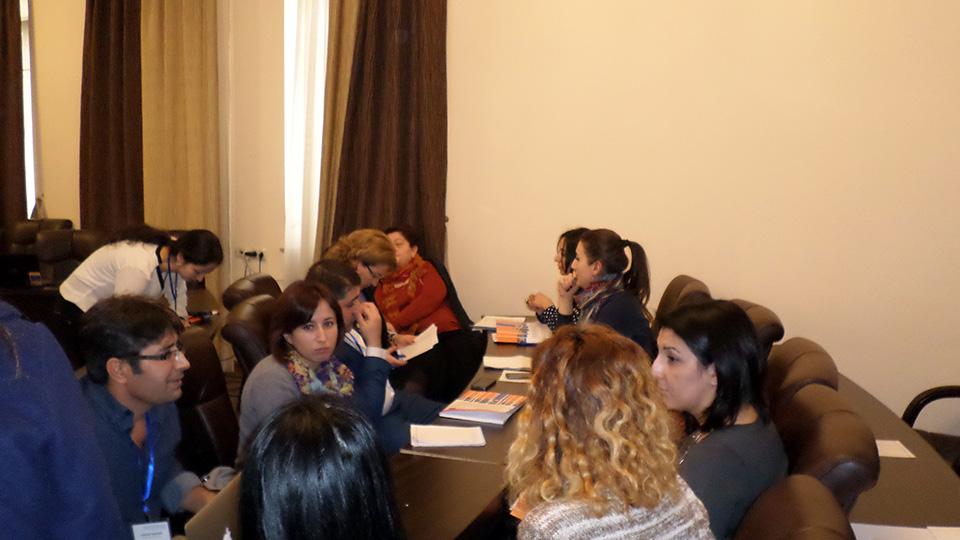
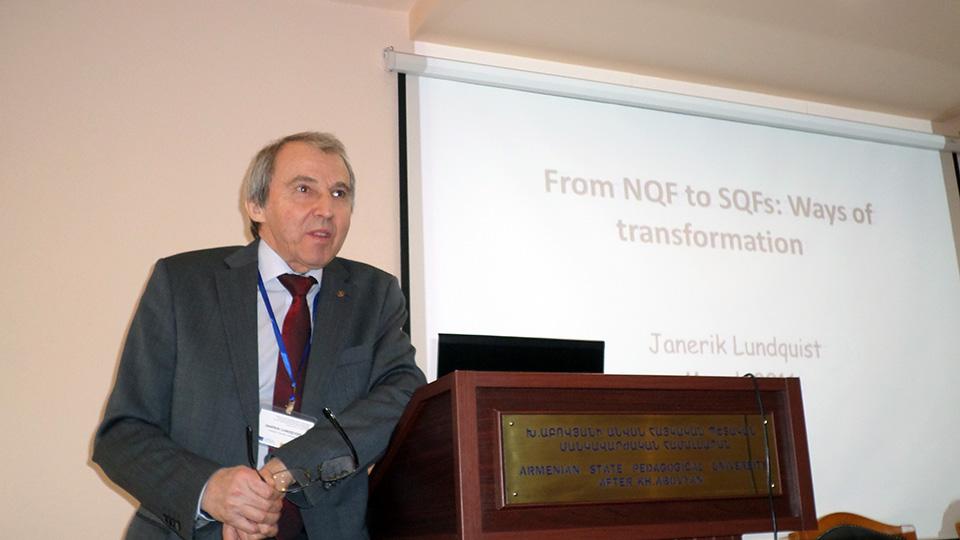
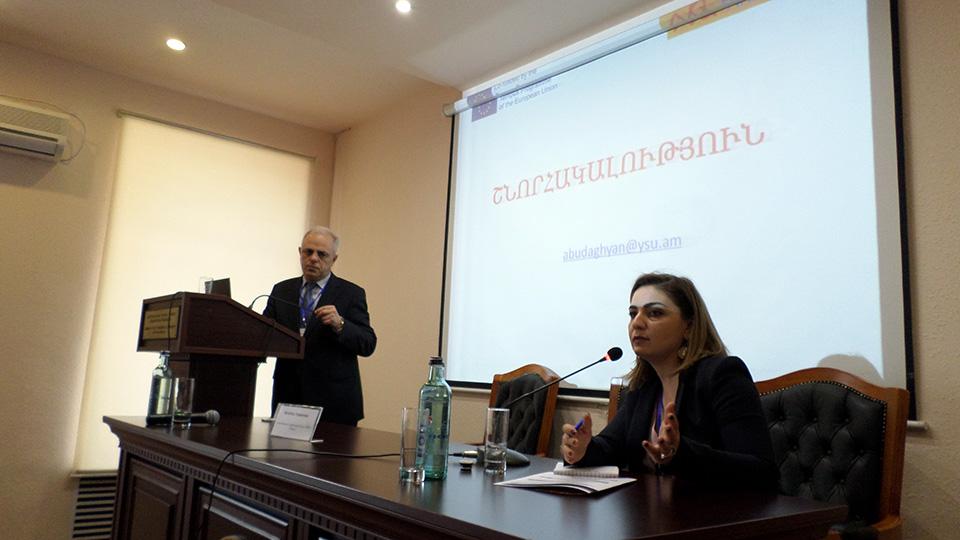
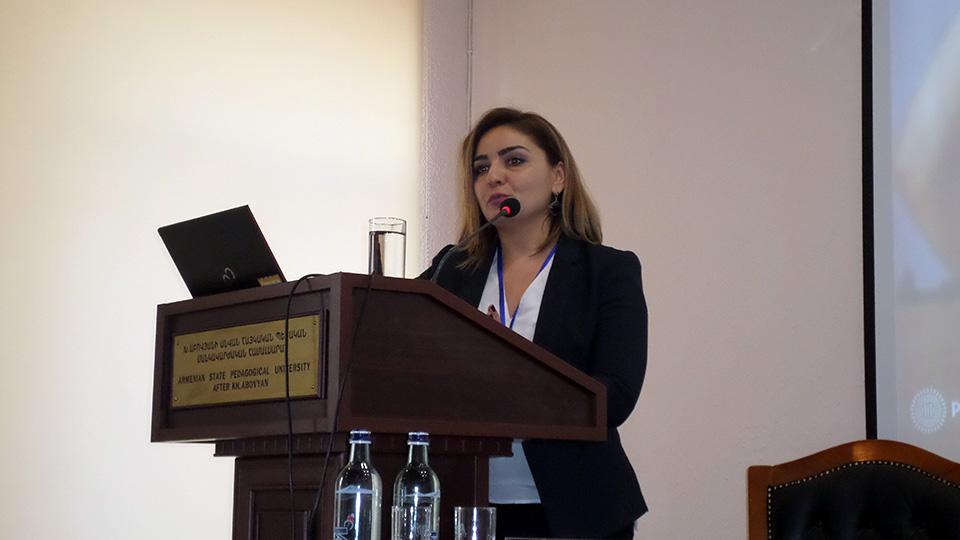
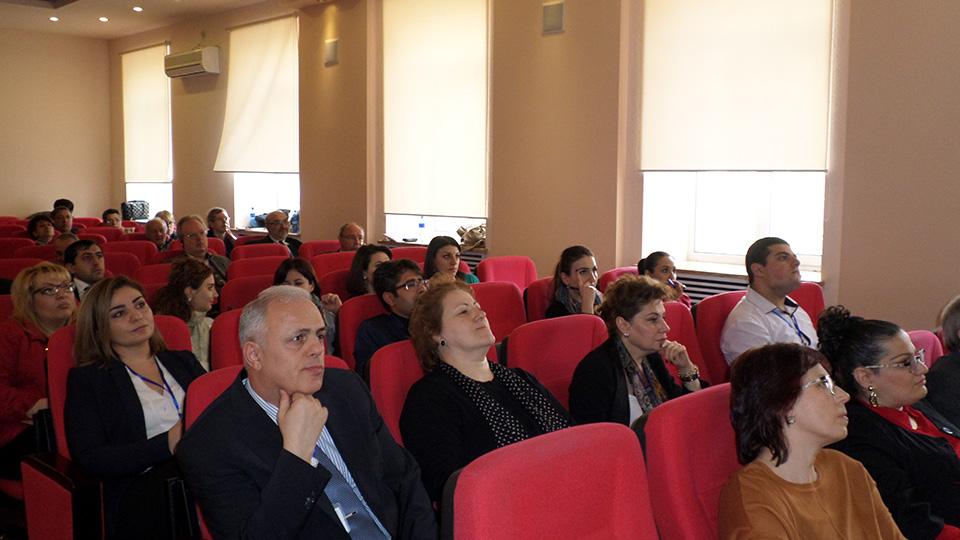
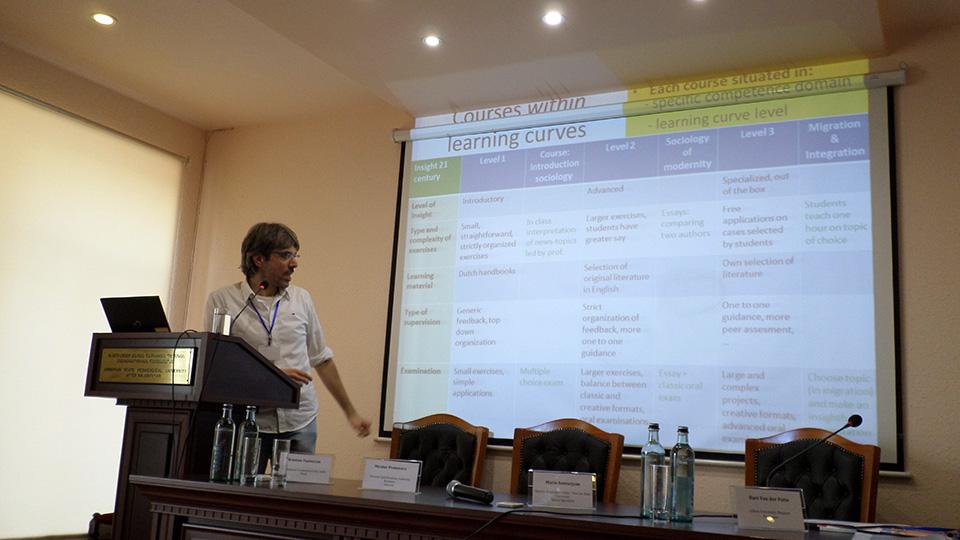
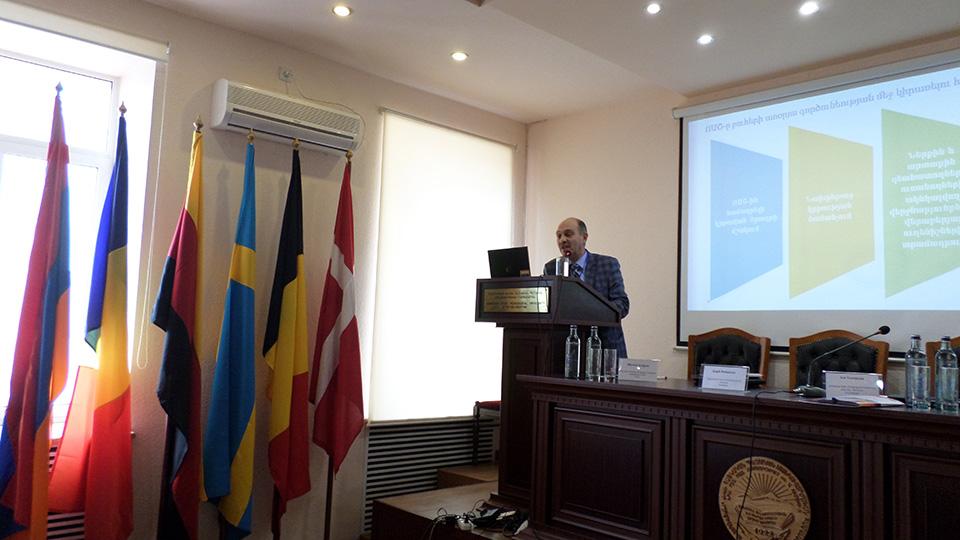
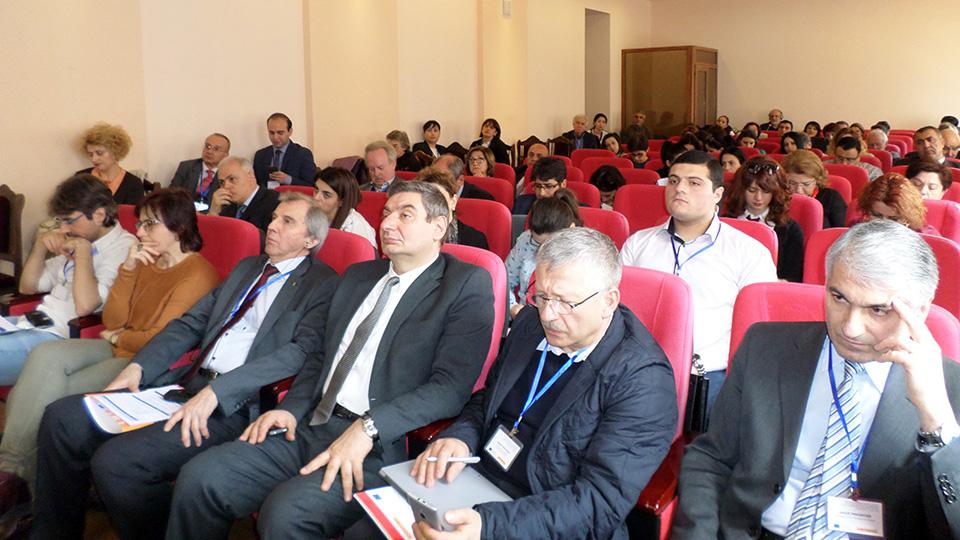
Today, the two-day conference on “Implementation of National and Sectorial Qualifications Frameworks in the RA Higher Education System” summarized its results and outlined further activities within the scope of the TEMPUS ARMENQA project.
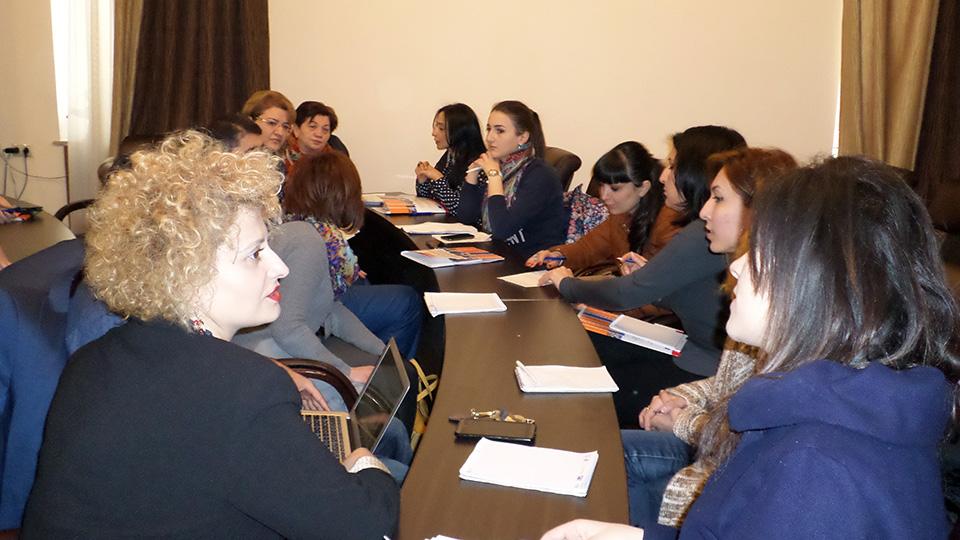
The representatives of institutions involved in parallel works of several branches presented their observations, the problems of sectorial qualification frameworks in our country and thoroughly referred to the issues of 5 sectorial frameworks of Education, Agriculture, Law, Civil Construction and Physics.
The Head of the ERASMUS+ national office in Armenia Lana Karlova is pleased with the outcomes of the conference; discussions allow us to suggest more practical steps for the implementation of the project, form new scope of capacities and skills.
“The National Qualification Framework is a necessity for all of us, thus, we should create a platform where we can jointly recommend, listen to, deliberate and adopt a document which should not only be approved, but also applied in practice”, the project leader mentioned in her interview to the old.aspu.am.
In her turn, Christina Tsaturyan- the Head of the Department of International Cooperation of the Pedagogical University, which is one of the coordinators of the TEMPUS ARMENQA in Armenia, notices that the conference was a successful practice of not only dissemination of information but also of involving the relevant stakeholders in the activities.
“Representatives of massive employers from various sectors also showed active participation in the conference to ensure the university-employer relations, to formulate the requirements of the labour market and results of studies deriving therefrom”.
During her conversation with the old.aspu.am Christina Tsaturyan was happy to inform that the observations on interim report by the European Commission had already been received; they had highly evaluated the conducted work based on the monitoring.
In the opinion of the Head of International Cooperation, the course of activities was successful as they managed to ensure the involvement of all stakeholders into the process.
“National Qualification Framework will become a practical tool for the universities which will be guided by that document from the perspective of developing their curriculum and the outcomes.”
Later on, the Deputy Vice-Rector of the YSU, Director of the Quality Assurance Center Armen Budaghyan agreed that the conference was a success; discussions within the framework of sectorial qualifications will be practically reflected in advancing their developments to the next phase.
“The activities of already formulated groups that hold certain arrangements must continue even after the project as it will take long time for the document to the admitted by everybody.”