- Հայ
- Рус
- Eng
On the second day of the conference intended for Geography teacher training, the participants delivered reports focusing on the use of maps in geography-related problems,
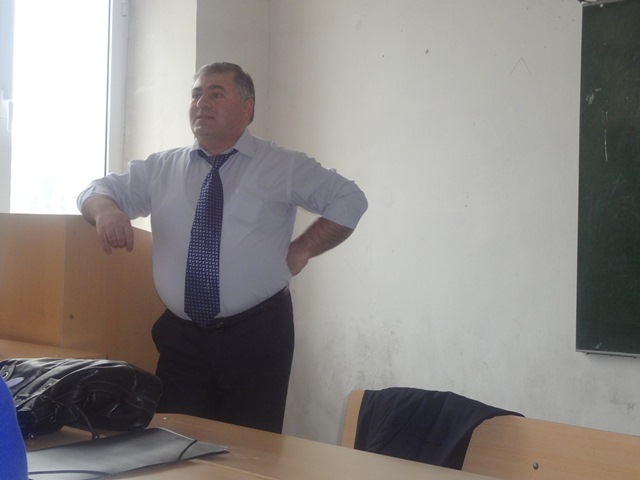
present-day models of Geography and the need to use different methods in learning process.
Ashot Khachatryan, a specialist of Geography at the National Institute of Education, highlighted in his report the use of maps when dealing with geographical problems. “Maps are a major source for acquiring fundamental geographic knowledge, they are cognitive methods that help reveal the links between objects and phenomena, explain and identify the patterns,” he said.
Underscoring the importance of maps, A. Minasyan, Associate Professor at the Chair of Socio-economic Geography and Methods of Teaching Geography, introduced the present-day model of the geography lesson. He chose the theme “Australia: General Description” from the school curriculum and presented the opportunities of map-using. He also referred to the educational purpose of maps at different stages of a lesson.
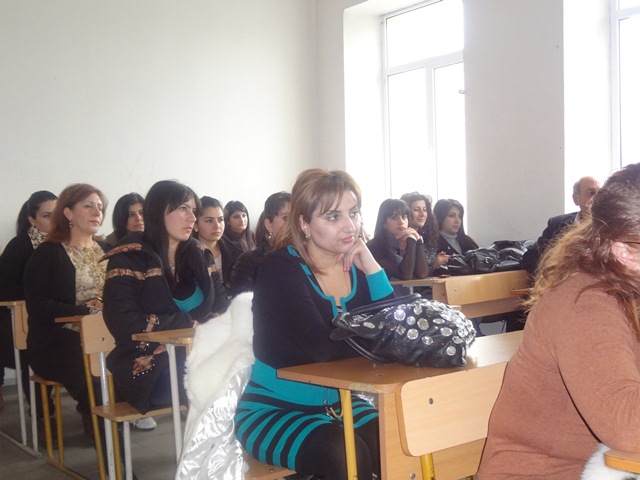
Referring to the methods used at Geography lessons Kh. Sargsyan, Candidate of Geographical Sciences, Professor at the Chair of Socio-economic Geography and Methods of Teaching Geography, dwelt on collaborative and interactive learning. “Many people in Armenia use the method of group work, but few are aware of the basic elements and methods of collaborative learning and the skills of their integrated application.
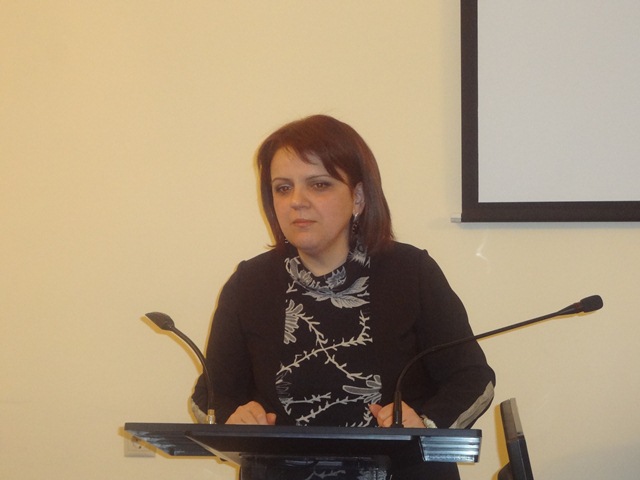
The results of the two-day training conference were summarized at the end of the meeting. Srbuhi Gevorgyan, ASPU Vice-Rector for Educational and Scientific Affairs, wished the trainees productive and fruitful activity.
The attendees unanimously agreed that the workshop was useful, effective and goal-directed, with the material introducing novelty in the methods of Geography.
Leily Kyureghyan, a Geography teacher at N192 Basic School, has participated in numerous training programs, but she says this one is especially important. “Despite the scarcity of technical capabilities of our schools we should try to keep abreast of the times and find ways to use this method in a relevant cabinet,” she said.
Hovhannes Gasparyan, a Geography teacher at N 5 School in Vagharshapat, expressed his gratitude to the organizers of the training, saying: “Textbooks, standards and
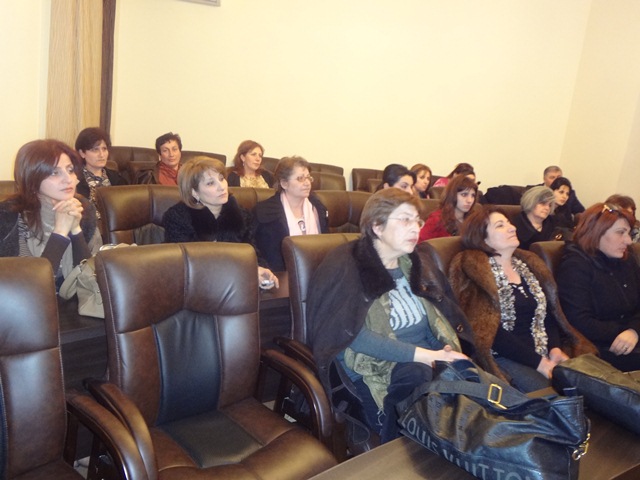
requirements for teaching are constantly changing. Thanks to workshops organized by the Pedagogical University we get informed on the latest methods and receive methodological support.”
The skillful teacher, who has at least 20 years of teaching experience, says Geography [with its practicums] is not properly taught at school. In order to strengthen the relationship between schools and universities it is desirable that all schools closely cooperate with the Pedagogical University, said the teacher.
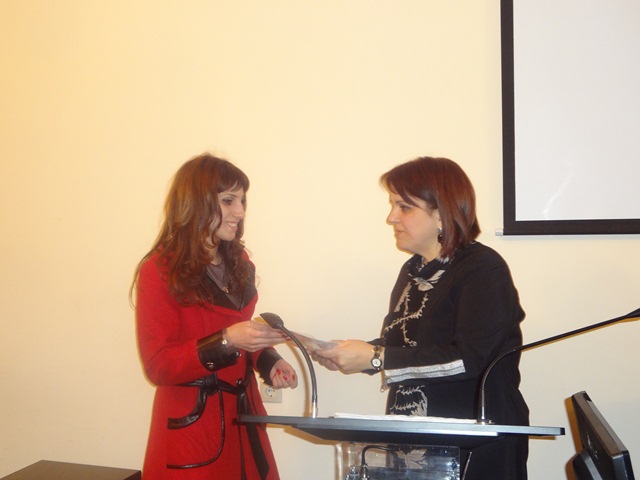
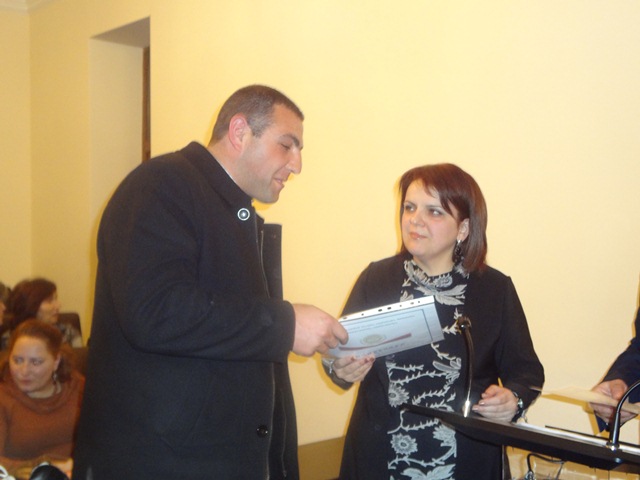
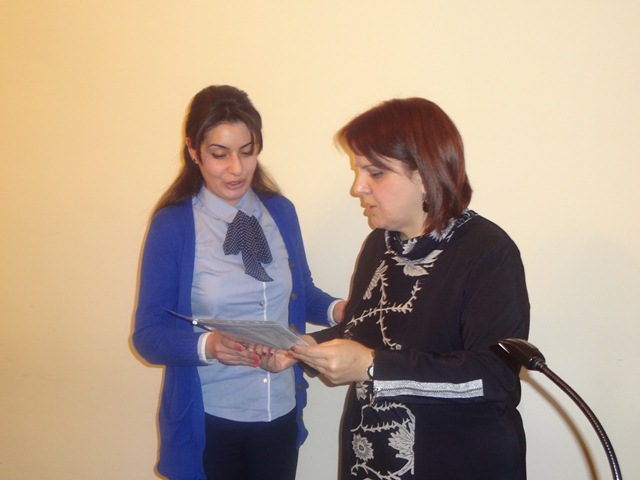
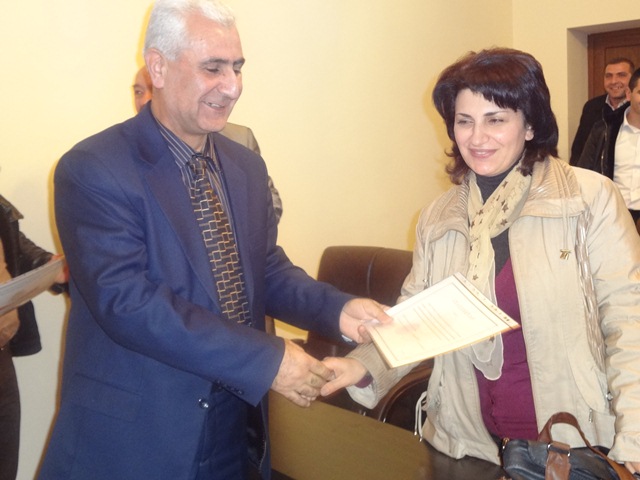
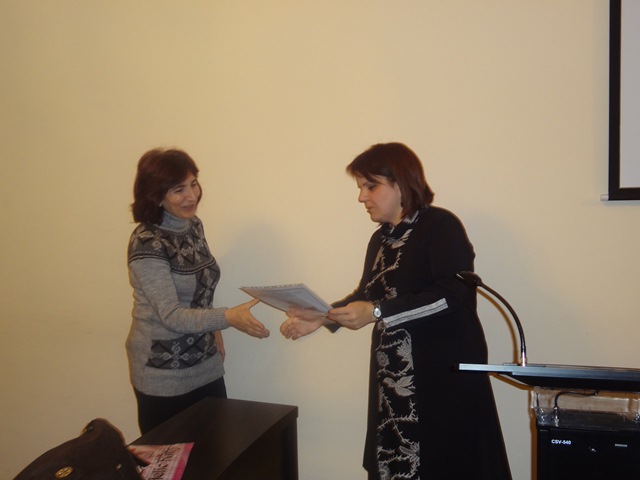
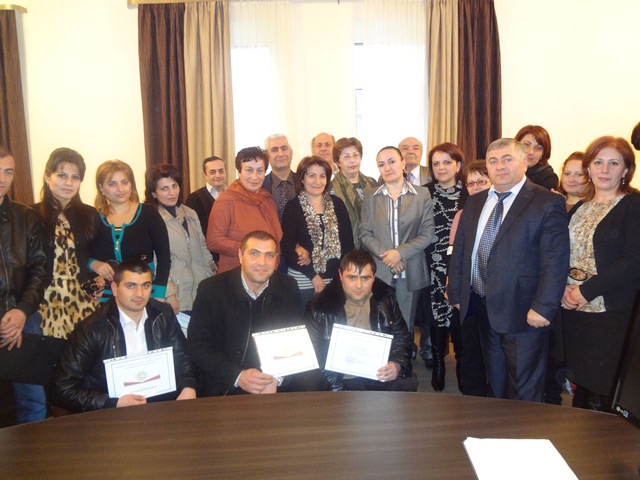
The Center for Professional Qualification Development and Intercollegiate Cooperation handed over the participants certificates confirming their attendance to the professional qualification course.
The full package of electronic maps is available on the page of the Chair of Socio-economic Geography and Methods of Teaching Geography.