“It is impossible to imagine the development of memory and mental abilities without chess,” psychologist of the Chess Academy Sona Poghosyan cited the words of educator
Vasily Sukhomlinsky, adding that chess should be taught at elementary schools as an element of intellectual culture.
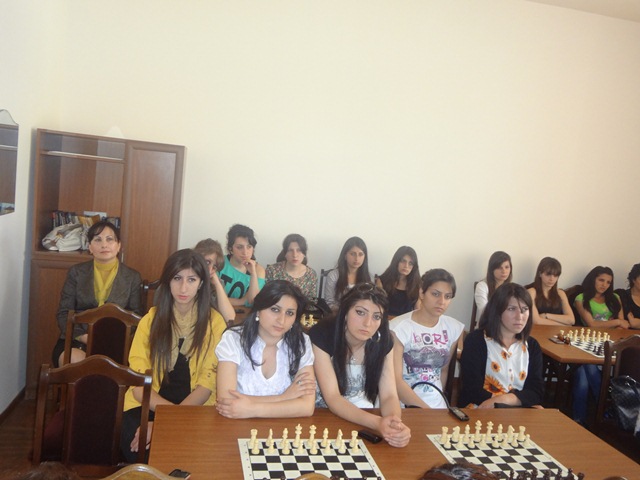
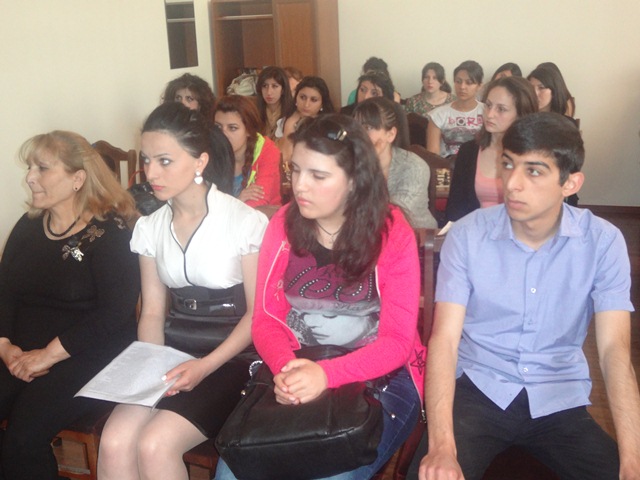
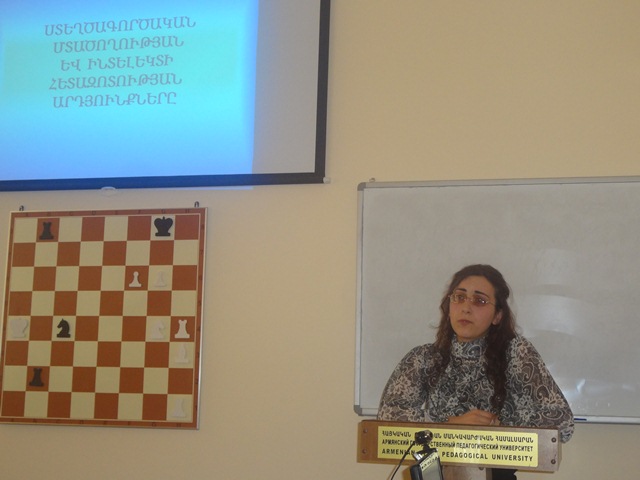
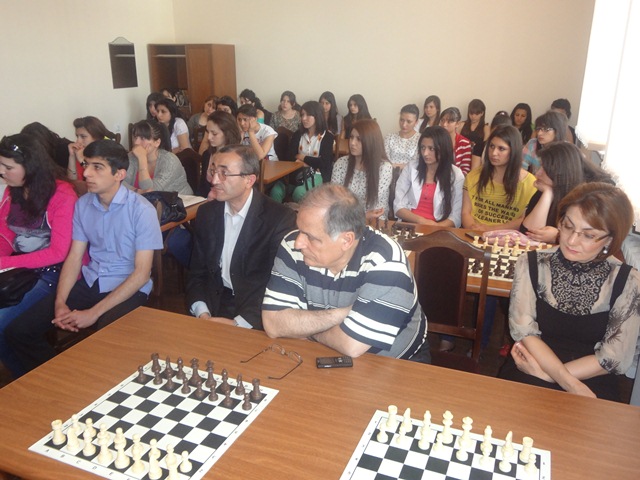
During the recent scientific and practical seminar entitled “The Role of Chess in Education,” the psychologist referred to the teaching of chess at elementary schools and presented the results of a survey that aimed to check the creative thinking and intellect of pupils at three schools. “Chess is not only a game that gives fun and pleasure to children, but also an effective way to develop their mental abilities and internal action plan - the capacity to do calculations in mind. The results of the research show that the introduction of chess at school at the early stage of learning contributes to the efficiency of the educational process and has a great role in the development of the individual and his abilities,” she said during the seminar held at the Chess auditorium of Armenian State Pedagogical University.
While presenting the results of the survey, Sona Poghosyan stressed that chess develops one’s visual thinking, contributes to the emergence of logical thinking, promotes endurance and goal-orientation; the child becomes more organized, learns to think independently, make decisions, fight to the end and face failures without depression.
“Comparing the results of pupils showing high academic performance with those of other pupils we found out that the first ones have significant advantages according to all indices. The average similarity index is higher among third graders, which shows the level of development of logical thinking, generalization and the ability of abstraction due to the influence of chess.
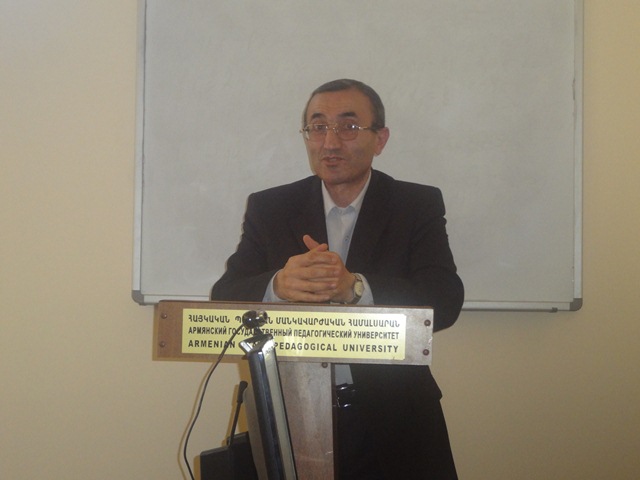
Vard Ghazaryan, a first-year student of the Department of Pedagogy and Methodology (elementary education), presented a report on “The Role of Chess in the Life of Pupils Attending Elementary School.” She stressed that it is necessary to shape motivations for success among pupils between 6 and 10-11 through games and work. “Games develop and enrich the child’s perception of the surrounding world; games are a school of communication for children.”
Citing the words of psychologist Ruben Aghuzumtsyan, the future pedagogue reminded, “If you need to explain other subjects through games to make them understandable for pupils, you need not do it in case of chess as it is already a game.”
Talking to armspu.am, Samvel Misakyan, a lecturer of the Chair of Chess and Sports, said that similar scientific and practical seminars contribute to the popularization of chess and give comprehensive information to future educators, who are going to join the ranks of chess teachers.
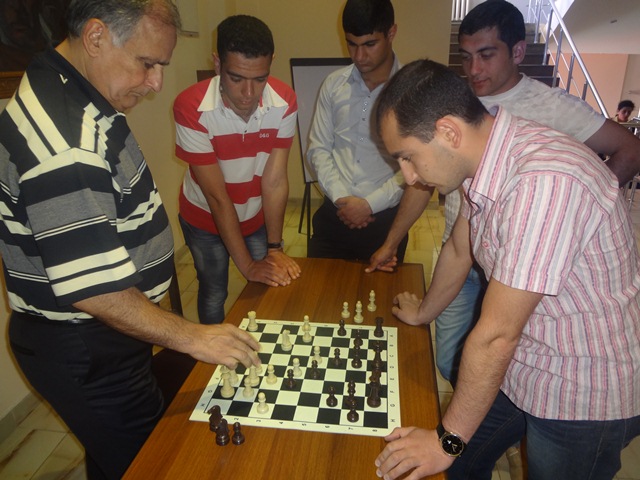
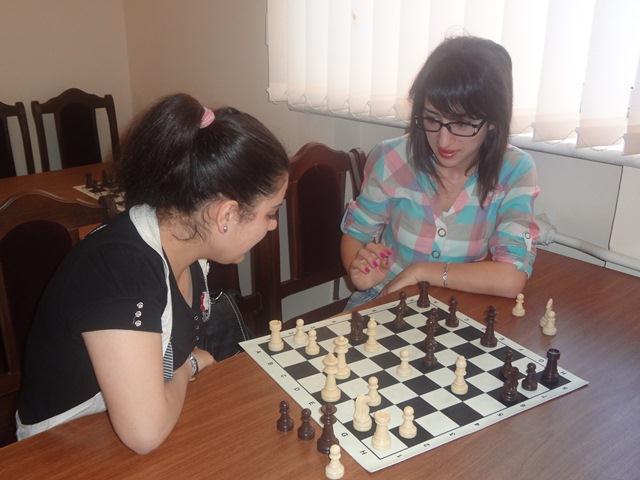
Let us mention that during the event organized at the initiative of the Student Scientific Society of the aforesaid Chair, as well as the Faculty of Primary Education, the chess players of the Pedagogical University played chess with those who wished.