“The bitterness of the loss is replaced by a proud smile when you realize whose blood flows through your veins…” It was with this conviction that the creative team of “Time to
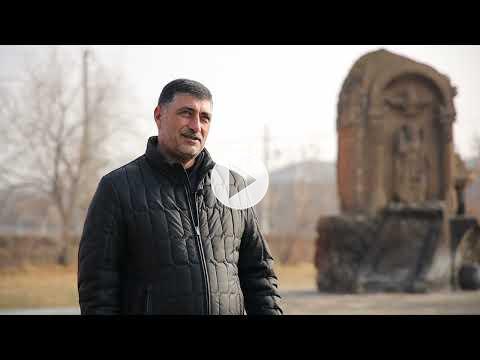
Return” film visited Western Armenia to see what has survived from the Armenian heritage after the Genocide, who lives in our historical lands, whether the Armenian type still exists there and whether the Armenian roots continue to produce sprouts.
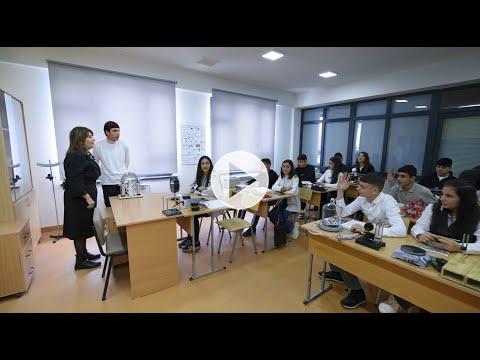
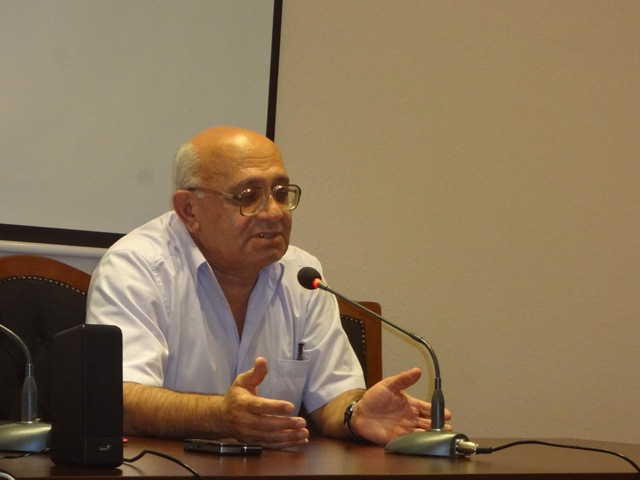
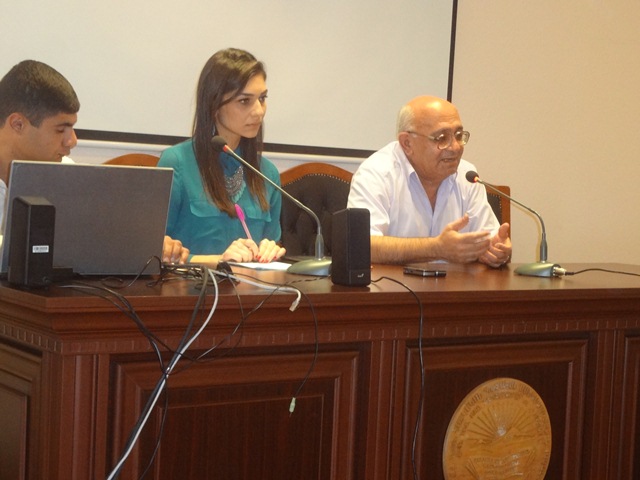
Recently, Armenian State Pedagogical University hosted members of the film crew, journalist Nairi Hokhikyan and Head of the ASPU Department of Political Science Levon Shirinyan, who provides consultation to the film crew on political issues.
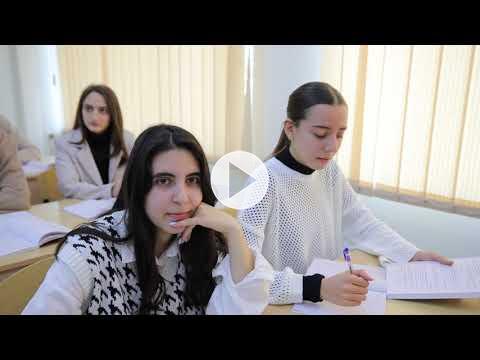
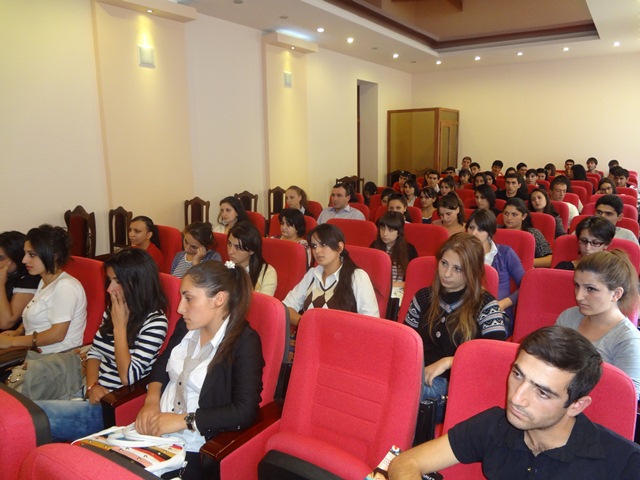
The visit aimed at presenting future historian-legists the plot of the film and involving them in the creation of the film.
At the beginning of the meeting, Doctor of Political Sciences Levon Shirinyan said there is no need to question anyone’s patriotism in the given auditorium. Then he added, “No one can forbid us to have in our souls and minds the image of the country which belonged to us.”
Looking back on his adolescence and referring to the capture of Kars, the topic of the film, the political scientist recalled his school years when they were told and persuaded that Kars was impossible to defend. Today Mr Shirinyan wants to ask – would it be possible to occupy Kars but for the betrayal of Armenians?
“Throughout centuries we have developed a bad habit of preserving our existence by giving a plot of land – something unacceptable and wrong. There are not such notions as Western Armenia and Eastern Armenia. This is merely a geographical division. There is only one Armenia, and we should transfer the knowledge from generation to generation,” Mr Shirinyan said and called on everyone to use solely Armenian words and terms for place names of strategic importance. “Western Armenia was given to us by God, but we were bad children and could not save and protect our Homeland. There isn’t such a place as Eastern Anatolia; this is another perversion of the truth by Turks who have become highly skillful in distorting the facts.”
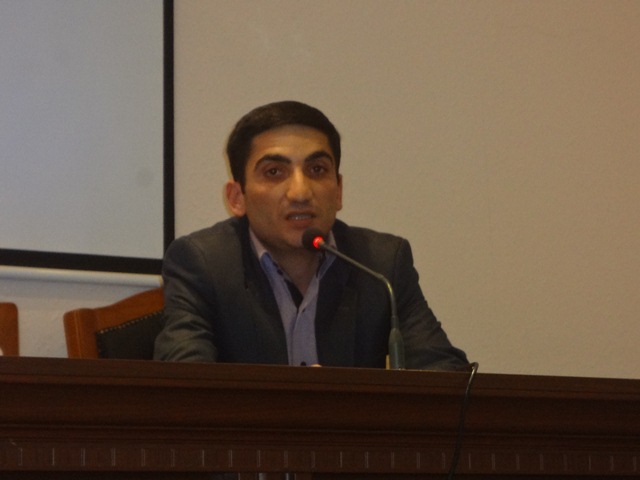
For his turn, journalist Nairi Hokhikyan added that it is time to return to our roots and to the reality. After a century-long pain and injustice it is time to appear on the other side of Mount Ararat, admit our mistakes with a sense of national pride, take lessons from them and answer a number of questions.
“Never in earlier films has there been any reference to the number of Armenians living in Turkey that has a population of 70 million people,” said the journalist. Then he added with satisfaction that the film has produced the desired fruit: following the shots made in Dersim, the Union of Armenians of Dersim was set up in the community. The Union consists of several hundred Armenians.
The film viewing and discussion was organized by the Students’ Scientific Society of the Faculty of History and Jurisprudence and Department of Political Science.
.jpg)