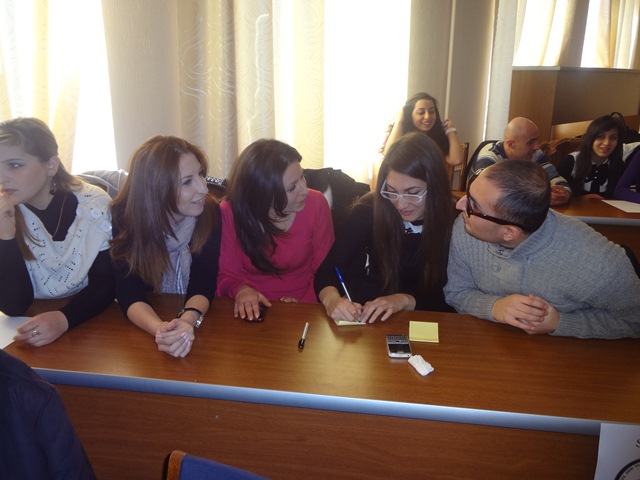
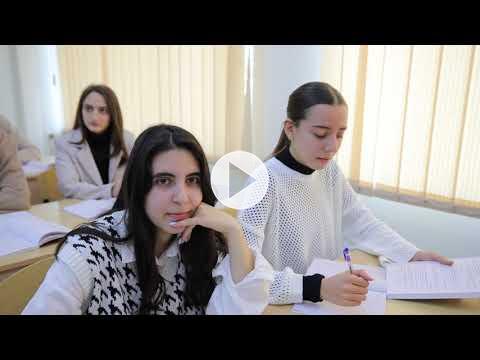
An intellectual game competition organized by the Intellectual Commission of the ASPU Student Council in collaboration with the Faculty of Special Education was held at the
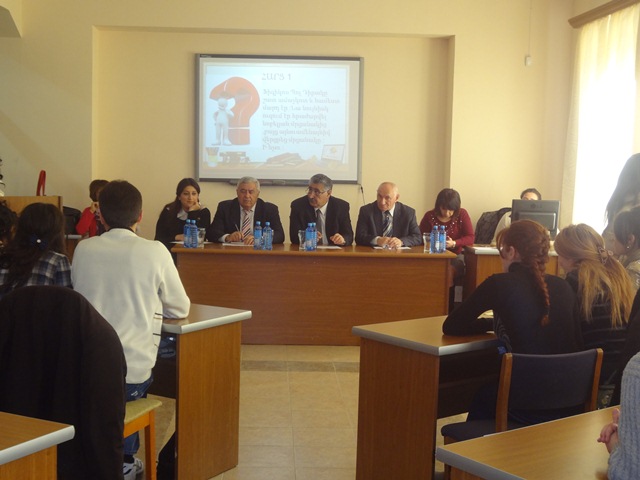
University within the framework of the International Day of Persons with Disabilities which is observed annually on December 3. Participating in the event were also two handicapped students from ASPU and members of “Bridge of Hope” NGO.
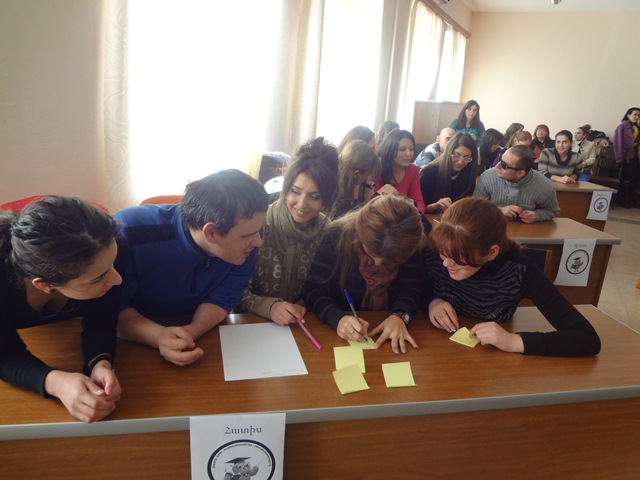
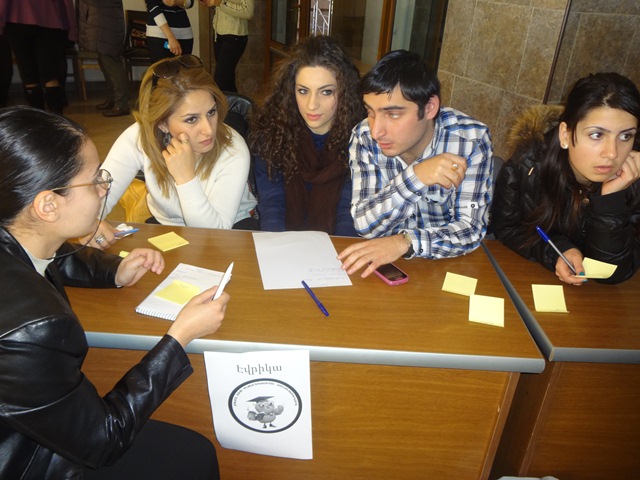
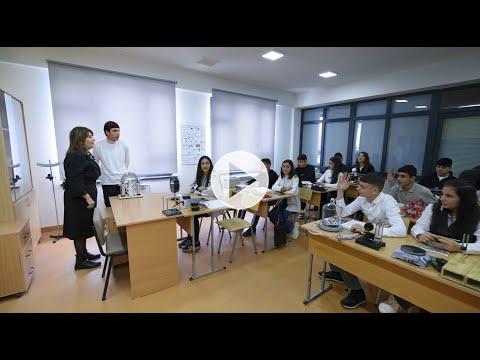
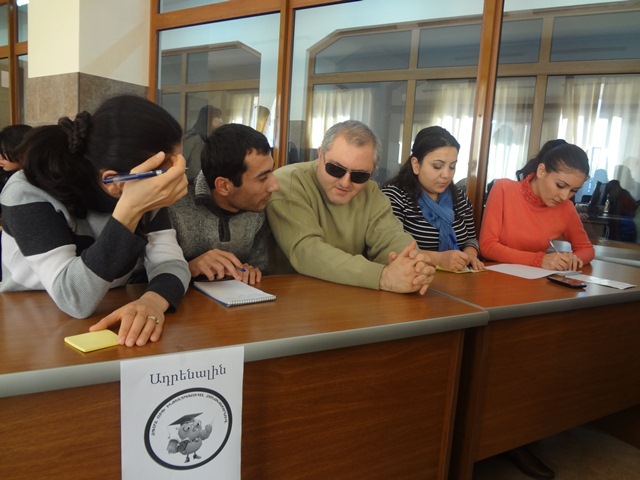
Each of the competing teams was comprised of members with disabilities, lecturers and students of the Faculty of Special Education who competed in two rounds answering a questionnaire comprised of a set of logical and epistemological questions.
Before summarizing the results of the first round, Zarouhi Harutyunyan, a lecturer of the Faculty of Special Education, introduced to the participants of the competition the University’s program which envisages adjusting the University area to the people with special educational needs.
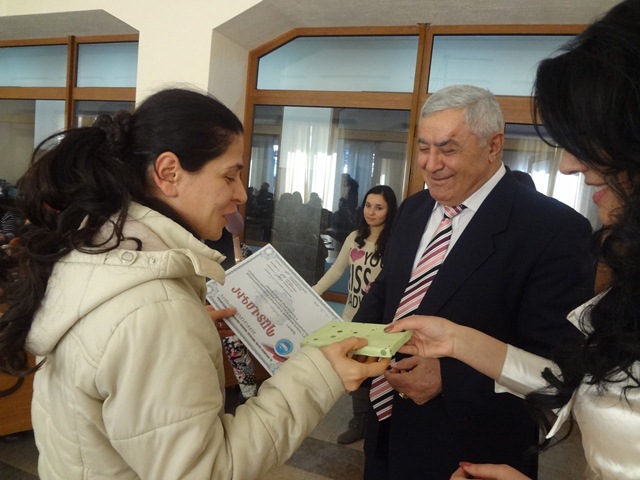
In the second round, each of the six teams chose three questions referring to sports, music, art and cinema. In the long run, the team “Titan” became winner scoring the most points. “Medicus” and “Adrenaline” took 2nd and 3rd places respectively.
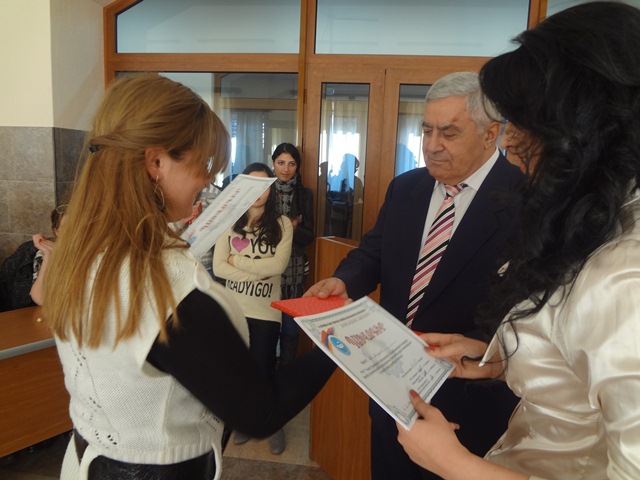
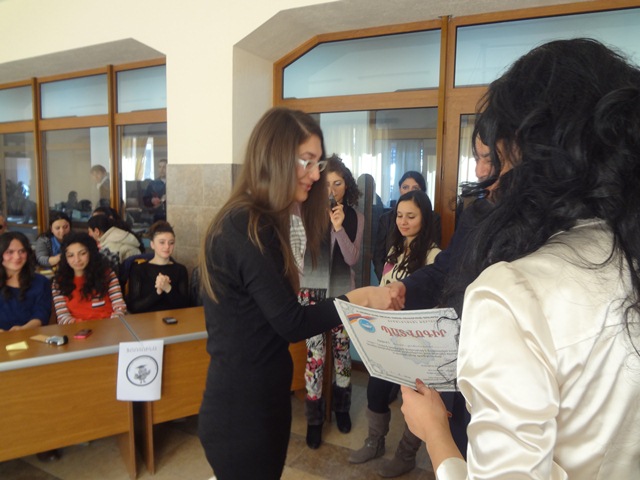
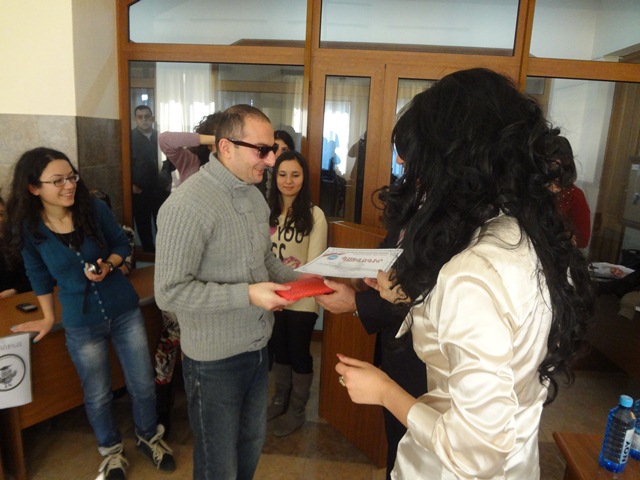
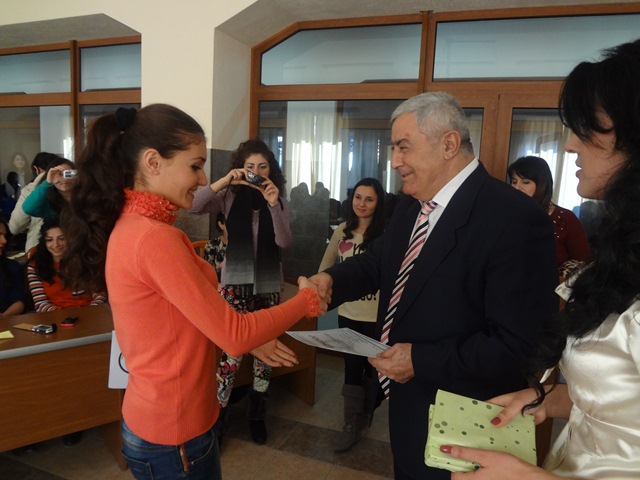
The winning teams received certificates and books.
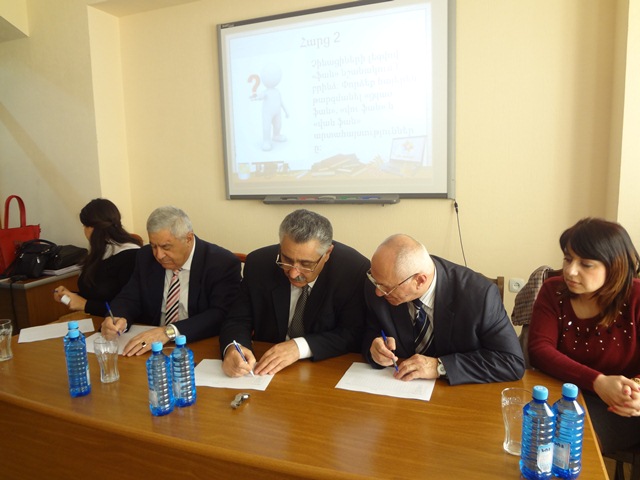
The jury included Robert Azaryan, Head of the Chair of Special Pedagogy and Psychology, Faculty of Special Education, Kim Sarukhanyan, Associate Professor at the same Chair, and Spartak Palikyan, Associate Professor at the Chair of Logopaedics and Rehabilitation Therapy.
The latter highlighted the importance of intellectual games, especially with the participation of people with disabilities. Mr. Palikyan added that the Faculty of Special Education initiates numerous events with the view of promoting full inclusion of persons with disabilities in all aspects of society.
“Physical disability is not evidence of low level of knowledge. People with disabilities also possess a high level of intelligence,” said Lilit Vahanyan, Chair of the Intellectual Commission. She says playing in the same team both students and professors become convinced that disabled people do not yield to others with the level of their intelligence.
.jpg)