What is an earthquake? How is its intensity measured? What effects can it have on people and on the environment? Twenty-five years after the devastating earthquake of December 7,
1988, that hit 40 % of the territory of Armenia, the topic remains urgent.
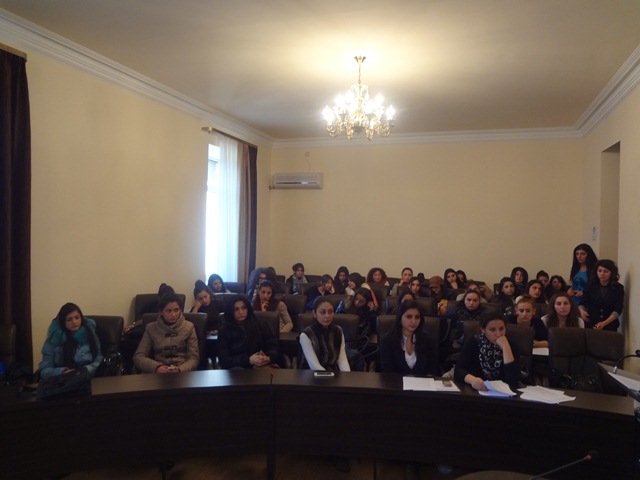
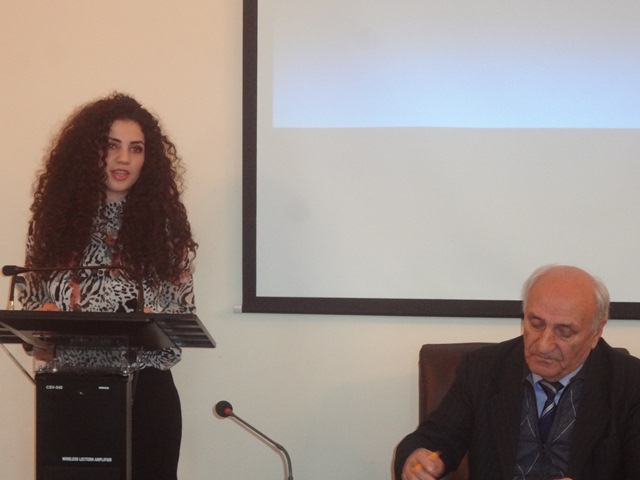
The seminar discussion “The Disastrous 41 Seconds” organized by the Environmental Protection Commission of Armenian State Pedagogical University (ASPU) was devoted to the memory of the victims of the Spitak earthquake. It was a reminder of the devastating earthquake that caused great human losses, destroyed numerous cities and villages, and another attempt of focusing on the lessons from the past.
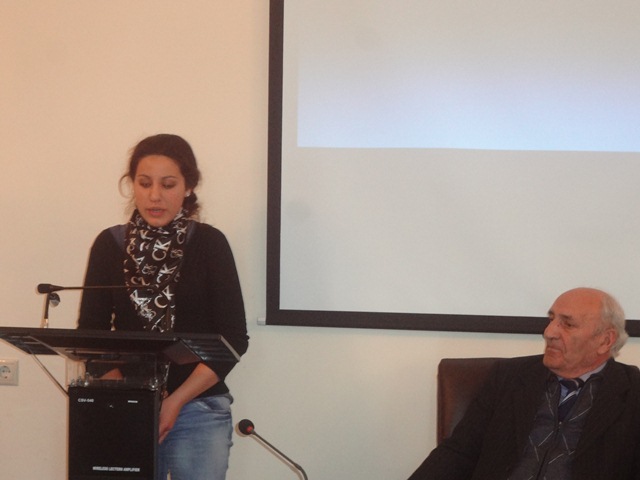
Through a poster presentation, ASPU students dwelt on earthquakes, their causes, the most destructive earthquakes ever recorded, the Spitak earthquake of 1988 and the ensuing human and material losses.
Speaking about natural and man-made earthquakes, the students underlined that Armenia is situated in a seismically active zone, and the most common in our region are tectonic earthquakes.
Future geographer Vahe Amirghanyan, a student of the Faculty of Biology, Chemistry and Geography, Chairman of the Environmental Protection Commission of the ASPU Student Council, stressed the importance of the event, considering it a good opportunity for enriching knowledge on catastrophes and avoiding possible disasters.
Gevorg Karapetyan, Head of the Chair of Physical Geography, also emphasized the need for raising public awareness on natural hazards and disaster risks with the view of reducing casualties. He says the region is prone to natural disasters, and there has been an unprecedented increase in the number of natural disasters in recent years.