- Հայ
- Рус
- Eng
 For the Armenian students the week started with two nights in host families in Oulu. Spending some time with Finnish families was a really nice experience for Armenian students. We got aquainted to Finnish culture this way. We'd had nice walks in the city, and out of the city, went to art galleries , museums, a concert. In one word we enjoyed the city and the nicest people in the world, who were so attentive and carefull to us and wanted to do everything for our pleasure.
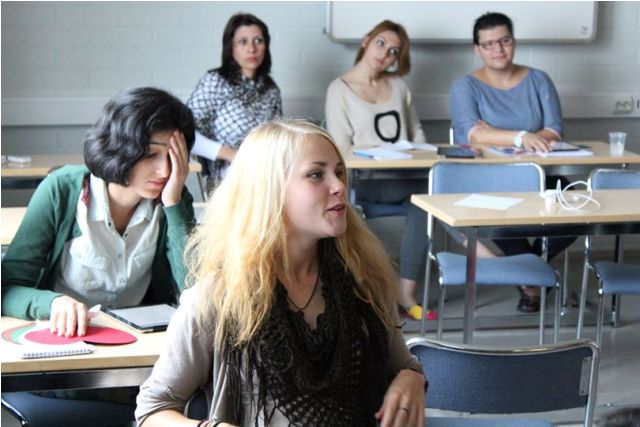
The official program started on Monday at the University of Oulu. The programme included very interesting lectures about teachers' ethics, comparative education and human rights.
These were a good introduction to our summer school. For the Finnish students these may have already been familiar topics, but it was an interesting repetition anyhow, specially because it meant that now they could hear the Armenians' point of view on these matters.
We got to know the university environment. Listening lectures allowed us not only to get knowledge about different spheres but also to understand the teaching style differences between Armenian and Finnish lecturers. We also visited Oulu University School where the pedagogical practices take place.
This was also a great opportunity for the Finnish people who see how reasearch and development is done in a university school. Our adventure continued when heading to Pudasjärvi later that day.
We were all amused by the amazing nature that accompained us during the whole week, and it included a couple of raindeers and rainbows for that very first drive to the North.
On Tuesday morning we had a huge breakfast at the Pikku-Syöte hotel after which we gathered in the bus and started to head towards Ranua Wildlife Park.
We started to explore the park together with our small working groups keeping in mind observation questions we had made the day before. We were not only admiring the beautiful animals of Nothern Finland (including bears and owls!) but also paid attention how the park suits school groups of different age and how this kind of an environment could be used in environmental education.We also learnt how this kind of teaching can be held.
We understood that everyone can enjoy the process of learning if it's organized in a proper way. After the lunch at the park we returned to the hotel and started to discuss the topics, which were mainly about how to teach environmental education and integrate the trip to Ranua as part of the planning.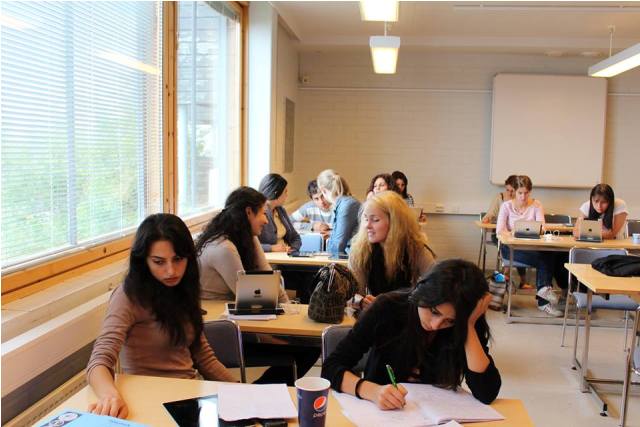
On Wednesday the group visited Rovaniemi in Lapland, Northern Finland. The day started with a visit to Saari Primary School. Visiting schools in Finland allowed us to understand many things about Finnish educational system and compare it with the Armenian one.
We talked to the principals of schools and asked many questions. The schools have great environment for studying and children feeling themselves safe and fine.Teachers were totally free in choosing classrooms, deciding methods and ways of teaching. It was good that the Armenians not only saw a university schools but also a normal mainstream school, so they got a broader view of how schools look like in Finland.
We headed afterwards to the Arcticum museum, where we got acquanited with the history of Finnish indigenous peoples and Lapland. We had a guided tour, where we learned about Saami peoples, their knowledge, traditions and languages and about the history of Lapland in general. Furthermore, we got to see a video about Aurora Borealis - Northern Lights. This gave some perspective on how to live side by side with nature and in harmony with it.
The main programme of the days was in the rest of the week. We worked with topics such as professional ethics, human rights, environmental education and bullying.
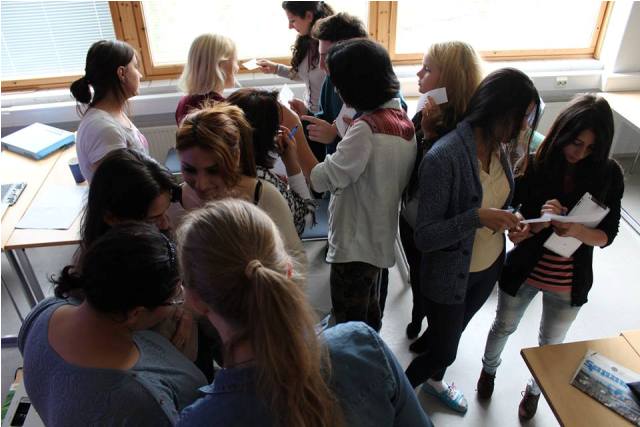
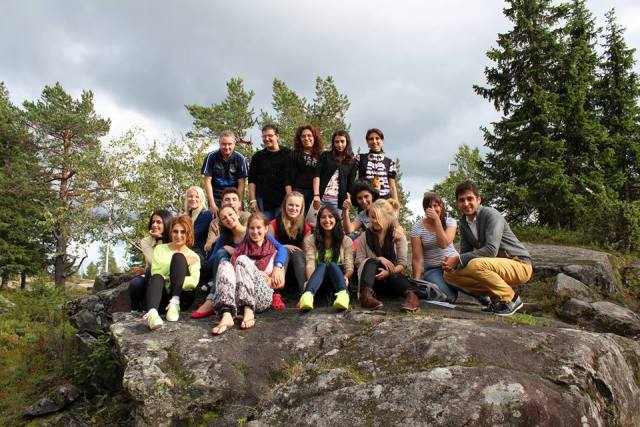
We had a lot of group work in small mixed groups where there were both Armenian and Finnish students, where we got to discuss all the matters. Also whole group discussions where held. In these discussions we learnt a lot from each other, our cultures, and gained important intercultural knowledge on how to work with people who have different world view than you do. As one of the main topics was environmental awareness, it was particulary interesting to see how the cultures differed in how they regarded and used resource, particularly water.
I have come out with a stronger understanding of the Armenian culture, as I had no real conception of this before the course. It's always interesting to learn about a 'new' cultre, and particularly one that is not as well known or appreciated as the Armenian one.
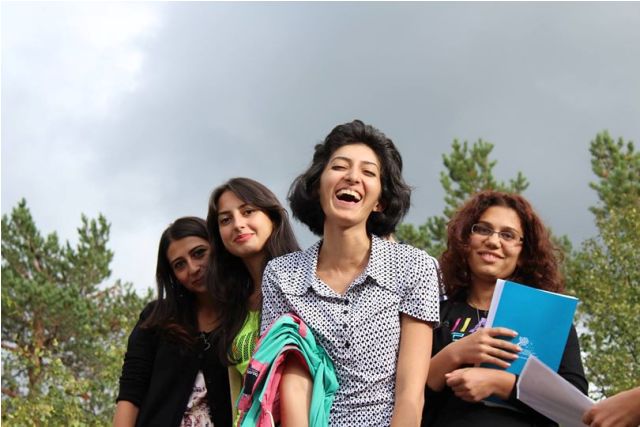
Now the summer school week is over. One week seems really short time for that week. It felt more like weeks or even a month. We had really good time for whole week. First we learnt a lot new things and got to know many great persons both Armenia and also got finnish friends. We feel glad and that we have been grown up so much in this time. Even if it was so short a time we still learned a lot.
The interactive learning methods were the best way to study together and make us much more active learners than we are normally used to be. It was really interesting to discuss about many many things while we were studying. When discussing we learned a lot about cultures, learning cultures and the ways of both Armenia and Finland. Also the week was a great opportunity to get to know ourselves and our own ways of learning and handing the cultural differences. It was nice that we had a lot of programme even though we felt a bit tired some times. The topics in the Summer course were really important including human rights and so on. They are the topics that need to be discussed over and over again for many times.
The serenity of the Syöte area and well working group meant that the learning was very effective. Although the nights were long and sometimes waking up took a bit more effort than other times it was always fun to start the day's work. The whole Summer School was a really amazing experience and opportunity for us students from both countries. It is also a perfect start for studies in our home universities. We are very much encouraging the two universities to continue this tradition because it gives in short time a very good indepth for the students.
This report was written by the students participating the summer school:
Siiri Salminen
Karine Mkrtumyan
Susanna Bdoyan
David Delahunty
Astghik Petrosyan
Lilit Chatinyan
Anna Paula Herrera
Adrine Harutyunyan
Marian Tumanyan
Vilma-Riikka Tiittanen
David Davityan
Hripsime Mkrtchyan
Susanna Hämäläinen
Gevorg Garibyan
Mane Avagyan
Paula Nätti