- Հայ
- Рус
- Eng
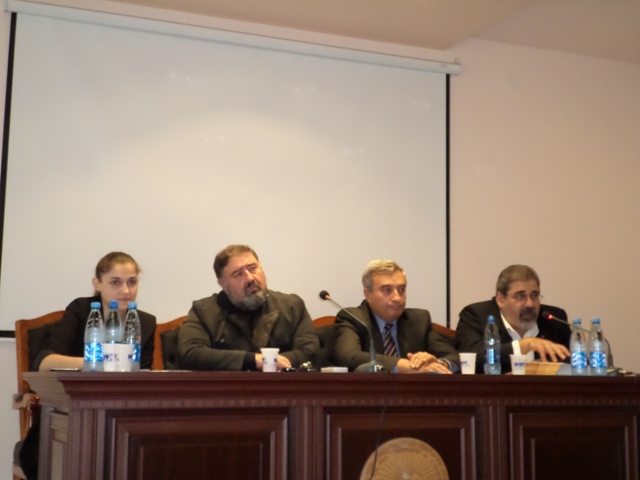
“The only method of preserving the Armenian nature is keeping them in their homeland; one should make a nation-wide partisanship which is the main problem on the threshold of the 100th anniversary of the Genocide”, mentioned Mr. Kiro Manoyan, the responsible of the Armenian Genocide Trial offices, during the seminar organized within the framework of 100th anniversary of the Armenian Genocide; besides, he added that this issue should be brought to attention of international and especially Turkish society.
“Turkey must admit the fact of crime and to take measures to prevent xenophobic legislation. The only way to preserve the Armenian nature is to make them stay in their motherland”.
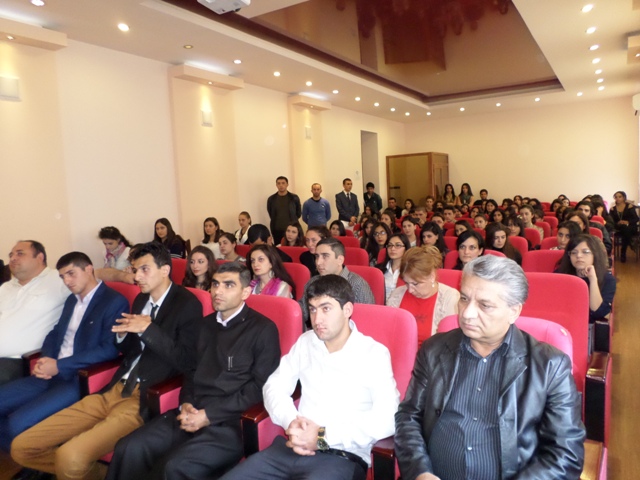
The Pedagogical University continues organizing events dedicated to the 100th anniversary of the Armenian Genocide, aiming to inform the younger generation about the consequences of the crime and about their eliminating the problems.
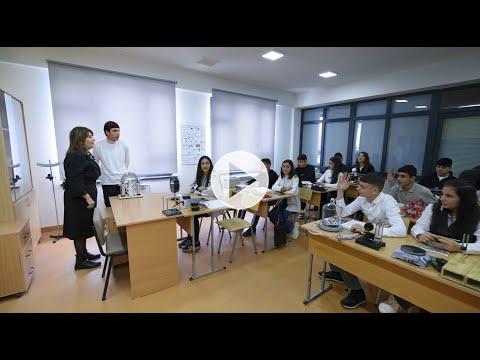
On this occasion, by the initiative of the Pedagogical University and the Yerevan State Pedagogical University Student Scientific Society and the RA NAS Student Council, a seminar was organized the speakers of which were the Director of the RA NAS History Institute Mr. Ashot Melqonyan, the Rev. Director Komitas Hovnanyan of the Youth Centers and the Armenian Genocide Trial offices Kiro Manoyan.
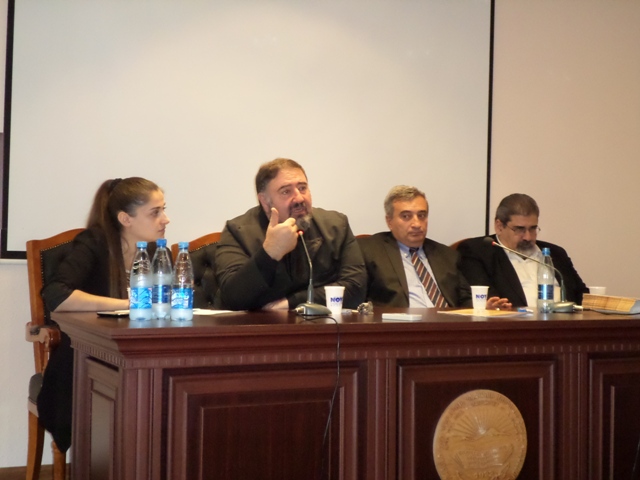
The latter introduced the students with the recently published the final report of the research group of the Armenian Genocide compensation, the booklet “Compensations for the Armenian Genocide; righteous solutions”, mentioning the losses injured by the Genocide, the issue of compensation and the Armenian issue in the international law, their moral side and current processes.
The speaker agrees with the suggestions of the group about the compensation- punishment, acknowledgement, pardon, education and commemoration, support to Armenians and Armenia, Turkish recovery, return of property and compensation for property, death, and tortures.
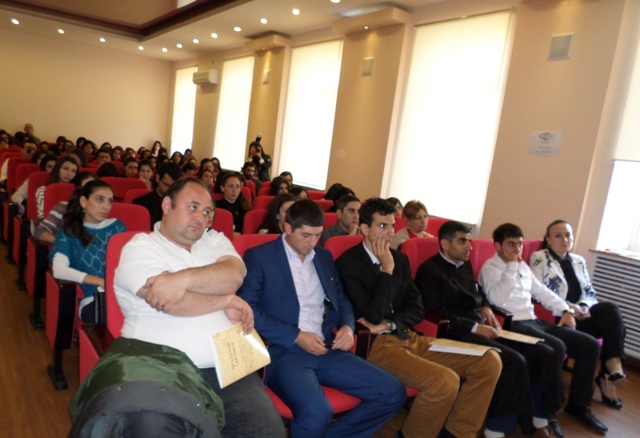
More to the point, the Rev. Director Komitas Hovnanyan of the Youth Centers addressed the following question to the students- Why did the genocide happen? Which is our fault in it?
“As long as we haven’t found the answer to these questions, we will remain in this situation. Unfortunately, this atmosphere is also prevailing inside the country.”
In addition, Rev. Komitas also highlighted that politics has no friendship, and the Armenians approached the field of politics not with soberity but with feelings.
“We should learn that politics is the battle of benefit, thus it is a necessity to develop the national politics. We should proceed with whatever happened to us and teach the generations to do all in their might for the Armenian nation not to fall again, and to know that the national benefit is the most important thing, and that the world of Armenia is the property of each and all of us.”
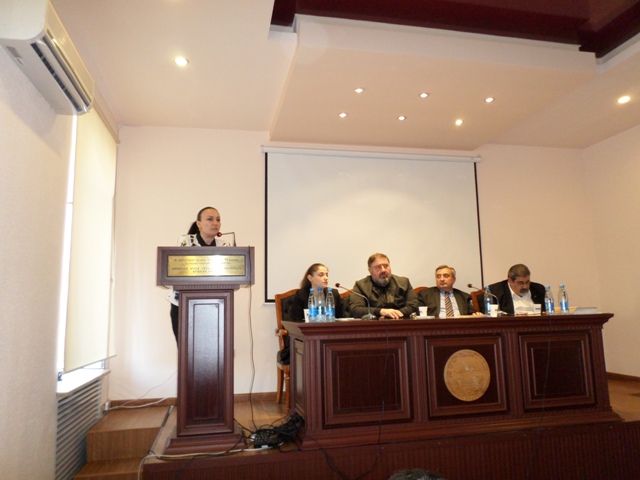
“Depriving of homeland is the biggest crime rather than massacre”, the Director of the RA NAS History Institute Ashot Melqonyan assured in his speech and with a historian’s touch analyzed what happened, happily mentioning, “Our attitude is gradually changing towards the issue of acknowledgment of the Armenian Genocide. In the past, when we said compensation we would only understand the return of our lands, without the acknowledgment. I am not excited with the acknowledgement of the Genocide by different countries; it doesn’t give us anything in the meaning of compensation. The acknowledgment of the Armenian Genocide must be made on the state level as a legal successor, in order to achieve international acknowledgement on the legal land demanding territorial compensation”.
And last but not least, turning to the young people, Mr. Ashot Melqonyan assured that the issue of compensation belongs to all of us.
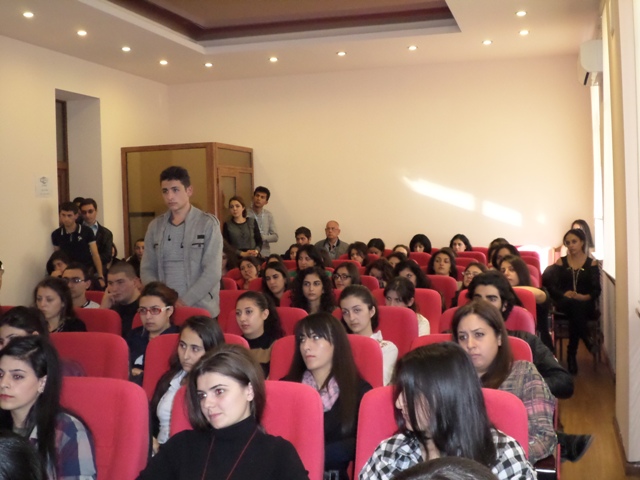
The Pedagogical University Vice-Rector of Academic Affairs Ms. Srbouhi Gevorgyan expressed her acknowledgements to the speakers for the visit and the interesting meeting with students and once again urged the students to remember who Armenians are, what historical features and mission they have.
During the meeting the speakers asked their questions to the speakers.