- Հայ
- Рус
- Eng
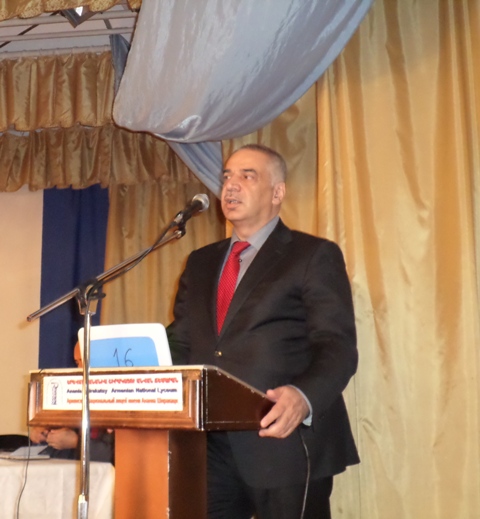
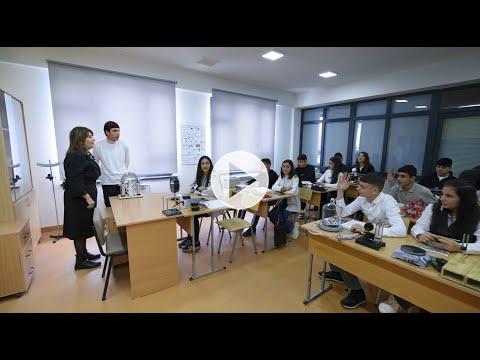
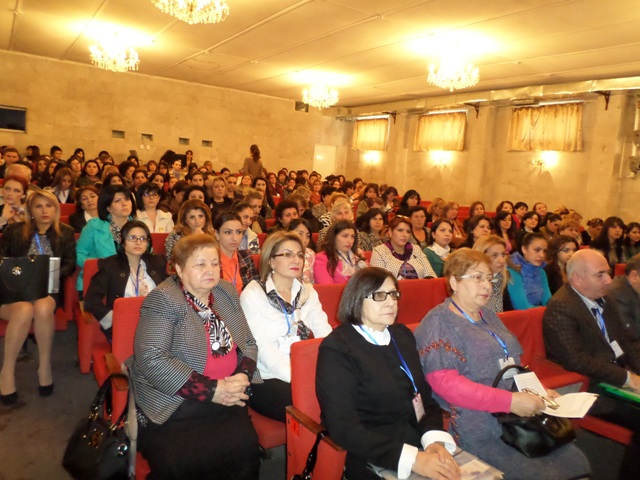
The workshop “Development Prospects of Elementary School in the 21st Century” kicked off on October 24 at the initiative of the Faculty of Primary Education, ASPU, and Lyceum named after Anania Shirakatsi. The event featured ASPU lecturers, as well as teachers of the lyceum and other primary schools.
“The University attaches great importance to primary education; it is part of the University’s strategy. We should be ready to respond to present-day challenges. Our future is the generation that we educate today,” ASPU Vice-Rector Mher Melik-Bakhsyan said urging the participants to come up with their ideas and proposals which will help address the drawbacks in the education sector.
Ashot Alikhanyan, Principal of Anania Shirakatsi educational complex, drew parallels between the educational legacy of the Soviet Union and present-day education, comparing the results of a survey of admissions to the primary and high schools of the educational complex.
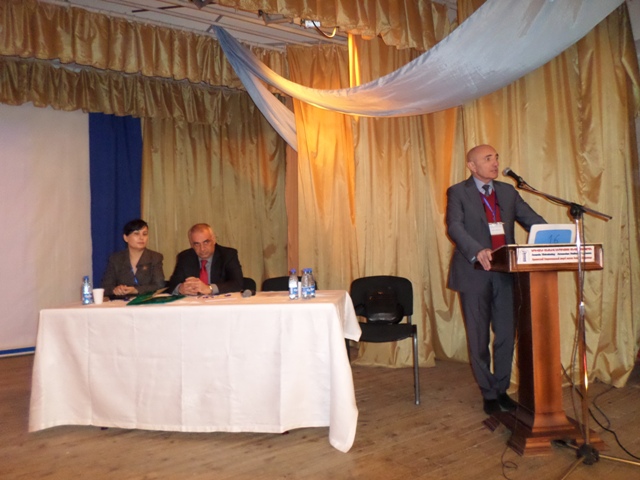
He attributed the relatively lowest scores on entrance exams to the deficiencies of modern education system. While Mr Alikhanyan hailed the transition to the 12-year schooling, he considered it vulnerable that pupils have to move from one school to another in the result of the innovation. He advised everyone not to wait for reforms and not to compare Armenia with other countries, but ‘save’ public education through discussions.
Heghine Khachatryan, Dean of the Faculty of Primary Education, emphasized the role of education specialists in elementary education and urged elementary school teachers not to ‘miss’ the most sensitive period in child development which naturally predisposes educational influences.
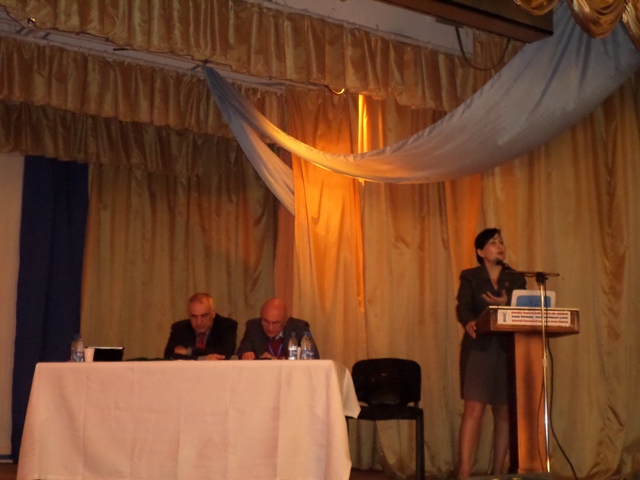
“The most difficult is the art of conveying one’s knowledge in a simple and affordable way,” the Dean said and suggested speaking about the problem of overloading children [of that age], as well as the role and effectiveness of female teachers in the education system.
Julietta Gyulamiryan, Professor of the Department of Mother Tongue and its Teaching Methods, referred to modern pedagogy as a reliable vision of humanistic psychology, stressing that the entire civilized world has taken profound interest in issues related to children and their childhood. “The most effective environment for children’s education is the socio-cultural system based on democratic society elements where a child as a person, as an individual, can receive from adults equal opportunities for social, emotional and cultural development.”
To recognize and accept the changes that children undergo, to believe in changes, to understand the nature of social progress, to acquire skills for understanding and educating children with latest technologies – these were the proposals the professor made to the teachers.
In her report, Tatevik Nalbandyan, Advisor to the Principal of Anania Shirakatsi Lyceum for international issues, cited the example of international undergraduate curricula to present the borders and territorial achievements of education, underlining their political and economic aspects.
After the plenary sitting the participants of the workshop presented psychological issues in modern elementary education and teaching methods in elementary subjects.