- Հայ
- Рус
- Eng
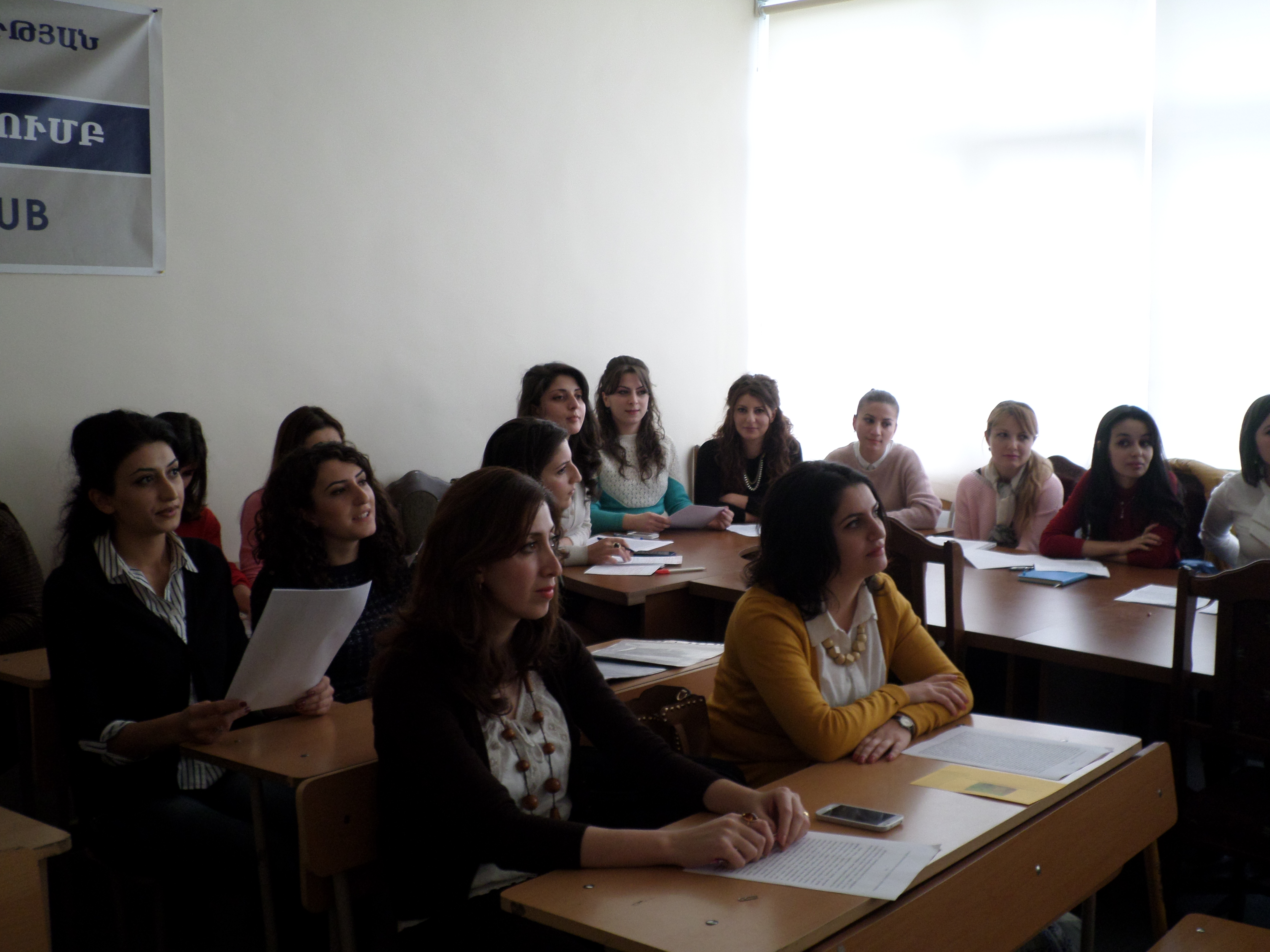
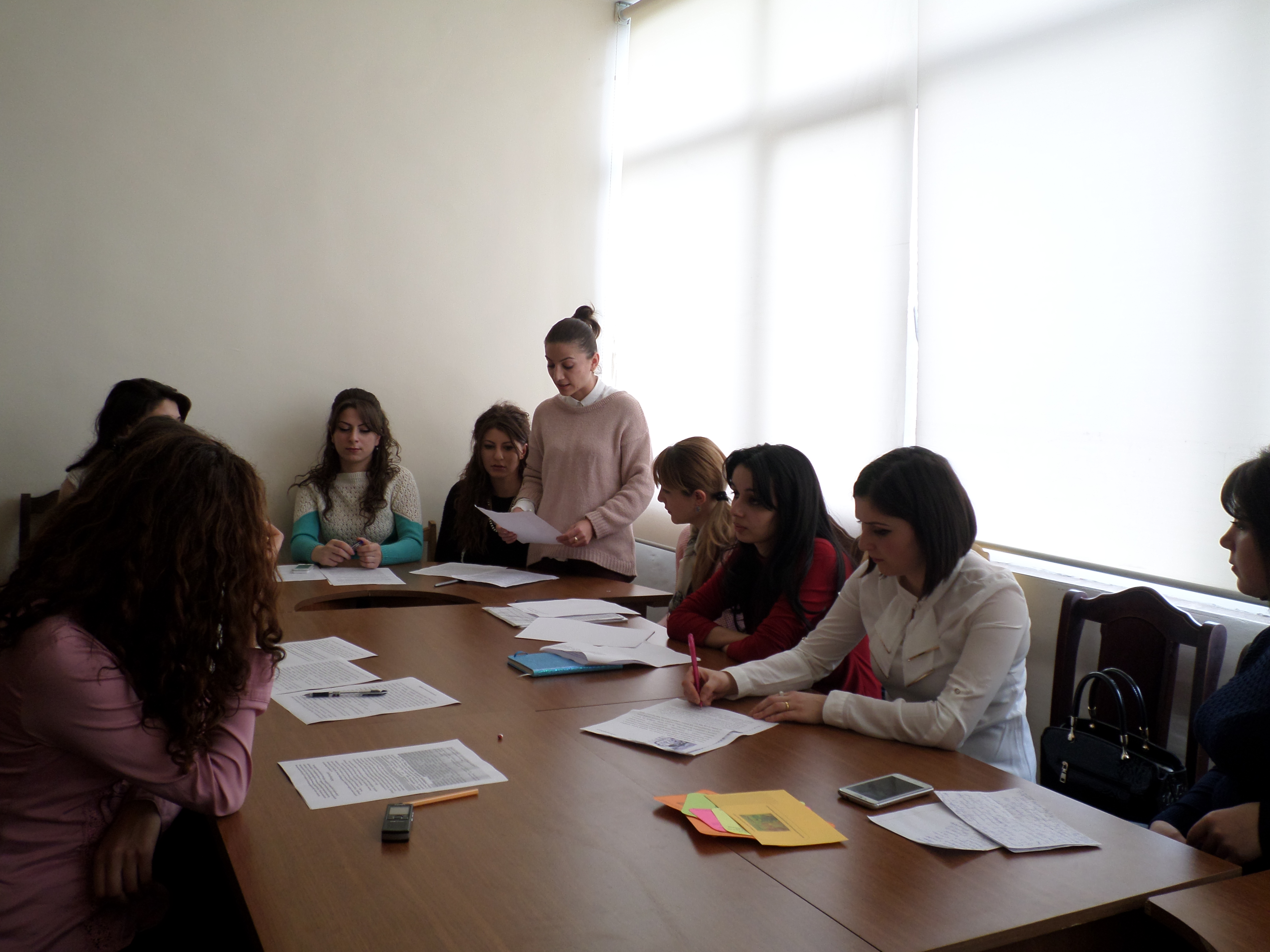
Childhood is a child’s life and not the period of preparing for life. With this slogan, second-year graduate students of the Faculty of Primary Education majoring in Pedagogy and Methodology (elementary education) presented the results of their research during a roundtable discussion titled “Problems of Childhood.”
The recurrent workshop organized within the framework of “Pedagogical Anthropology" course, started with a message addressed to the adults by children, which was followed by the screening of a video on the subject matter.
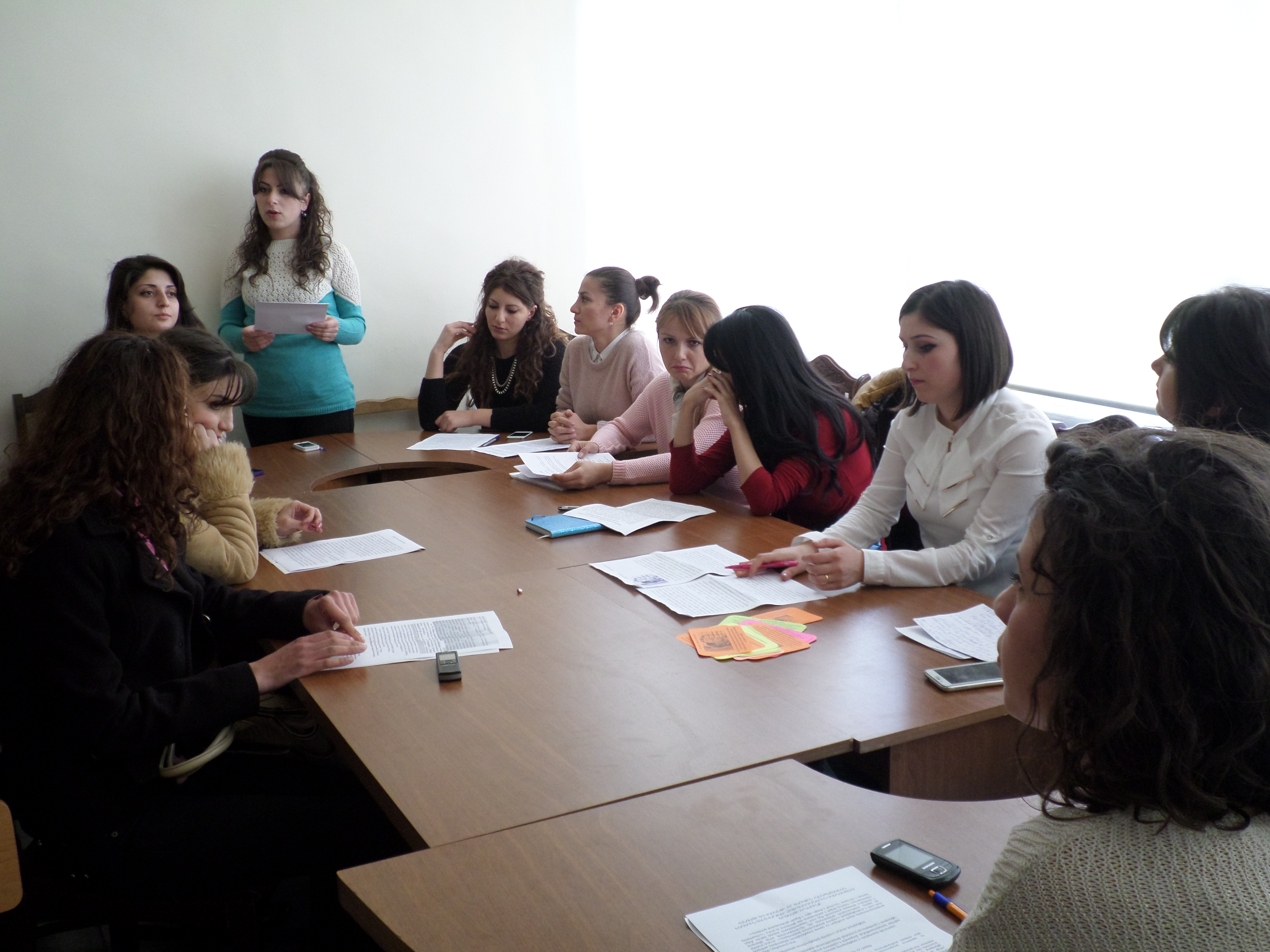
The deification of the child in the family, children and homosexuality, children and sects, child trafficking, children’s right to education, honour and dignity, the negative impact of tobacco and information technology on children, child labour and child exploitation, etc. The future form masters ‘offered’ world leaders their own communiqué put out on the basis of their studies which included statistical data, and findings on the origin, causes and consequences of the problem.
The future educators noted that the problems raised at the meeting require urgent solutions: the state should create mechanisms that will stem from the interests of children, will solve the existing problems and protect their rights.
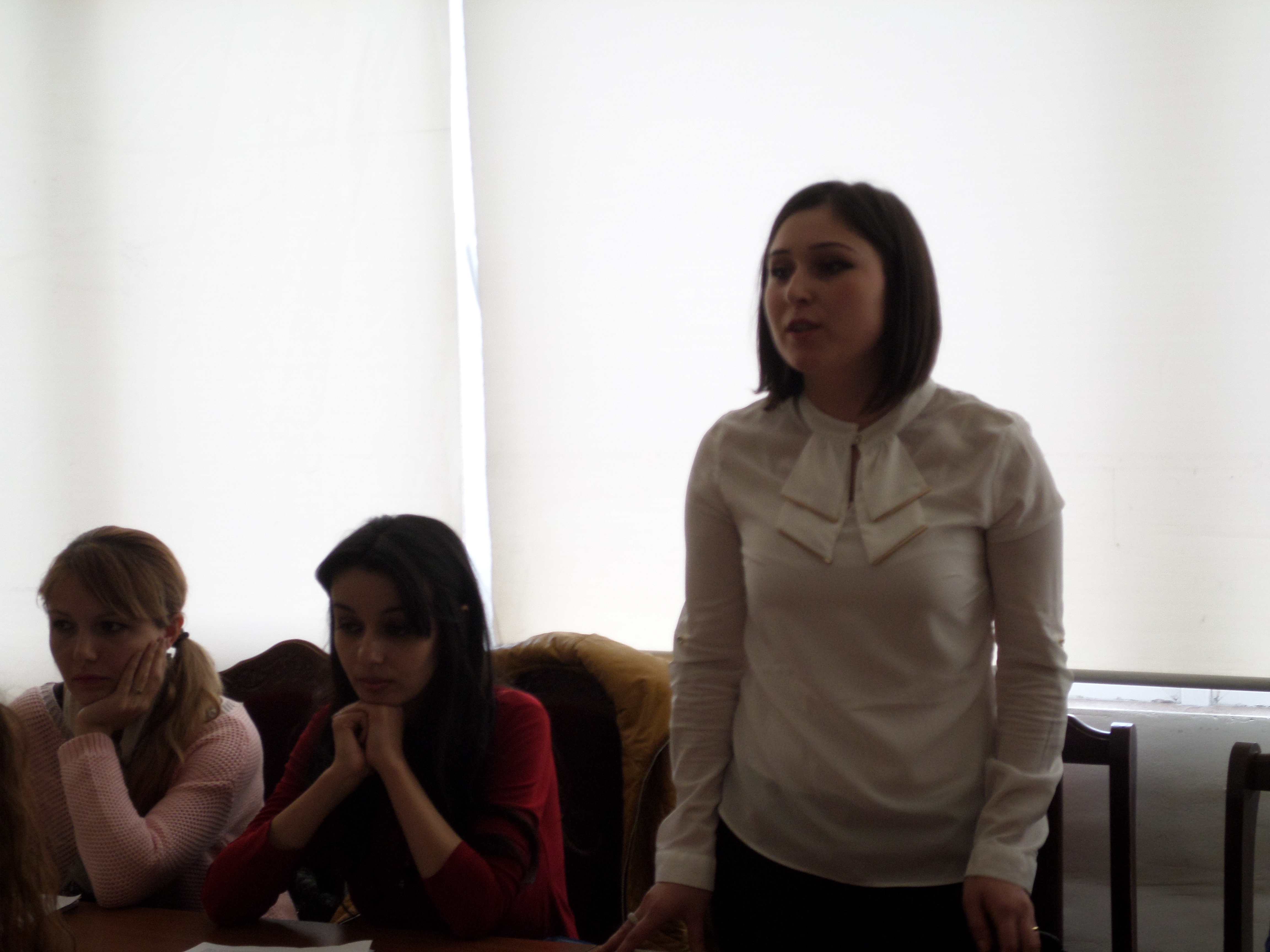
Green spaces, playgrounds, peace, reduction of pollution... The students presented the dearest wishes of children and the outcomes of their findings.
Aida Topuzyan, Head of the Department of Professional Education and Applied Pedagogy, urged the students to make children’s voice audible to all and always build their reports on the basis of their studies. “You have to feel responsible for everything that is happening,” she said.
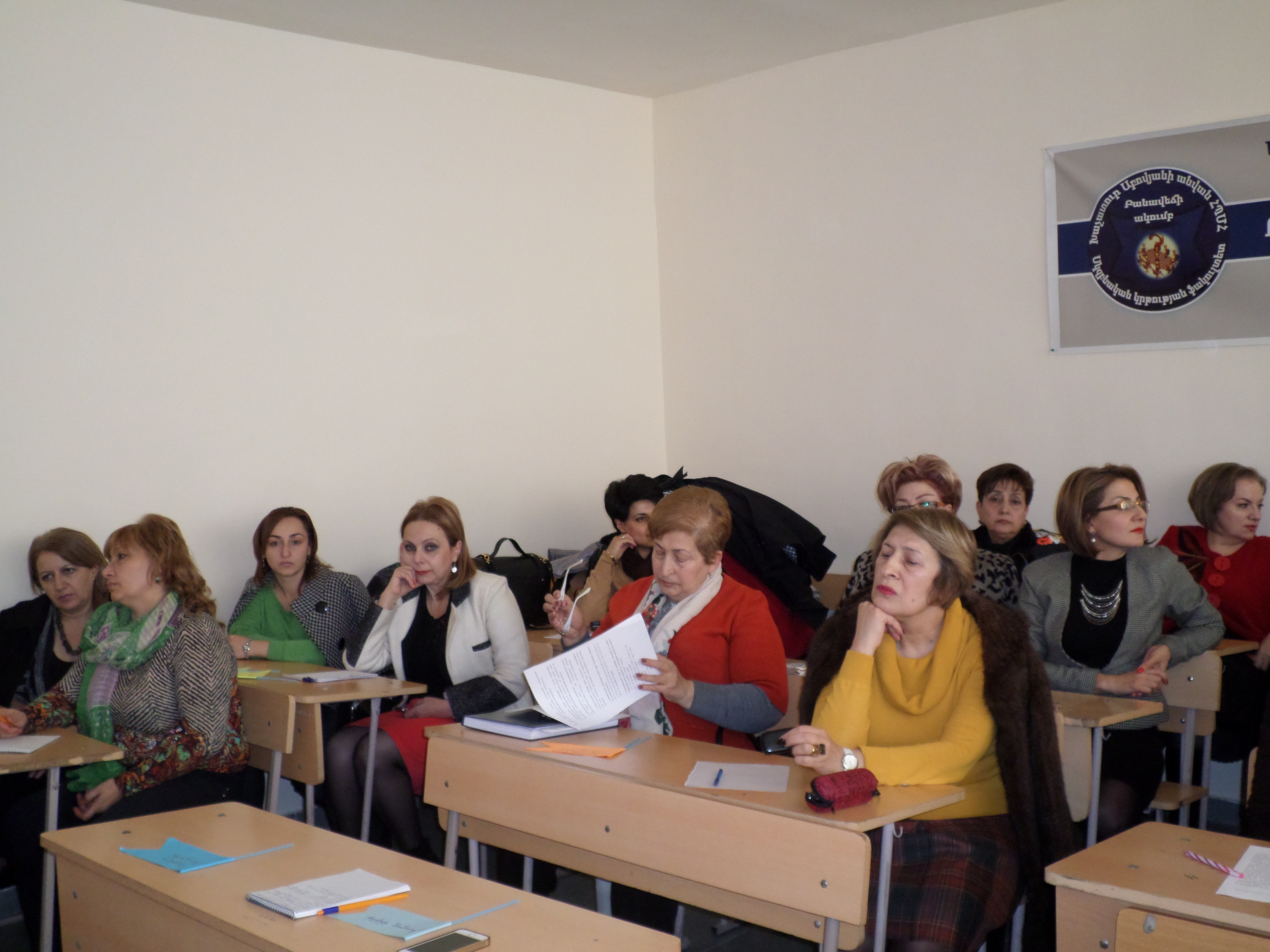
Arusyak Hovhannisyan, Associate Professor of the same Department, highly appreciated the results of the research work and confessed that during the workshop she learnt many interesting things on the subject.
Addressing the students Lusine Poghosyan, Deputy Dean of the Faculty of Primary Education, suggested everyone to offer pedagogical methods and conditions that would enable to solve the existing problems.