- Հայ
- Рус
- Eng
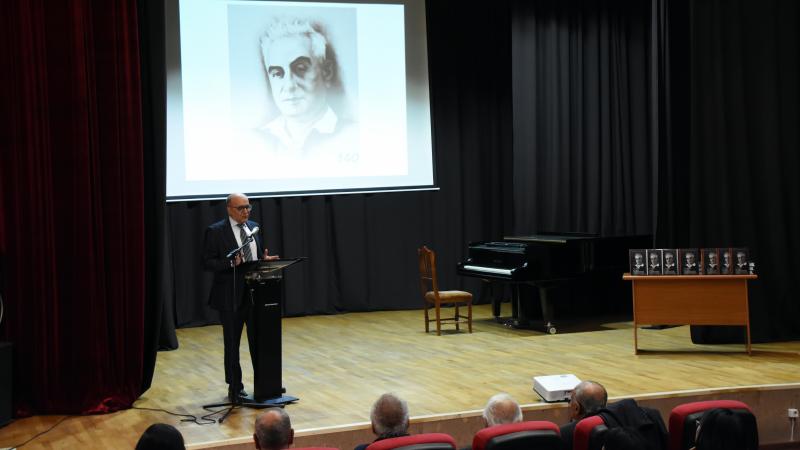
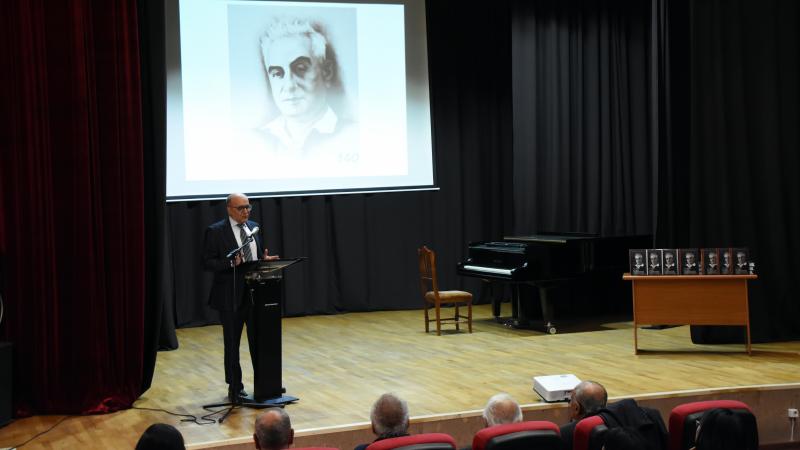
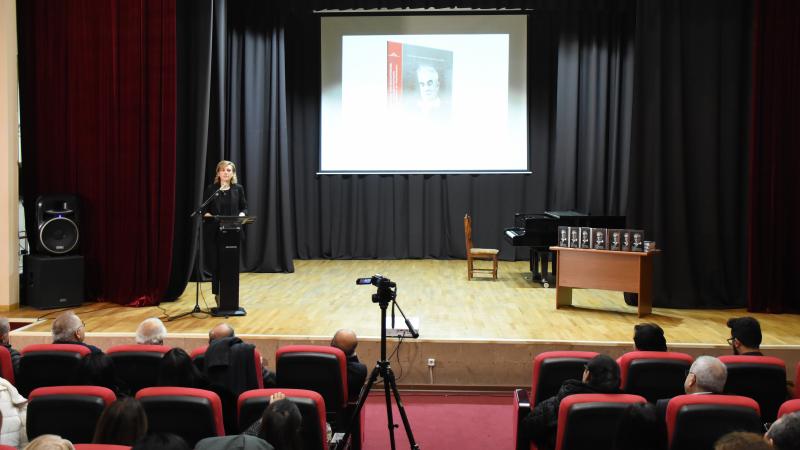
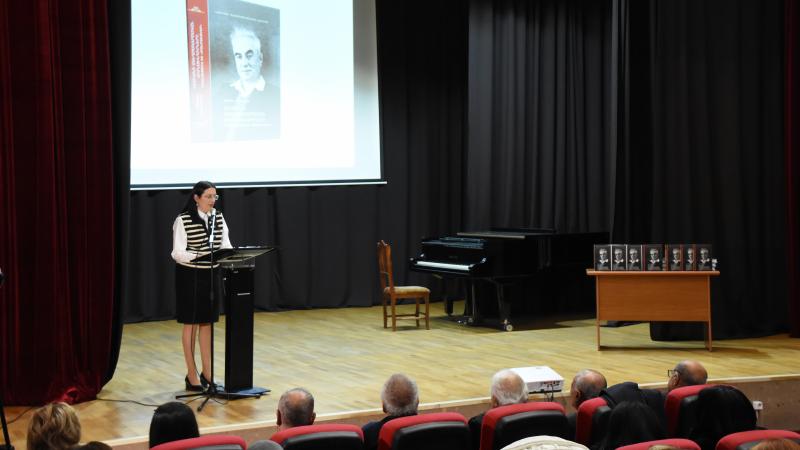
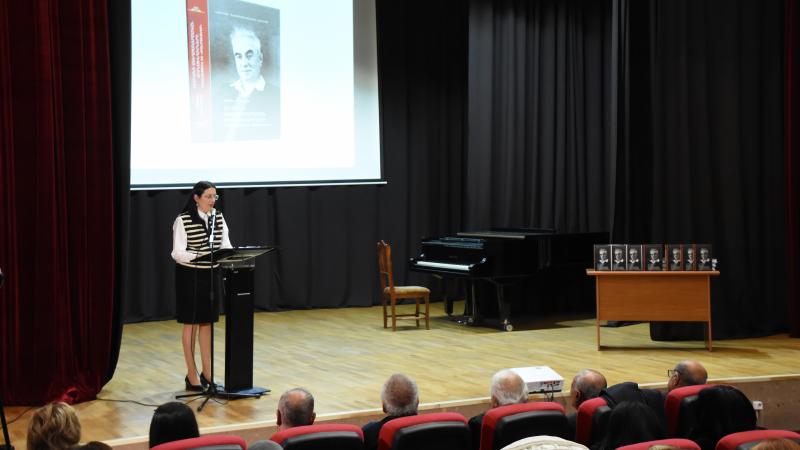
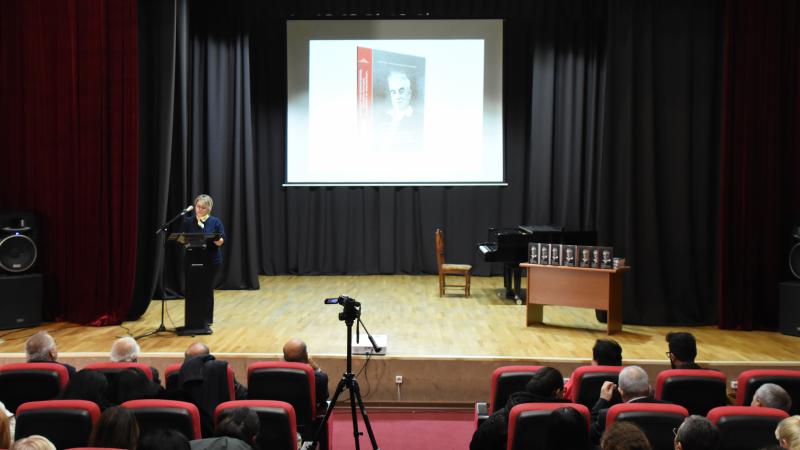
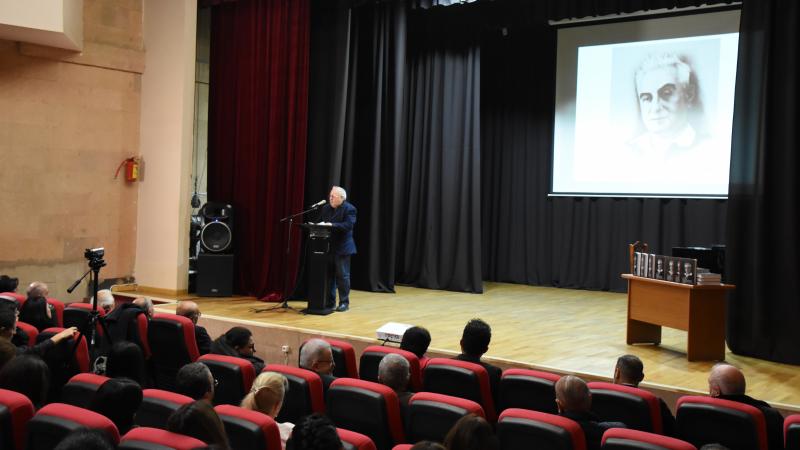
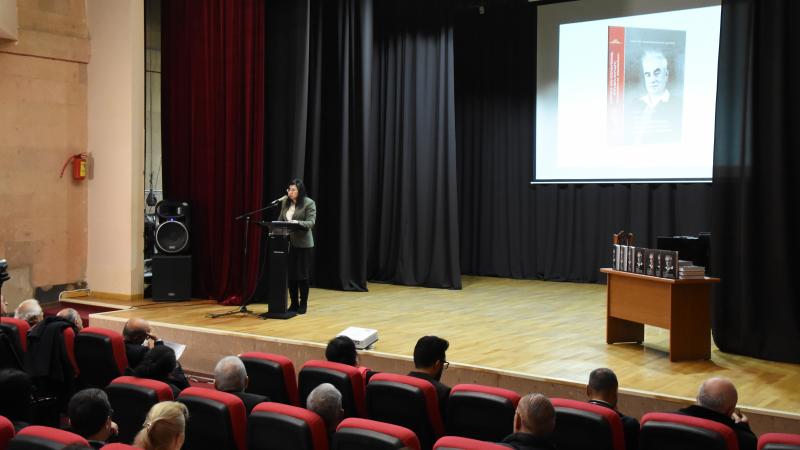
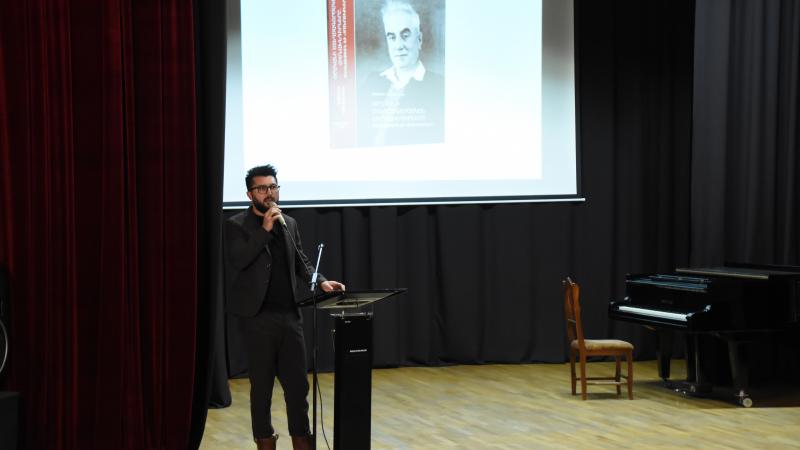
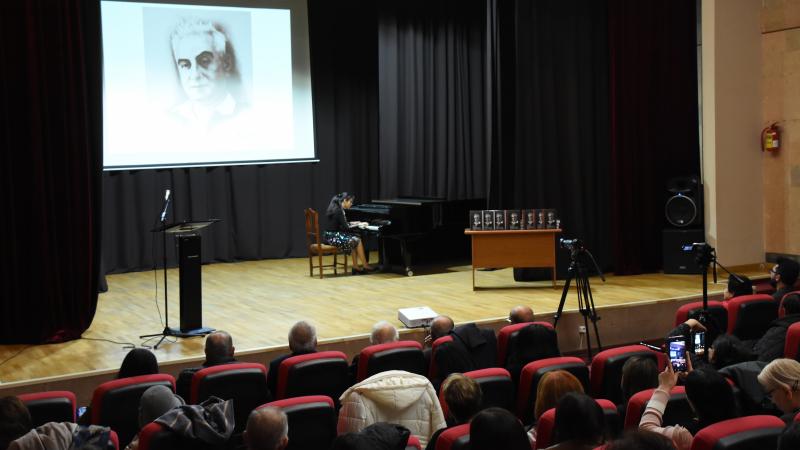
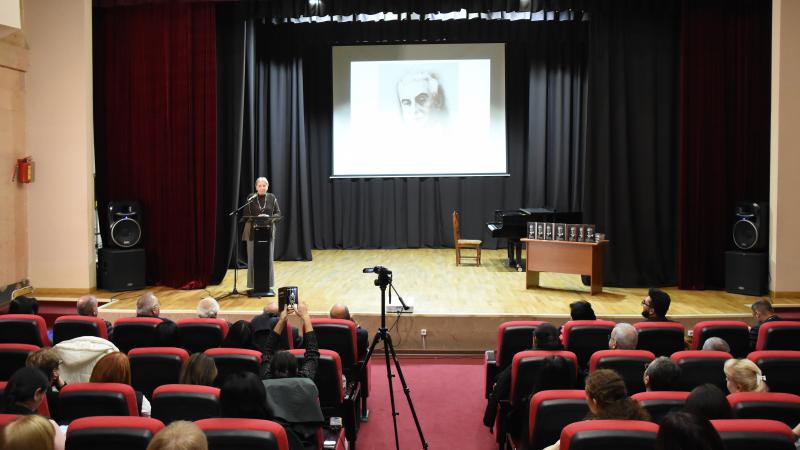
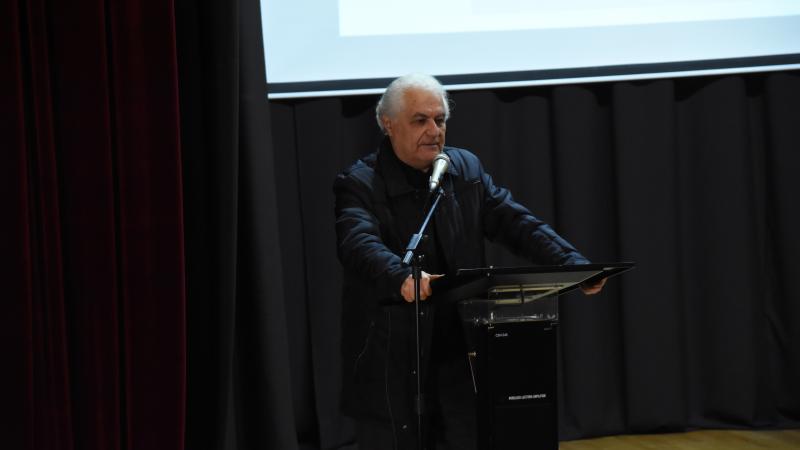
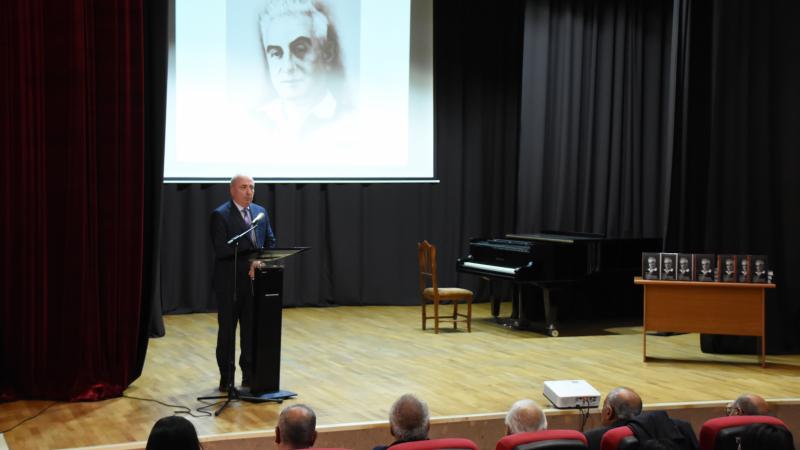
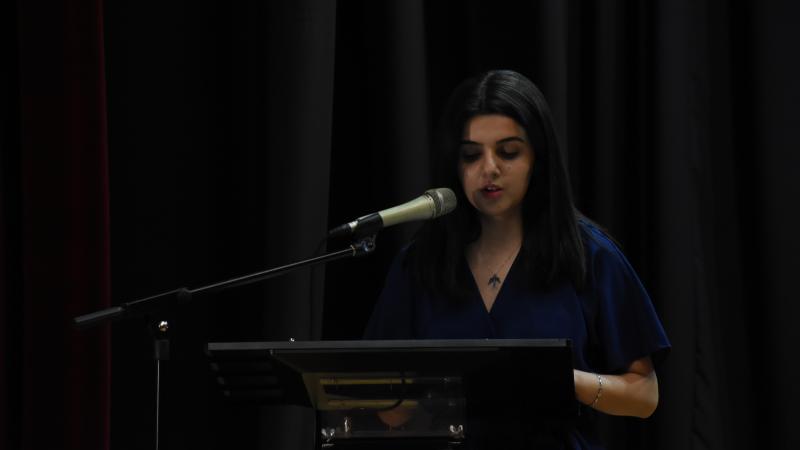
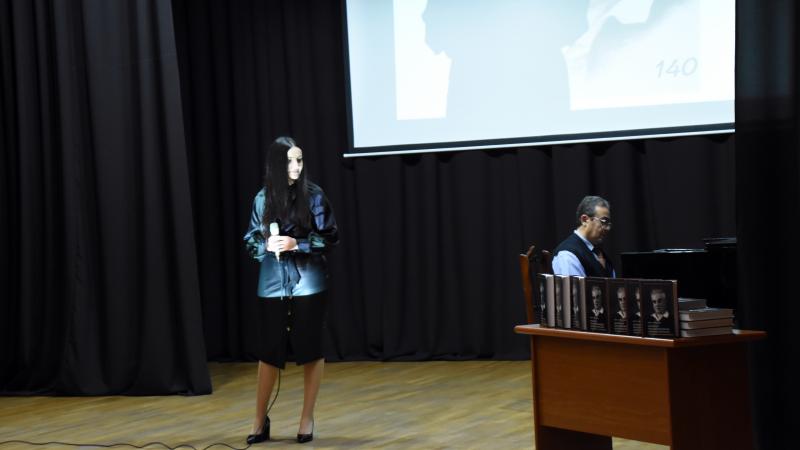
The Chair of Armenian New and Modern Literature and its Teaching Methods at the Armenian State Pedagogical University (ASPU) and the “Spyurk” Centre hosted a presentation of the book “Key Creative Issues of Oshakan: Interpretation and “Details””.
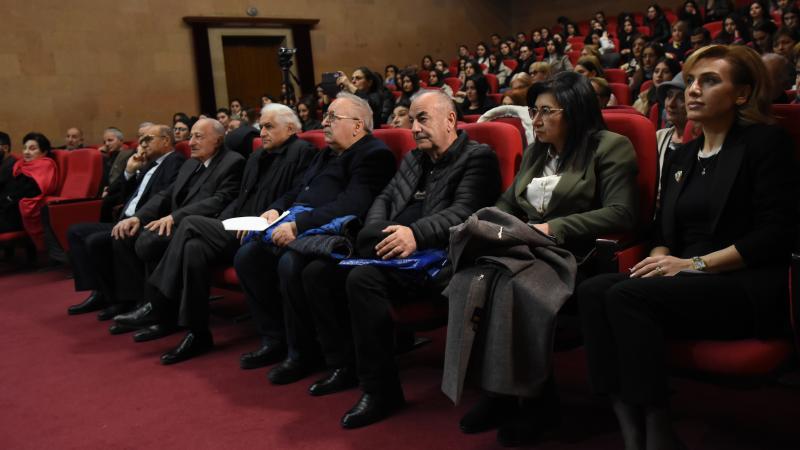
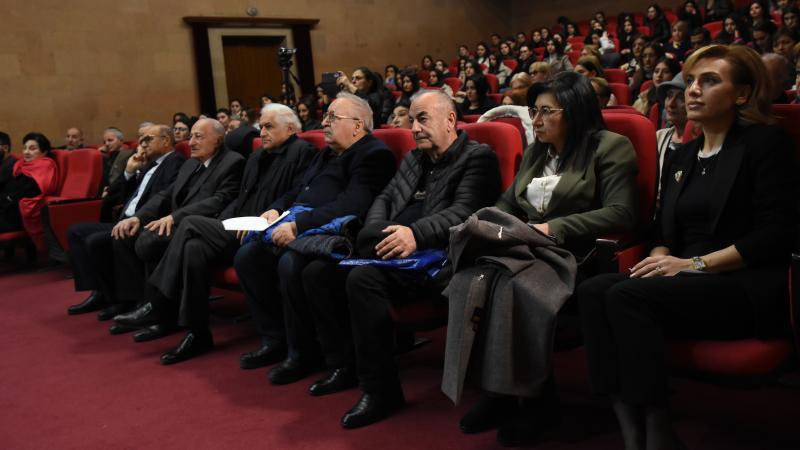
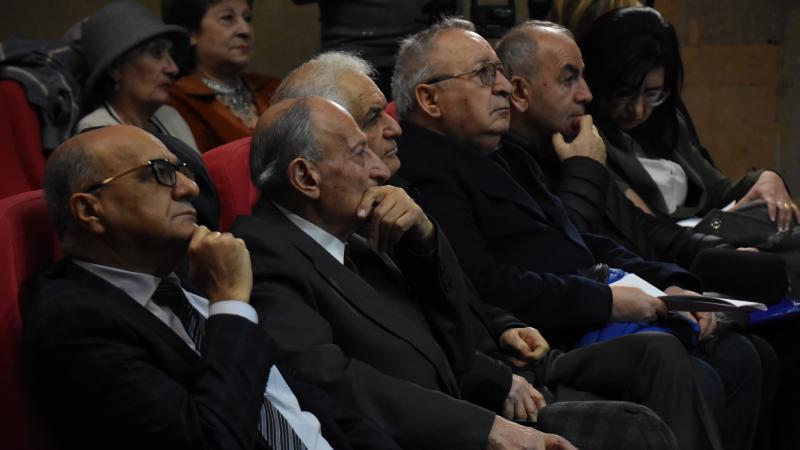
Representatives of government agencies, literary critics, writers, intelligentsia, lecturers and students attended the presentation of the book, which is written by Doctor of Philological Sciences, Professor Suren Danielyan and dedicated to the 140th birth anniversary of Hakob Oshakan.
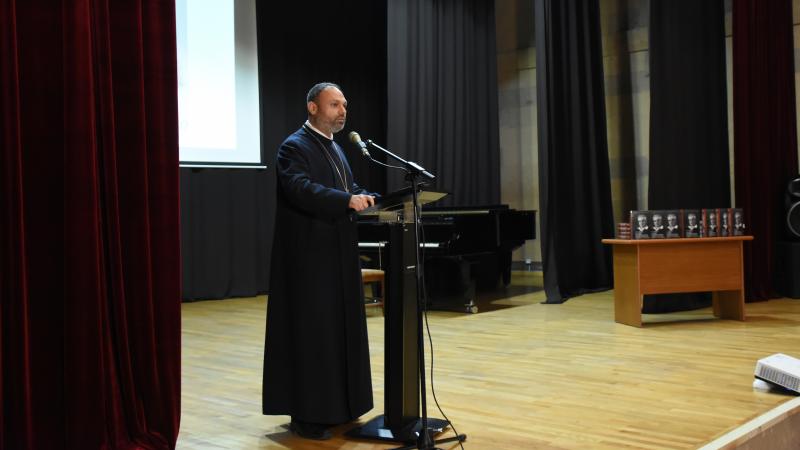
Director of the Christian Education Center of the Mother See of Holy Etchmiadzin, Father Zakaria Supreme Archimandrite Baghumyan, who was a pupil of Grigor Hakobyan, an expert on Oshakan, considers himself a happy person since he was introduced to the grandiose High Priest of Western Armenian literature through his teacher. “Oshakan was a unique individual, with his temperament, he was ardent and sometimes misunderstood, but also interesting, and this requires one to focus on the ideas, be in harmony with the soul and delve into the ‘waves of the sea’ in his works, but come out victorious, with more strengthened identity and Armenianness,” he said.
Father Zakaria talked about ‘the crisis of a thinking person’ in our days when ‘the dark is trying to dominate the light’, but, as he notes, such book presentations serve as evidence of the fact that we Armenians want to live and get to know our ancestors and our identity in more detail. He considers the publication of the book a victory over, yes, life, not the dark. He notes that Suren Danielyan is one of the unique individuals who preserves the classic orthography like a creed and shows infinite love for the pearls of Armenian literature.
Vice-Rector of the ASPU Mariam Ispiryan doesn’t believe it is a coincidence that the author of the voluminous book devoted to Hakob Oshakan (one of the greatest teachers who is among the first in Diaspora Armenian literature) is Professor of the ASPU Suren Danielyan. She notes that in the viewing field of the Professor, Hakob Oshakan’s literature is solid preference — first as a major circle in the teaching of Diaspora Armenian literature, and then as an academic interest originating from the early 1990s. “The book was composed between 2019 and 2023. Before that, certain questions about Oshakan have been featured in various periodicals in Armenia and the Diaspora and in the books of the author,” she stated.
Vice-Rector Ispiryan also touched upon the contextual and structural directions of the monograph, stressing the major peculiarities.
Specialist of the publishing house of the Ministry of Education, Science, Culture and Sport, alumnus of the ASPU Armen Sargsyan, who was attending the presentation, considers the publication of the book a remarkable task for the development of Armenian literary-critical thought and in the history of book publications and literary thought. “If we compare it with a labyrinth, it is as though literature is a compass that shows us the direction in which we have to go,” he stated.
Director of the M. Abeghyan Institute of Literature of the National Academy of Sciences of Armenia Heriknaz Vorskanyan also congratulated the attendees on the occasion of the splendid publication of the book. The speaker notes that the Professor succeeded in crossing the borders of time and identifying ‘the discovery of the suffering that the prose writer experienced’. According to Vorskanyan, the academic community has in front of it an insightful study that is valuable in terms of the comprehensive examination of the key issues set forth and will be explored later since the literary critic has extremely dense.
Dean of the Faculty of Philology Ashot Galstyan valued Professor Danielyan’s activities and role as an intellectual, scholar and pedagogue.
The speakers at the presentation underscored the need for monographs in the reality in Armenia, and they added that Suren Danielyan is like a watchman standing on the border, looking at what is going on beyond the borders of Armenia, that is, in the Diaspora.
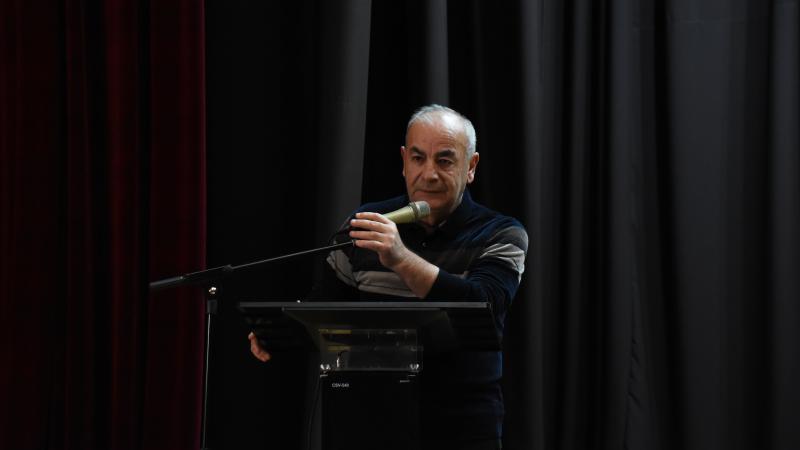
The expectations of the book’s author Suren Danielyan are met; Oshakan is presented as a possibility of converging the two parallel borders in acknowledgement of literature and as an objective to radicalize acknowledgement of Hakob Oshakan in our world. “It is extremely difficult to establish dialogue between generations, between literary worlds, between people,” the Professor said during the presentation, noting that Oshakan showed the significance of literature as the ultimate objective and as acknowledgement. “Oshakan truly changed the conventional order of our notions. Today all one needs to do to get to know him is to simply read his works,” he summed up.