- Հայ
- Рус
- Eng
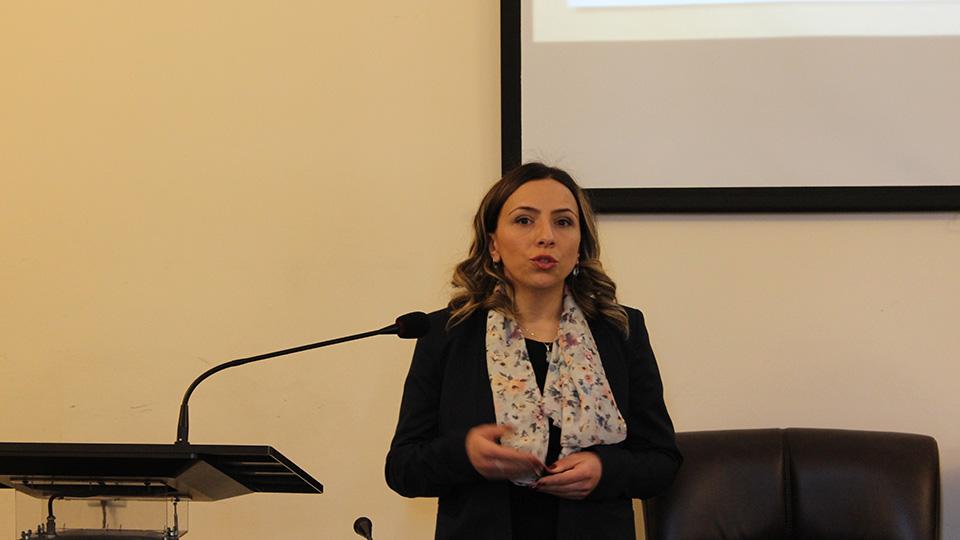
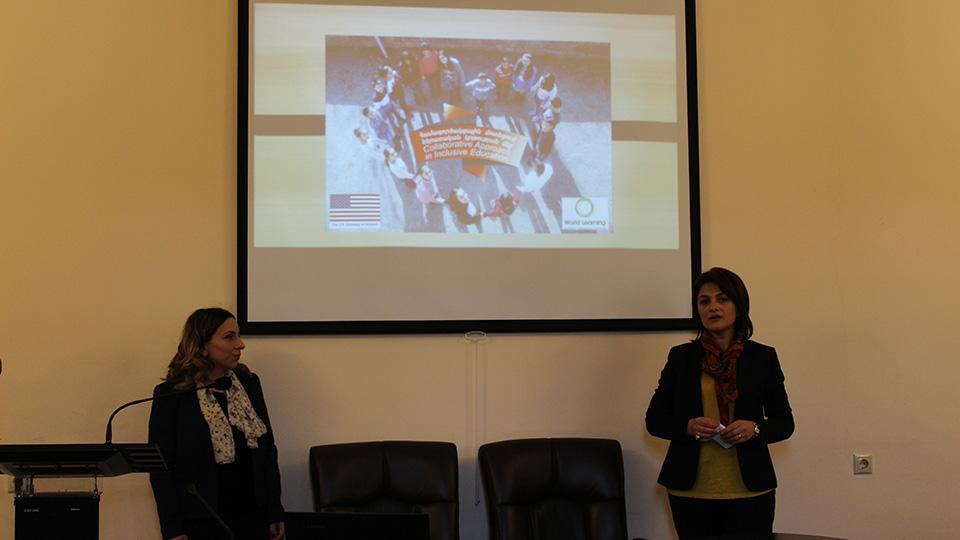
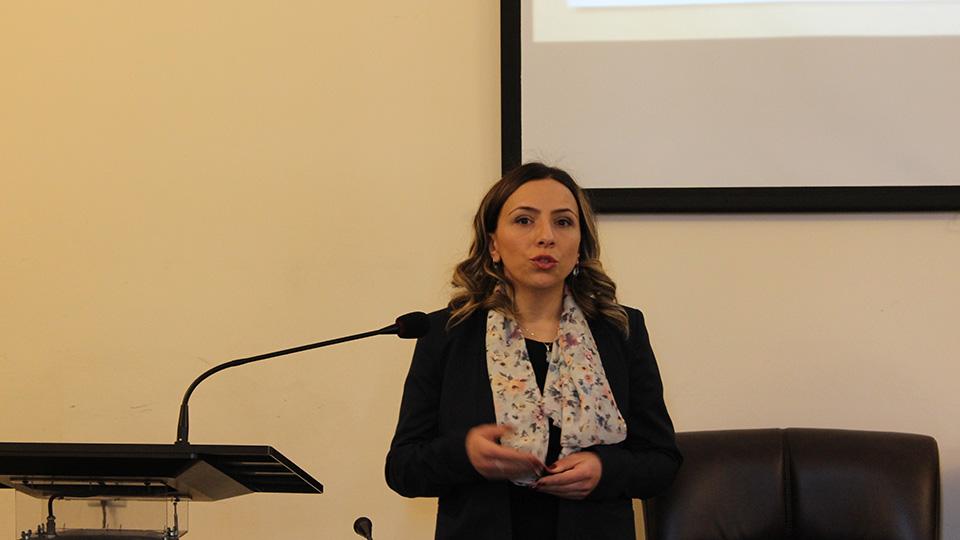
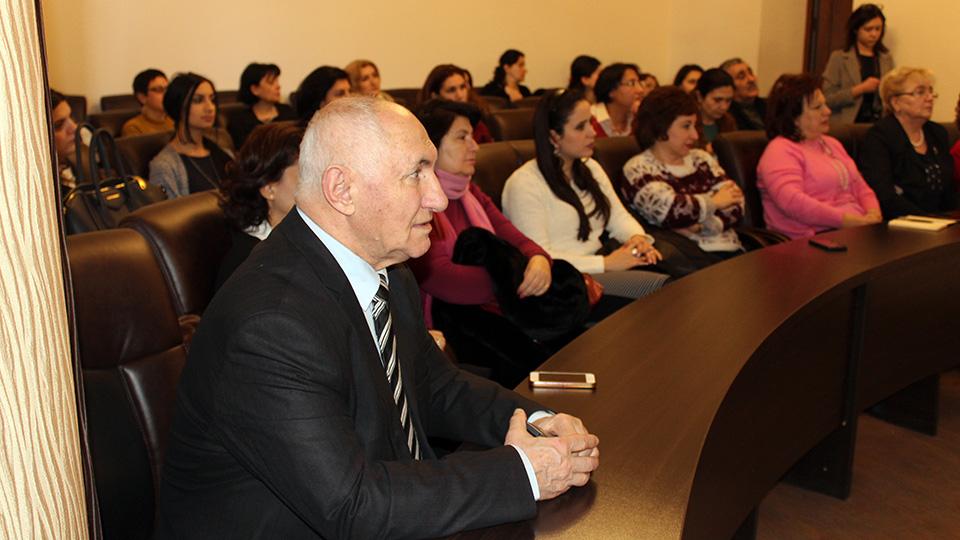
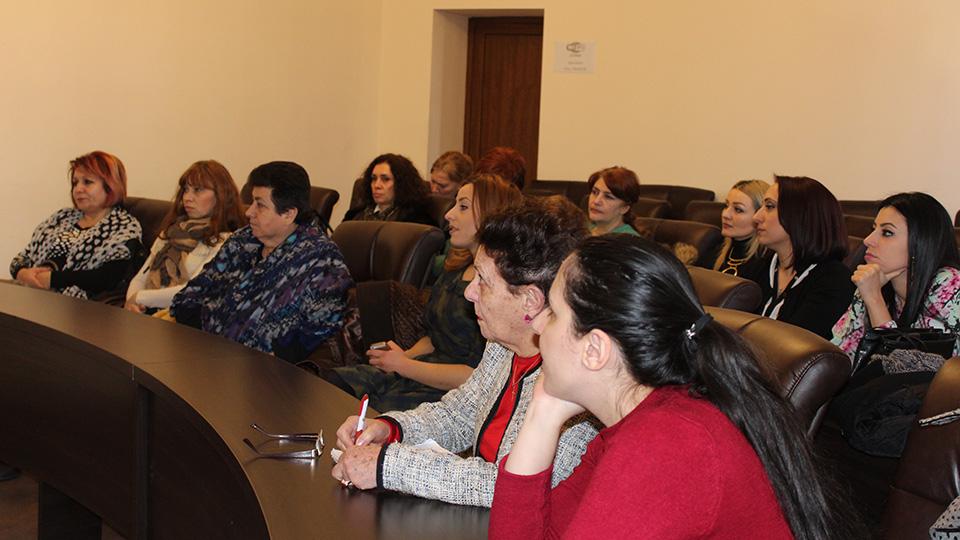
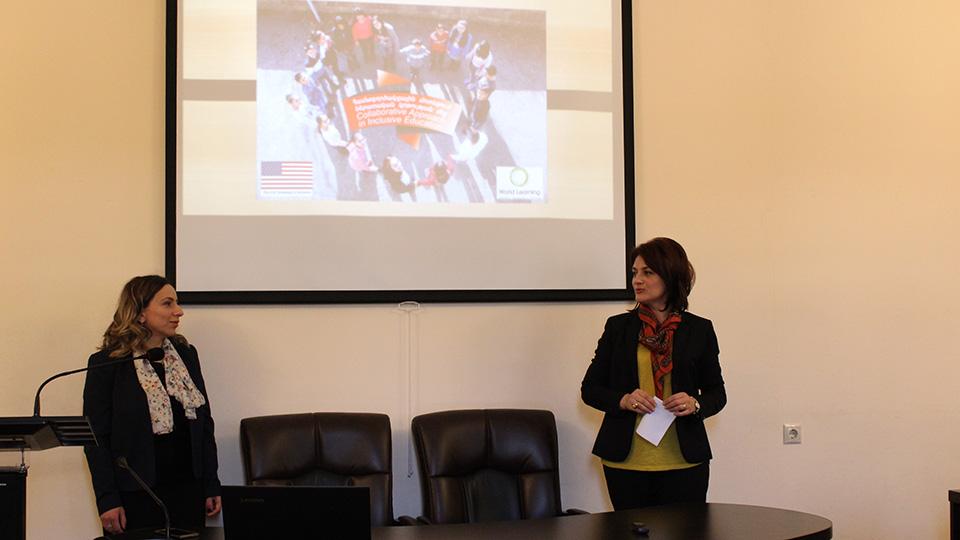
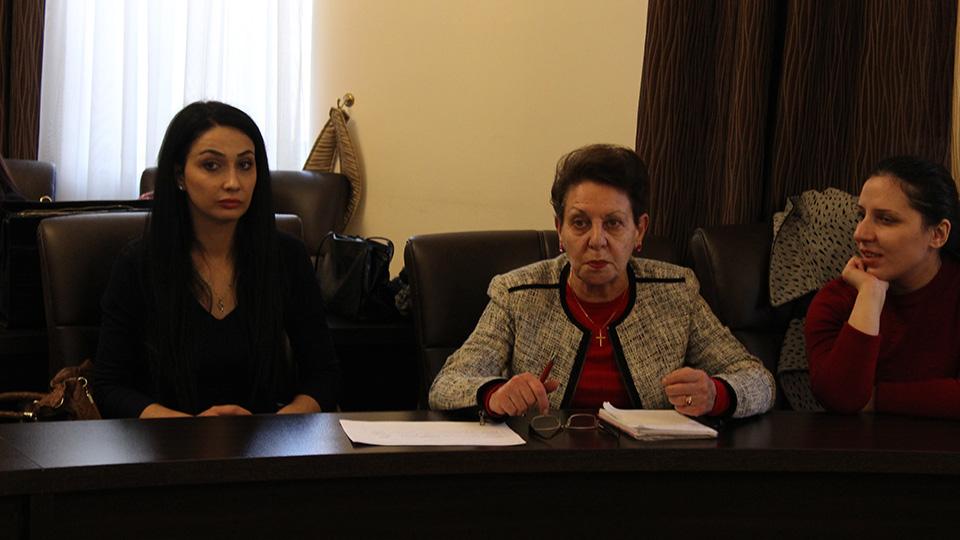
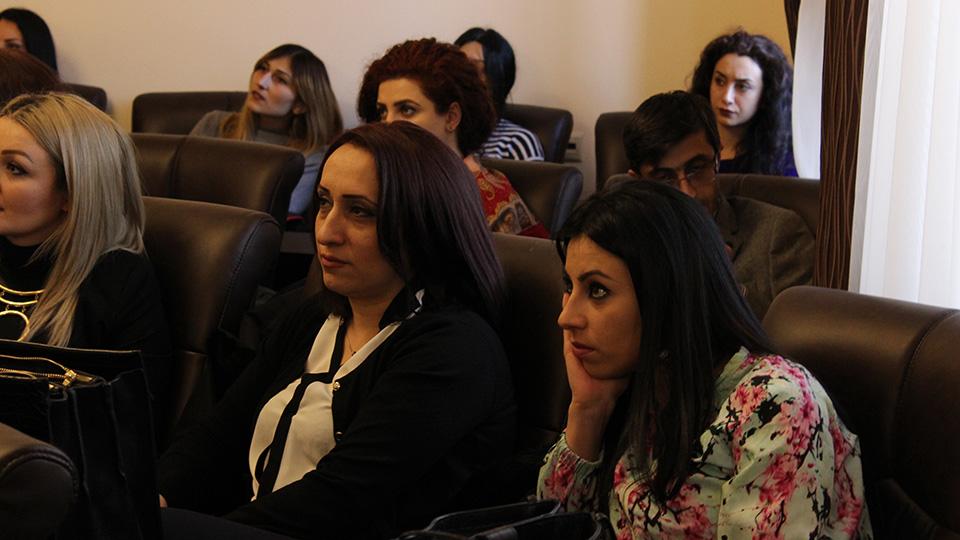
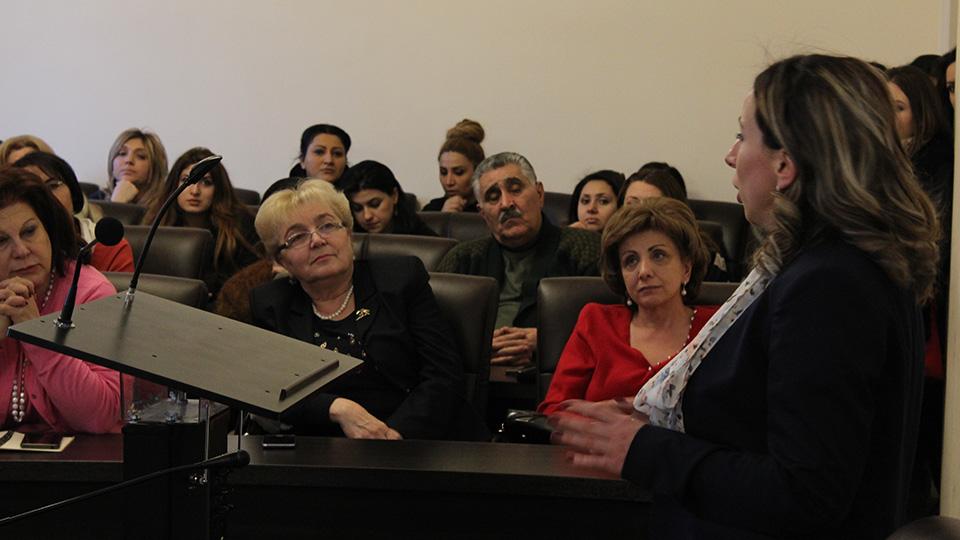
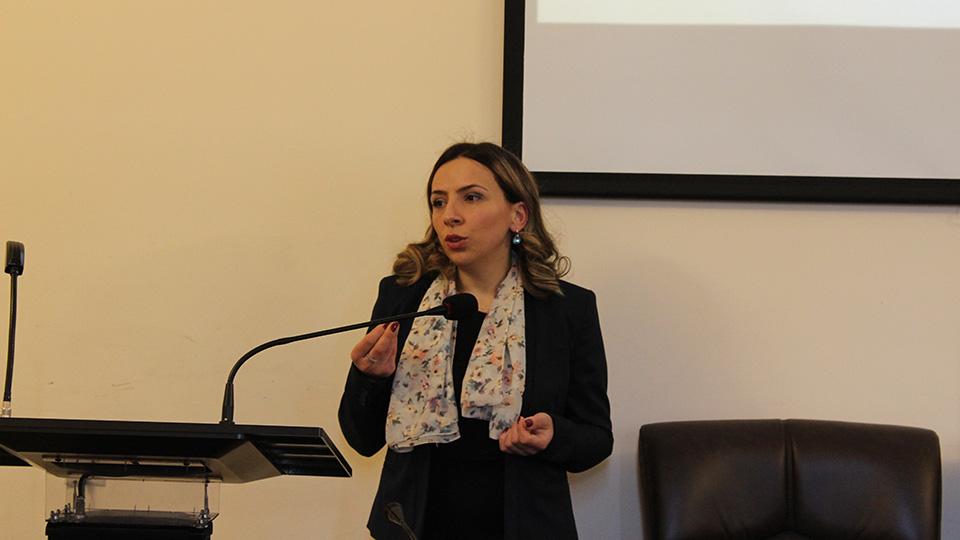
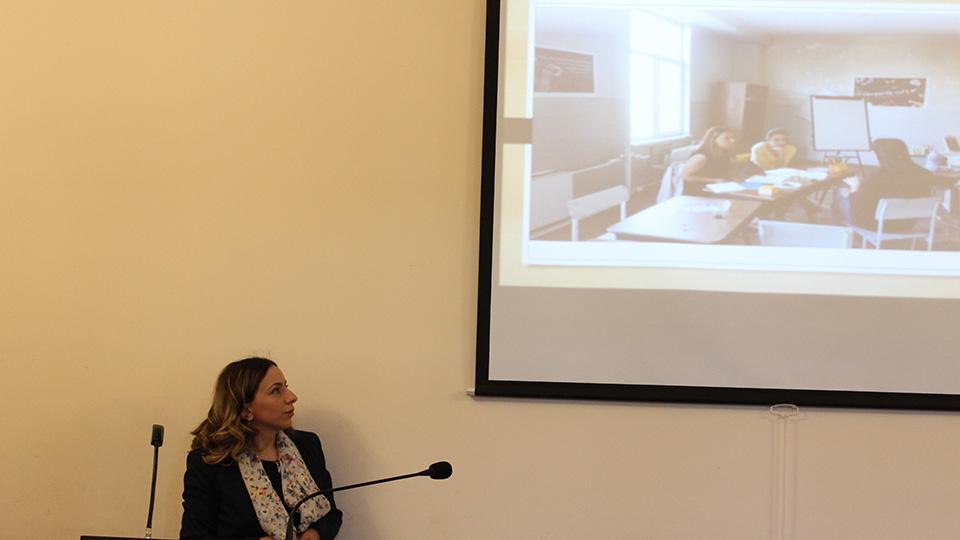
The presentation of the project “Collaborative Approach in Inclusive Education” was held at Armenian State Pedagogical University. During the event, the author of the project, Suzanna Petrosyan, introduced and summed up the results of the pilot project implemented in support of the U.S. Embassy in Armenia.
She said while creating the project she focused on these main problems: lack of complete and reliable data on team work and schoolchildren, shortage of skills and knowledge among teachers in working with children with special educational needs, difficulties encountered in inclusive education. “Our aim is to promote social inclusion in schools, help children learn and develop in a more favorable social environment. This model of inclusive education creates a platform for children with special educational needs to communicate effectively and develop friendship with classmates,” she said.
Suzanna Petrosyan stressed in her speech that the main workload [in inclusive education] falls on teachers: they are given a task but they do not receive adequate assistance and are not shown ways of solution. As a result, the process becomes complicated for them.
She reminded that schools aim to help children; school is a place where children learn to get along with other people and develop their social skills.
It is possible to include all children in the process if there is a will.
The author of the startup project “Collaborative Approach in Inclusive Education” is convinced that thanks to the effective teamwork and use of assessment tools, the project will enable all children to be included in the education process, exercising their right to education through the approach “Education for all and for everyone.”
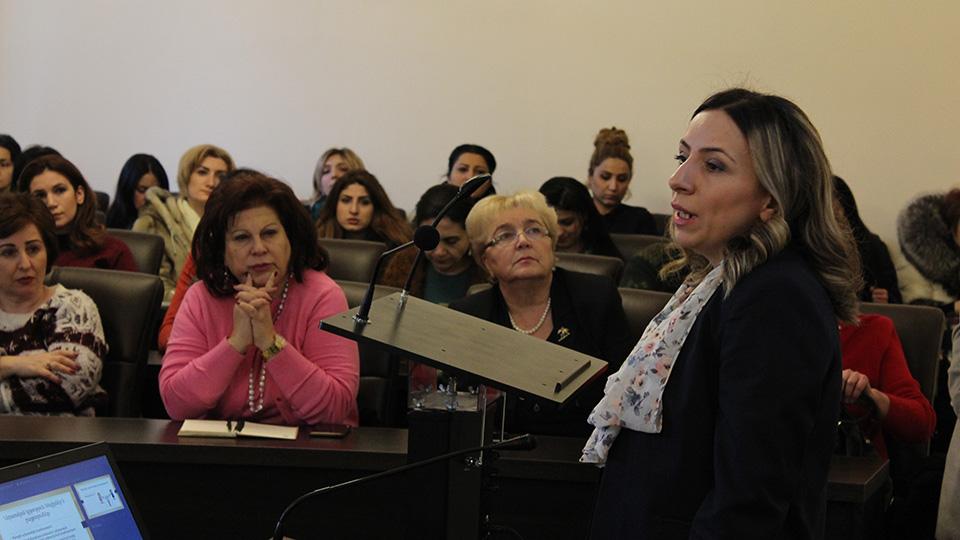
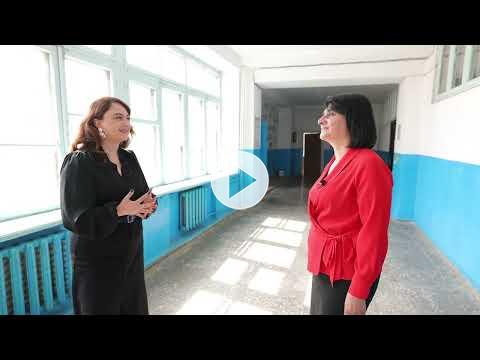
Suzanna Petrosyan described the implementation of the project with an impressive video presentation, stressing once again that the aim of the project is to use a collaborative approach, authentic assessment criteria and foster children’s inclusion in classrooms, facilitate their effective communication with peers and help them feel full-fledged members of society.
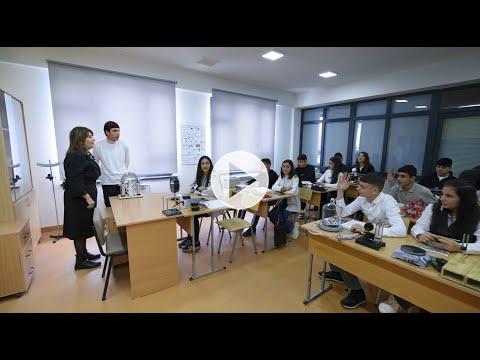
She noted that the start of the project was announced in 2016 in Yerevan’s Basic School N163. Within the scope of the project activities, a series of meetings were organized and held with school teachers and multidisciplinary team members, introducing them to new methodologies and techniques in special education implementation and sharing with them new skills for arranging social inclusion in schools, preparing and maintaining a stimulating physical environment, and teaching them how to apply new and modern approaches in practice.
Armine Avagyan, Dean of the Faculty of Special Education, said ‘although much has been said about the strengths and weaknesses of inclusive education, the lack of database on inclusive education remains a primary concern.’
The dean said she was inspired by Susanna Petrosyan's ideas and projects. They plan effective cooperation in the near future.
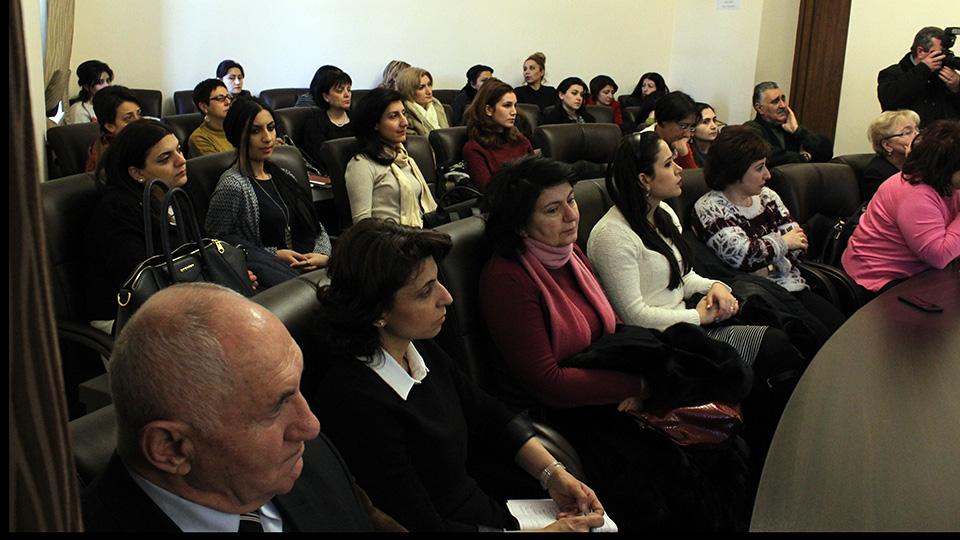
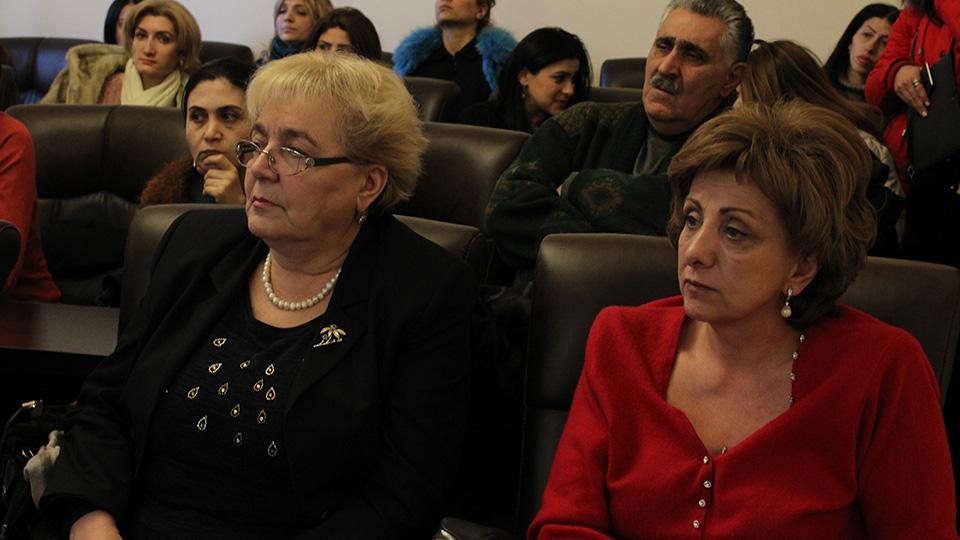
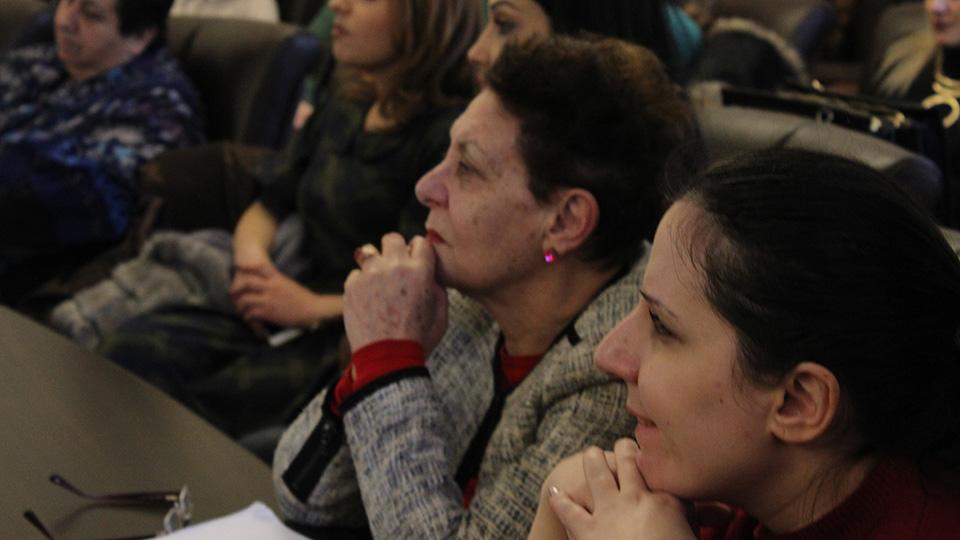
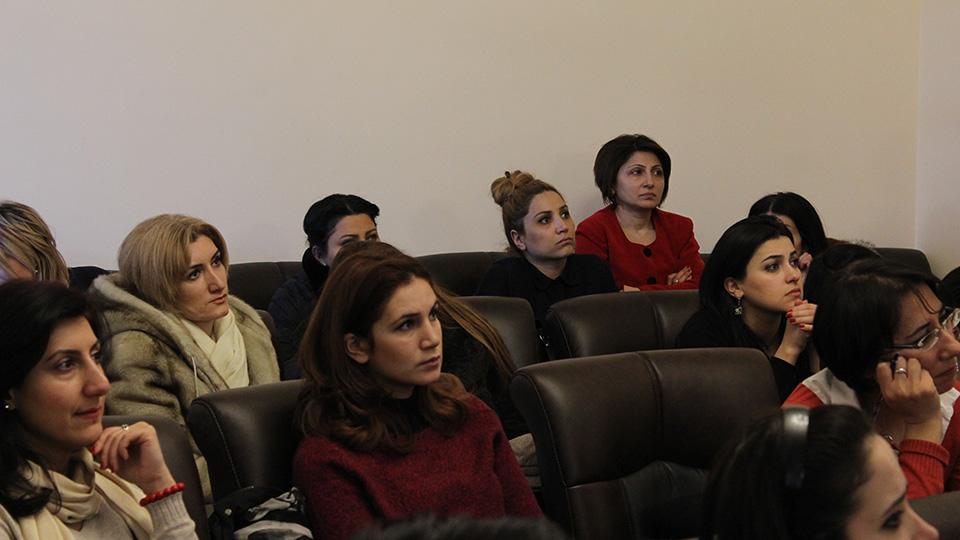
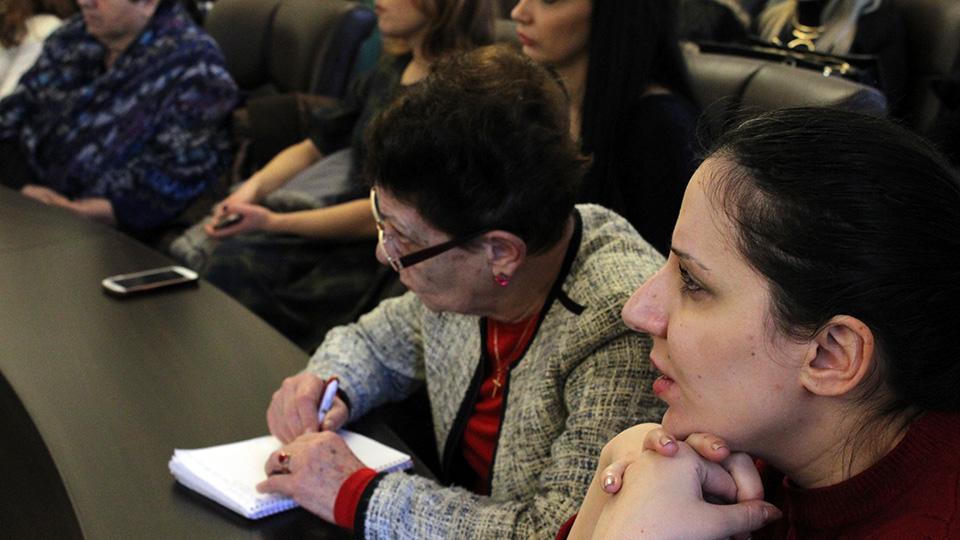
The meeting was attended by representatives of the education sector, inclusion specialists and students who made speeches and proposals.
“Cooperation between teachers and multidisciplinary teams is one of the priorities for inclusive education. This is education for each and every child. You can hardly find a child without problems; they are simply seen or remain hidden. Teachers are to organize the monitoring of each child in a proper way, trying to reveal their strong and weak sides,” said Anahit Bakhshyan, Deputy Director of the National Institute of Education (NIE). She assured everyone that thanks to the project which was first introduced in School N163 inclusive education will be put on the right path.