- Հայ
- Рус
- Eng
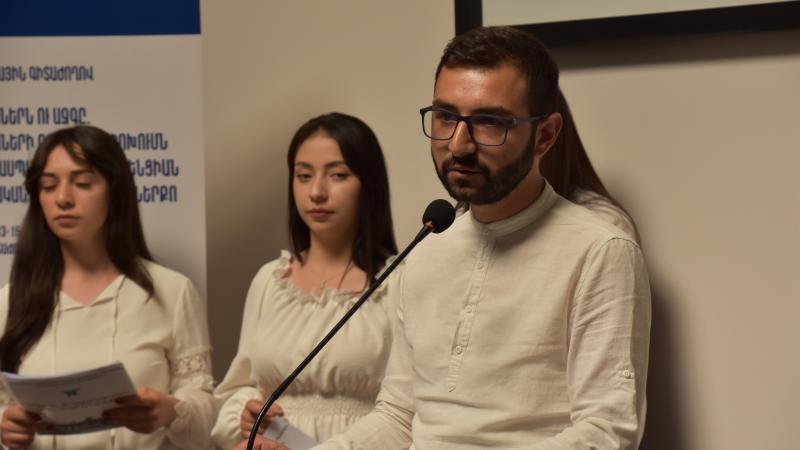
"For centuries, the national school has had its honourable place in Armenian and world history, ensuring the continuous progress in education. Invaluable is the role of the national school in rearing and educating a generation endowed with moral and national values and a national profile. That's why it is necessary to study the heritage of the past, passing it on from generation to generation." These words were said in address of “Armenian Schools in Karin” – the winning team during the all-university competition entitled “Evidence of an Educated Nation.”
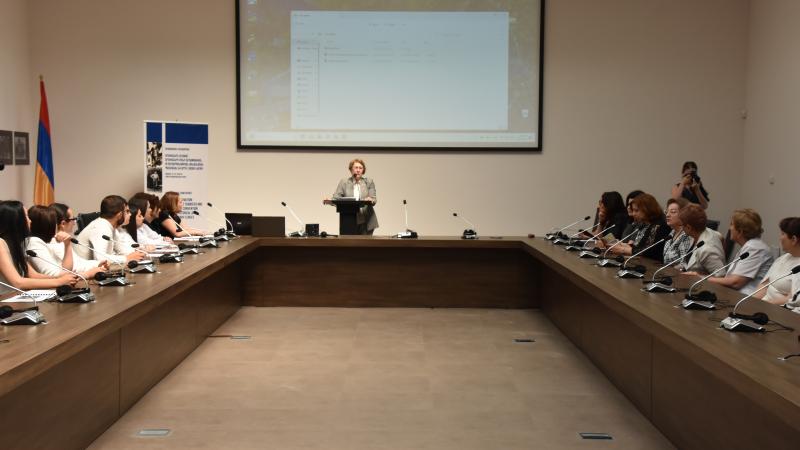
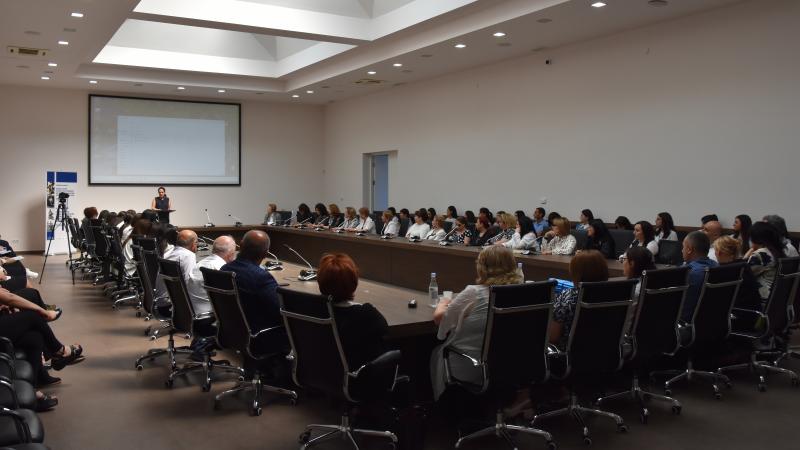
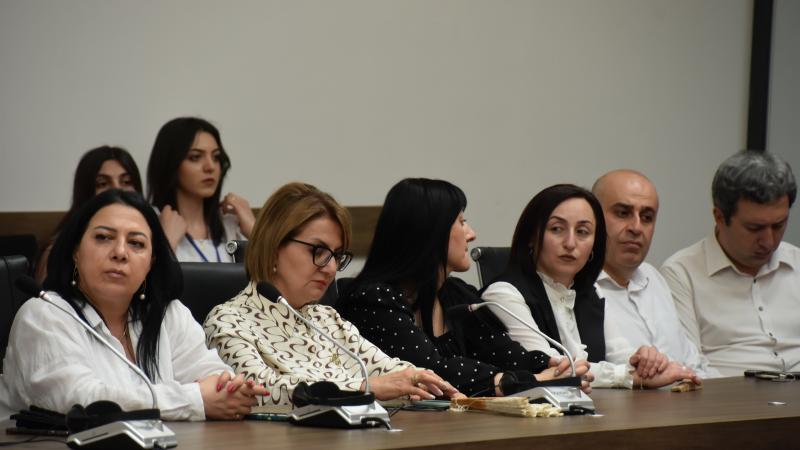
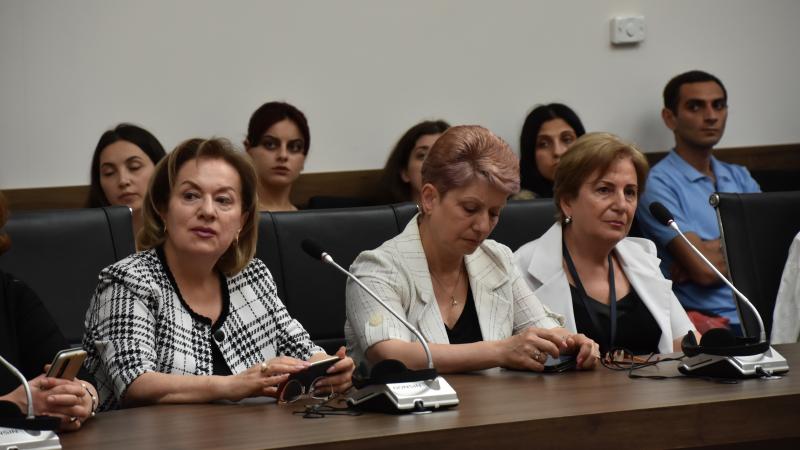
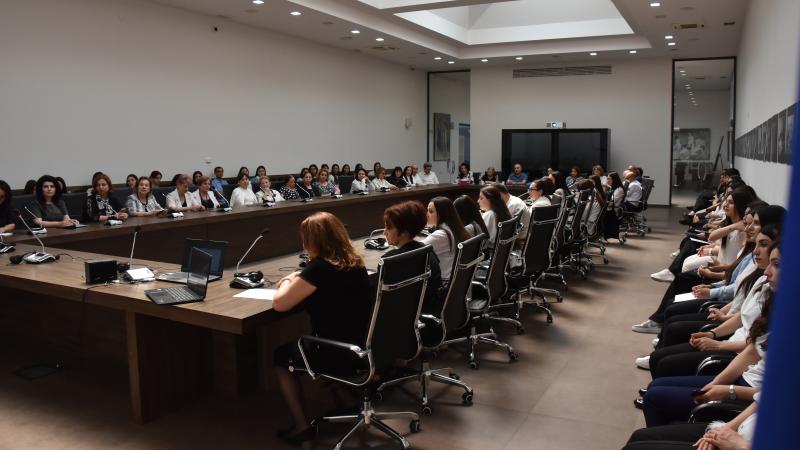
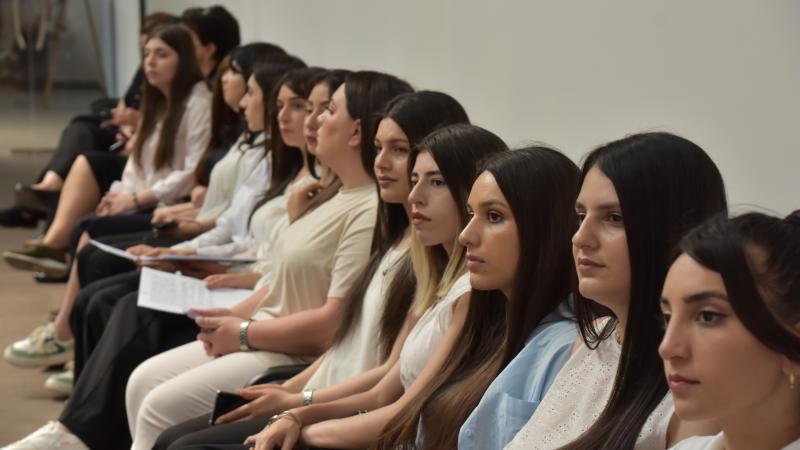
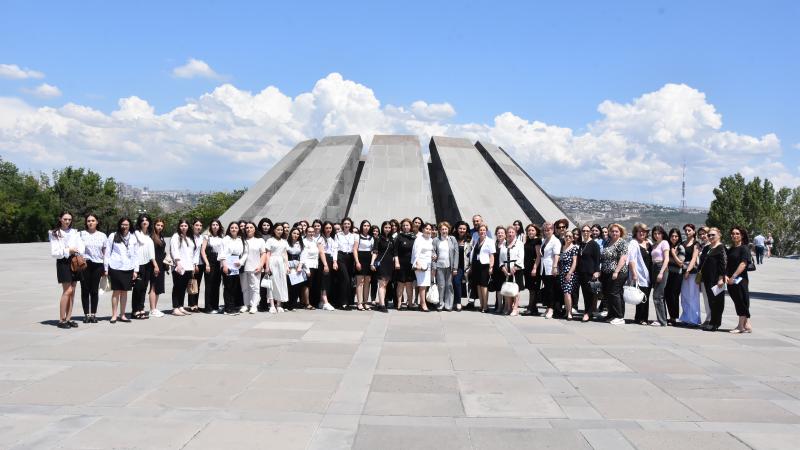
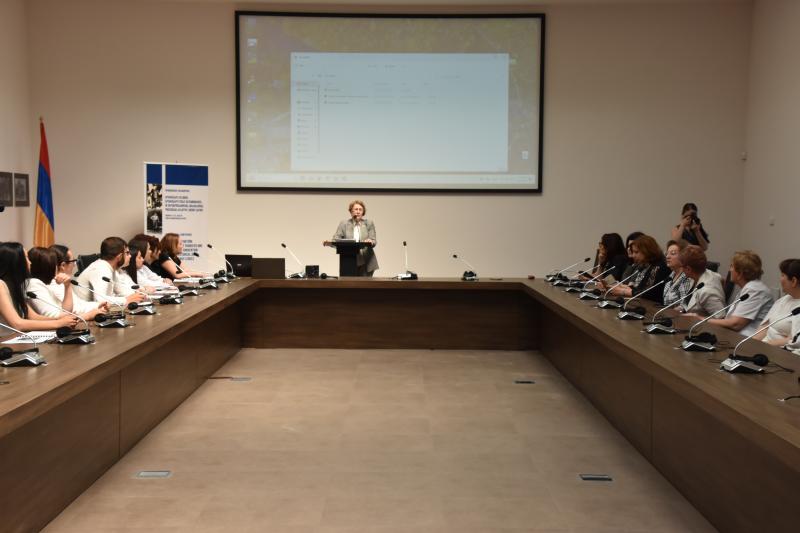
The results of the all-university competition organized by the ASPU Chair of Pedagogy were summed up at the Armenian Genocide Museum-Institute. Overall, 100 students from the eight faculties of the university and 27 lecturers participated in the competition.
The aim of the initiative is to enrich the history of Armenian pedagogy, to present the prosperous activity of educational centers and Armenian intelligentsia in Western Armenia, and to emphasize the role of education in transforming society. It also aims to develop the pedagogical mindset of future teachers, form a national and human value system, adopt modern educational technologies, and enhance cooperation between students and teachers/lecturers in creating new knowledge together.
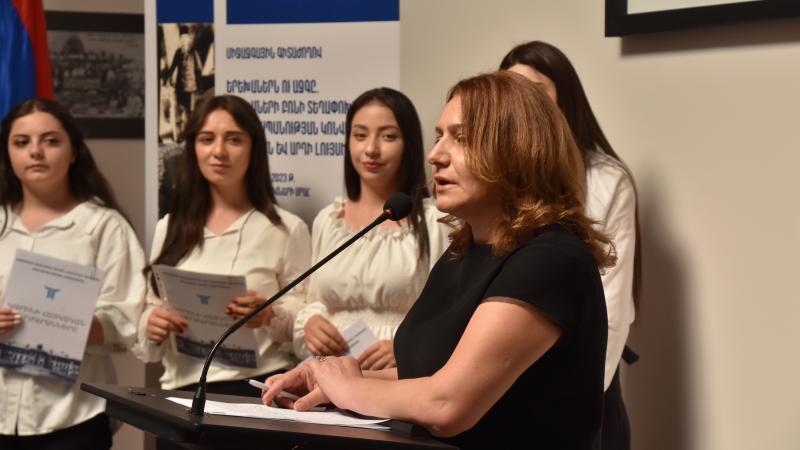
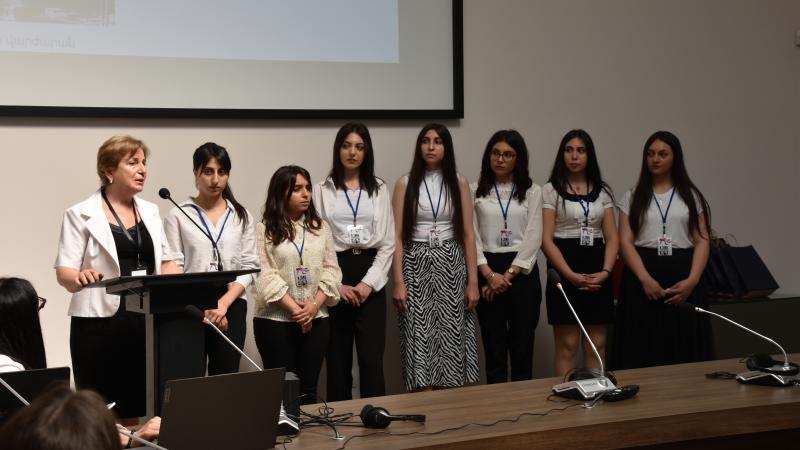
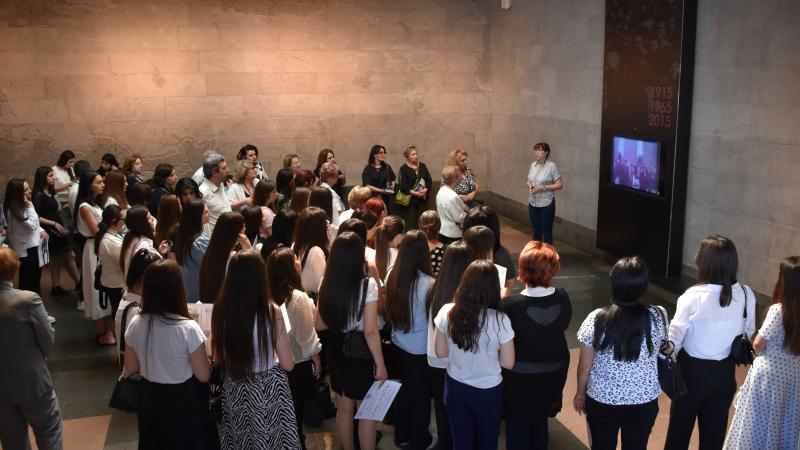
Three out of the eight projects that passed through the previous stage of the competition and entered the finals were presented again, this time at the Armenian Genocide Museum-Institute.
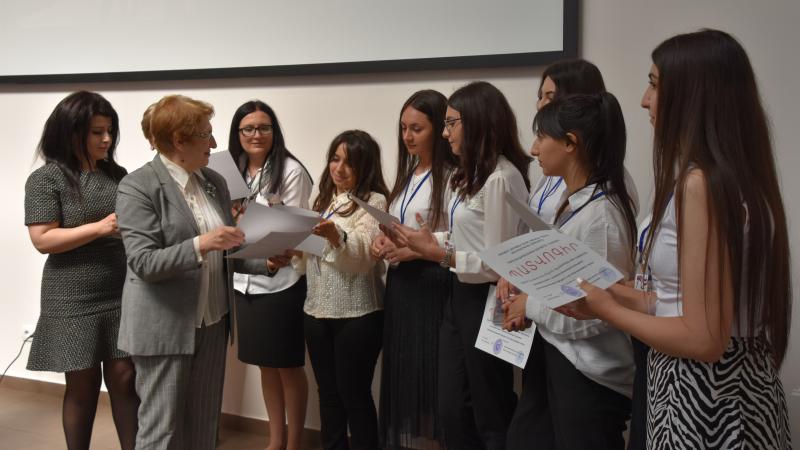
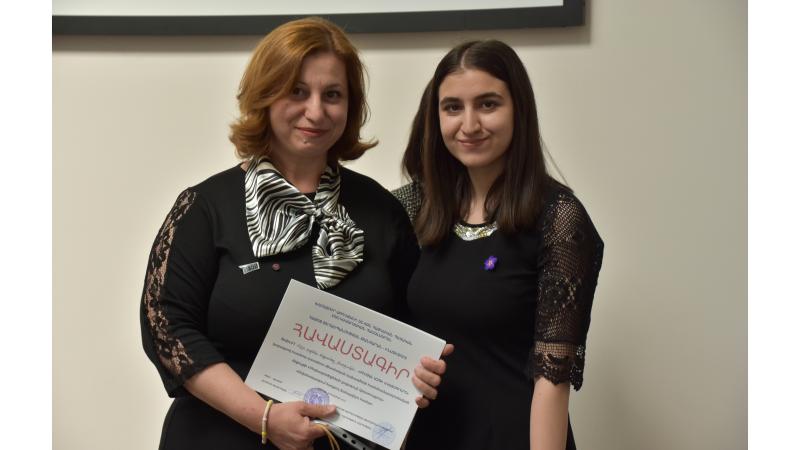
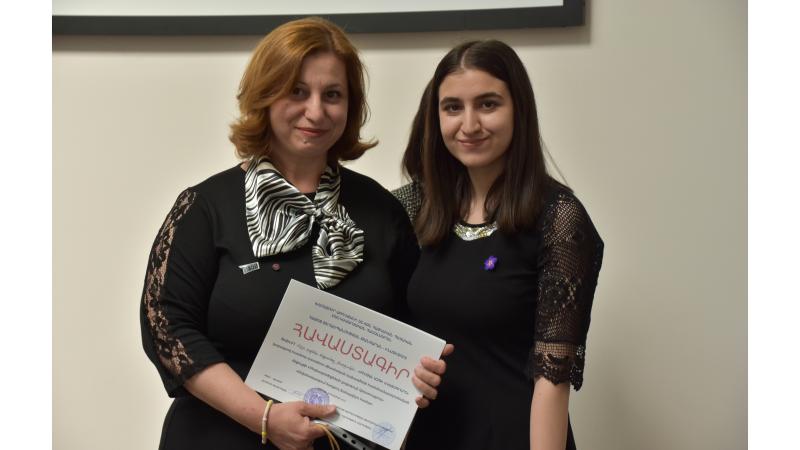
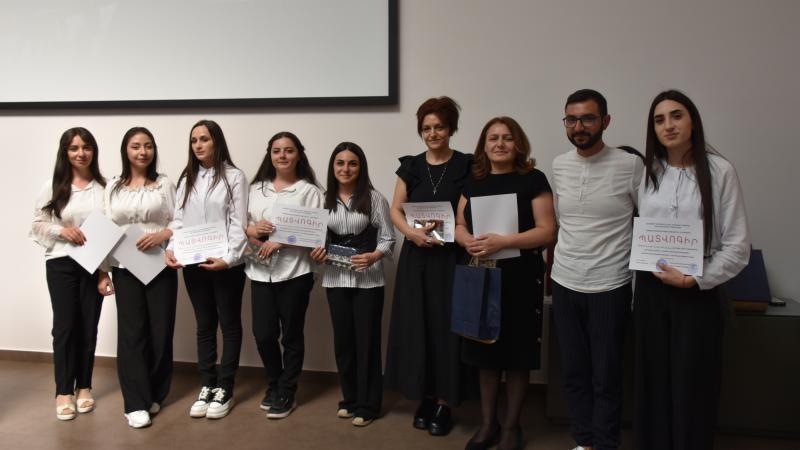
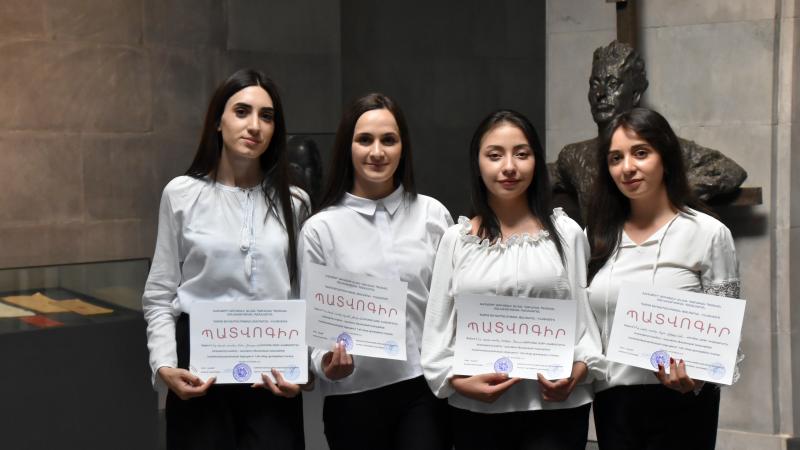
The three projects submitted in the competition - "Armenian Schools in Karin", “Central School of Istanbul on the Way to National Preservation", "Education in Smyrna in the 19th Century", were excellent research works. The joint project of the Faculty of History and Social Science came first in the competition. The project of the Faculty of Philology came second followed by the work of the Faculty of Chemistry, Biology and Geography.
The remaining projects - "Best Innovative Project", “Audience Sympathy”, "Best Presentation of Project", "Disclosure of National Educational Traditions", "Best Use of Media Tools" were named winners in different nominations and received incentive awards.
The Evaluation Commission highly appreciated the original content of the submitted works and the large-scale research done, noting there were no winners and losers in the competition: it is education and science that had won.
When summarizing the results of the competition the jury said that the competition had achieved its goal, and the Armenian pedagogical thought and history had been enriched with another serious research material.
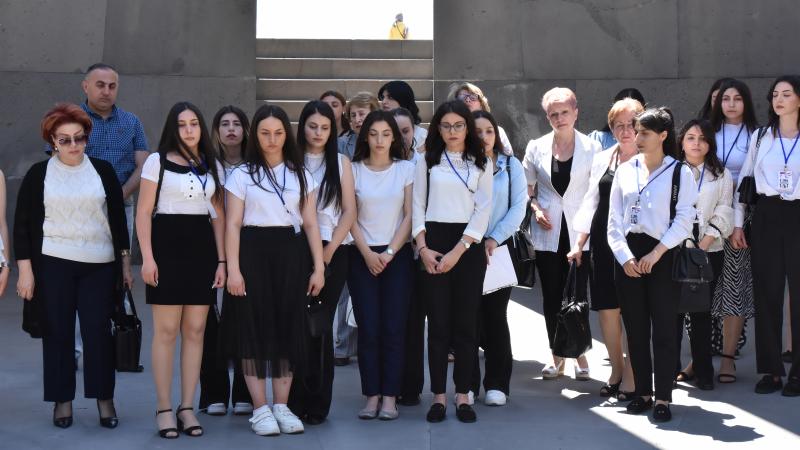
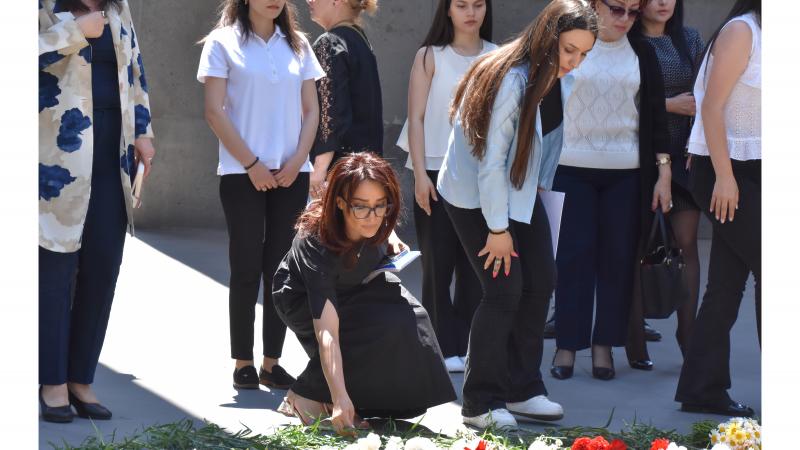
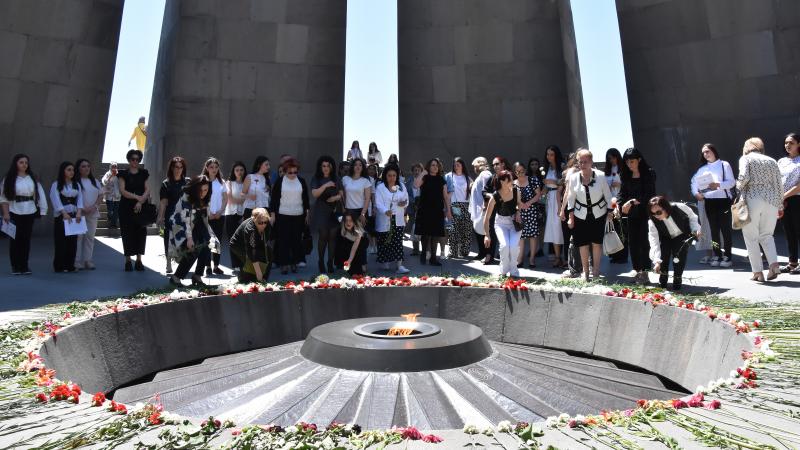
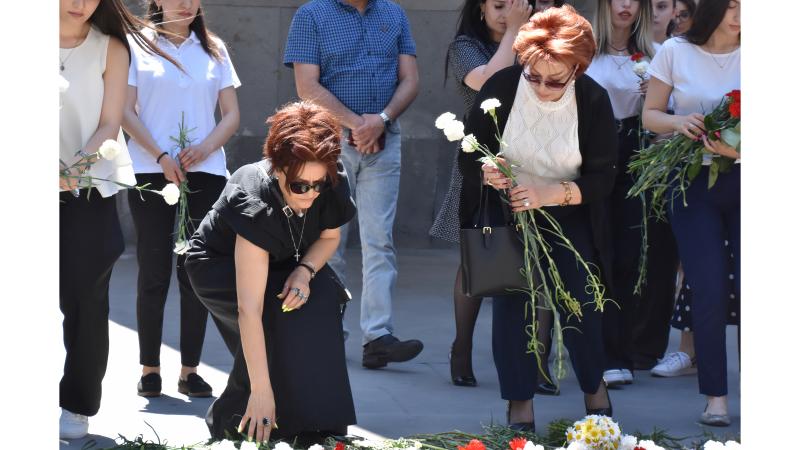
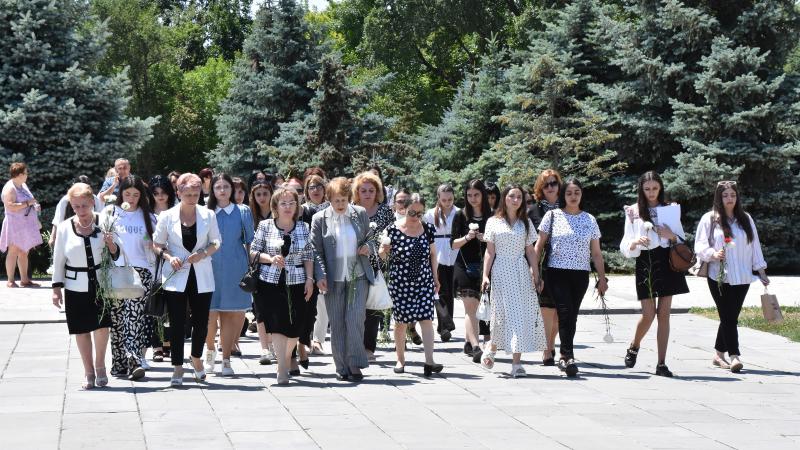
Before proceeding to the speeches of the final stage, the participants accompanied by the organizers of the event, laid flowers at the Tsitsernakaberd Memorial Complex, which perpetuates the memory of the 1.5 million innocent Armenians who perished in the first genocide of the 20th century.
The competition was preceded by an exhibition under the same name organized jointly by the Armenian Genocide Museum-Institute and the ASPU History Museum, which was dedicated to Armenian educational institutions.
In the Armenian Genocide Museum-Institute, the speeches about issues in upbringing and teaching in educational centers in Western Armenia, activity of the intelligentsia in the preservation of national identity, establishment of orphanages and orphan schools in Western Armenia, Kedronakan and Karin Armenian schools, activity of Armenian educational institutions in Smyrna, Western Armenian schools from the past to the present, were extremely symbolic.
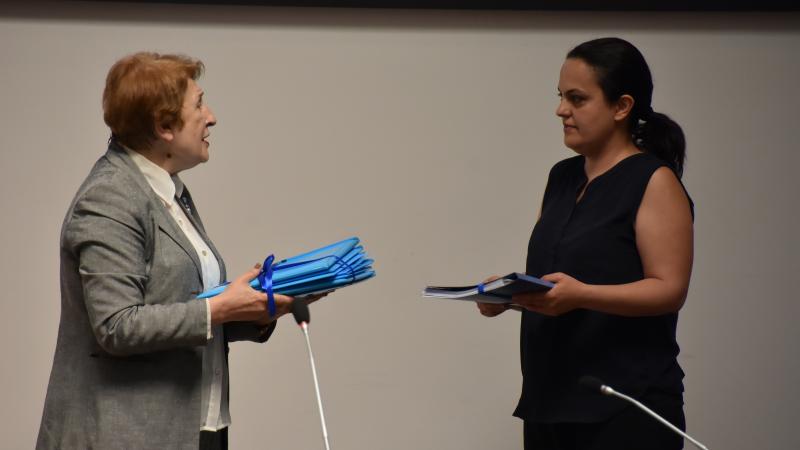
The detailed research by students and professors on the aforesaid topics will also greatly benefit the activity of the Museum. All the projects were handed over to the Museum in a package.
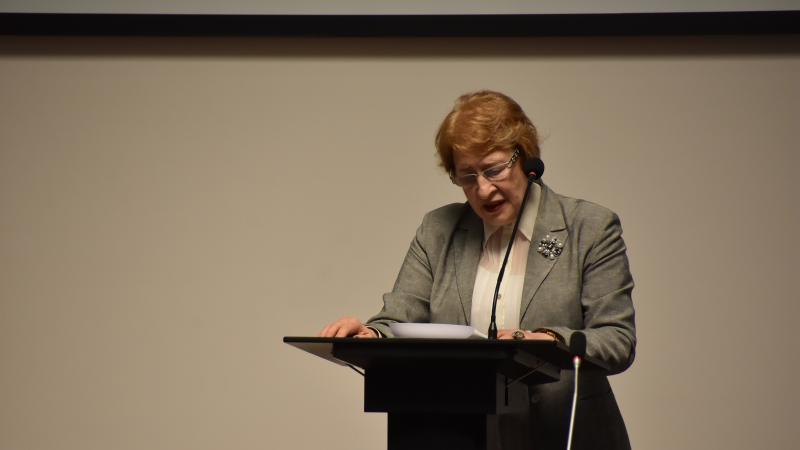
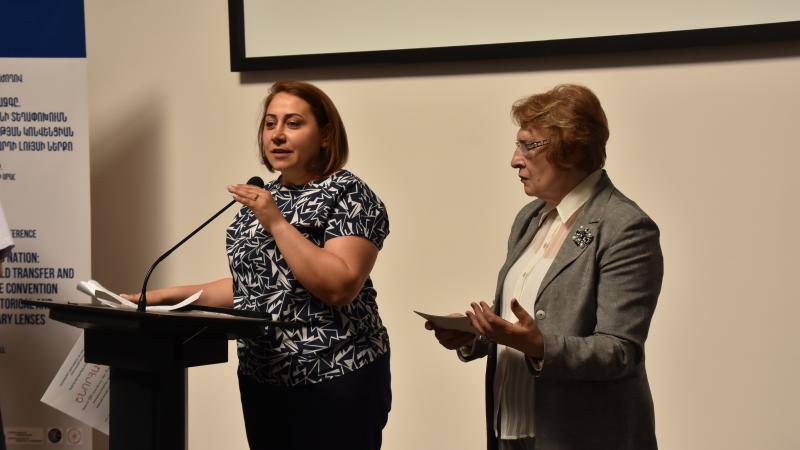
Edita Gzoyan, Deputy Director of the Armenian Genocide Museum-Institute, says they have cooperated with ASPU on various occasions and she is happy that cooperation expands including students as well. She emphasizes that young people's approaches and principles are important [for them] as future generations will be educated with them. "Large-scale work has been done. The projects will complement the museum's collections and funds, and those containing scientific innovation will be published in journals," she said.
Professor Aida Topuzyan, Head of the Chair of Pedagogy at ASPU, says that from the very beginning, the participants approached the competition and the implementation of projects with great responsibility.
She is sure that everyone has put a part of their soul in the project, and the work they have done has taught them to set the right goals, to predict and cooperate. "For many people, the project has become a means of strengthening patriotism, national self-awareness and identity. The participants have had the opportunity to learn about the history of the people, educational traditions of our ancestors living outside Armenia, activity of famous pedagogues as well as about educational, nationalistic, and patriotic activities of the educated children of our nation.
Aida Topuzyan, the author of the initiative and the organizer of the competition, thanked the supporters, including the ASPU Library, Museum, the Genocide Museum-Institute, the National Library and everyone who supported the students throughout the process.
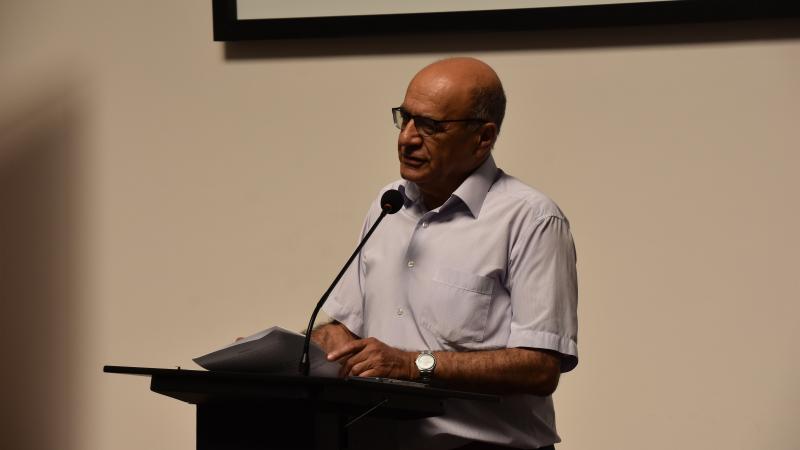
Professor Suren Danielyan, one of the members of the jury, says the project was unprecedented and will remain in the history of the University and its Museum. He also reminds that Aida Topuzyan's ancestors come from Western Armenia, and today she fulfilled her duty to the memory of her father, Onik Topuzyan.
The professor stressed that the wonderful path of Western Armenian educational history was revealed by pushing students to the front line and thanks to their impeccable work.
Edgar Hovhannisyan, Dean of the Faculty of History and Social Science, says in the 21st century, teaching in a classroom format is no longer enough: to make the process effective it is recommended to use new technologies and methods as well.
He says the competition “Evidence of an Educated Nation” is the best example of project-based learning, thanks to which the participants studied the topic, mastered separate episodes related to the Genocide, and future teachers learned to work with an innovative method, which they will later use in practice.
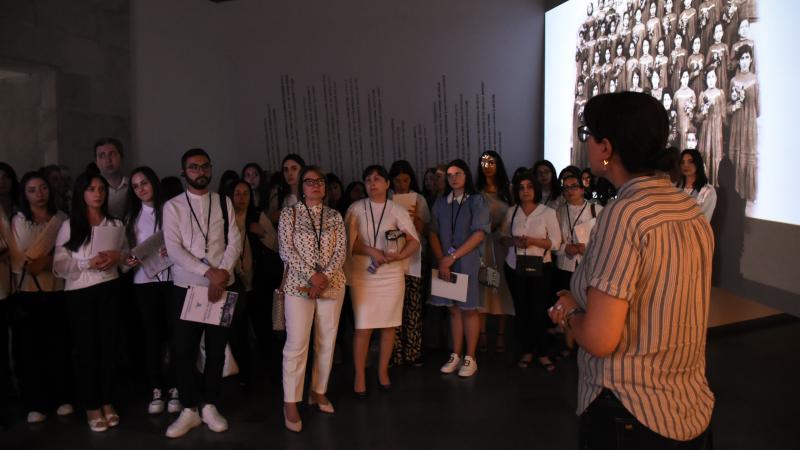
At the end of the event, the students and lecturers, accompanied by Anzhela Tevekelyan, a graduate of ASPU, employee of the Armenian Genocide Museum-Institute, walked around the museum and got acquainted with its rich exhibition.