- Հայ
- Рус
- Eng
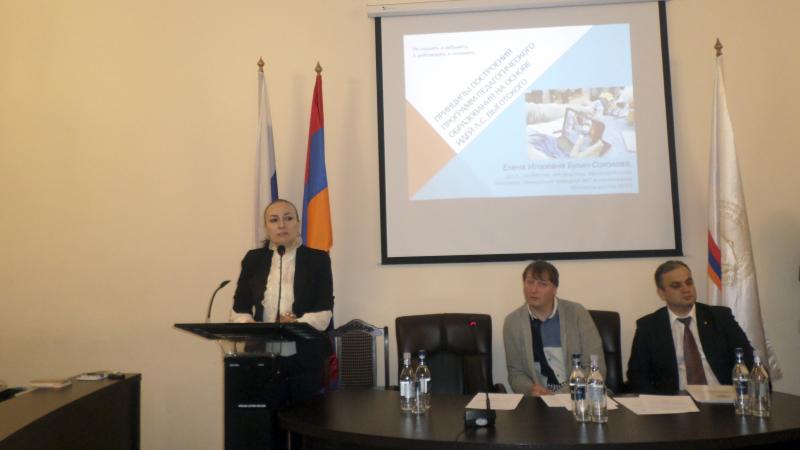
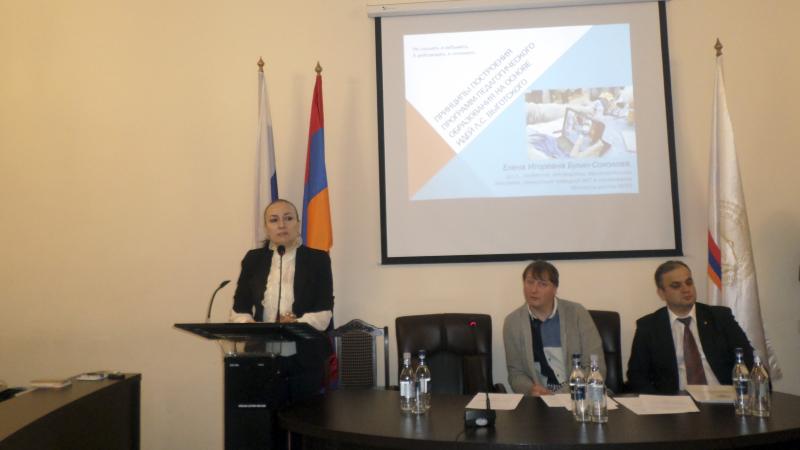
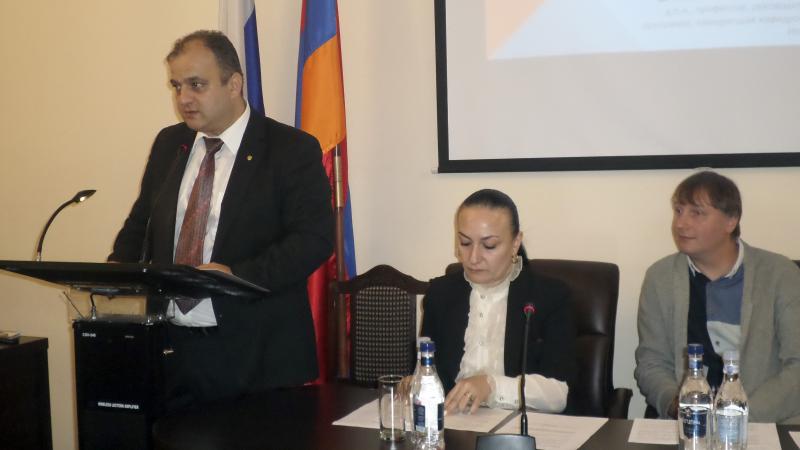
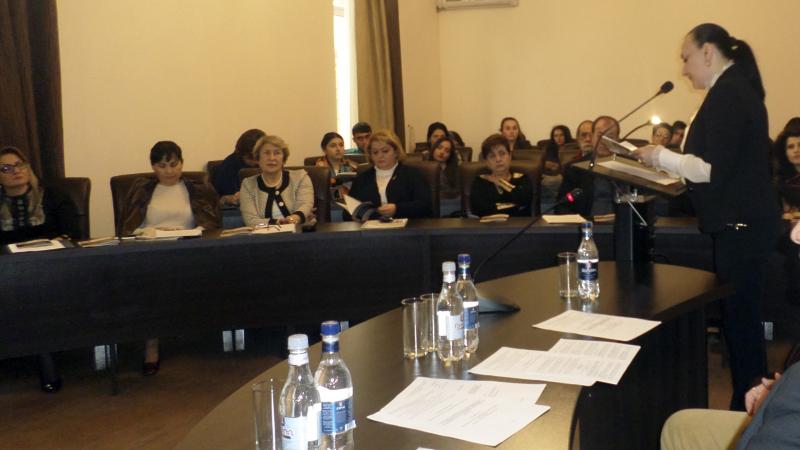
A two-day roundtable dedicated to the 120th anniversary of Lev Vygotsky, a Soviet psychologist, the founder of an original holistic theory of human cultural and biosocial development commonly referred to as cultural-historical psychology, continued at Armenian State Pedagogical University (ASPU).
The roundtable discussion on the topic “Historical and Cultural Methodology in Vygotsky’s works and Psychological and Pedagogical Aspects of Developmental Education” was organized by the Mission of Rossotrudnichestvo Federal Agency in Armenia, the Russian Centre for Science and Culture in Yerevan, Moscow State Pedagogical University (MSPU), Russian-Armenian (Slavonic) University (RAU) and ASPU.
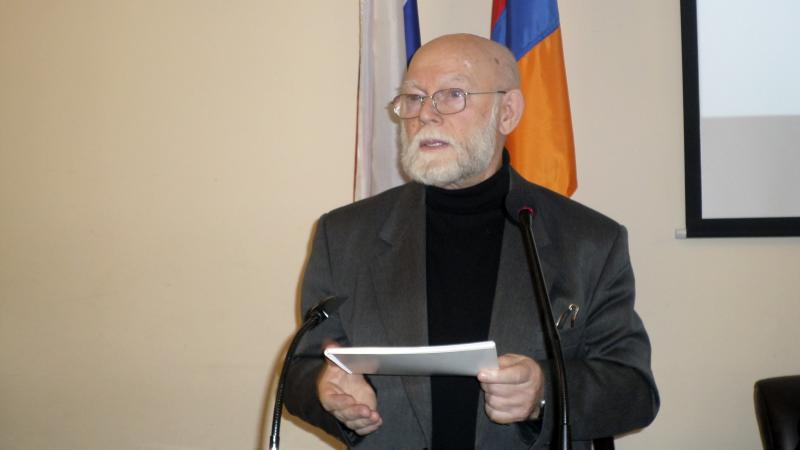
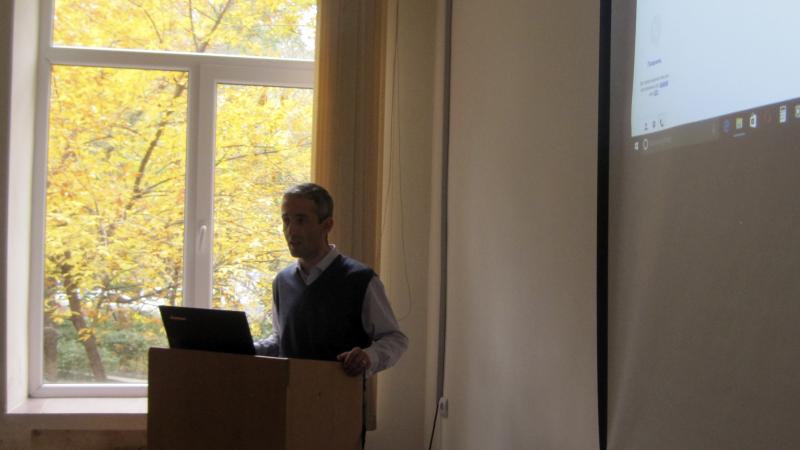
In her opening speech, Srbuhi Gevorgyan, ASPU Vice-Rector for Educational and Scientific Affairs, Doctor of Psychology and Professor, stressed the great contribution of the scientist, assuring everyone that the psychological thought in Armenia has been greatly influenced by Vygotsky’s ideas. She then introduced the Armenian psychologists who have developed and presented [in a new way] the theory, ideas and approaches of the Russian scientist.
“The heritage of the scientist’s psychological and pedagogical ideas and development of his views is very important: they are quite actual and have had a great contribution especially during the analysis of characteristics of emotional state and development of mental structures of children,” the Professor said adding, “Unfortunately, Vygotsky has not been fully studied.”
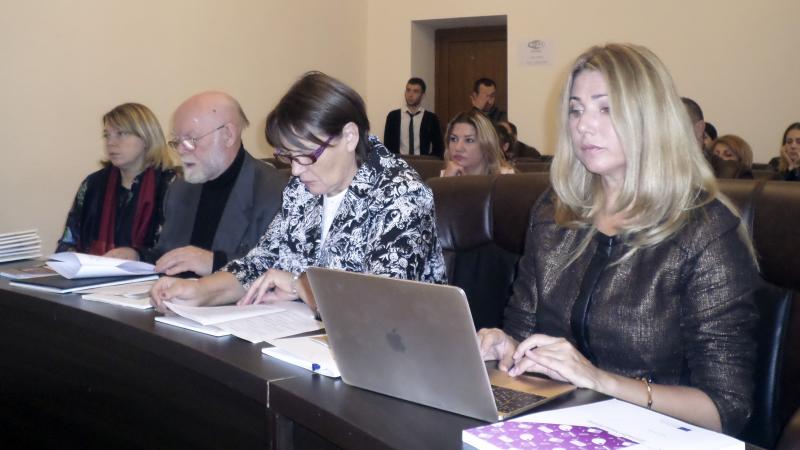
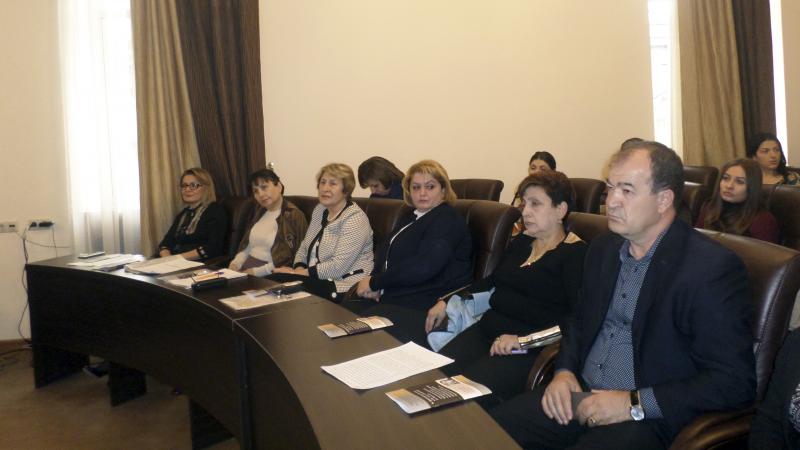
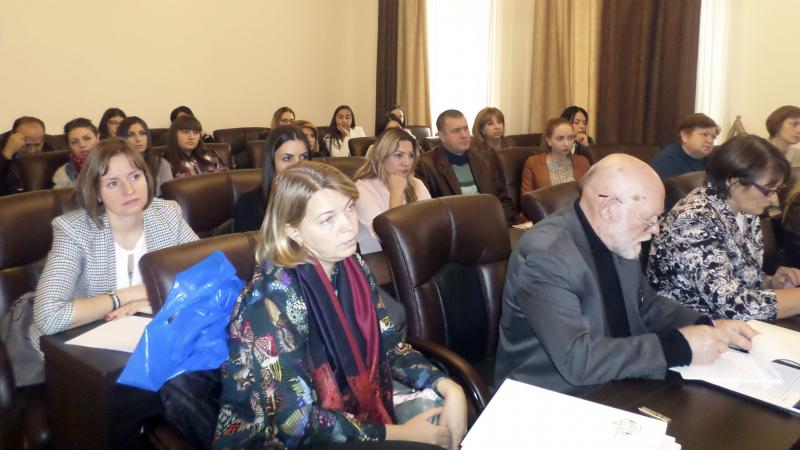
The two-day event was attended by senior education officers, as well as representatives of scientific and educational sectors.
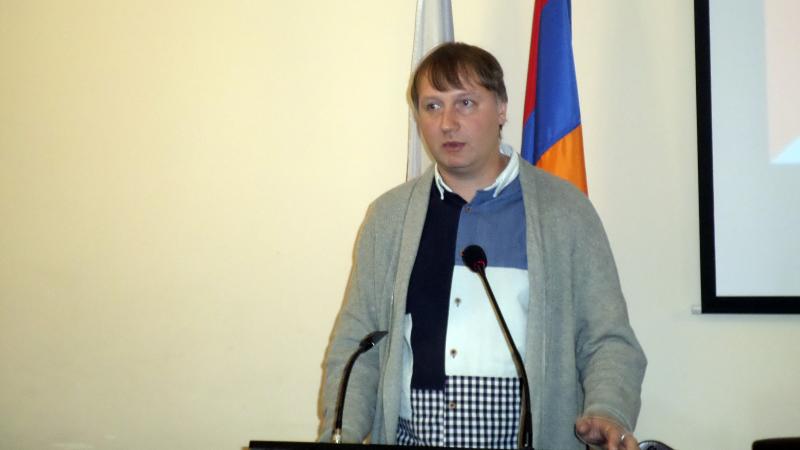
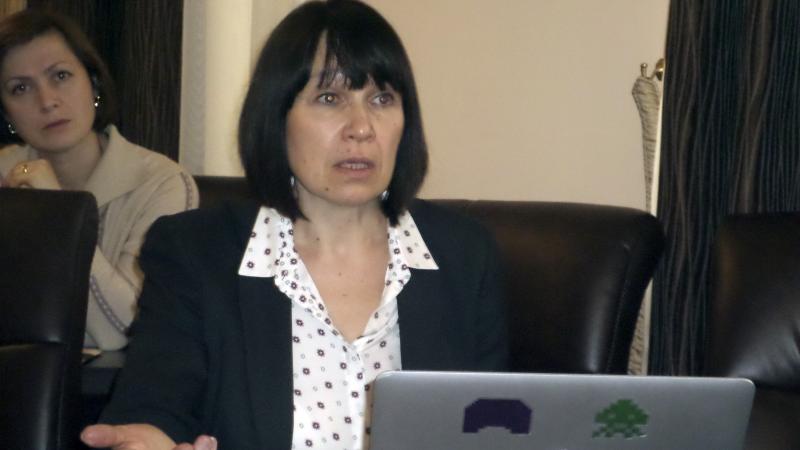
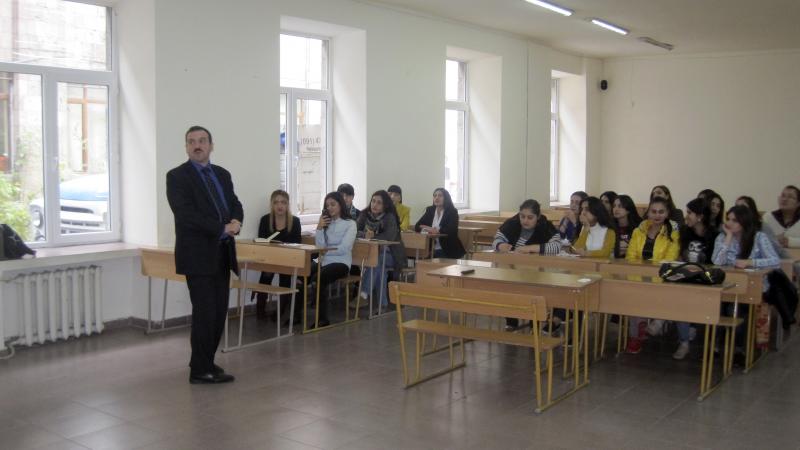
On the second day of the meeting, the reporters referred to Vygotsky’s ideas, the opportunities of implementing them in modern pedagogical practice and creating new programmes. The Russian partners stressed the importance of organizing extracurricular activities, noting that not only school should become a formal space for education, but also education should be spread out of school, using different social centres where a child will feel free as an interoperable subject and fulfil his/her education goals.
The organizers say the main aim of the event was to generalize Vygotsky's scientific experience and methodology, fix his theory in psychological and pedagogical practice, as well as develop cooperation between the two countries.
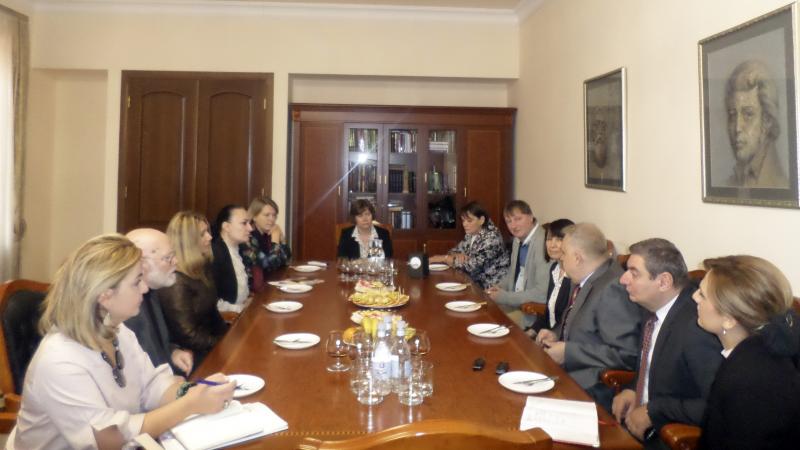
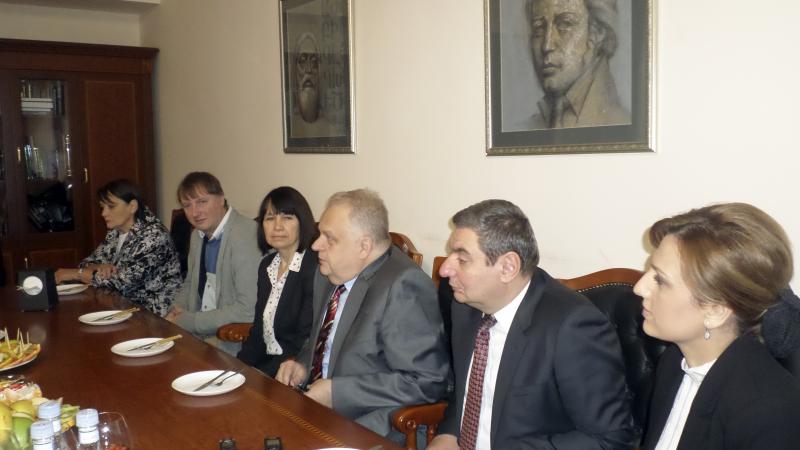
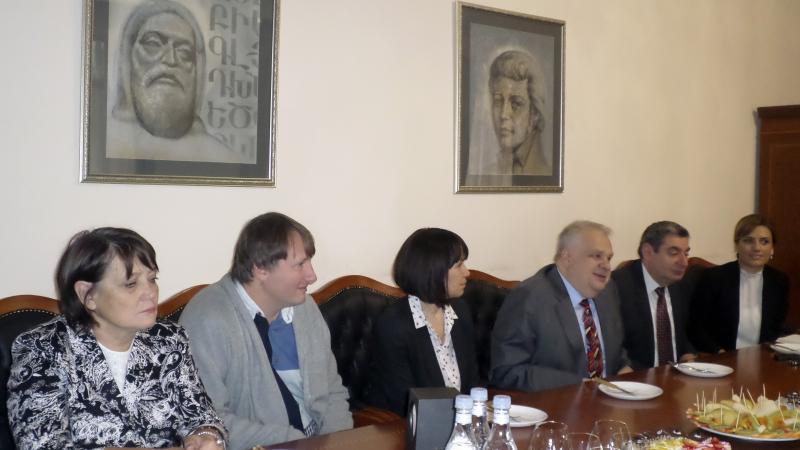
On the sidelines of the visit, delegates of the Moscow State Pedagogical University were also met by ASPU Rector Ruben Mirzakhanyan. Speaking about the 60 specialties offered by the Armenian university in pedagogical, psychological and cultural directions, the rector assured his Russian colleagues that one of their primary goals is to make ASPU a research university and presented the scientific libraries of the University.
Speaking about the University’s achievements of the recent years, the rector emphasized the introduction of Google classroom e-learning platform in the University and changes in the organization of internship.
The guests conveyed the admiration and satisfaction of the Russian participants of Summer School 2016 programme and added that events organized in various formats are aimed at strengthening cooperation between the two universities in question.
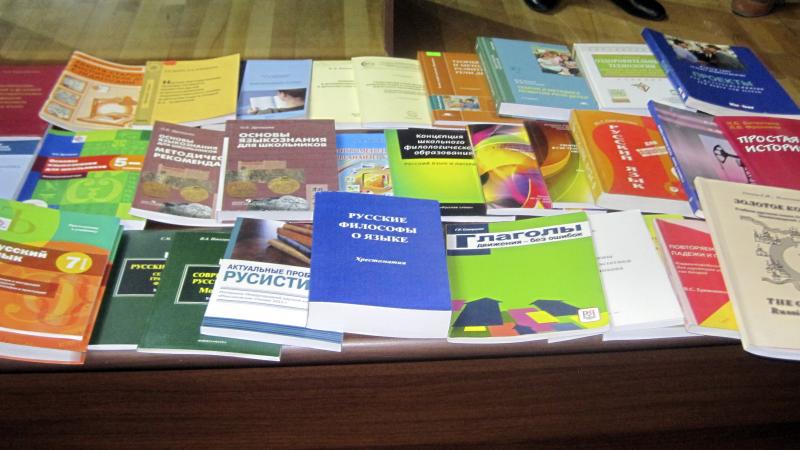
Russian partners’ visit to the ASPU ended with a conference dedicated to the methods of teaching of Russian Language and Literature. The conference was attended by Russian language teachers and pedagogues from preschool institutions and secondary schools.
MSPU lecturers spoke about the state of science in schools, as well as the innovative processes in general and teacher education underway in their university.
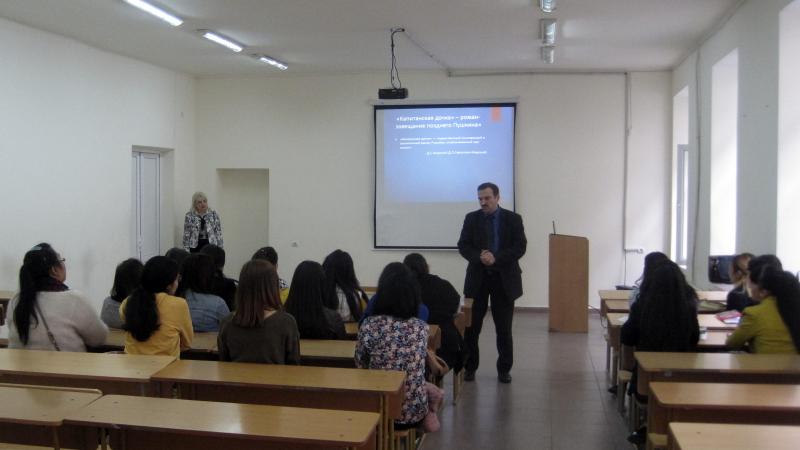
The second day of the conference organized jointly by MSPU, ASPU and Rossotrudnichestvo's Office in Armenia ended with master classes entitled “We Learn Russian Language and Study Russian Culture.”