- Հայ
- Рус
- Eng
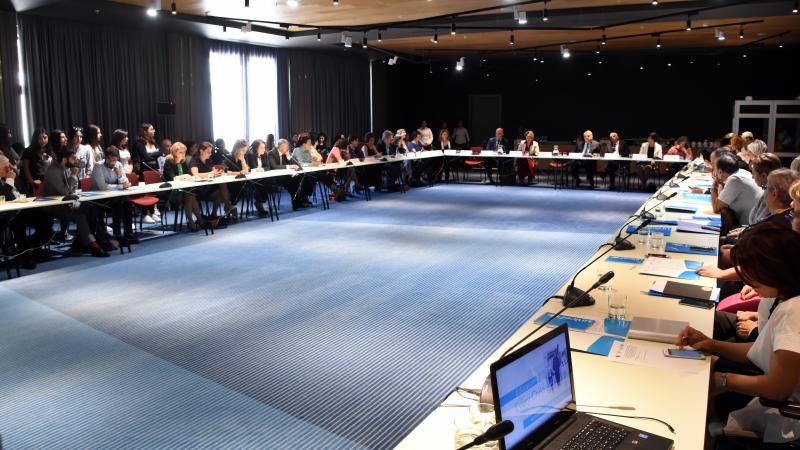
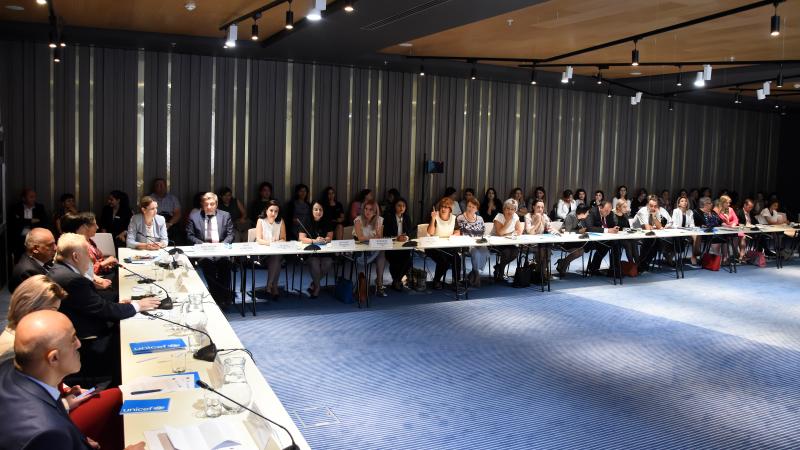
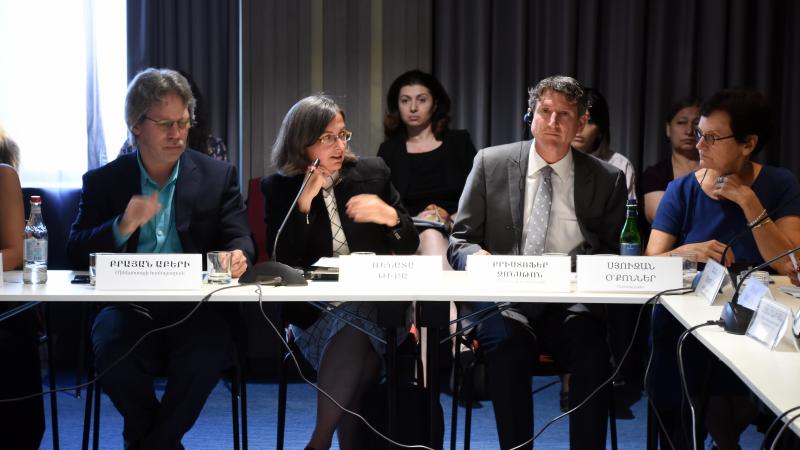
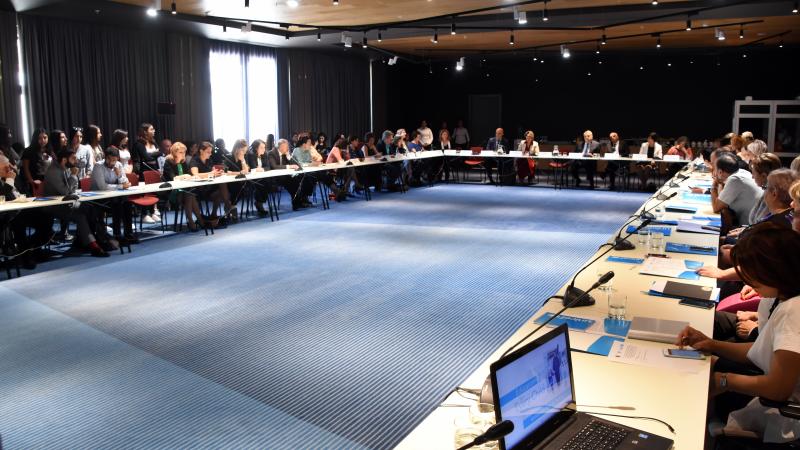
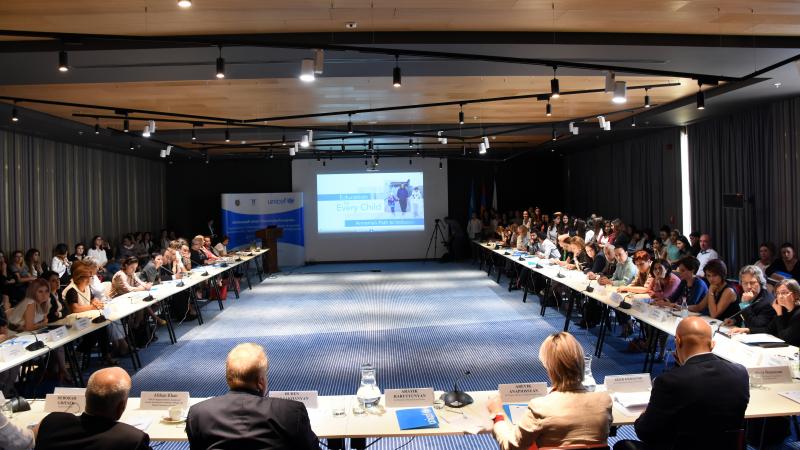
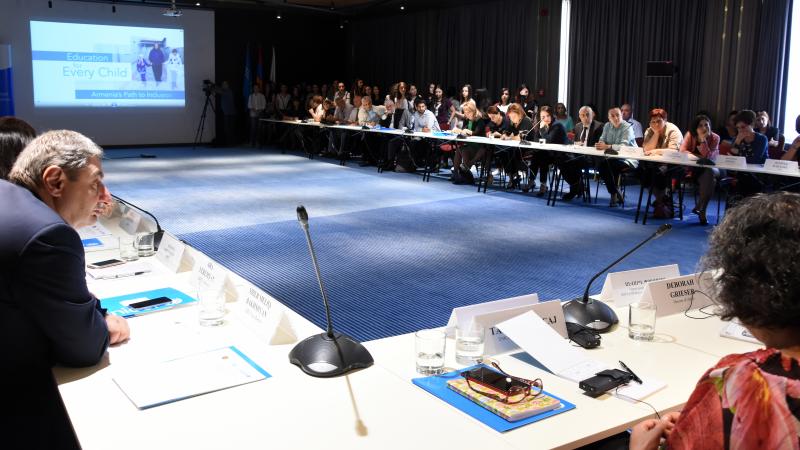
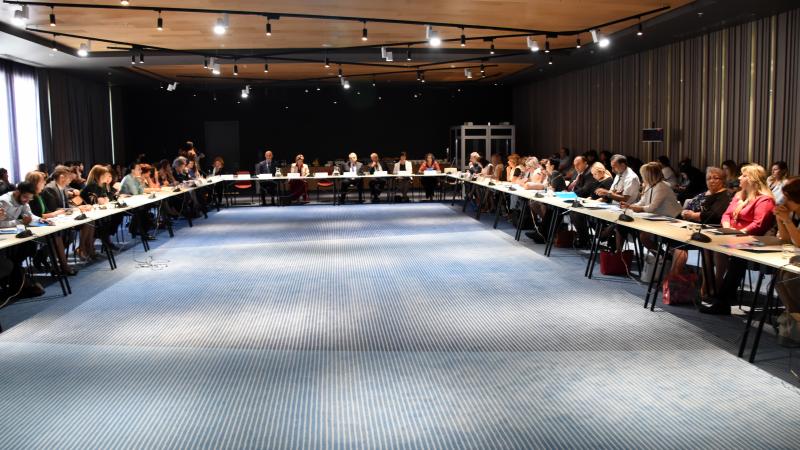
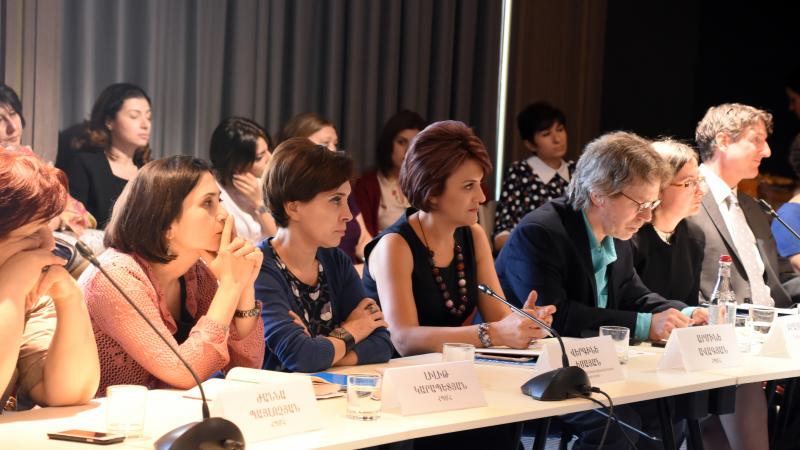
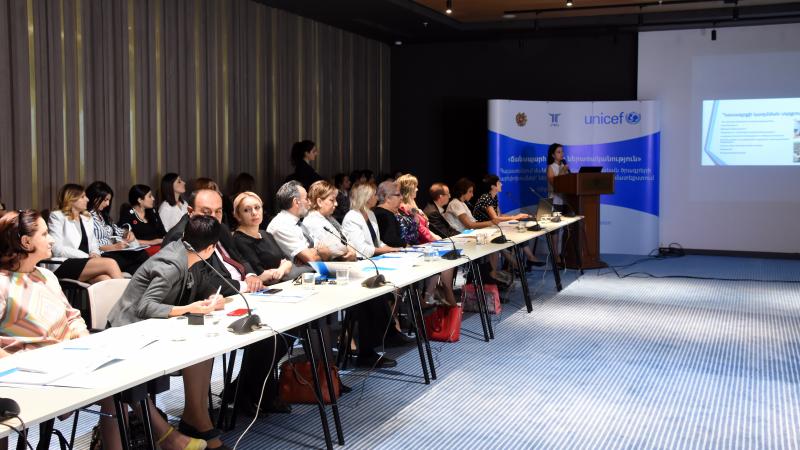
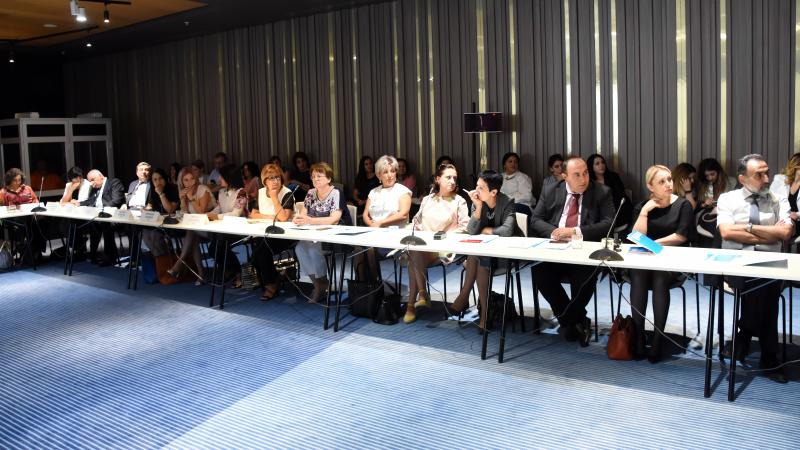
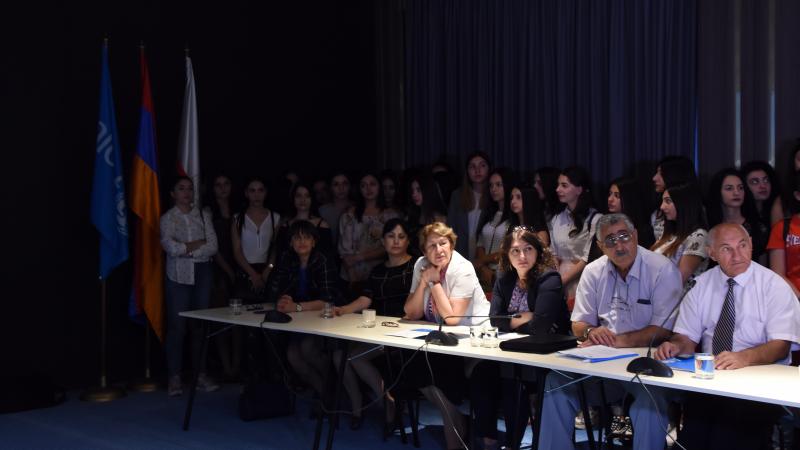
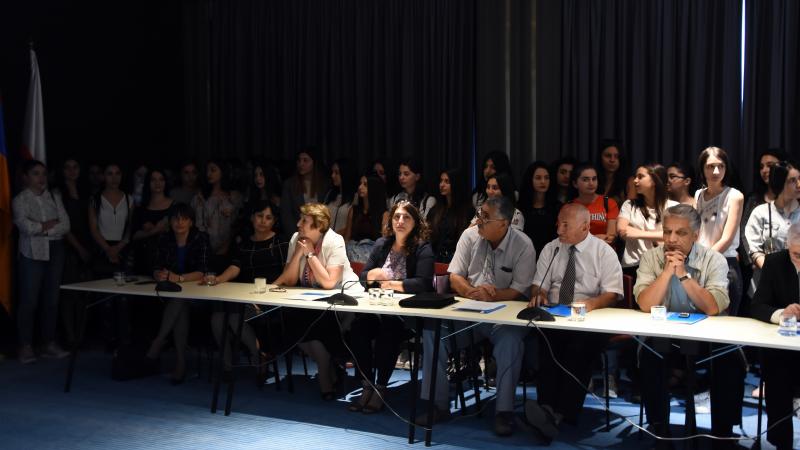
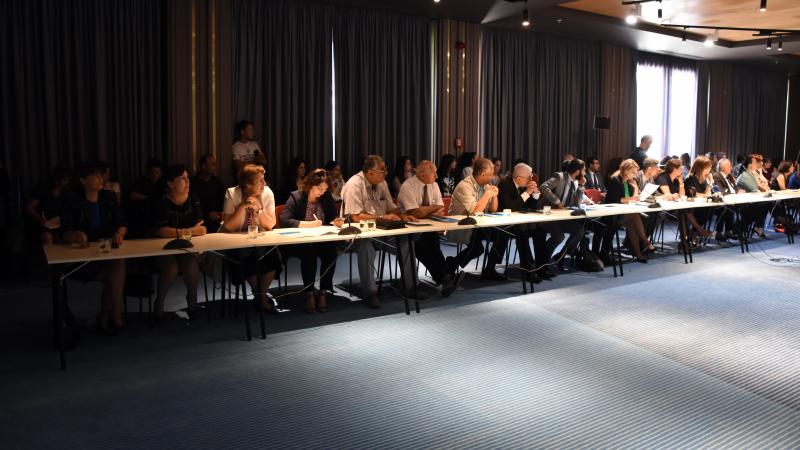
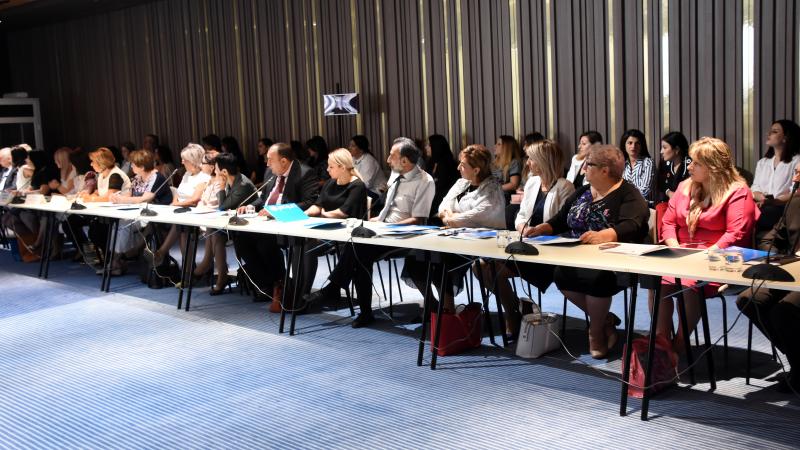
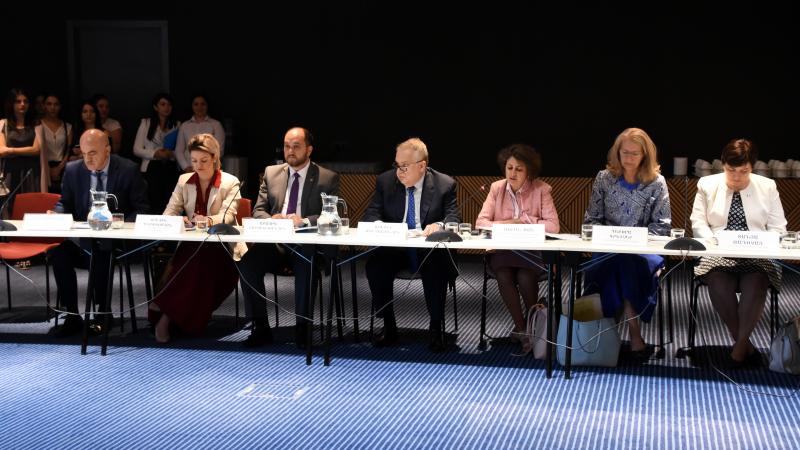
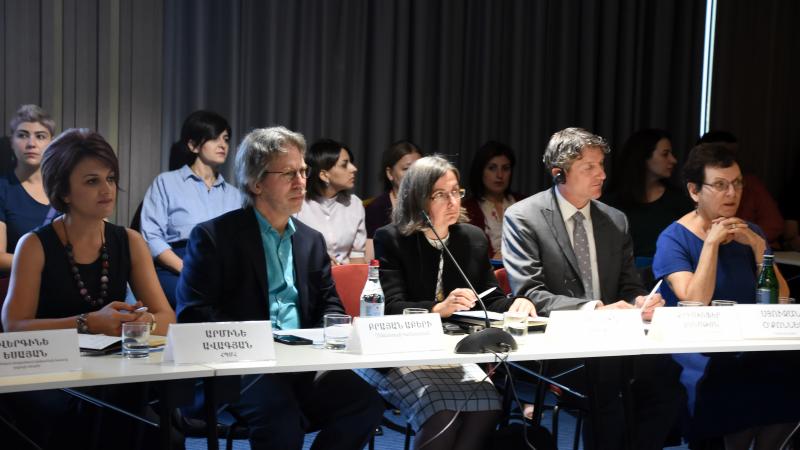
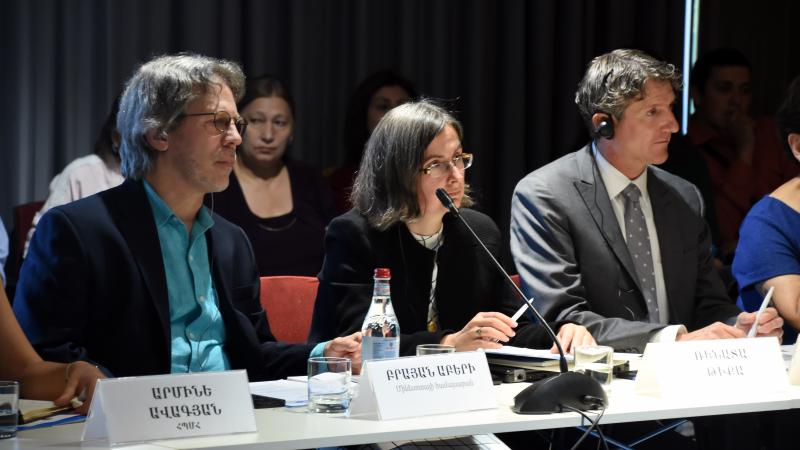
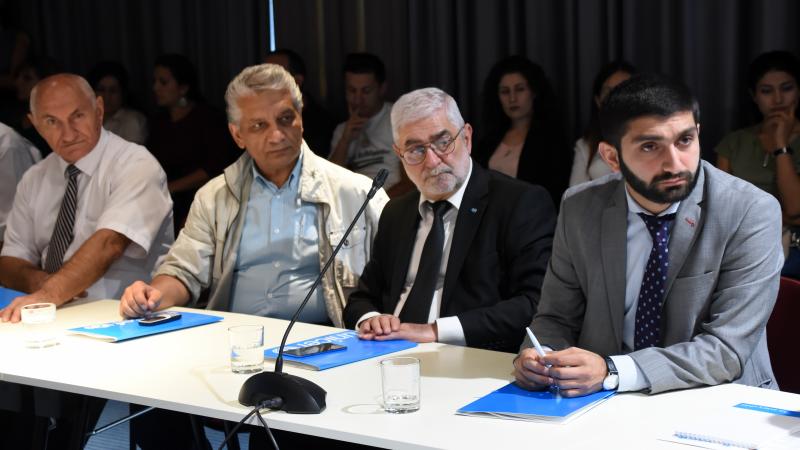
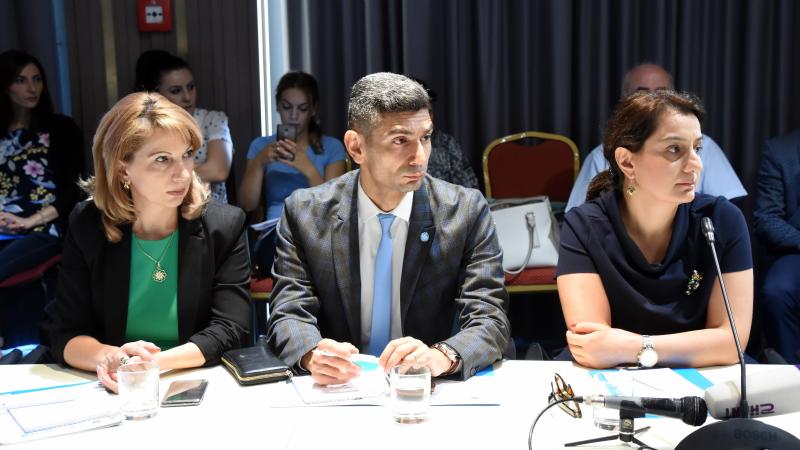
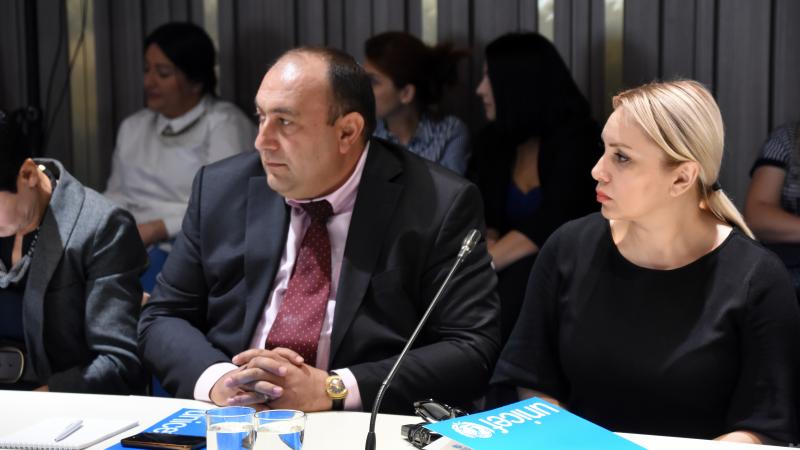
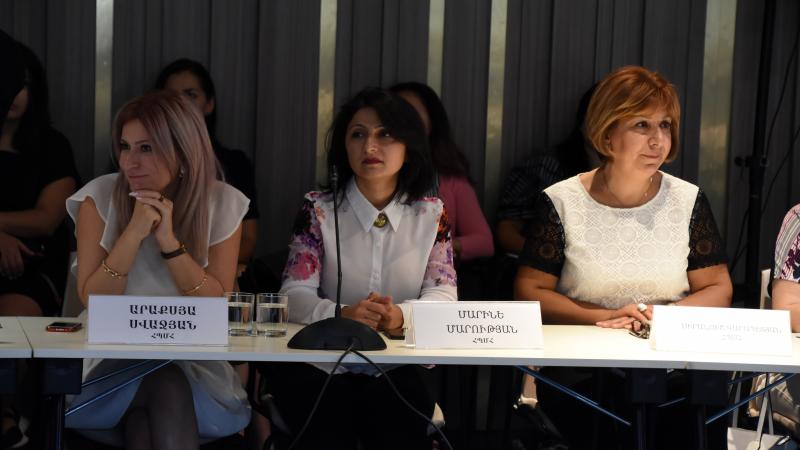
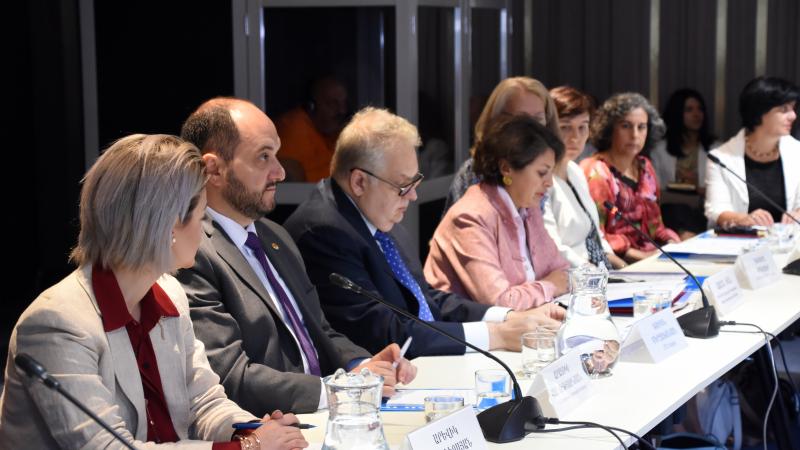
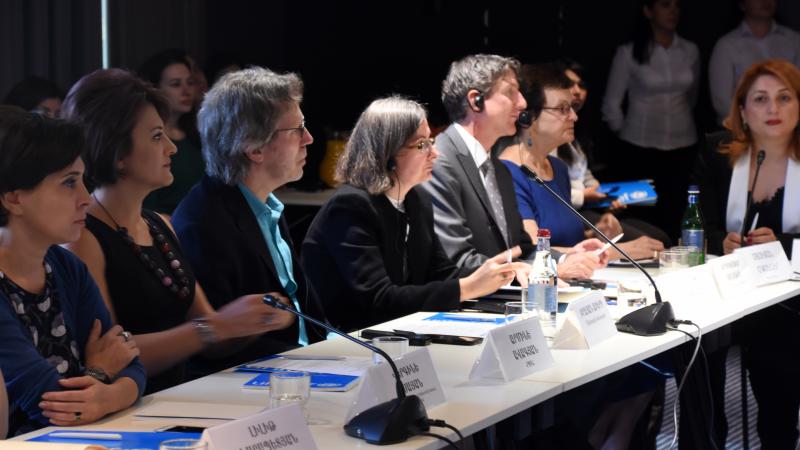
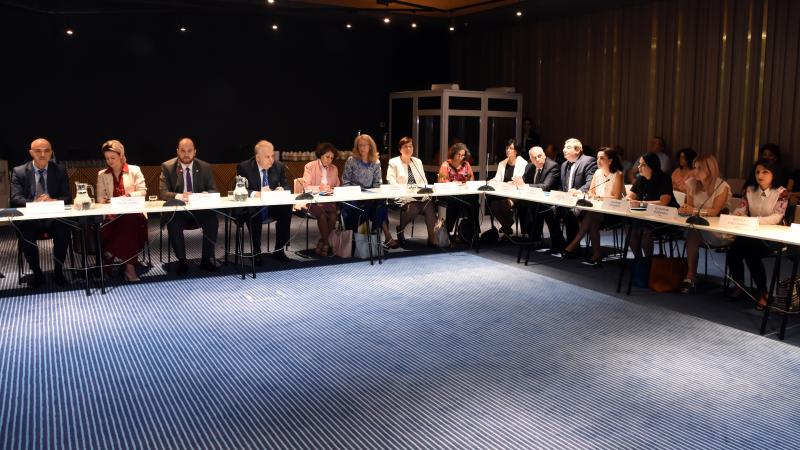
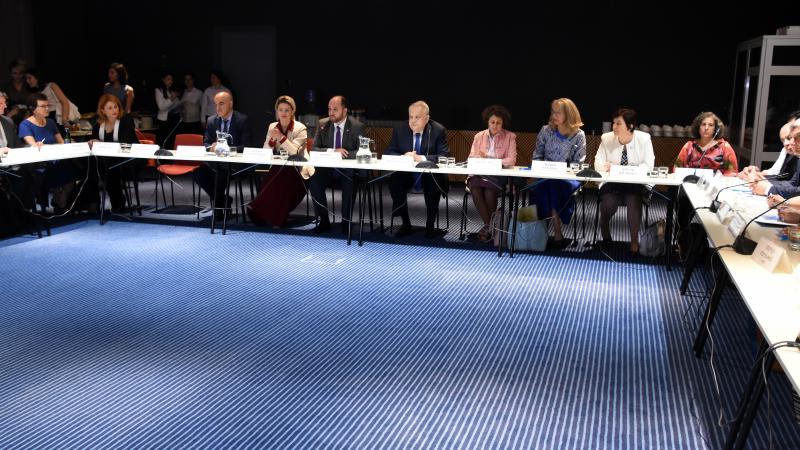
An international conference "Road to Inclusion" was held on September 28. The conference focused on educational reforms in pedagogical universities in the context of inclusive education and the results of collaboration between Armenian State Pedagogical University and the University of Minnesota.
ASPU Rector Ruben Mirzakhanyan welcomed the participants of the international conference and presented the results of two-year cooperation between ASPU and the University of Minnesota in the field of special education. The rector highlighted the importance of the corresponding coursebook which is the first ever one of its kind in inclusive education, therole of the four webinars and revised curricula.
“Great is the role of webinars in terms of promoting inclusive education. The revised Bachelor’s and Master’s degree programmes meet all modern requirements,” the rector said accounting the successful cooperation for the effective work of the working groups.
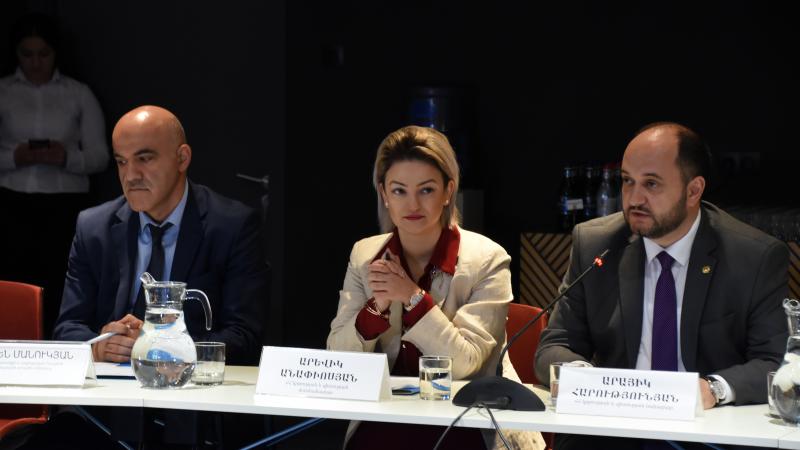
Arayik Harutyunyan, Minister of Education and Science stressed that ensuring inclusive education is one of the priorities of the Ministry. He added that during his tenure of office, he has had numerous meetings with representatives of international and local organizations to discuss the issue.
“This is a very important summary and achievement when a training manual on inclusive education is compiled by specialists who have extensive experience in the field. Four marzes in Armenia have switched to universal inclusive education. I am hopeful that schools in Yerevan will soon follow suit, thus facilitating further work,” the minister said. He expressed hope that effective cooperation between the two universities and international organizations will continue in the future.
In his speech, Arsen Manukyan, Deputy Minister of Labour and Social Affairs, said when speaking about children’s rights first of all it is important to focus on children’s right to education. Children with special educational needs (SEN) are the most vulnerable in this context. The deputy minister attached great importance to the qualifications and knowledge of educators. He stressed that exchange of knowledge and experience with international partners is highly effective and fruitful.
Afshan Khan, UNICEF Regional Director for Europe and Central Asia (ECA) and Special Coordinator for the Refugee and Migrant Crisis in Europe, hailed Armenia’s efforts towards universal extensive inclusive education. At the same time, she stressed that during her visit to a number of schools she observed some problems; particularly some of them lack the necessary facilities. She said that children with disabilities are placed in orphanages in Armenia and stressed that the country should carry out reforms that will allow including these children with disabilities in inclusive education.
Marianna Harutyunyan, Head of the International Cooperation Unit at ASPU who also coordinates the cooperation programme with the University of Minnesota, presented the ASPU Faculty of Special Education. In particular, she spoke about the establishment of the Faculty, its international cooperation, development of curricula, review and development of professional educational courses and subjects.
With regard to the cooperation between ASPU and the University of Minnesota, Marianna Harutyunyan said the cooperation programme aims to convey international administrative experience to ASPU teaching staff, review current curricula on inclusive pedagogy and improve coursework and learning materials for future teachers, as well as share theoretical and practical experience in inclusive education.
“Establishment a research center to deal with problems of inclusive society, implementation of scientific research, development of practical methodological guidelines and Armenian-language terminology: this is the result of cooperation which will allow expanding cooperation and recording new achievements in the future,” she said. Marianna Harutyunyan also stressed the importance of a bilingual coursebook which, she said, presents successful experience of Armenian-American cooperation and also serves as a dictionary.
Renáta Tichá, Director of the Global Resource Center for Inclusive Education at the UM Institute on Community Integration, focused on the learning materials developed during the two-year cooperation between the two universities, particularly a new coursebook, learning modules, webinars and case studies, documentaries, review and updating of the existing courses.
"Inclusive education differs from special education, and education officials should work with teachers,” said the representatives of the University of Minnesota. Once again they thanked their Armenian colleagues for effective cooperation and expressed hope that in the future they would have a chance to cooperate with lecturers of the Faculty of Primary Education as well.
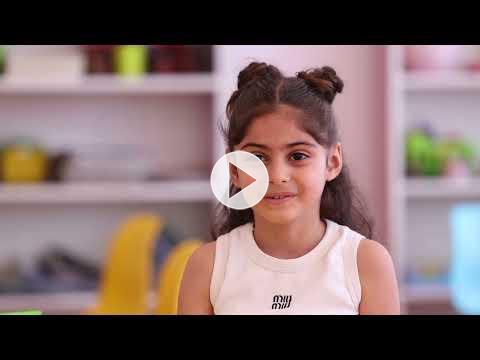
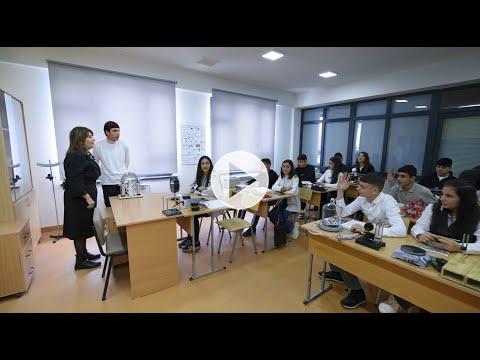
The speeches were followed by a question and answer session after which the participants watched a documentary - “Road to Inclusion”.