- Հայ
- Рус
- Eng
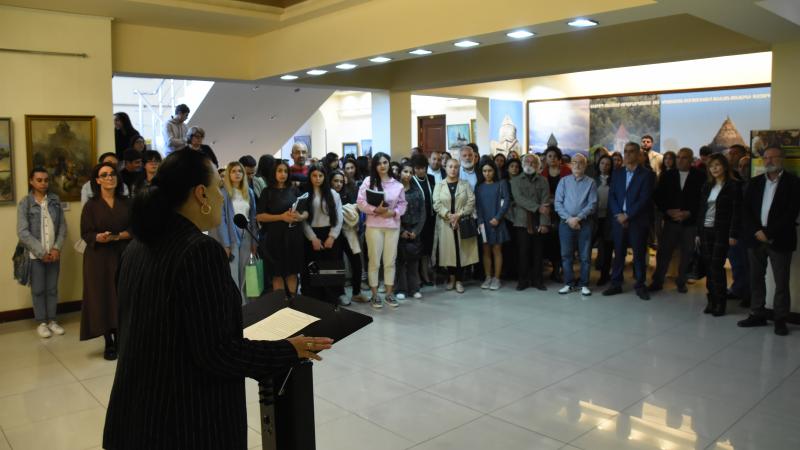
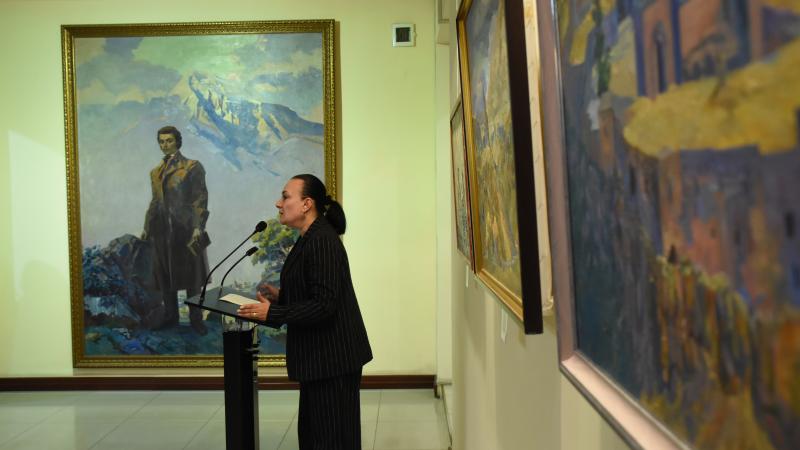
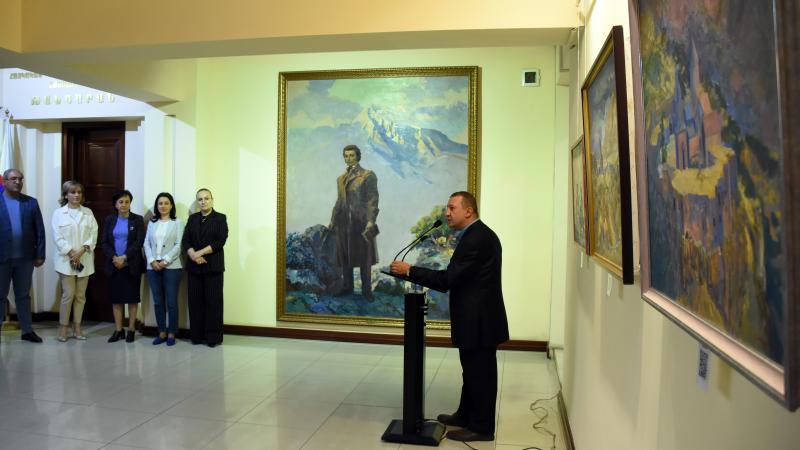
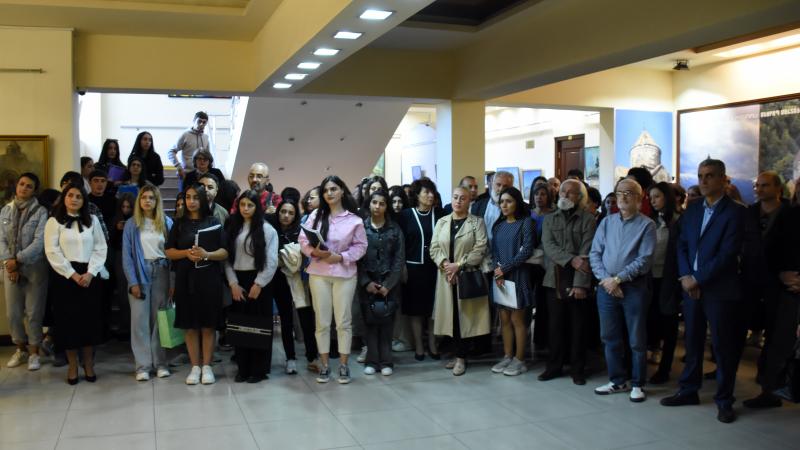
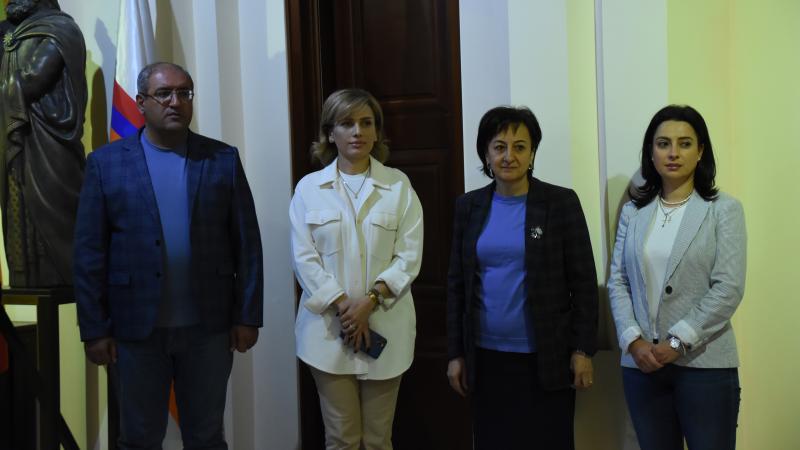
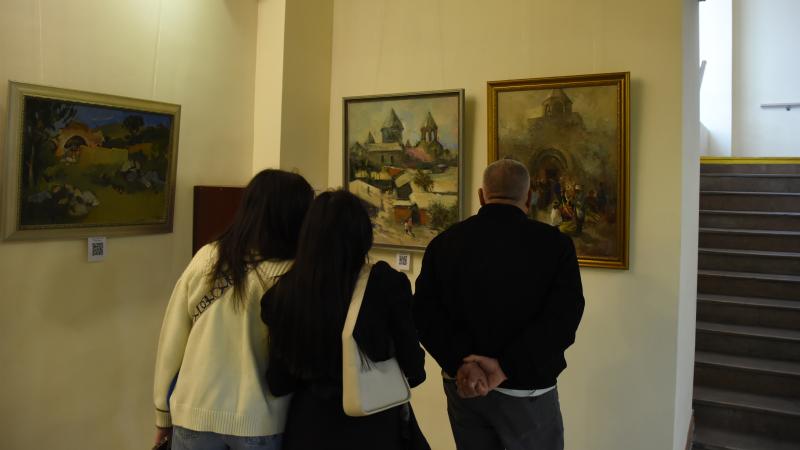
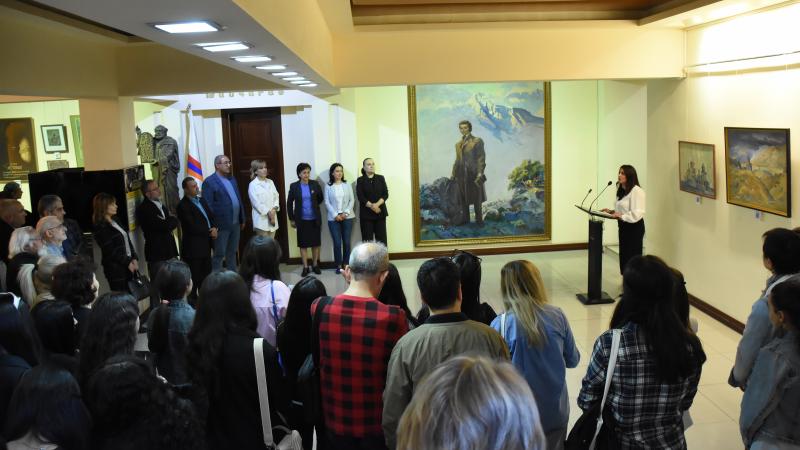
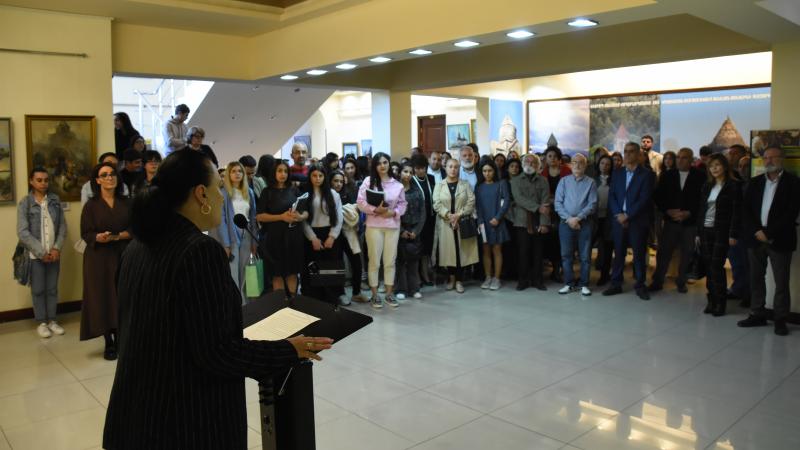
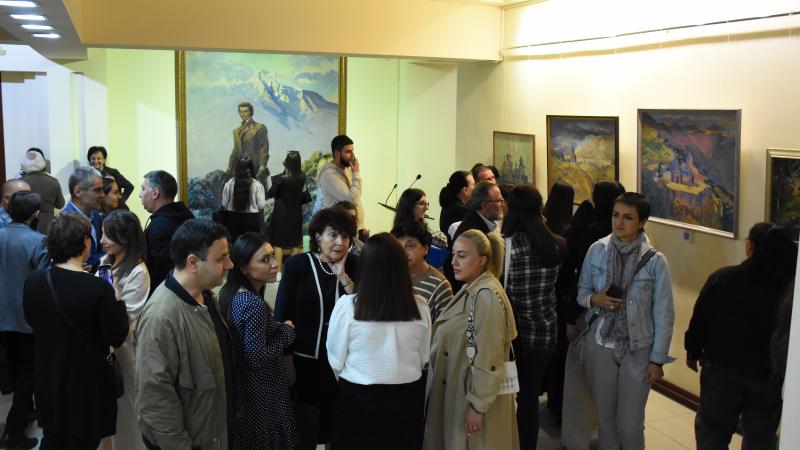
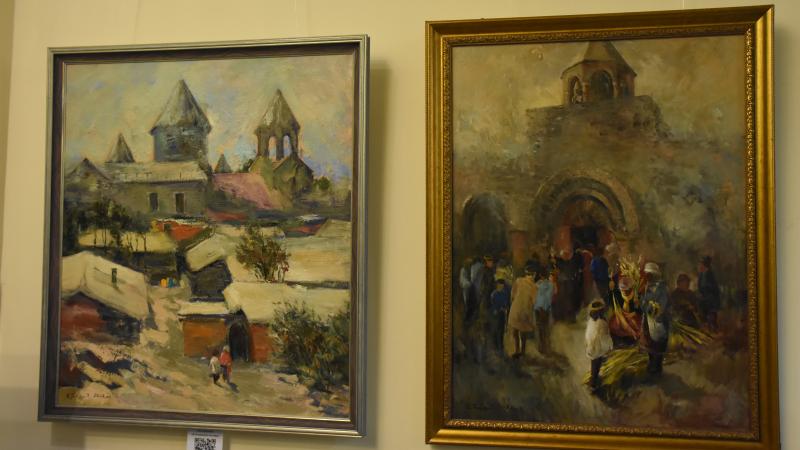
An exhibition titled “ Spiritual Monuments of Armenia” opened at ASPU on October 23. It features 20 works of 11 artist pedagogues of the Faculty of Art Education.
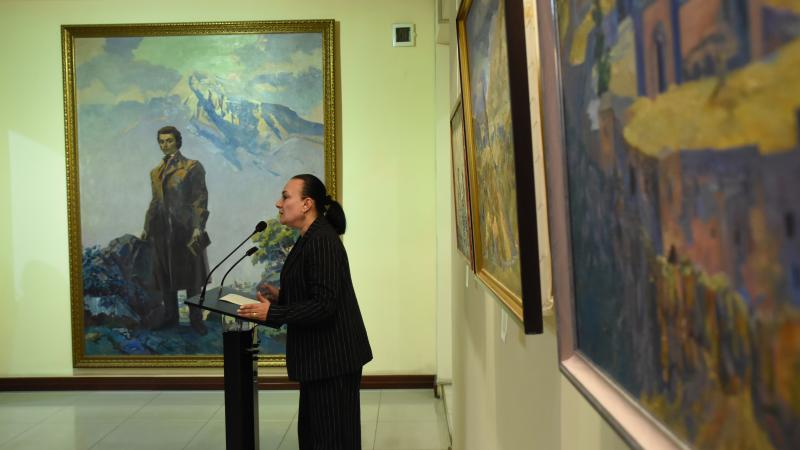
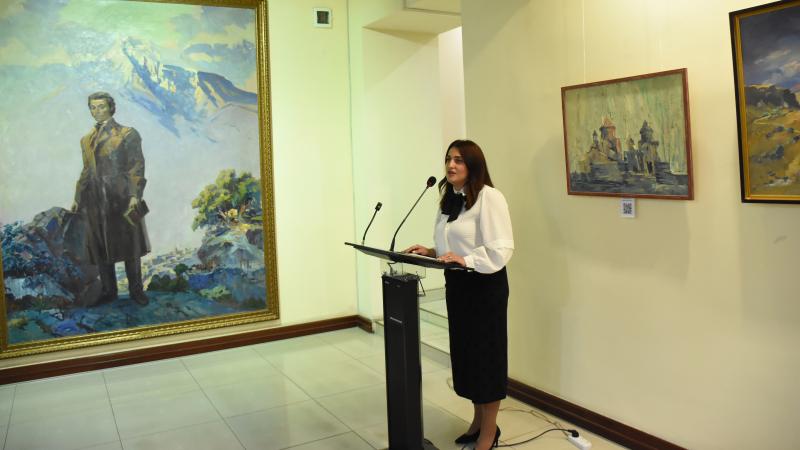
In her opening remarks, ASPU Rector Srbuhi Gevorgyan said that such cultural initiatives are an opportunity to get acquainted with the achievements of the university, as well as to discover a valuable and educational history and content thanks to the creative abilities of the teaching staff.
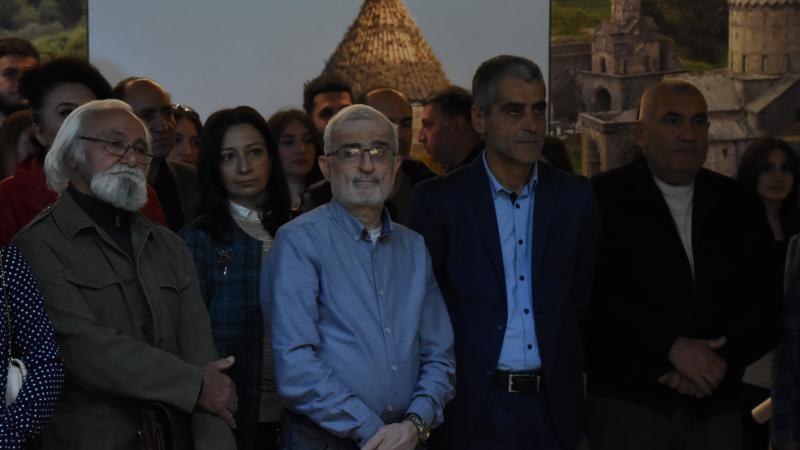
She said it is no accident that the University foyer is decorated with posters representing Armenian monasteries, which, she stressed, are an important component of not only spiritual values, but also that of education.
Professor Gevorgyan reminded that monasteries were important centers of education and culture back in the Middle Ages and they still maintain their relevance and importance with their value, questions they raise and their contributions to the scientific field. “Armenians have overcome various crises with the help of spiritual heritage, including monastery complexes, which, as values, formed the corresponding abilities, fed each of us with colour palette characteristic of us. I am sure that today too we will have new beliefs, qualities and revaluations thanks to the spiritual heritage – education," she said.
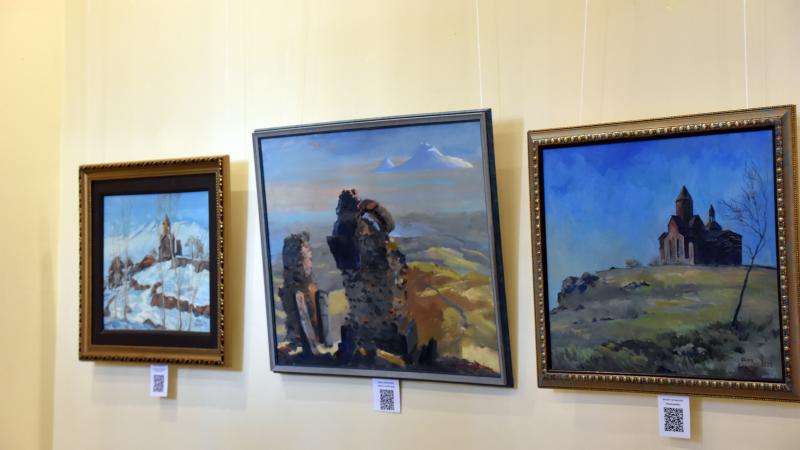
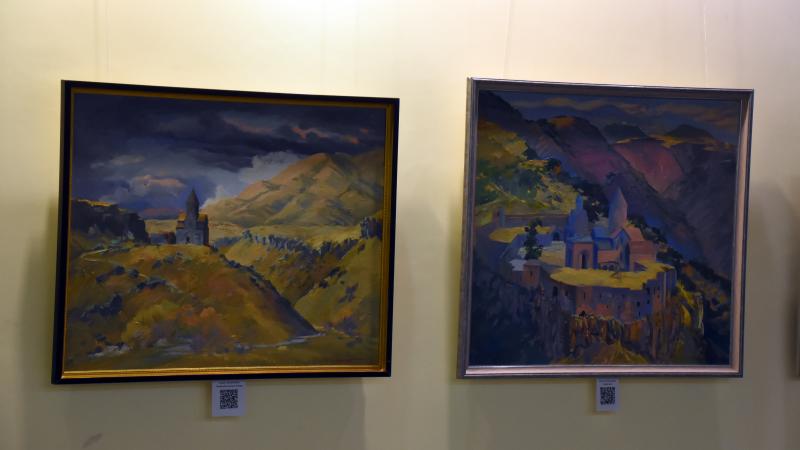
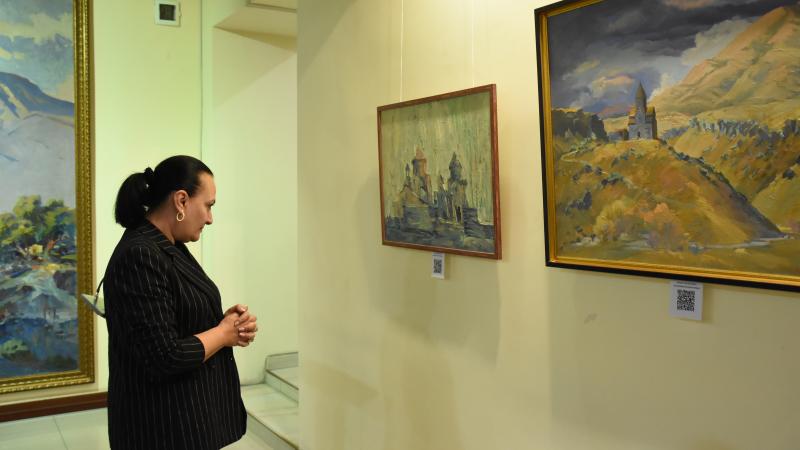
Surb Astsvatsatsin (Holy Mother of God), Hayravank monastery complex, Saghmosavank, St Stepanos Church of Gladzor, Surp Astvatsatsin or Yot Verk (Seven Wounds), Tatev Monastery and many others… Each of these churches presented at the exhibition was distinguished by its colours and the idea behind the work.
By the way, the exhibition had innovation: with the help of the QR code attached to each work, it is possible to get acquainted with the history of the given spiritual monument, its architecture, the role it played in the given period.
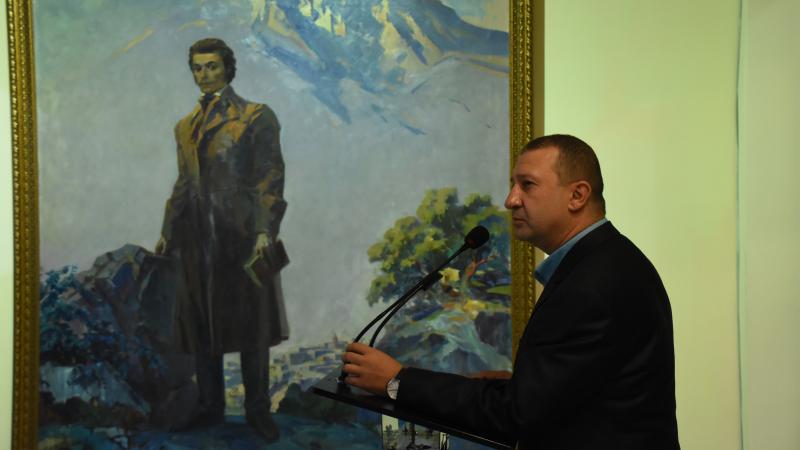
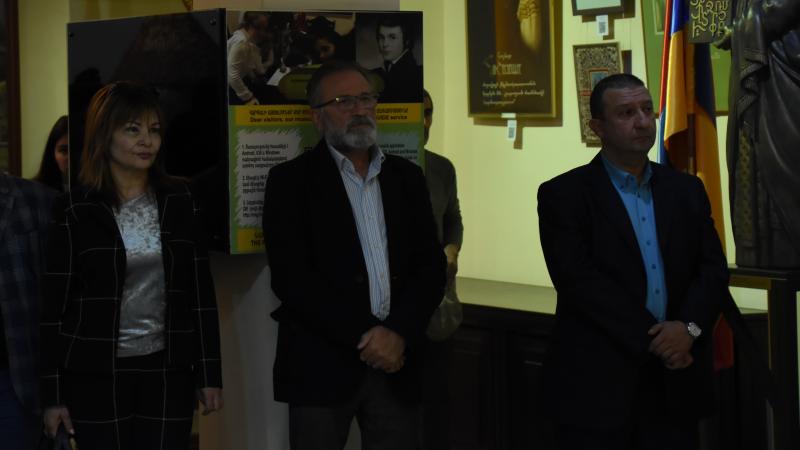
Ara Hakobyan, Dean of the Faculty of Art Education, said there are topics that artists show a cautious approach and spiritual topics are among them.
Professor Hakobyan added that the world-renowned works depicting unique medieval architectural monuments are full of love and original solutions; that is a joint opinion of visitors and the specialist. "The spiritual is love, and love is everywhere, particularly in art. The 20 exhibited works manifest love."
Suzanna Grigoryan, the newly appointed Head of the Chair of Art History, Theory and Cultural Studies, said the organization of the exhibition was not accidental. In a few days later, the Armenian Apostolic Church will be celebrating the Feast of the Holy Translators, confirming once again that as in the Middle Ages atoday too the Church has a great educational role in the life of society.
She said in today’s dire situation, it is important to realize that spirituality, culture and education are the important bases for preserving the national identity.