- Հայ
- Рус
- Eng
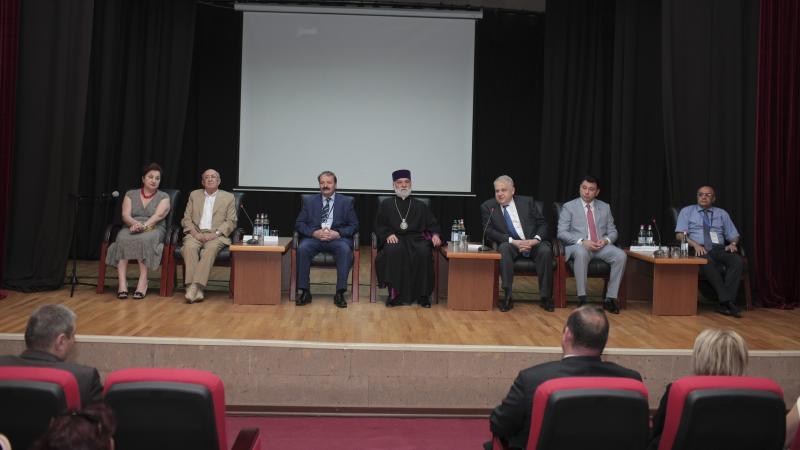
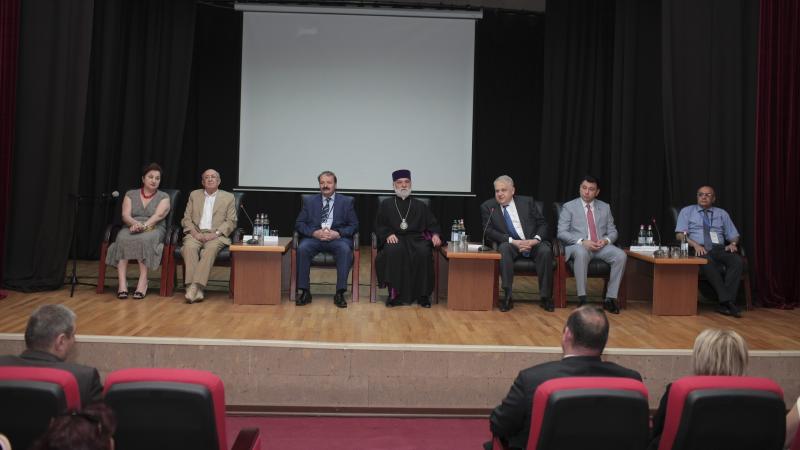
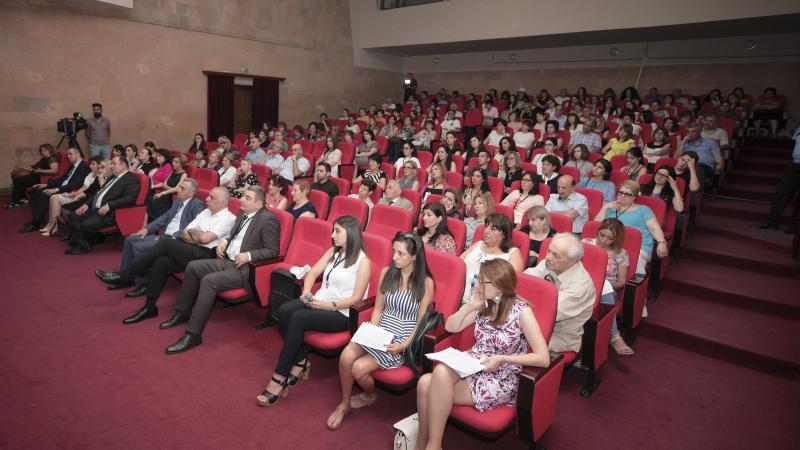
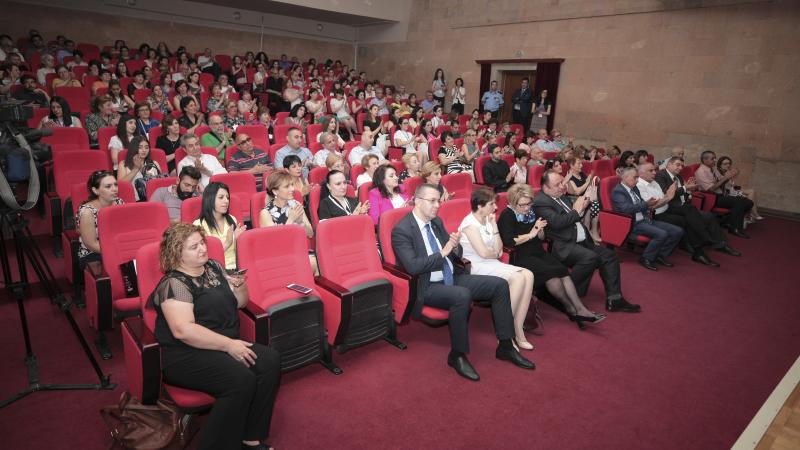
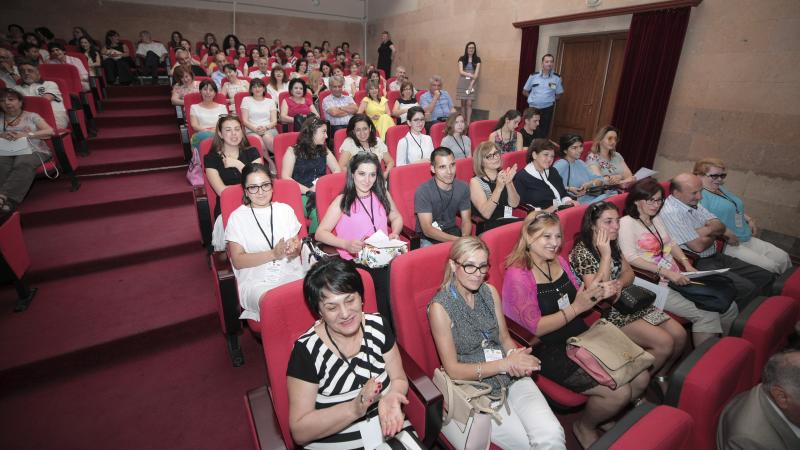
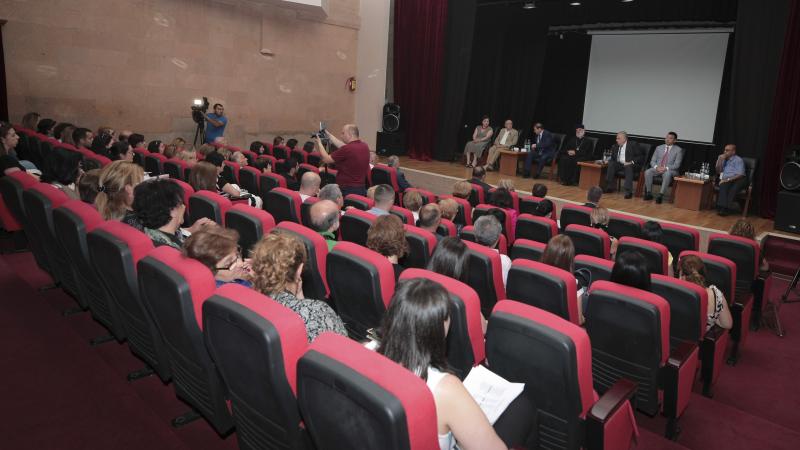
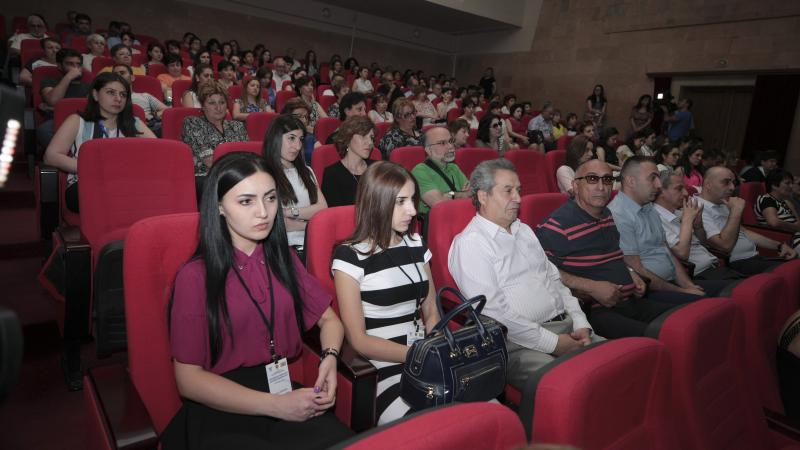
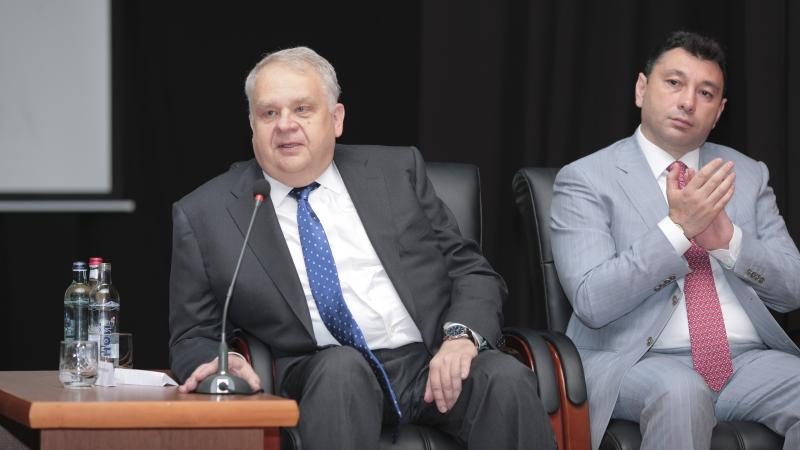
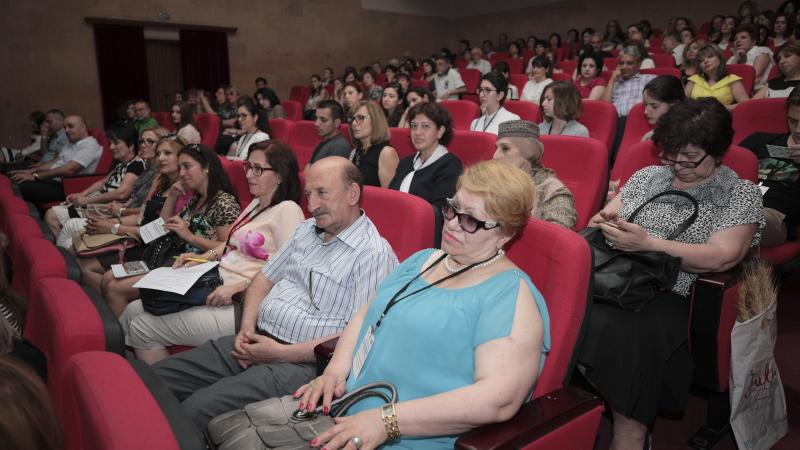
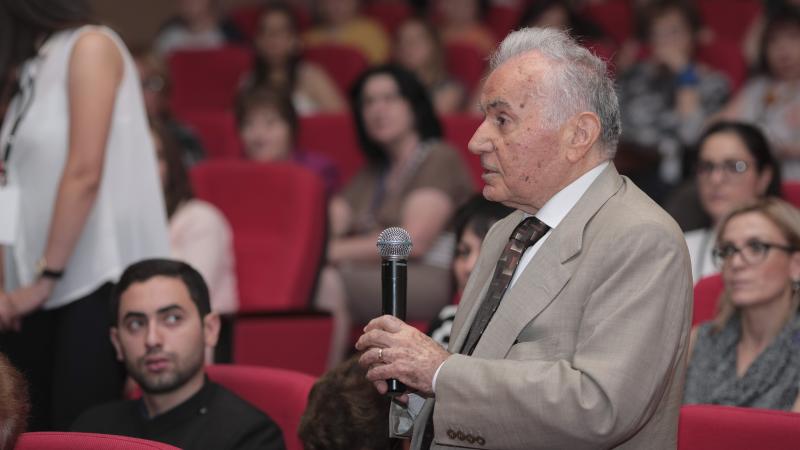
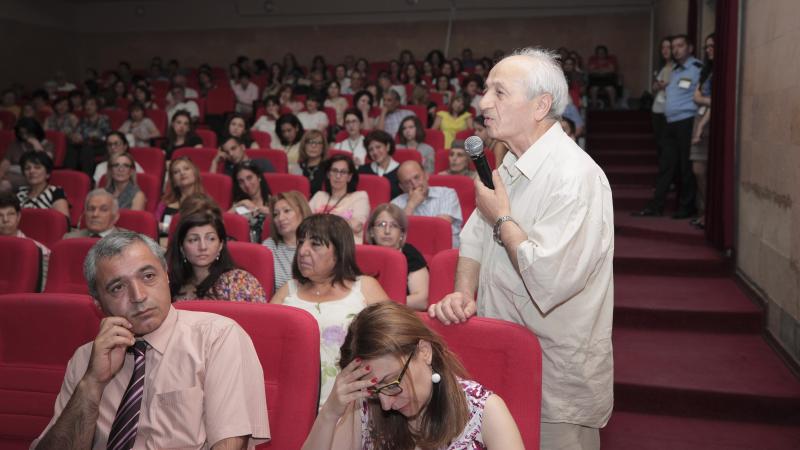
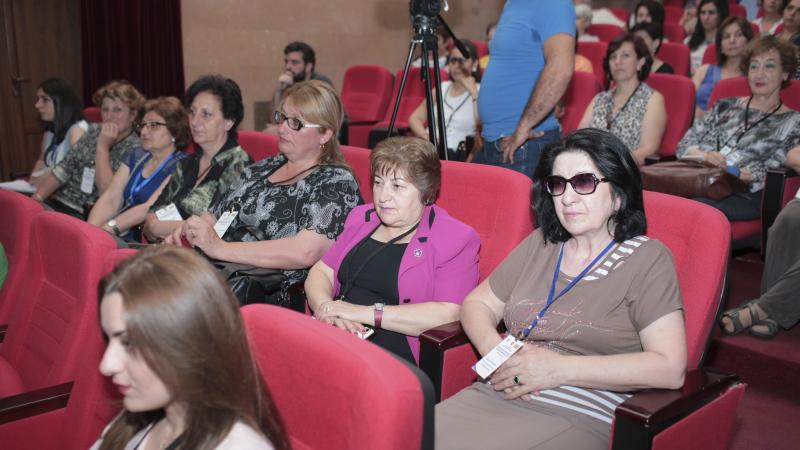
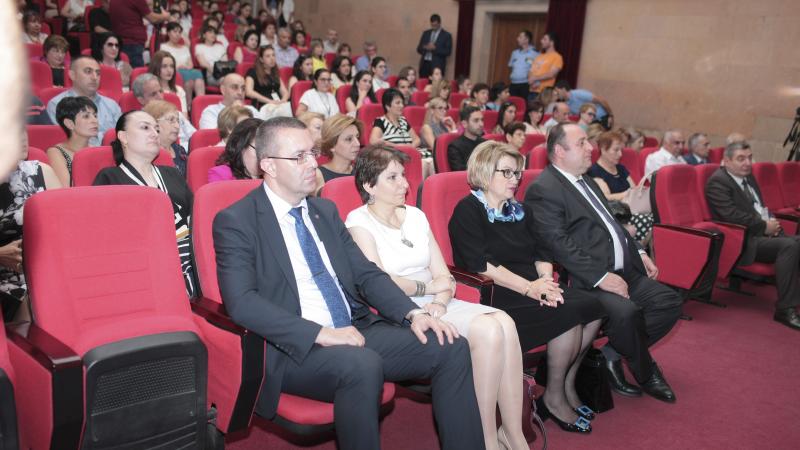
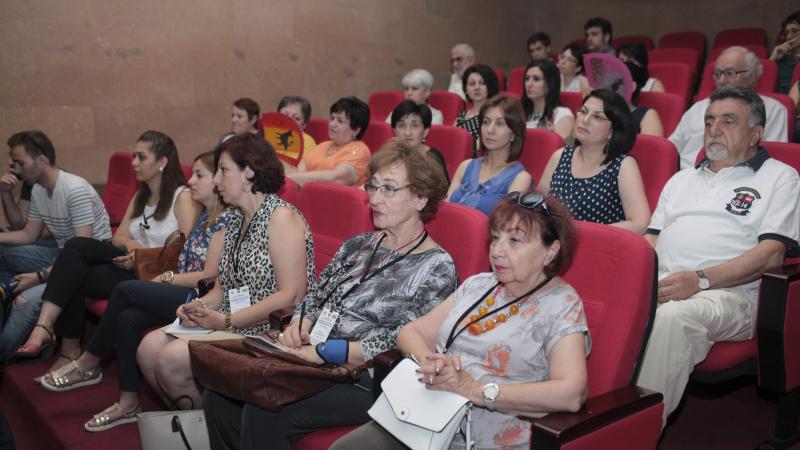
A one-month training course for Diaspora Armenian teachers started at Armenian State Pedagogical University (ASPU) on July 3. Sixty-two teachers from 17 countries are participating in the training.
The course will be organized in six directions –for kindergartens, specialists in elementary education, schools, teachers of Armenian Language and Literature, organizers of additional education, as well as for students studying Armenian at foreign universities.
ASPU Rector Ruben Mirzakhanyan stressed the importance of the training course organized by the Armenian Ministry of Education and Science for the 18th time. He assured everyone that the University would do everything to ensure high quality of the training course and contribute to the implementation of the important mission of Diaspora Armenian teachers in different countries of the world.
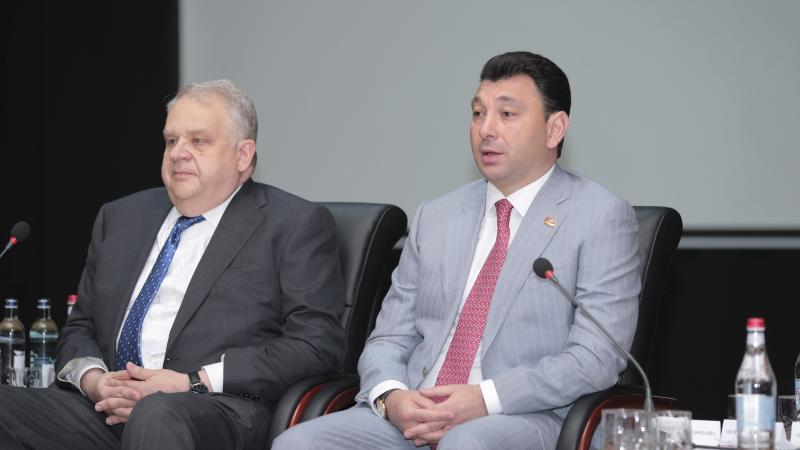
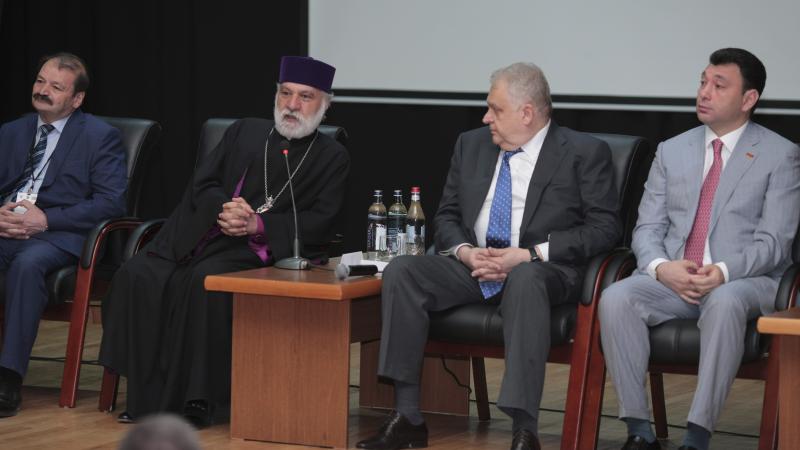
“In the absence of statehood, schools and churches were temples of education and patriotism. In today’s independent Armenia, many live outside their homeland: when the connection between Armenian communities and homeland becomes more important, it must be strengthened through the language and history,” said Eduard Sharmazanov, Vice-Speaker of the Armenian National Assembly (Parliament). He conveyed to the Diaspora teachers the gratitude of the legislative body, adding that thanks to them the new generation living in various angles of the world must know and think in Armenian to preserve their Armenian identity.
He says preservation of Armenian identity is one of the most important issues and the state must keep Armenian communities, churches and schools around the world in the centre of attention. He urges everyone to be initiators and claimants, pose questions which require a joint solution. “At present, our problem is not only to introduce Armenian Language, Literature and History to Armenian children in the Diaspora, but also to draw the attention of Armenians to Artsakh and reach a pro-Armenian solution to the conflict. Armenian schools in the Diaspora play a major role in this context,” he continued.
Manuk Mkrtchyan, Deputy Minister of Education and Science, believes that in the homeland [Armenia], we do not understand the problems of Armenian schools in the Diaspora but we should understand them because they are of great importance for everyone. “In addition to providing a new level of training, the course also has another important objective. Participants have an important mission to bring with them the educational experience of the given country for us to know the innovations and reforms in the sphere, as well as the problems and challenges they are working on,” he said.
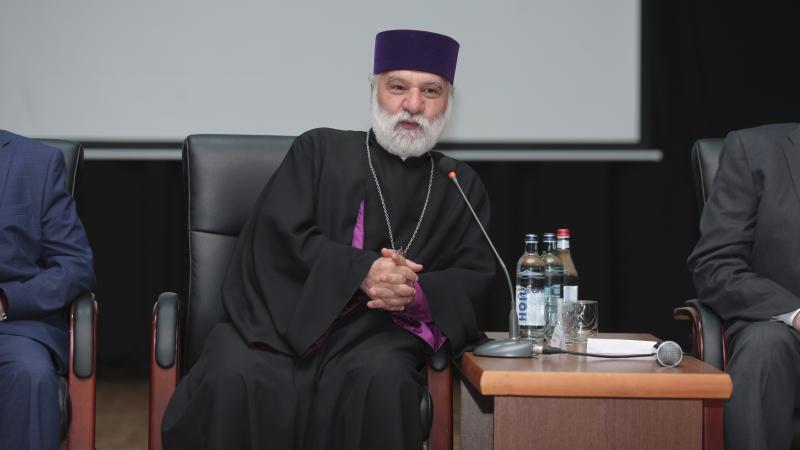
H.E. Archbishop Natan Hovhannisyan believes that the training of Diaspora Armenian teachers and their presence in Armenia will give the participants new spiritual vibes which they will later transfer to their pupils. He highlighted the role of schools in the life of Diaspora Armenians, stressing that teachers carry the burden of preserving and maintaining the Armenian identity and our Mother Tongue. “For each child in the Diaspora his family is his first school, and it is very difficult to preserve Armenian [language] in families where members speak other languages than Armenian. For many centuries, our teachers and pedagogues have shouldered the difficult task of preserving Armenian identity,” he said adding that even on the way to other countries, Armenian migrants built churches and schools instead of homes.
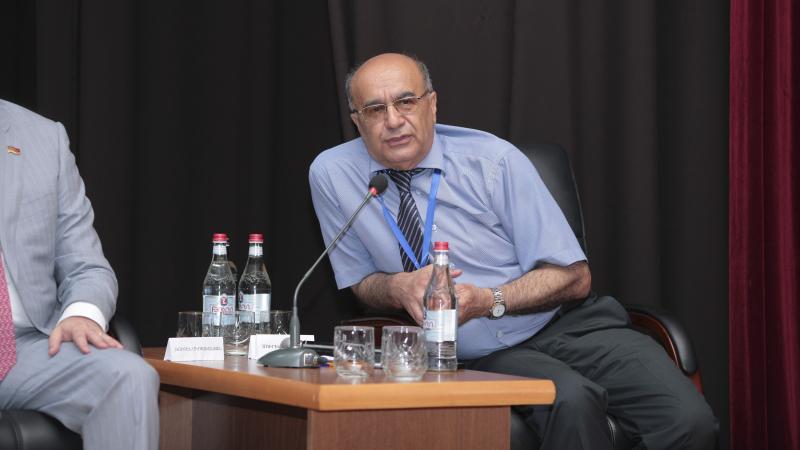
The participants were also greeted by Professor Suren Danielyan, Head of the Spyurk (Diaspora) Scientific and Educational Centre. He noted that the moral description of an Armenian child is shaped at the ASPU. “Teachers have always appeared in difficult situations, but they have believed in their pupils, looking deep into their eyes. We - Armenian teachers - have two missions: to shape a person and an Armenian and sometimes we have to choose between the two,” he said. Suren Danielyan added that we would lose wars if we did not have good teachers.
The professor regretted to say that more Armenian schools are closing down. Then he addressed the Diaspora Armenian teachers, saying, ‘Make your pupils follow your example because a teacher instills the belief of staying an Armenian in pupils.’
“Wherever Armenians go, they built a chapel, a printing house and a school,” Professor Henrik Hovhannosyan said citing the words of dramatist and novelist William Saroyan. He added that language is not merely a means of communication: one's homeland is where one's language lives.
Diaspora teachers are guardian angels of the Armenian language outside our homeland. A lot depends on them. They shape an Armenian person at a young age,” said Aelita Dolukhanyan, Head of the Chair of Ancient and Medieval Armenian Literature, a corresponding member of the National Academy of Science. She again cited the words of the great Armenian writer and intellectual Khachatur Abovian who said ‘a nation survives thanks to the language and faith.’
The participating teachers thanked organizers for the warm reception and the important initiative, noting that at the Pedagogical University they would get what one cannot find elsewhere.
Training courses for Diaspora Armenian teachers have been organized in Armenia since 2000. At the end of the course, the participants will receive certificates from the Ministry of Education and Science and Armenian State Pedagogical University.