- Հայ
- Рус
- Eng
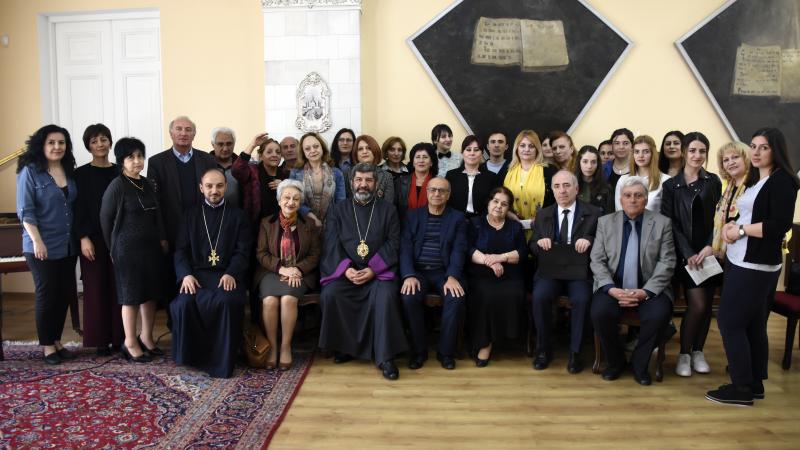
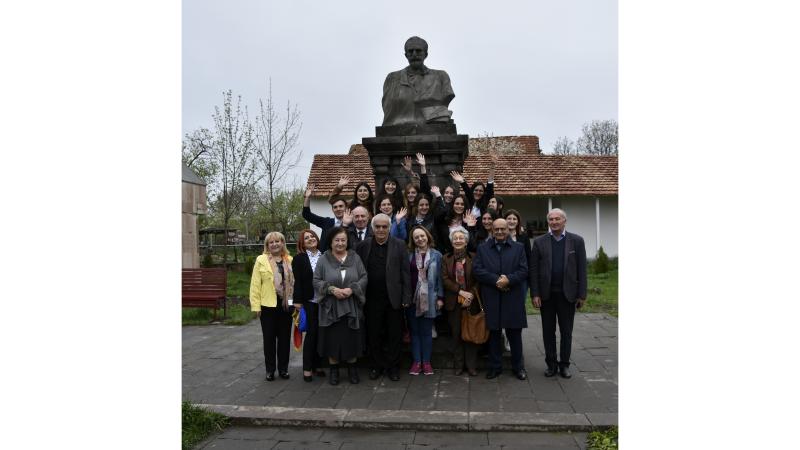
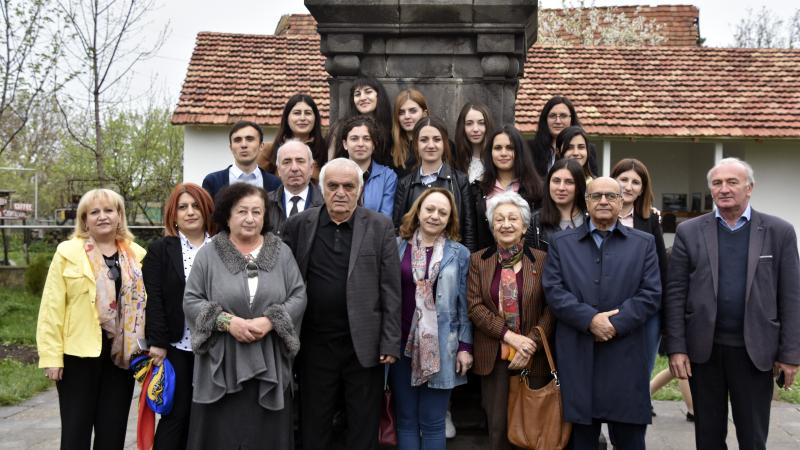
Among the events dedicated to the 150th anniversary of Armenian writer Hovhannes Tumanyan, the scientific and philosophical recognition of the poet's activity is of particular importance. With this in view, Armenian State Pedagogical University and Yerevan State Conservatory after Komitas organized an international conference dedicated to the great writer. The conference was held in Armenia and Georgia from 3 to 5 May. The aim of the international conference was to reveal the writer who was ‘looking for fathomless rest.’ For three days, professors and students from ASPU and YSC presented their reports on the poet’s activity during the conference held in Yerevan, Dsegh (a village in Lori marz) and “Hovhannes Tumanyan House” Scientific-Cultural Center in Tbilisi, Georgia.
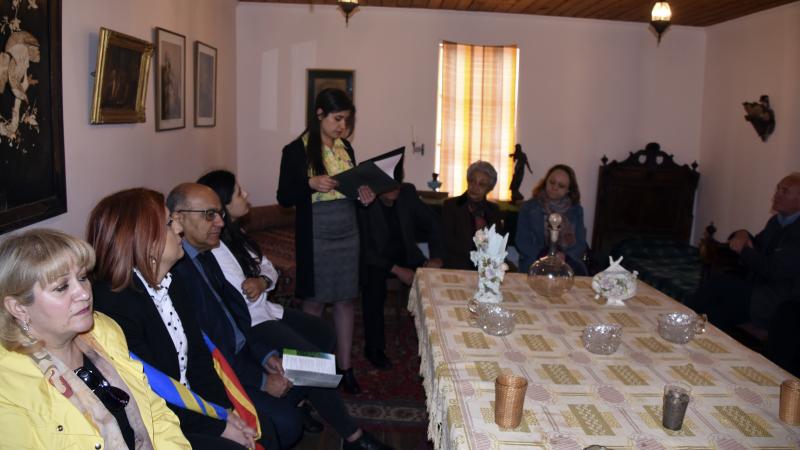
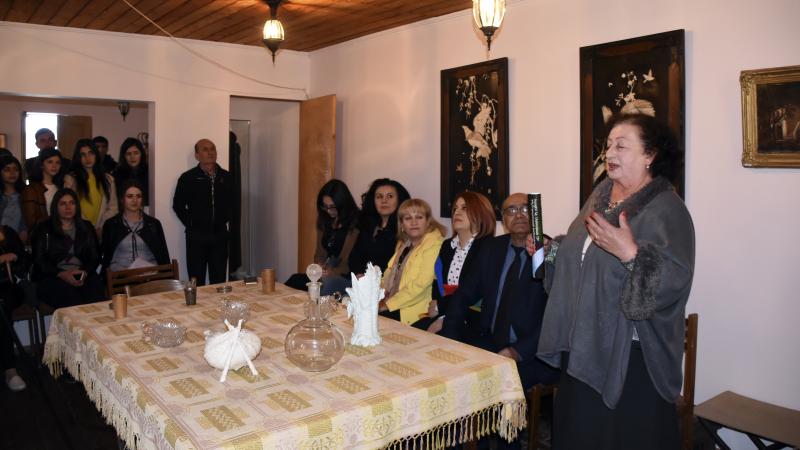
“We are still unable to perceive Tumanyan’s mystery,” Roza Ghazumyan, Director of the Hovhannes Tumanyan House-Museum, said during the conference in Dsegh. She hailed the initiative of holding the conference in Dsegh and said it will have a special meaning especially for students.
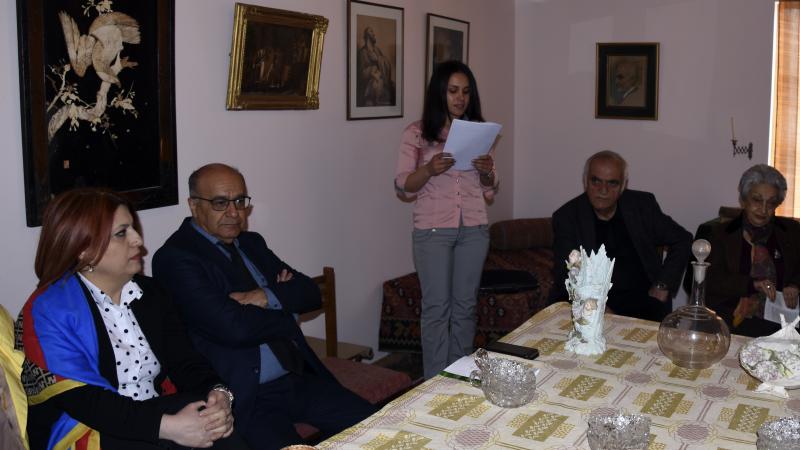
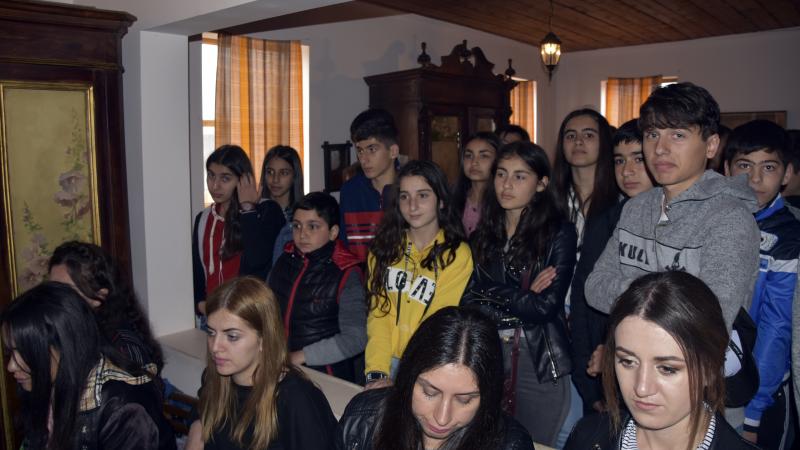
Students of ASPU Faculty of Philology presented Tumanyan as a translator, children’s writer, poet and public figure, detailing and completing his philosophy.
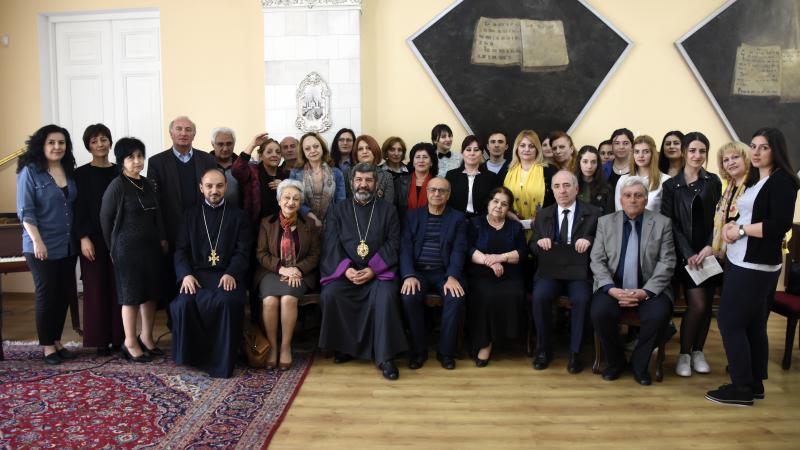
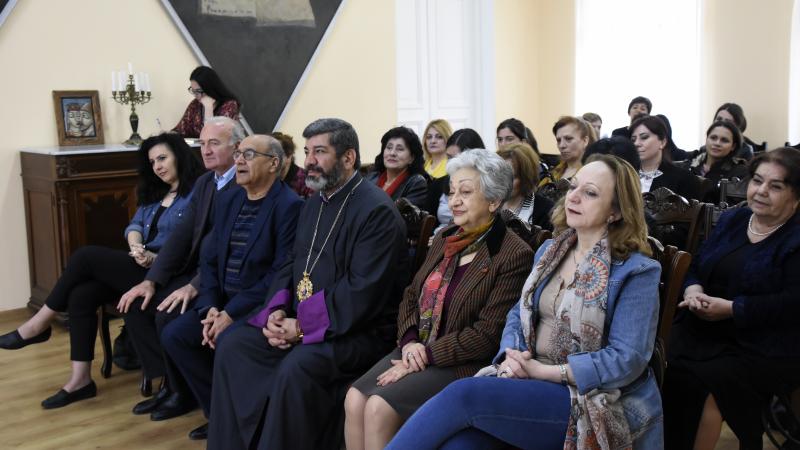
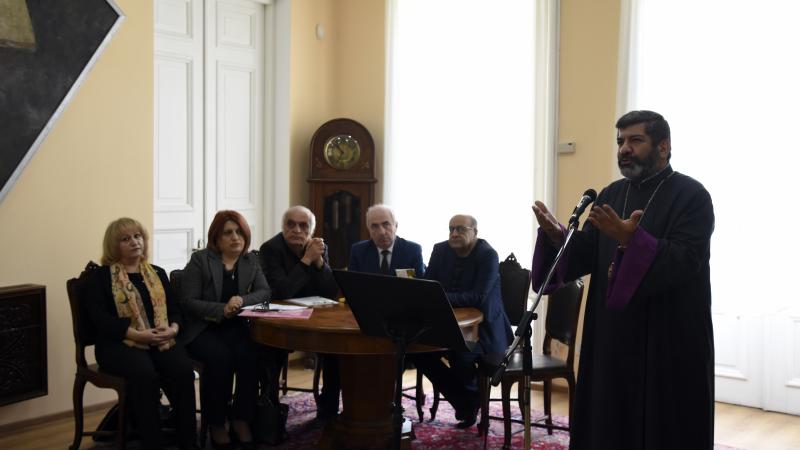
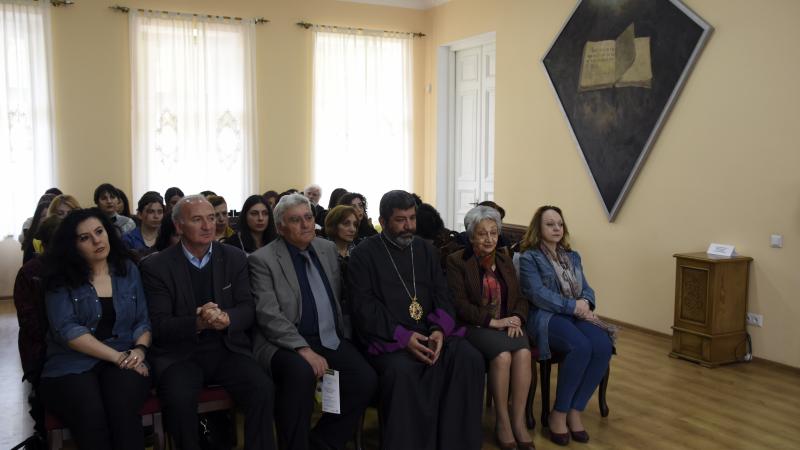
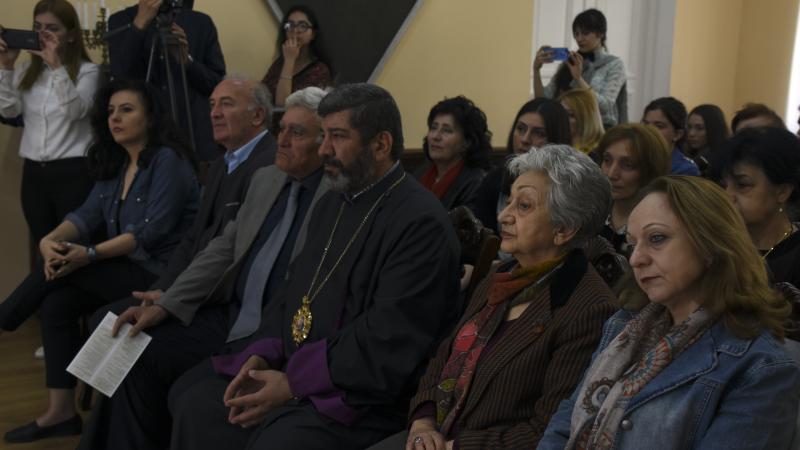
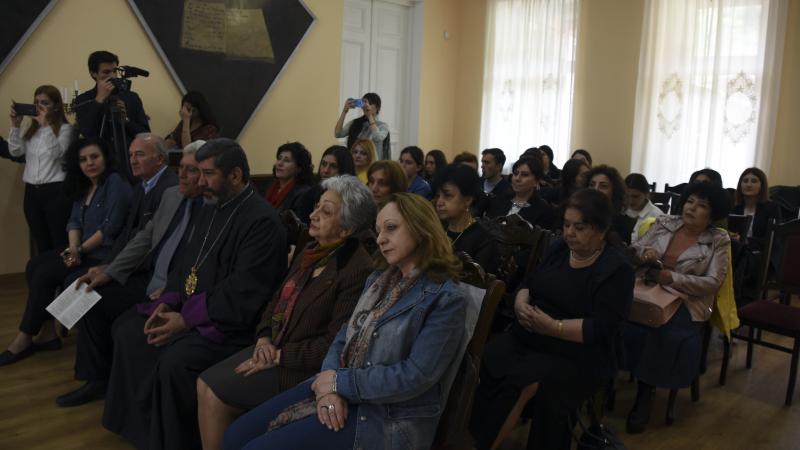
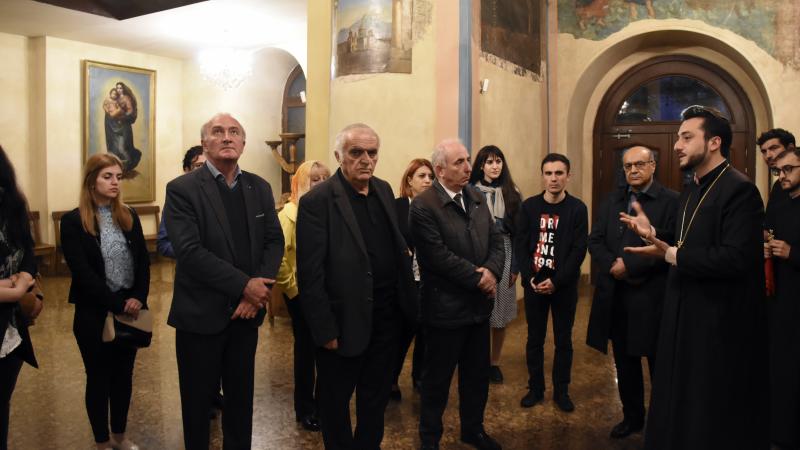
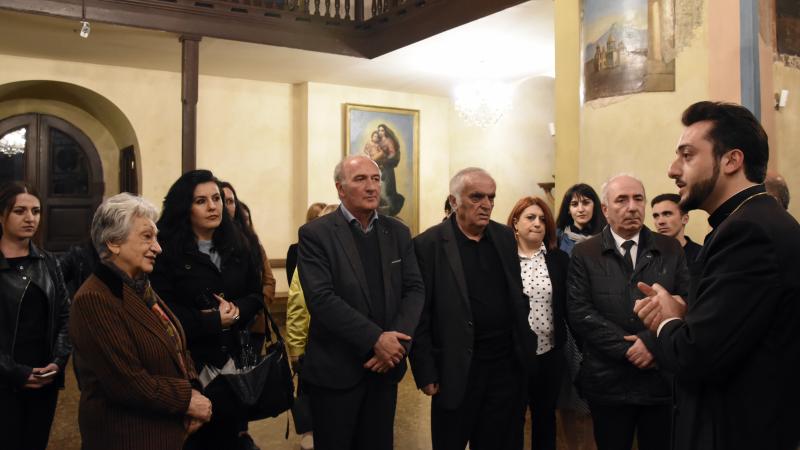
In Tbilisi, the participants of the conference were welcomed by Bishop Vazgen Mirzakhanyan, Primate of the Diocese of the Armenian Apostolic Church of Georgia. He stressed that the conference was a great example of the preservation of national identity and the Armenia-Diaspora relations.
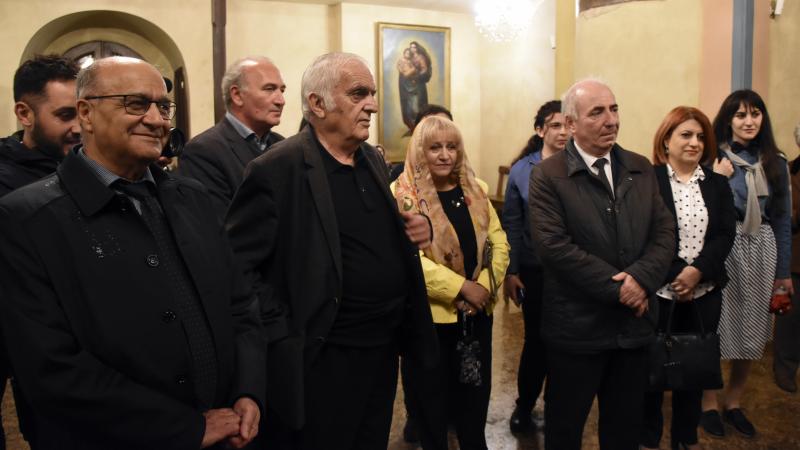
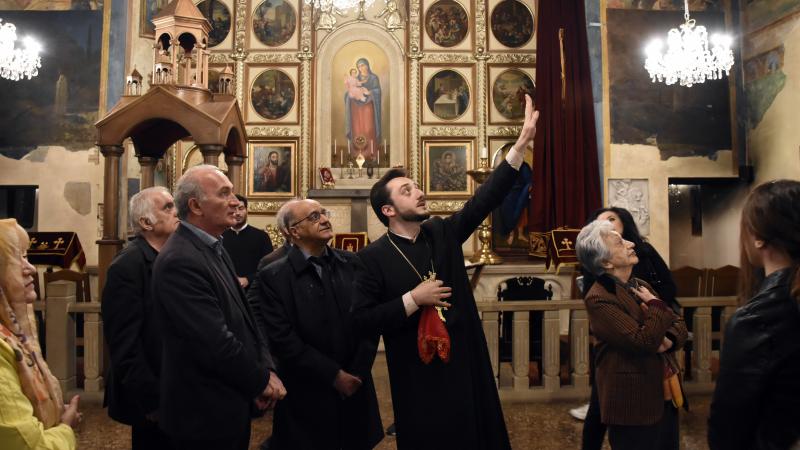
The representatives of the two universities got acquainted with the history of St. Gevorg church, one of the two functioning Armenian churches in Tbilisi which was renovated in 2012 and which is of great importance for the Armenian community in Tbilisi. During the renovation it was revealed that walls of the church were decorated with old Armenian frescoes which were restored back to original condition.
“Tumanyan on Georgian Literature,” Tumanyan's tales and quartets translated into Georgian, “Georgian intellectuals on Tumanyan:” the Armenian Diocese in Georgia plans to implement these and other projects. Vazgen Mirzakhanyan said that the three festivals held by the church – Vardaton (Feast of Roses) dedicated to Sayat Nova, Ecumenical Choir Festival and Dolma Festival, have become traditional and are celebrated annually. The festivals are attended not only by Armenians but also nationals.
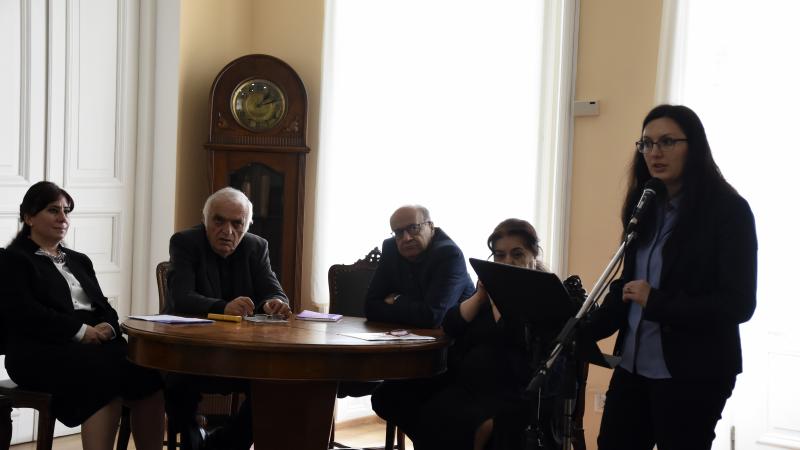
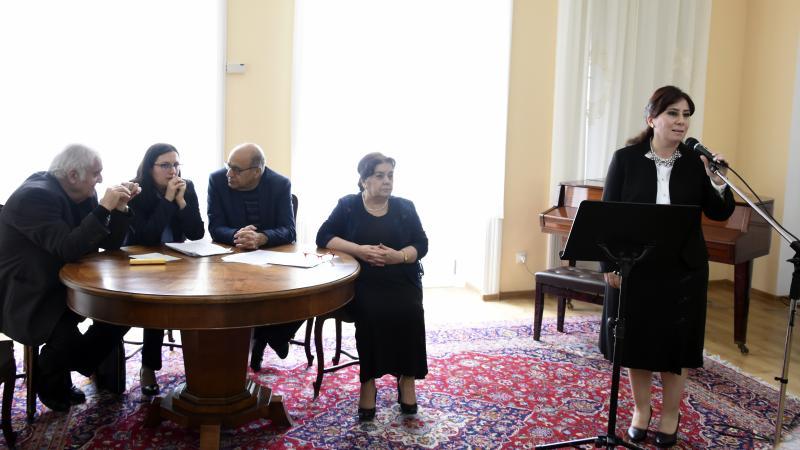
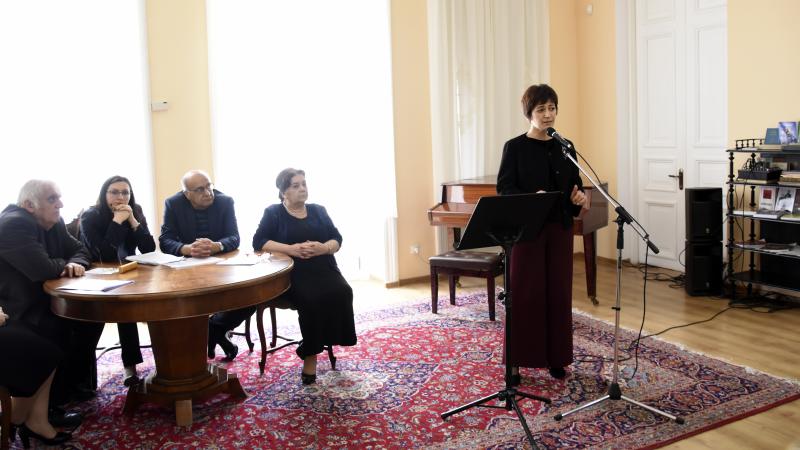
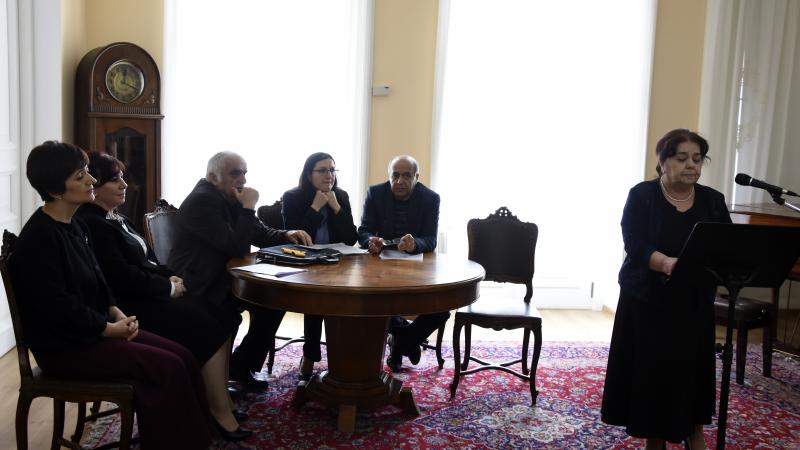
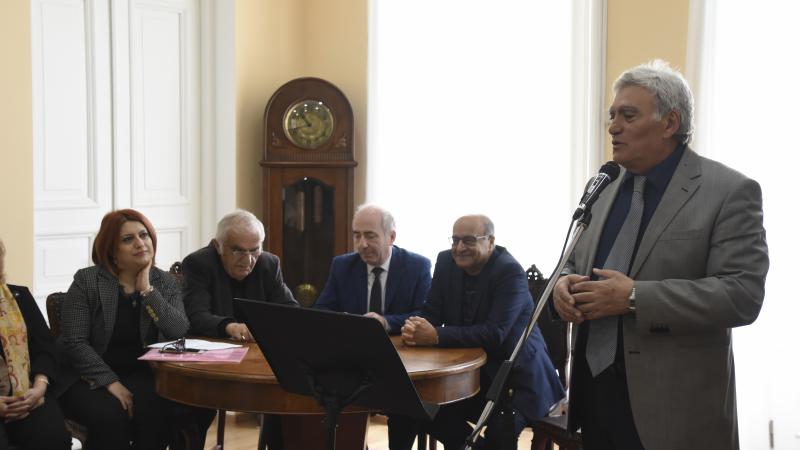
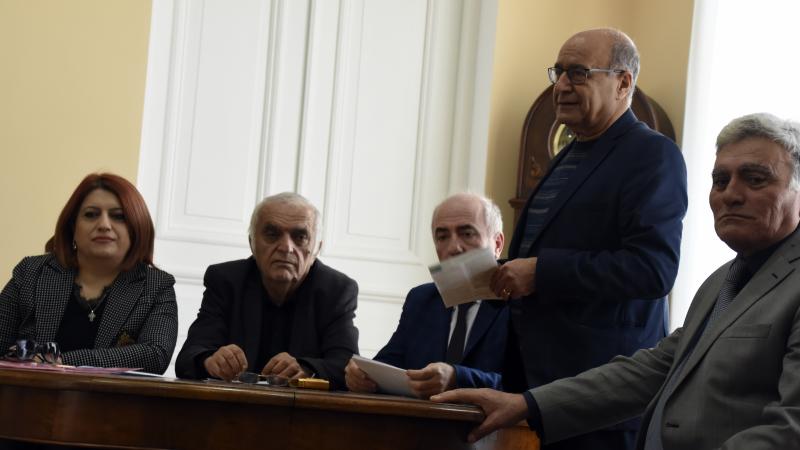
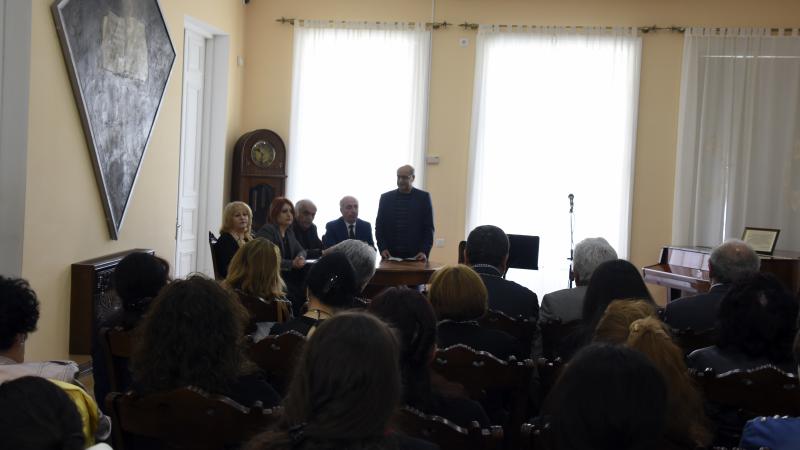
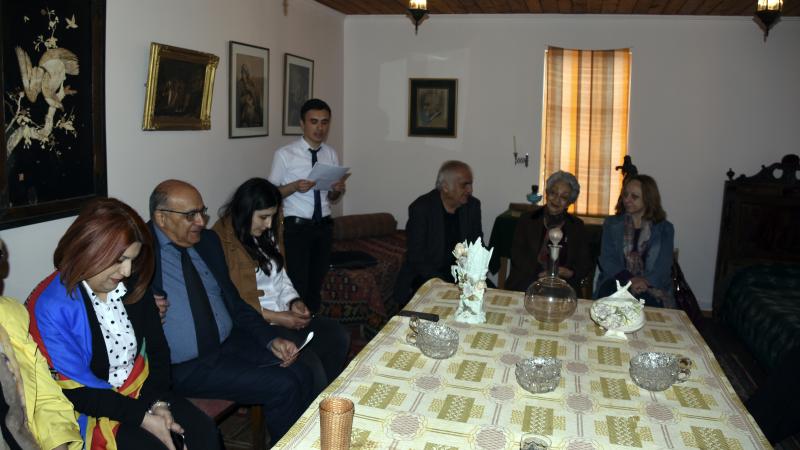
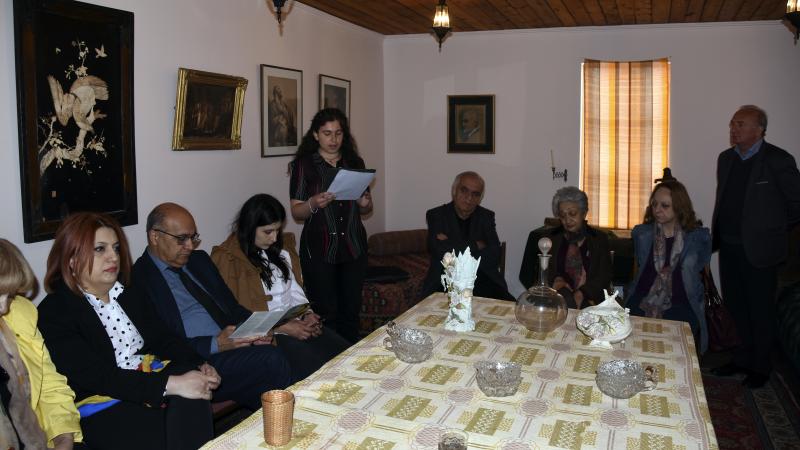
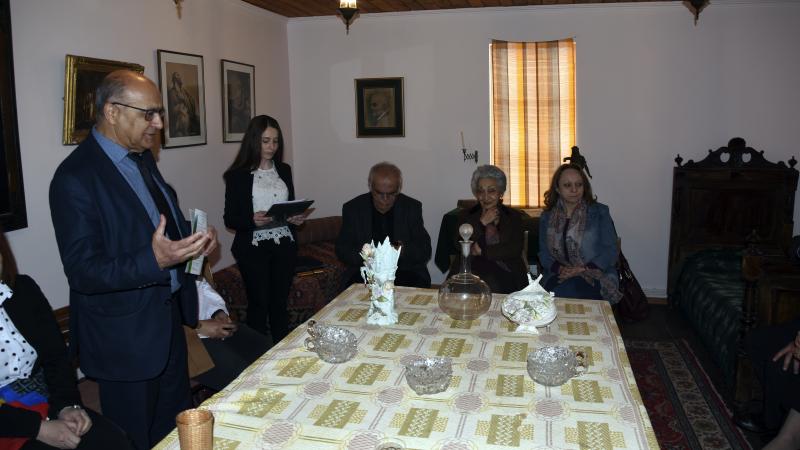
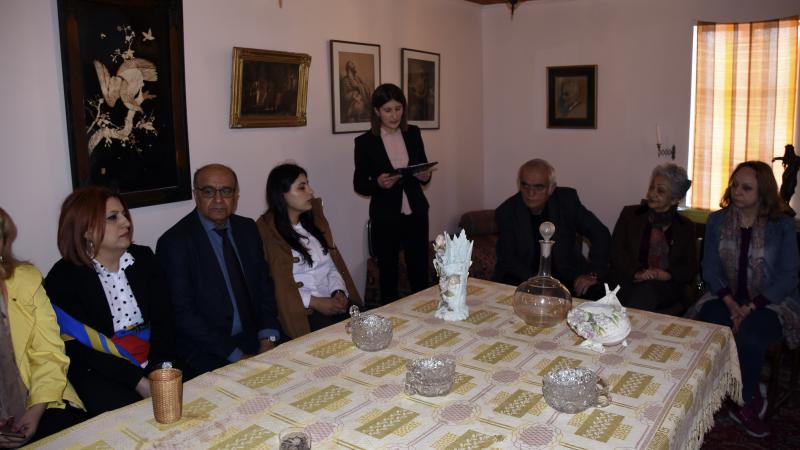
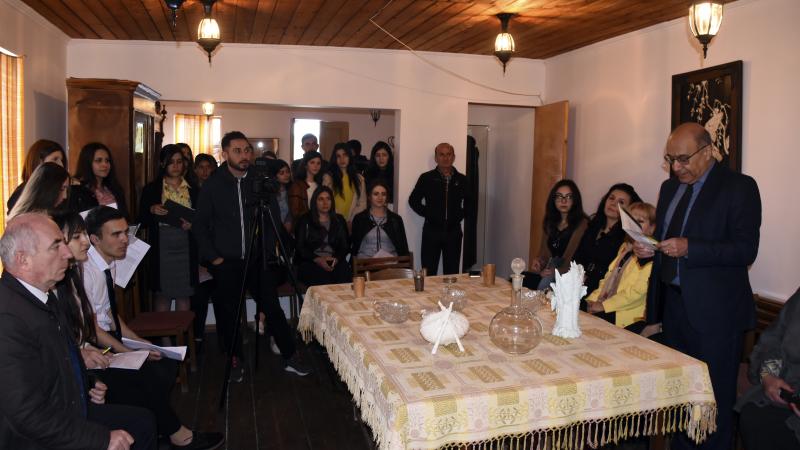
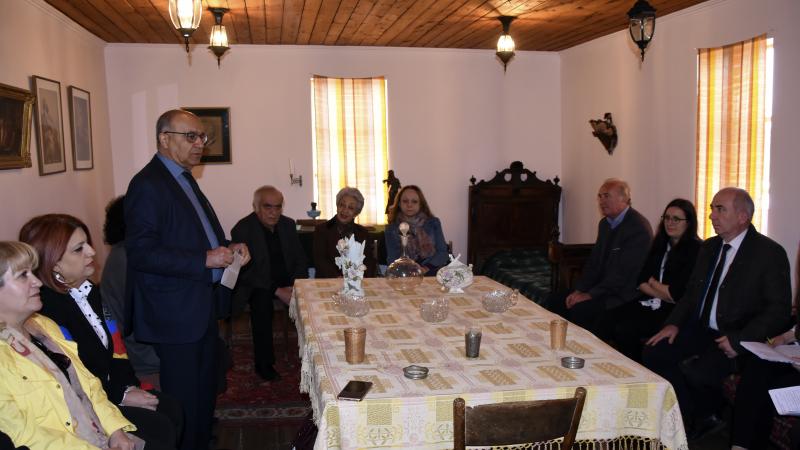
The last day of the conference was summarized in Tumanyan's house in Tbilisi, the well-known Vernatun. The lecturers of the ASPU Faculty of Philology presented their reports during the meeting.
"With the direct and active participation of the two universities, we came to once again emphasize the activities of the great Armenian poet in all spheres of life,” said Professor Suren Danielyan, Head of the Chair of New and Modern Armenian Literature at ASPU.
“Tumanyan was so great that by glorifying him, we also glorify our nation. By glorifying him we show how an Armenian should be. His literature is much spoken about and we should be proud to have such a writer,” said the head of the Armenian Diocese in Georgia.
This international conference dedicated to Tumanyan is another proof that educational institutions attach importance to the activities of Armenian intelligentsia outside their homeland.
“This conference held in Yerevan, Dsegh and Tbilisi was a great opportunity to combine the theoretical and practical experience in the relevant field,” said Zhora Snkhchyan, Chairman of the Vernatun Union of Armenian Writers of Georgia.
“What should be done so that local Armenian writers don’t forget writing?” The first writers’ union in Georgia was opened for this purpose and it immediately had a crucial role for the Armenian intellectuals in Georgia.
This structure, which has been operating for more than 20 years, does everything to preserve the Armenian thought and writing, brings up new literary generations and contributes to the preservation of Armenian literature. Within several years Vernatun became the gathering place for Armenian intellectuals.
Gisane Hovsepyan, Head of the “Hovhannes Tumanyan House” Scientific-Cultural Center, said the international conference dedicated to the 150th anniversary of the Armenian writer proved again that Tumanyan is loved and popular not only in Armenia, but also abroad.
“Tumanyan is a poet who has always inspired writers and literary critics. You will hardly find any writer in the post-Tumanyan period, who was not influenced by the writer’s worldview and philanthropy in one way or another,” said Professor Martin Gilavyan, when presenting his report “Tumanyan through the eyes of Paruyr Sevak.”
In her report Associate Professor Naira Khachatryan stressed that though the role of Tumanyan's literary heritage in the history of Armenian culture is indisputable, in the 21st century Tumanyan studies need to be revealed anew. She considers Tumanyan to be the last representative of Khachatur Abovyan’s literary school by genealogy, as well as the beginner of new phenomena in the Oriental Armenian literature and social life.
Associate Professor Lusine Galstyan provided a scientific analysis of Hovhannes Tumanyan's poem "The Old Fight" while Ashot Galstyan, Dean of the Faculty of Philology, presented Hovhannes Tumanyan in the memories of his contemporaries.
“Tumanyan helps us sit at the same table with the world’s great people. He helps us discover the new borders of world literature,” said Suren Danielyan, the organizer of the international conference.
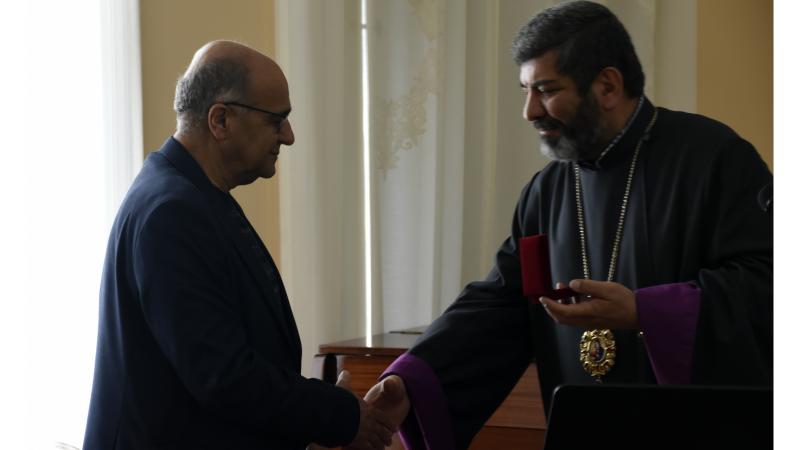
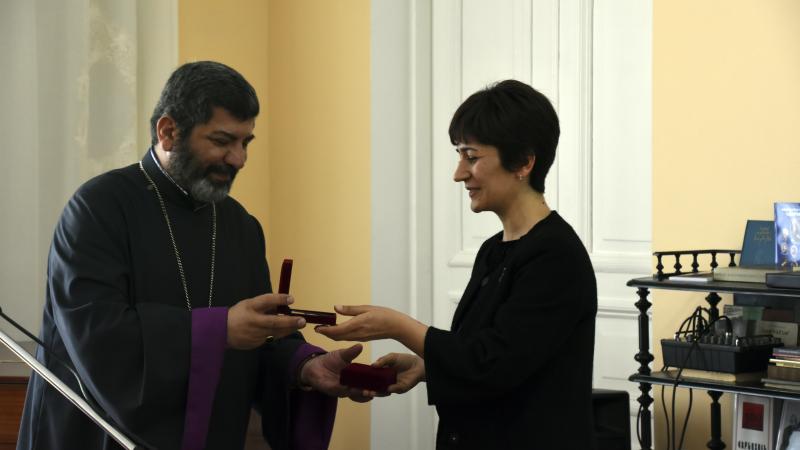
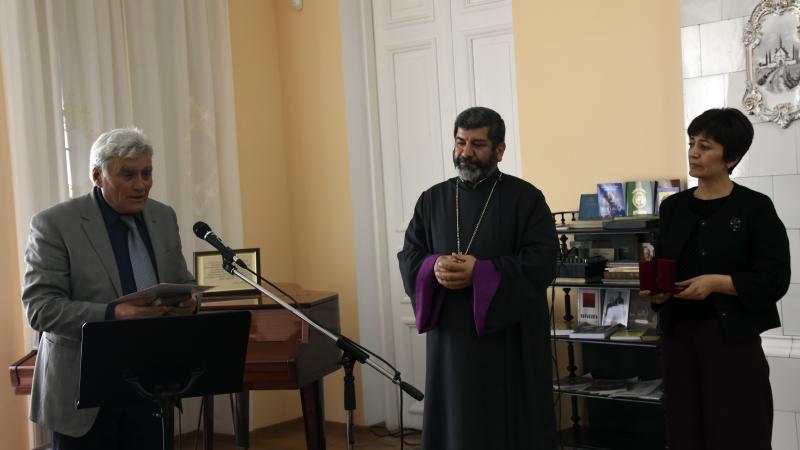
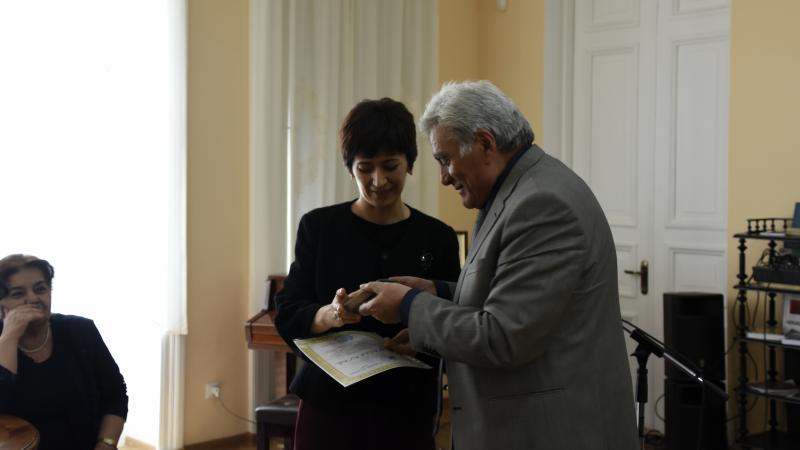
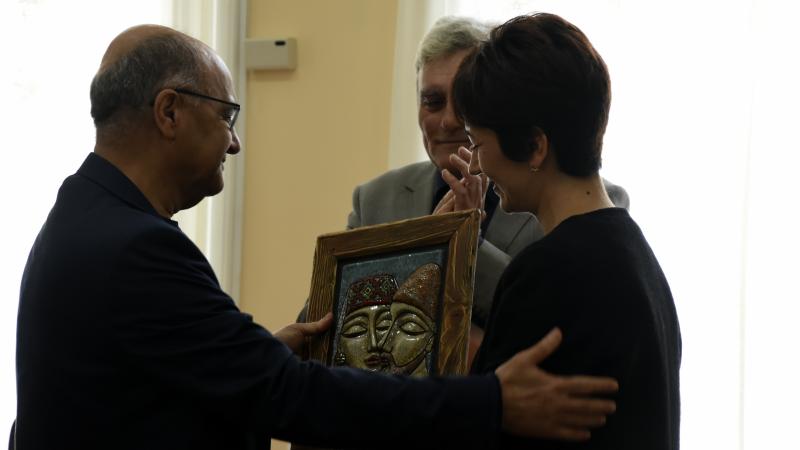
At the end of the conference, Vazgen Mirzakhanyan bestowed Hovhannes Tumanyan Medal on Suren Danielyan. By the way the bishop was one of the students of Suren Danielyan and he was proud to award his lecturer with the medal also as a sign of gratitude for his activity. “This is the most precious gift I ever received,” said Mr. Danielyan.
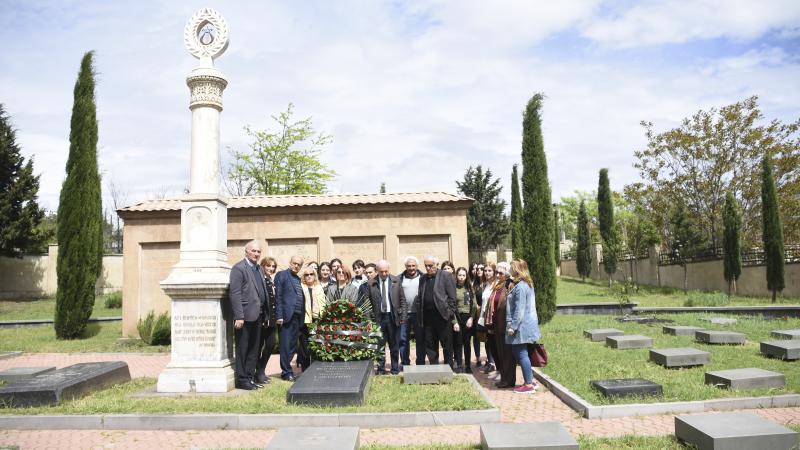
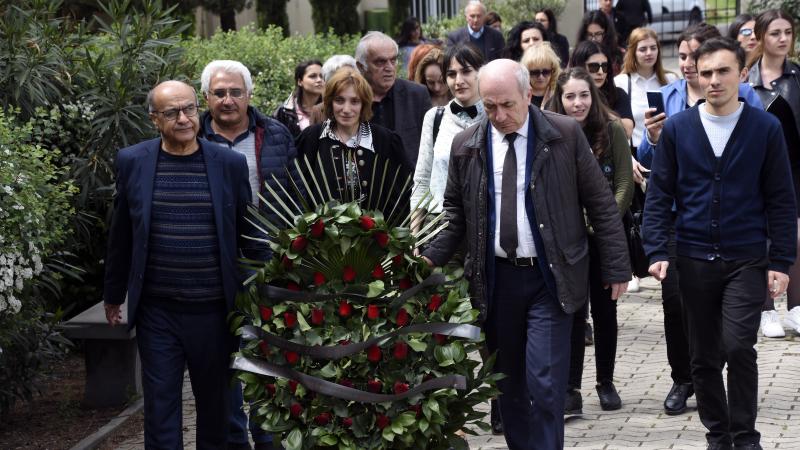
After the conference the participants visited Khojivank, Armenian Pantheon of Tbilisi, and laid a wreath at the tomb of the All-Armenian poet Hovhannes Tumanyan.