- Հայ
- Рус
- Eng
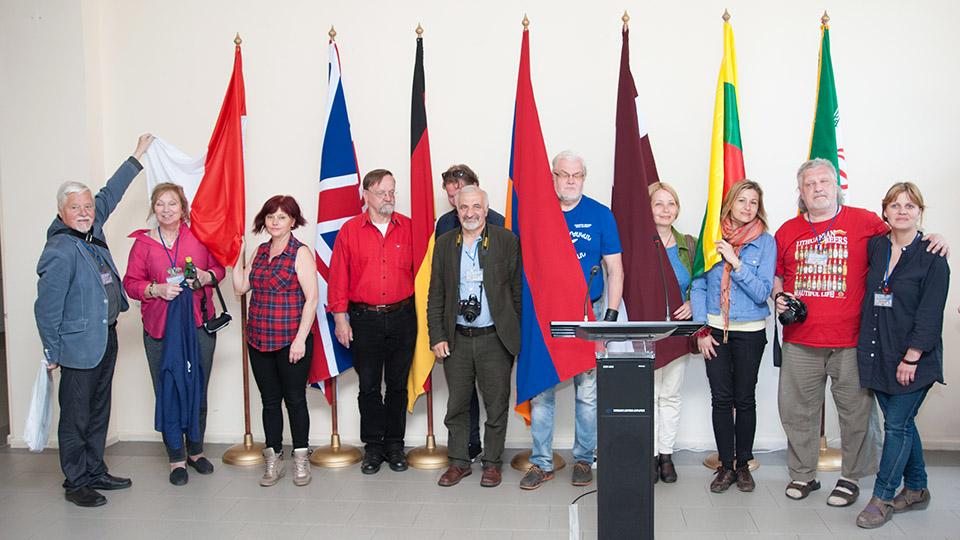
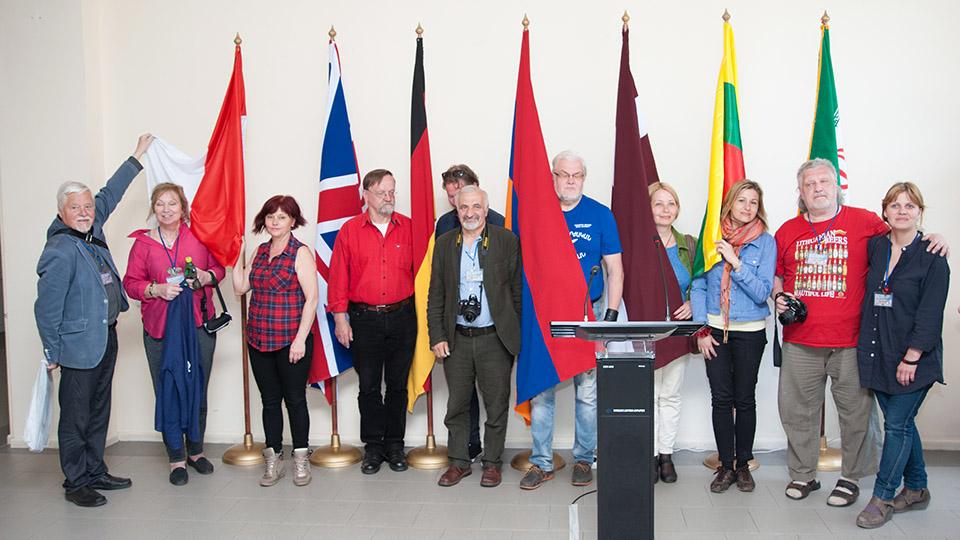
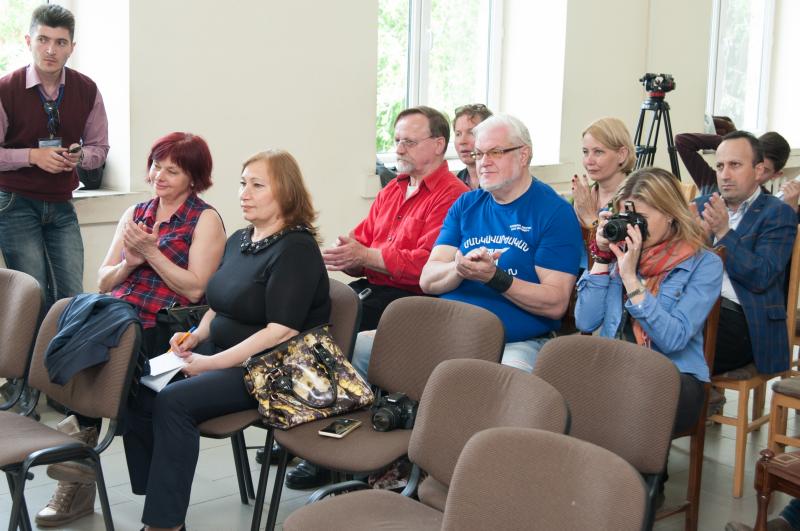
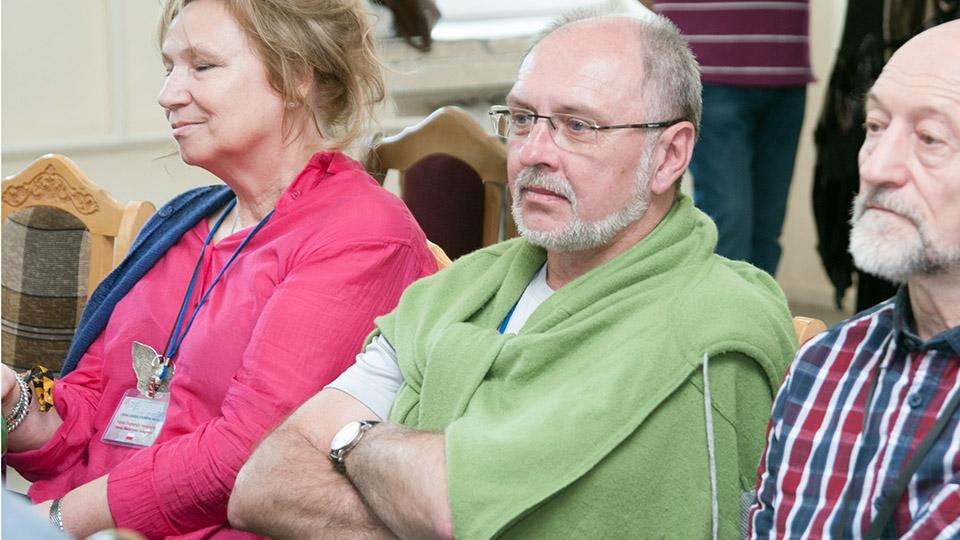
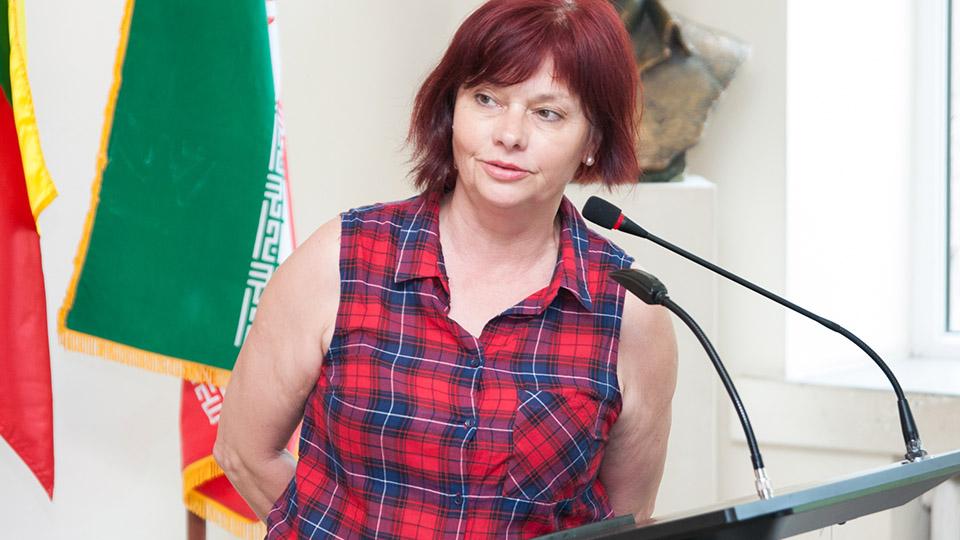
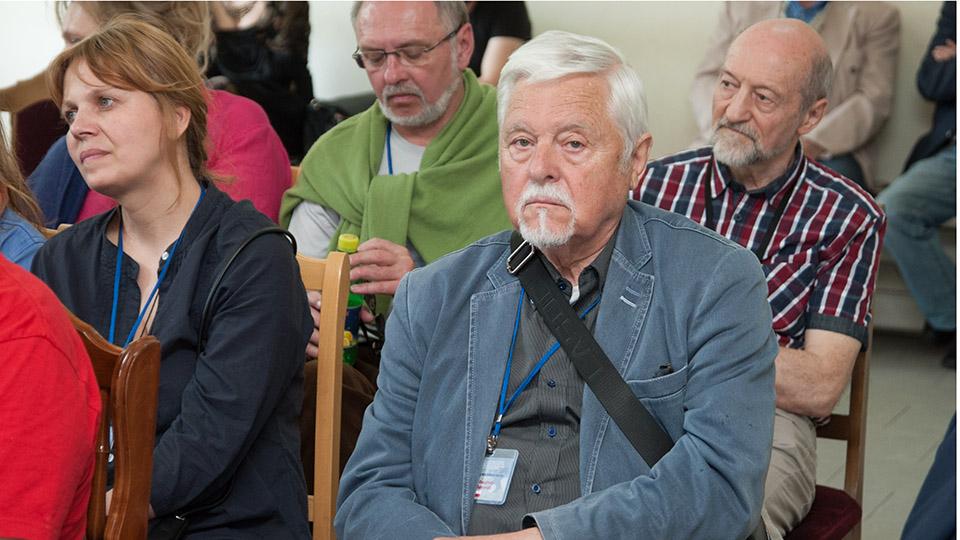
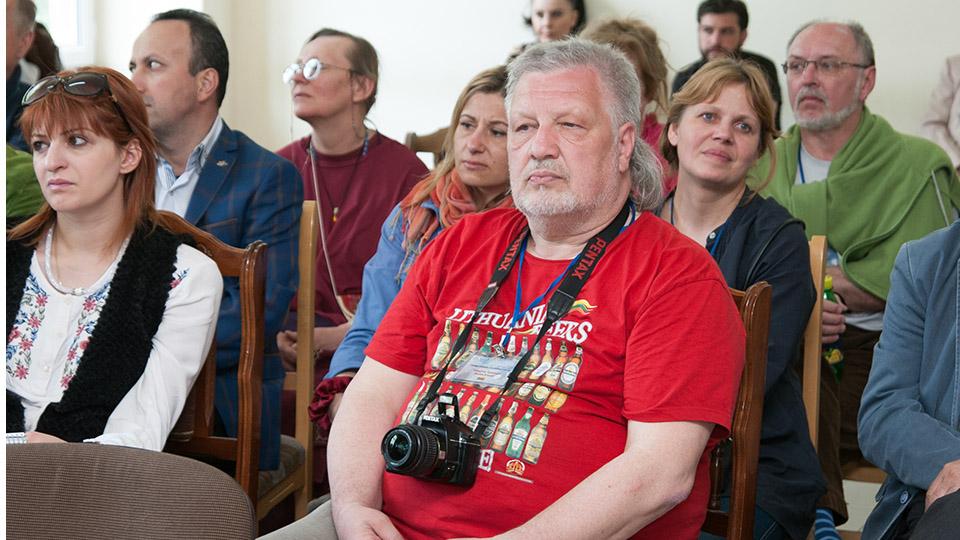
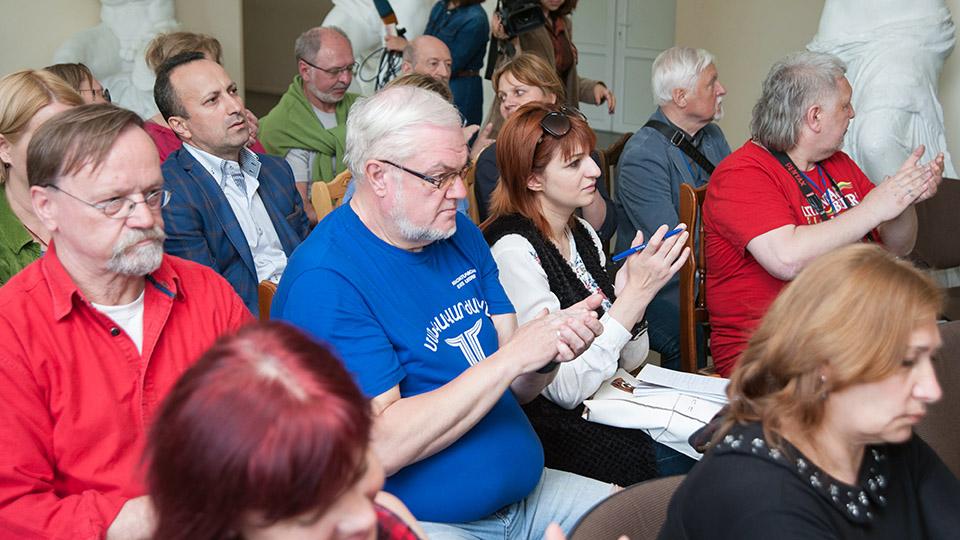
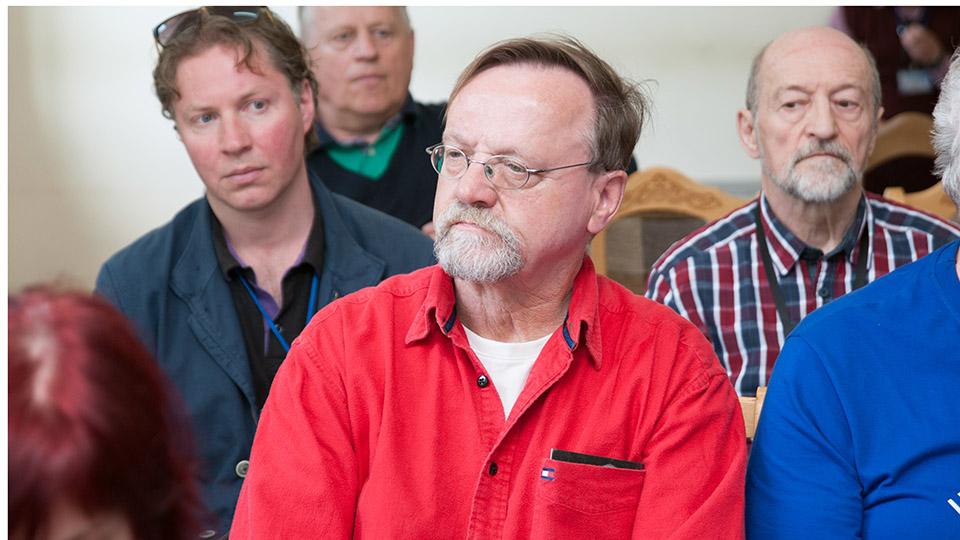
On May 7, participants of an international symposium of plein air painting that started at Armenian State Pedagogical University on May 1 summarized the results of the week-long event at the Faculty of Art Education.
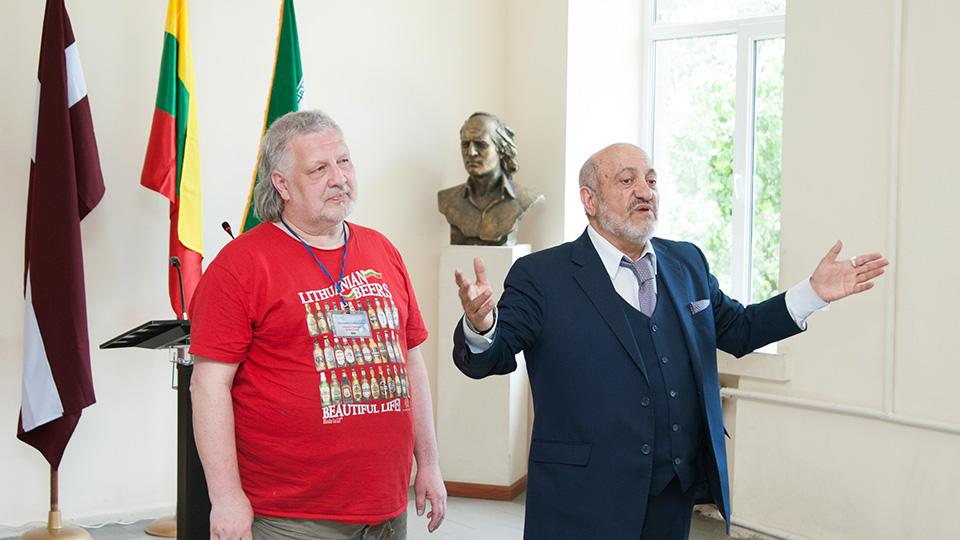
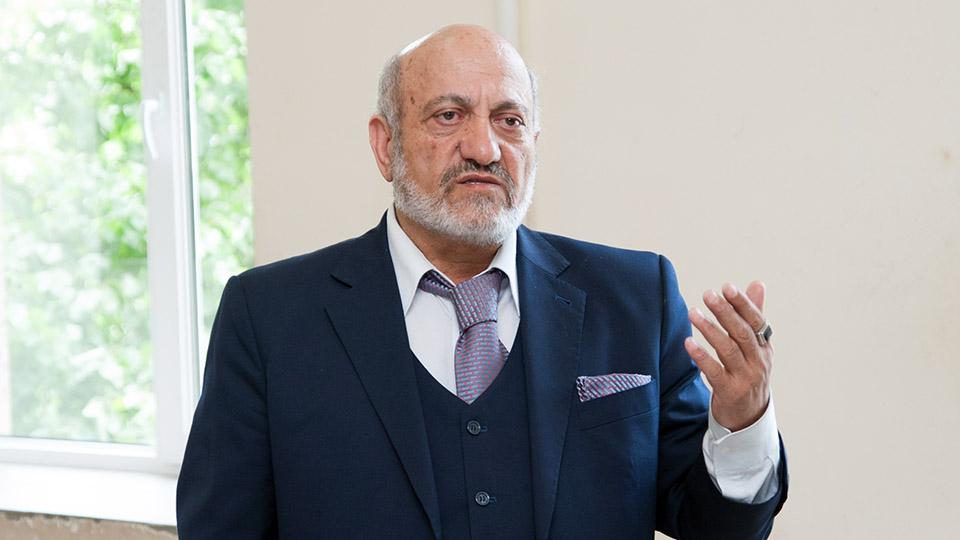
In his speech, Professor Paravon Mirzoyan, Head of the Chair of Fine Arts, thanked the artists who had arrived in Armenia from six countries to participate in the symposium. He stressed that the results of the one-week work were really effective. Despite the unfavourable weather conditions, the participants were able to admire Armenian Highland with its entire beauty. “It is not easy to organize an international symposium of this kind, but we were able to work together and achieve good results,” Mr Mirozyan stressed.
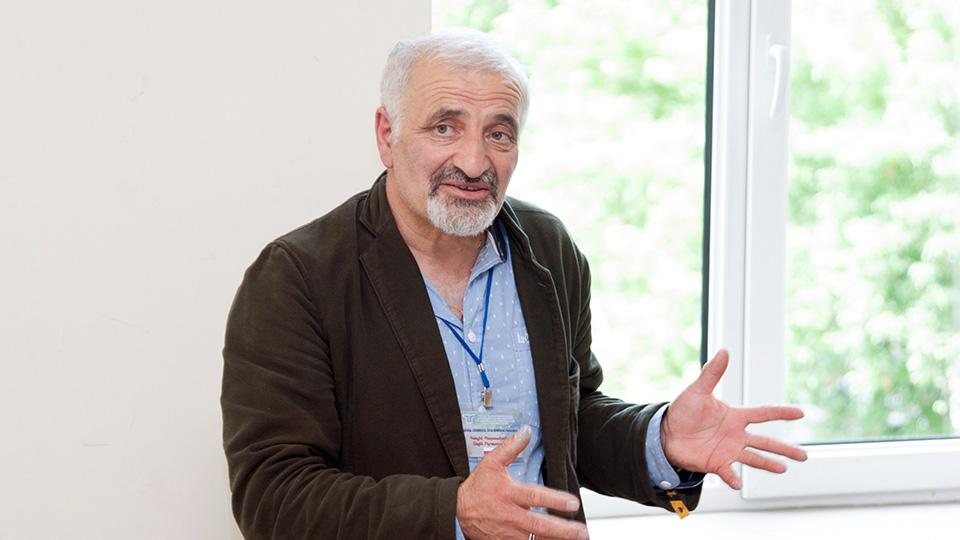
He assured everyone that part of the paintings deserved awards. The head of the Chair of Fine Arts also thanked Polish-Armenian painter Gagik Parsamian who assisted in the implementation of the initiative by gathering professional painters in Armenia, showing them cultural and historical values of the country, as well as informing them about the situation on the Karabakh-Azerbaijani border.
Gagik Parsamian thanked the participants who beautified the plein air painting with their presence and charm and created a unique creative atmosphere. “The paintings are excellent and the results are pleasing which means the event was a success. Moreover, an agreement of cooperation was reached between Lithuania and Armenia. Saulius Kruopis, a unique person who has been organizing plein air events for 24 years, knows what everything about them. All painters who arrived in Armenia to attend the symposium had been in Armenia before and felt sincere love for the country. They were waiting for the opportune moment to revisit Armenia, and the opportunity came. We thank Mr Paravon Mirzoyan for coordinating our work in Armenia,” said the painter.
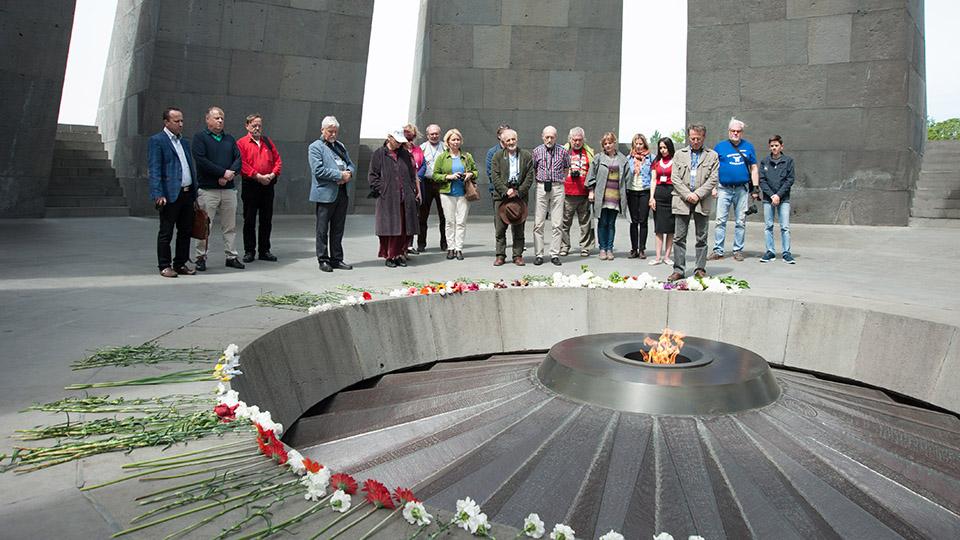
Polish painter Helena Chmielowiec expressed her satisfaction with the excellent organization of the event and the opportunity to work with students. “Armenia is beautiful. We saw rain and sun, beautiful green areas and mountains. We got acquainted with the history of your country, we paid tribute to the victims of the 1915 events, bowing to the eternal fire. We will return to our country taking with us sweet memories from Armenia. Thank you for your warm reception,” she said.
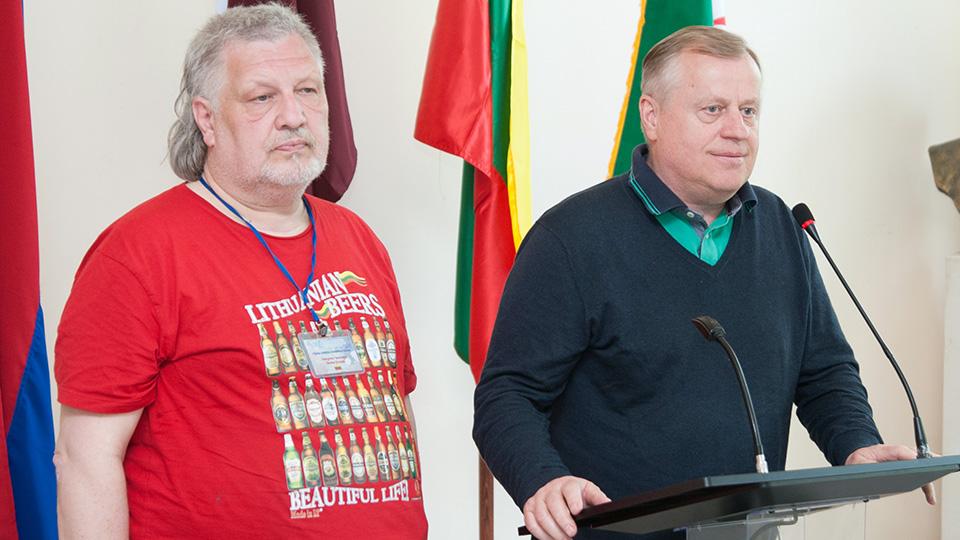
“We all passed through the Russian school of painting. At the same time we are all followers of Lithuanian painting. Armenian painters mainly passed through the traditions of the Leningrad school of painting. We have a different way of thinking, we speak different languages, but painting knows only one language,” said Juozas Pranckevicus. He said it would take him a year or two to absorb and express whatever he had seen and felt in Armenia. Next year, he will invite six painters from Armenia to participate in plein air painting in Lithuania.
Saulius Kruopis also agreed that it would take some time to ‘return to’ the wonderful nature of Armenia: every day spent in the country ‘was full of rhythm.’ “After our return to Lithuania we will continue to maintain the bridge created with Armenia,” he said.
Summing up the results of the meeting, Paravon Mirzoyan added that the paintings created by the participants would be exhibited at the National Gallery of Armenia on May 8, providing a real holiday not only for the participants but also for art lovers.
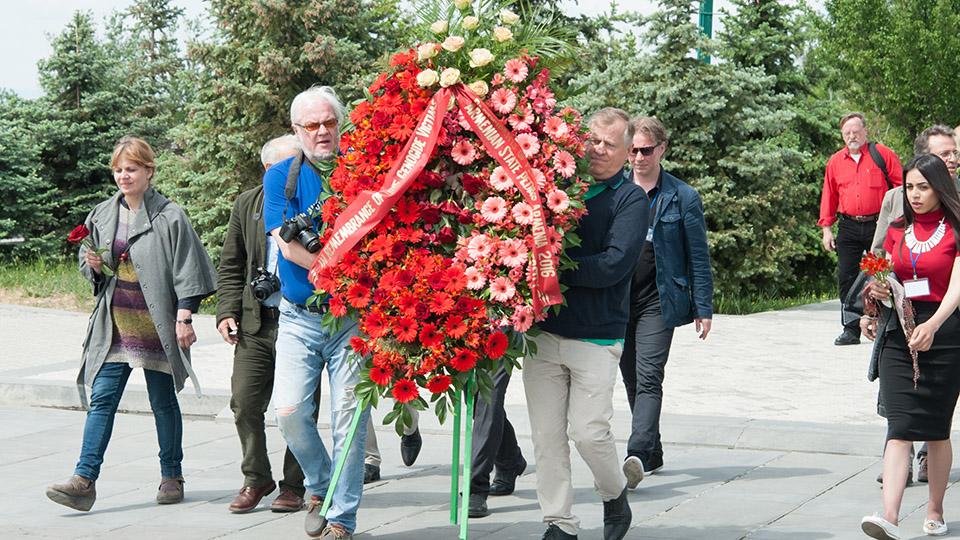
The guests also visited the Genocide Memorial at Tsitsernakaberd [in Yerevan], laid a wreath at the Armenian Genocide Memorial, paying their respects to the 1.5 million people killed by the Ottoman Turks more than 100 years ago.