- Հայ
- Рус
- Eng
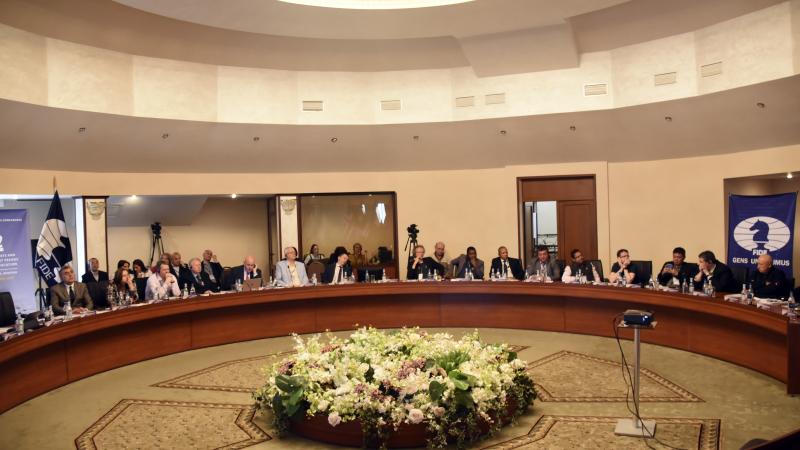
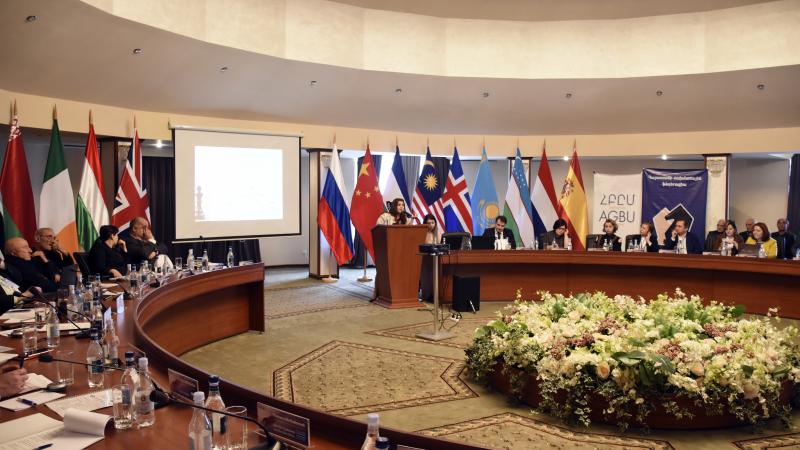
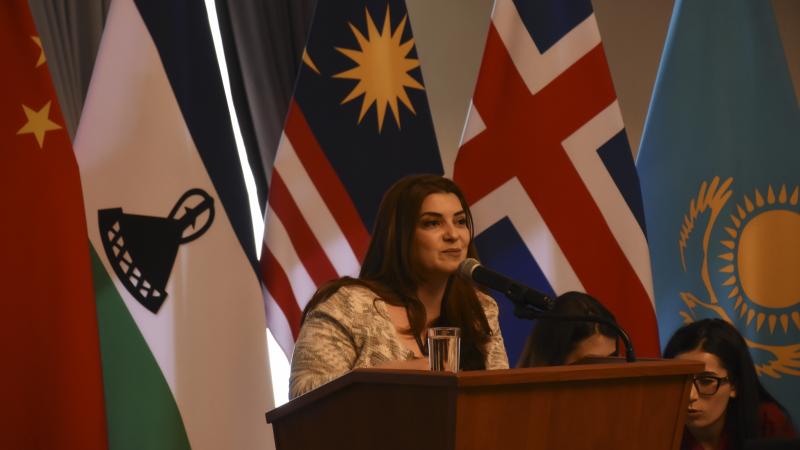
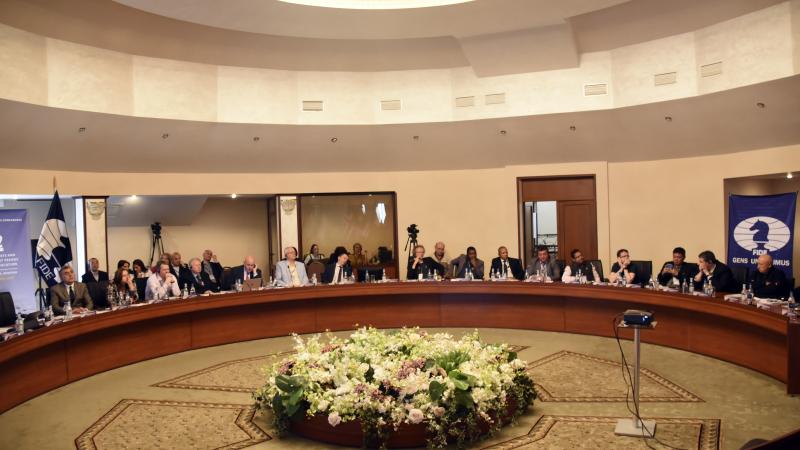
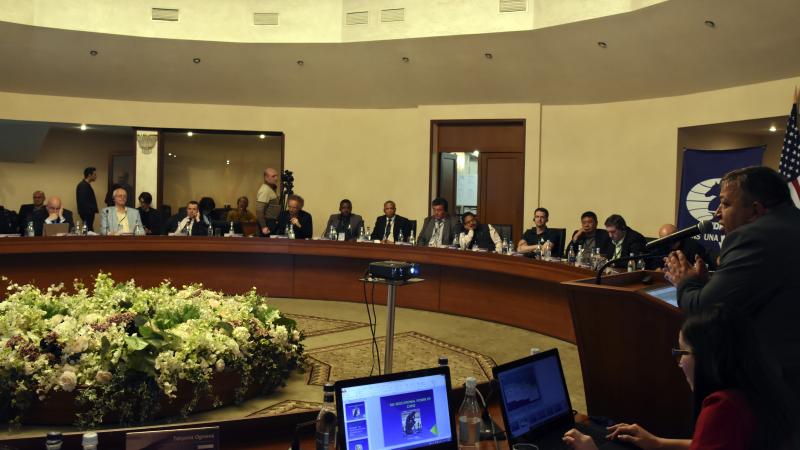
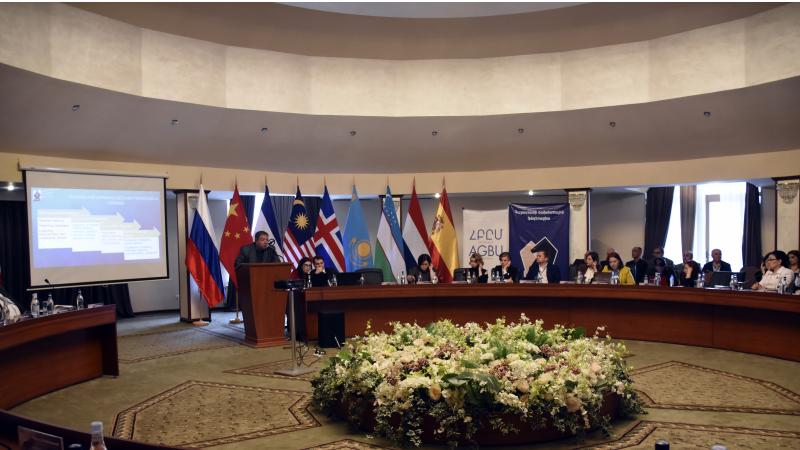
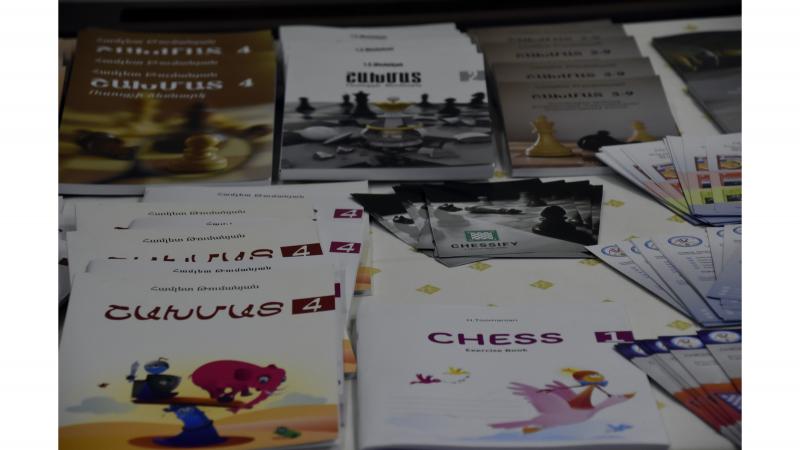
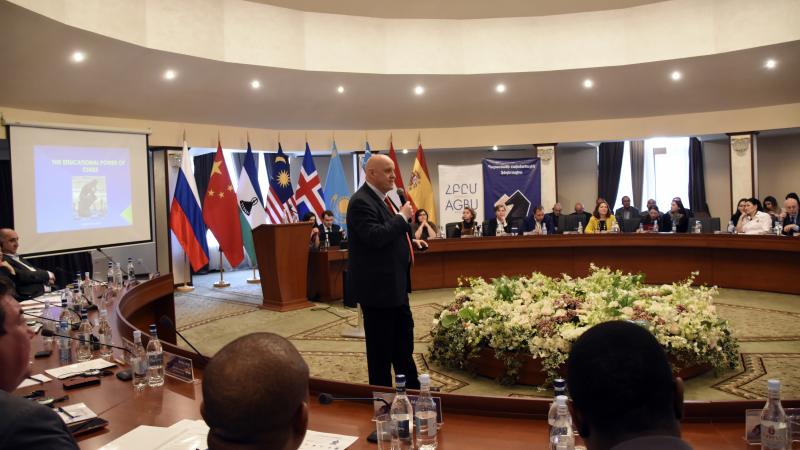
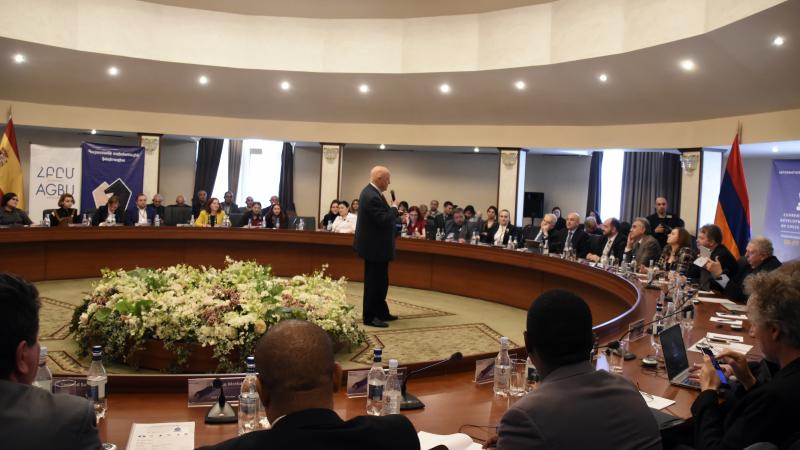
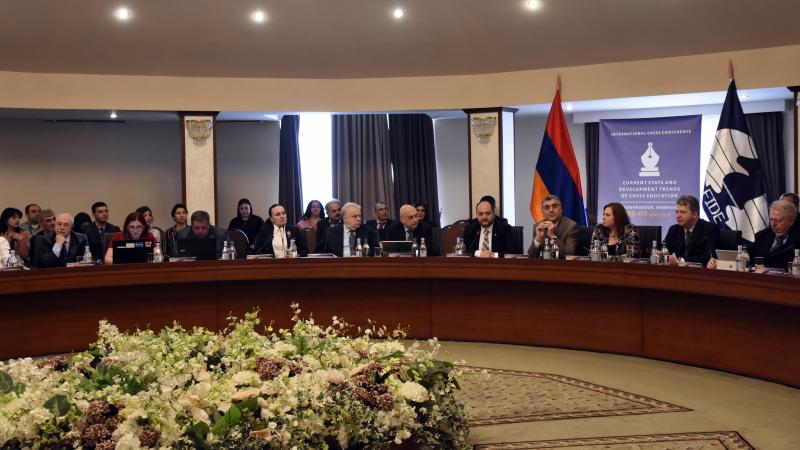
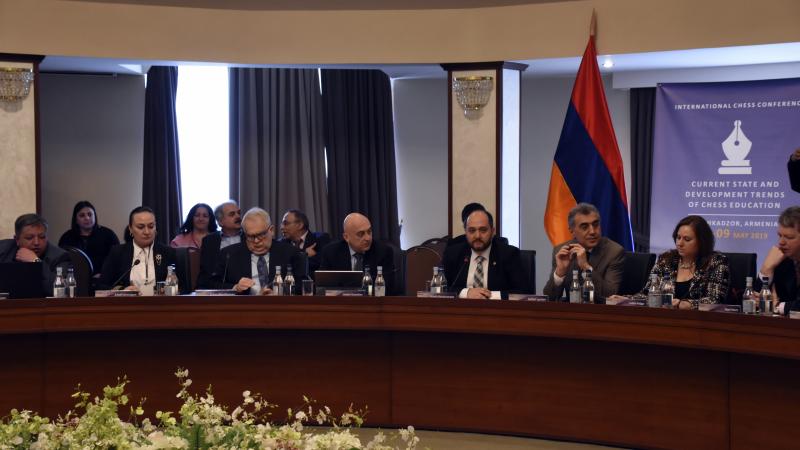
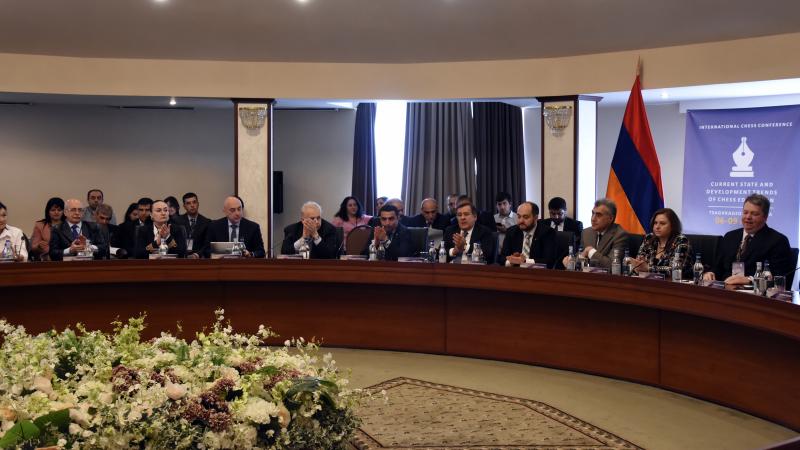
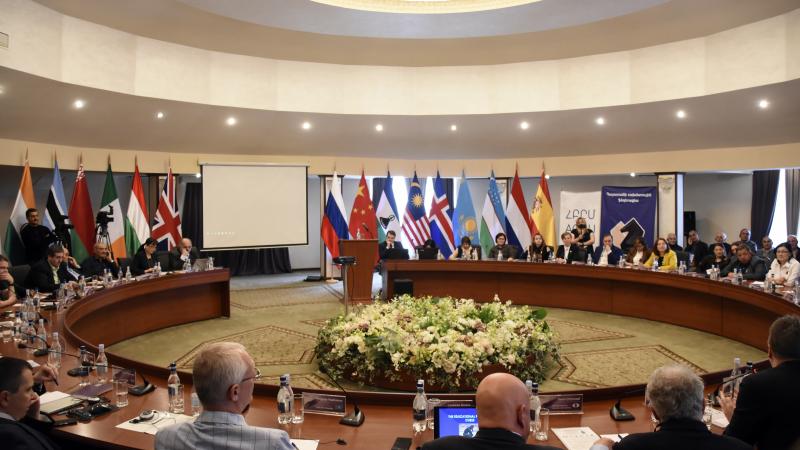
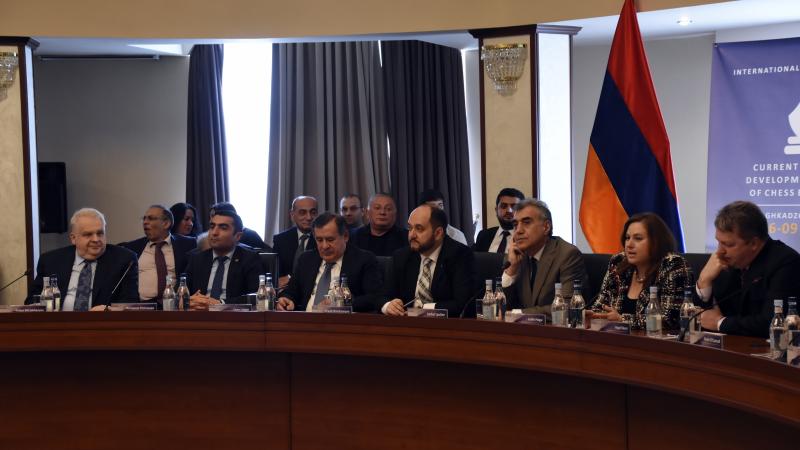
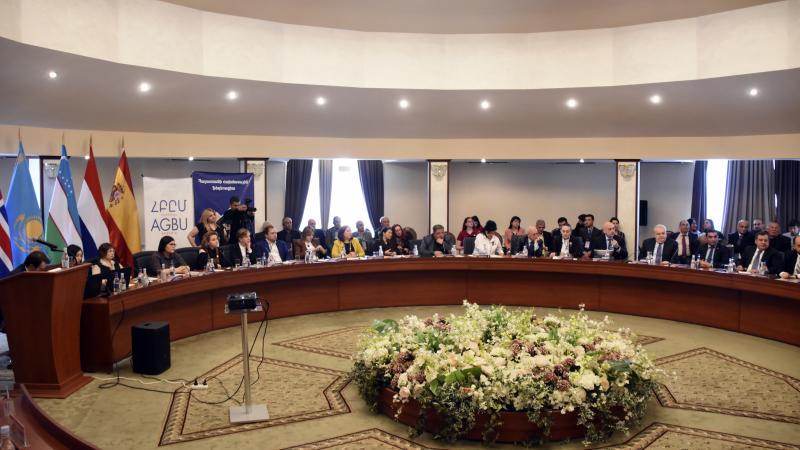
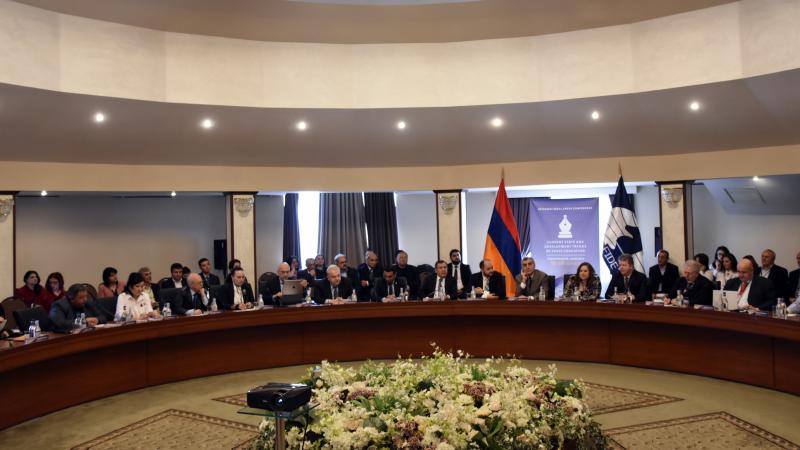
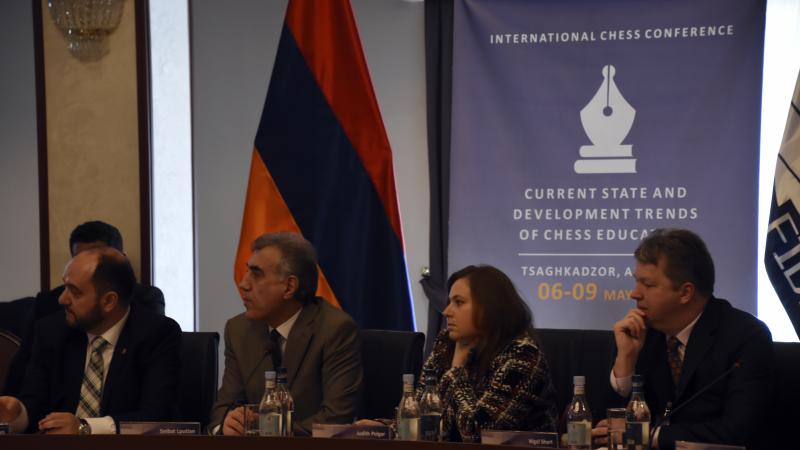
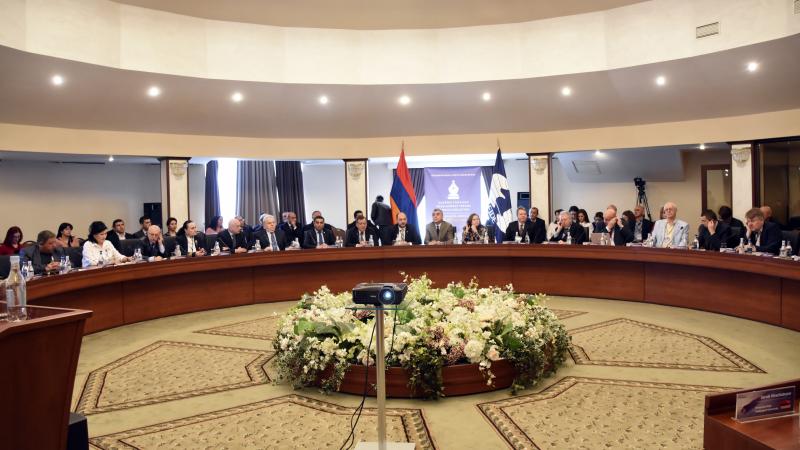
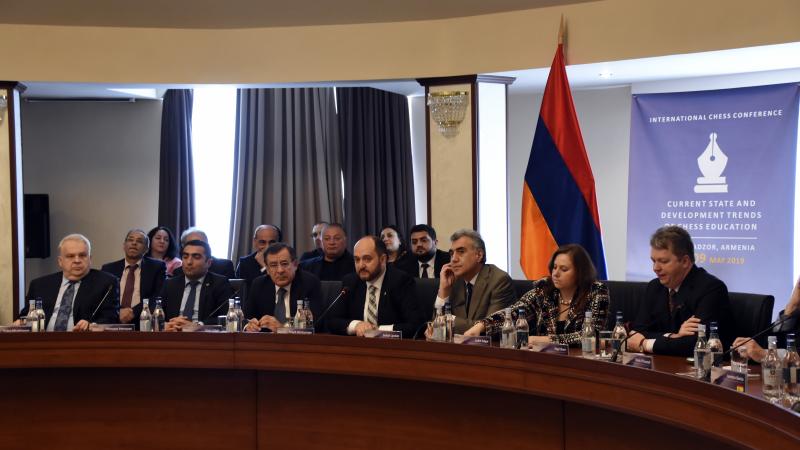
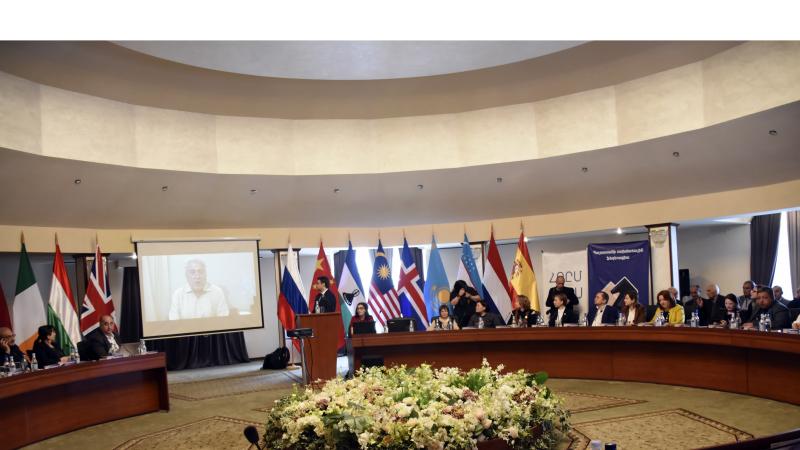
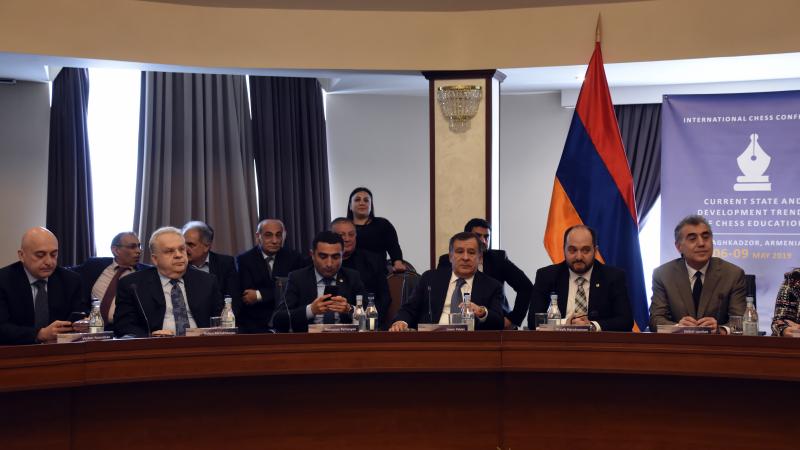
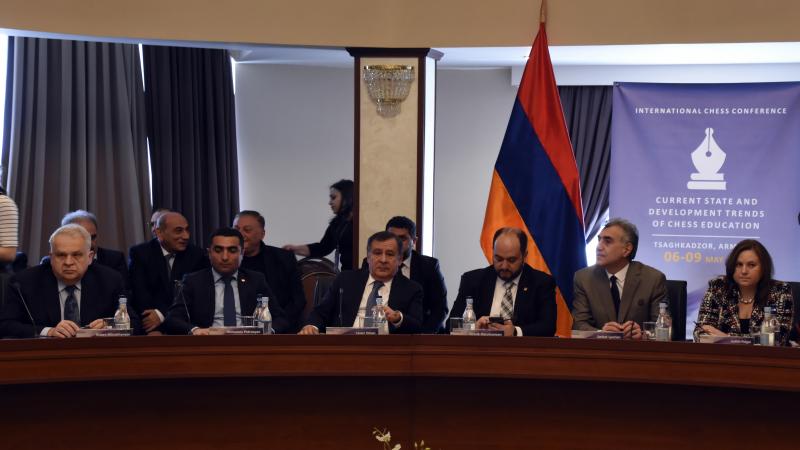
A two-day conference headed “Current State of Chess Education and its Development Tendencies” was organised jointly by the World Chess Federation (FIDE), the RA MES, the Pedagogical University and the Chess Academy of Armenia.
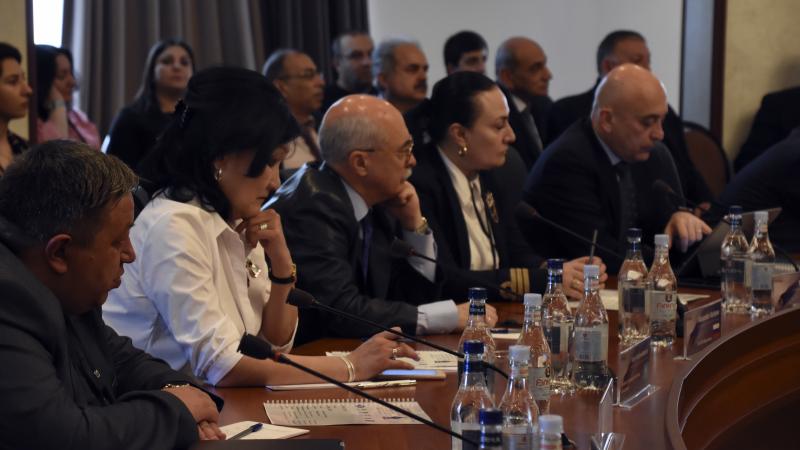
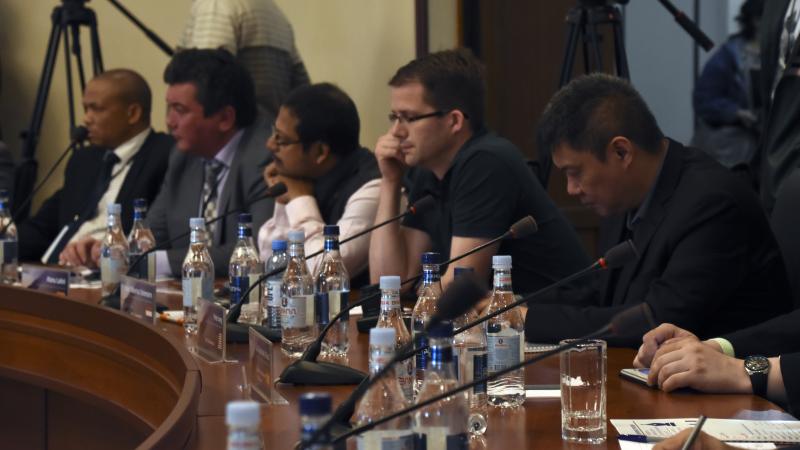
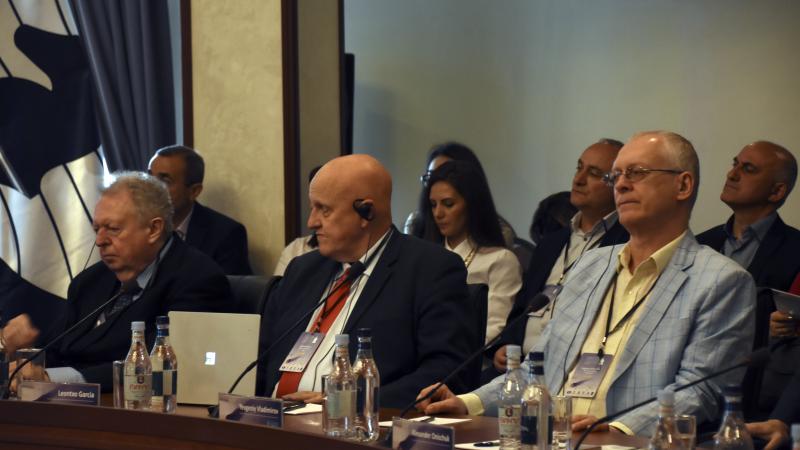
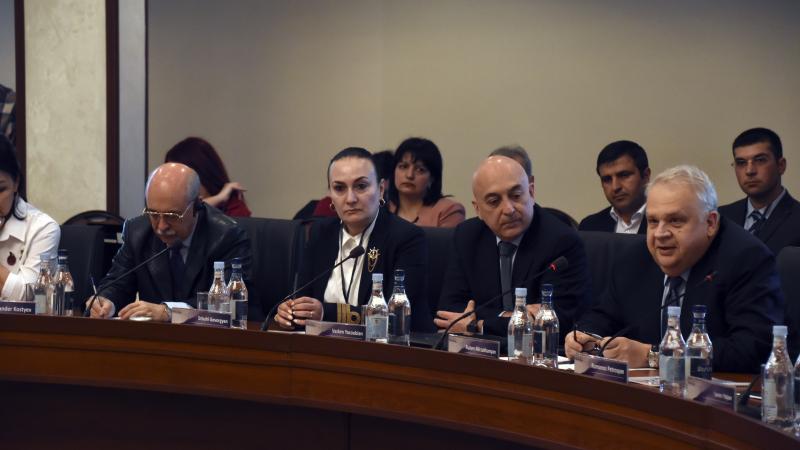
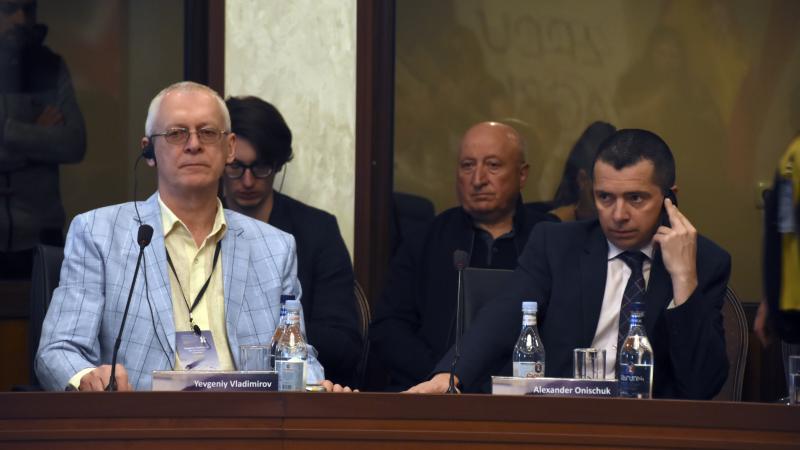
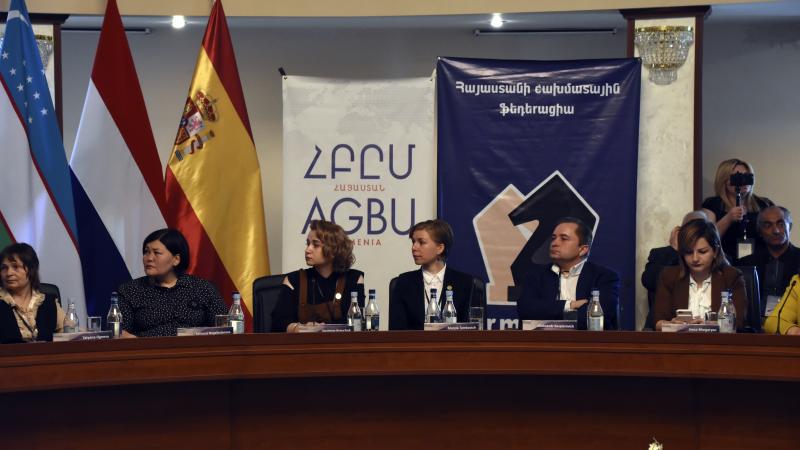
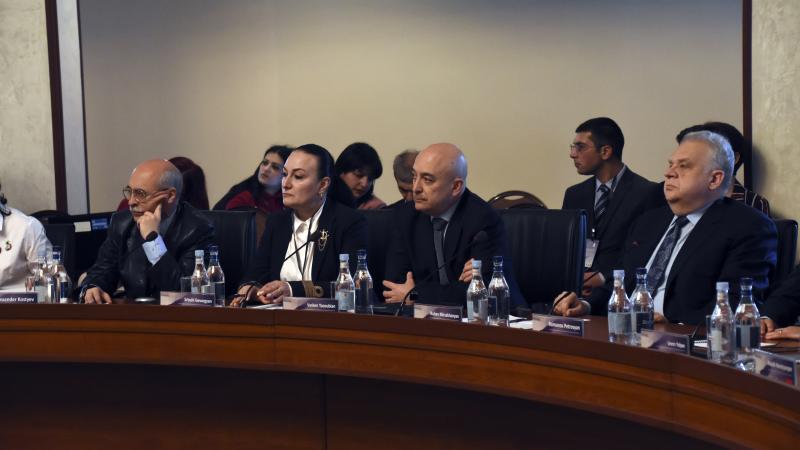
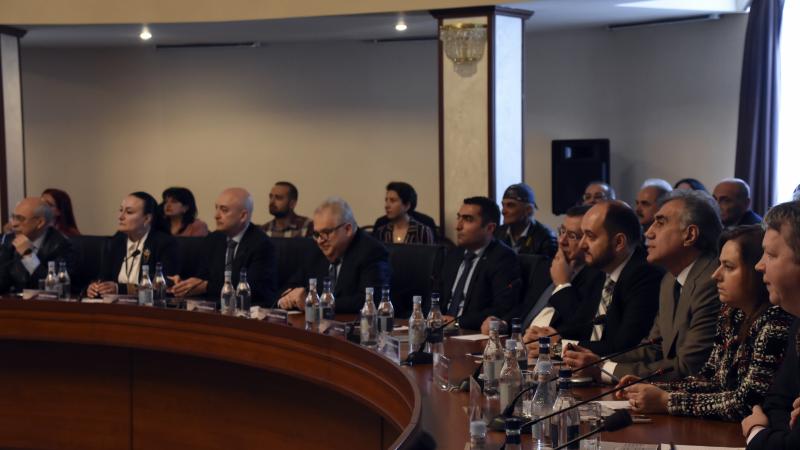
Representatives from more than 20 countries, including members of the federations, as well as representatives of the education sector attended the conference to discuss the importance of introducing chess into school program of different countries, getting familiar with its teaching methods etc.
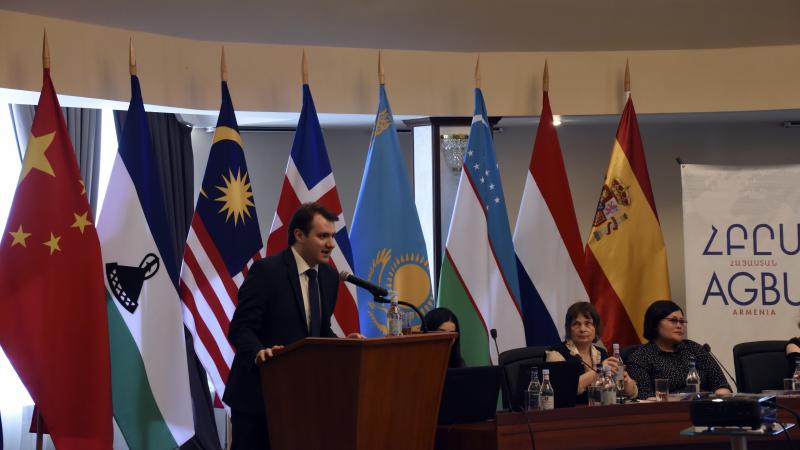
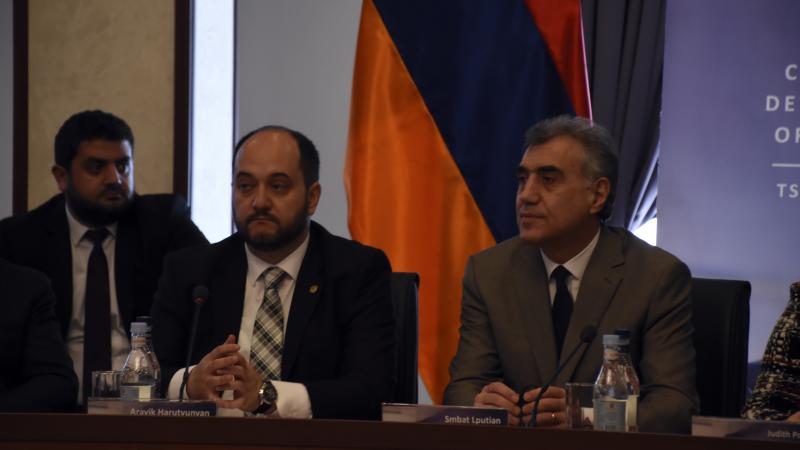
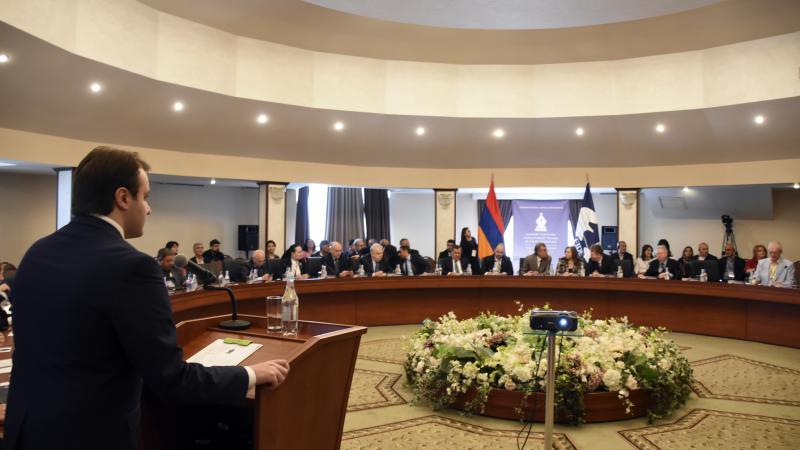
The RA Minister of ES Araik Harutyunyan greeted the participants of the conference and highlighted that the initiative had a significant meaning for Armenia.
“The already introduced Chess taught programme requires discussion, summarizing of the results, bringing up the issues and coming up with new solutions. In countries with best educational systems chess is paid great attention to, thus, we need to stay up with its further developments.”
Likewise, according to the Minister, either positive or negative outcomes of any innovative undertaking can be observed only a few years later, but it is important to follow up with the actual process thereof.
“The introduction of the programme will be much more effective, when we monitor its teaching methods and teachers’ trainings”, mentioned Minister Harutyunyan and expressed his hope to have such discussions during the conference specifically in regards with issues that are particularly brought up by parents and teachers; they can give a new strength to the Chess teaching practice. The Minister of ES advised to their foreign guests to support the participation of school teams from their countries in the international competition in Armenia.
“The establishment of the “Chess” Research Institute is the best gift on the 95th anniversary of the Pedagogical University. I am happy to see that the research activities of the Institute, the methodological approaches immediately gained international feedback”, mentioned the Rector of the Pedagogical University Rouben Mirzakhanyan and assured that the University will make all of the possible efforts for the Research Centre to have new success and achievements.
“Chess has a unique environment, where the fight is honest and artificial interferences are excluded”, mentioned Rouben Mirzakhanyan and by highlighting the importance of teaching Chess he looked forward to developing an international training course for the Chess teachers.
“Armenia is a Great Master in Chess. These kinds of meetings and events will give the opportunity to get acquainted with the Armenian best practices and various approaches of teaching chess”, noted the Deputy President of FIDE Bachar Kouatly, who had joined the conference via video call.
In addition, he assured that the Institute needed the analysis made by independent specialists and advised the participants to treat Chess like an educational tool and one of the most important methods in education in the course of their discussions.
The Deputy President of the Chess Federation of Armenia, the Director of the ASPU “Chess” Research Institute, Head of the Chair of Chess and Sports Smbat Lputyan thanked everybody for participation, looking forward to the two-day discussions allowing to realise to what extent Chess is important in educational system.
“The participation of the world -famous chess-players in the conference proves that they serve for the development of chess. And in the course of this conference we should learn from one another just like we do in chess.”, mentioned Smbat Lputyan, and while talking about current issues in the sphere of education, advised to move towards it, realising the positive impact of chess in the future.
As well as, according to the international Grand Master, Armenia is a leader in teaching Chess, thus, it has the best practice examples and the commitment to show solutions of issues.
“The world society values chess”, Smbat Lputyan assured and advised those present to be supportive to the improvements of teaching this wise game.
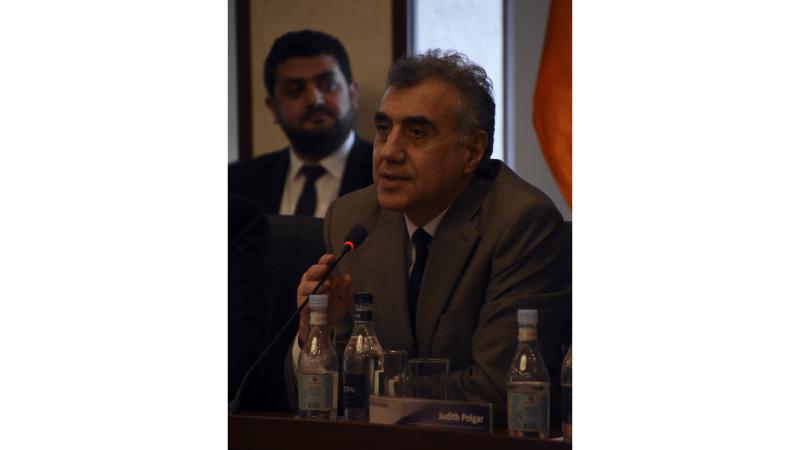
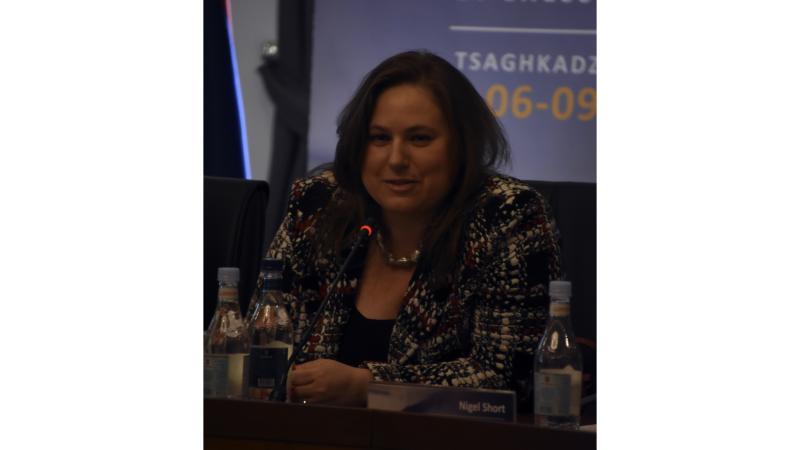
Afterwards, in her speech the honorary President of the FIDE, the Hungarian Chess-Player, Grand Master Judith Polgar confessed that it was with the help of chess that she realised who she was; moreover, it gave her self-confidence and had a great influence on her development.
“Chess is a magical educational tool. And besides, it is a game for everybody, especially for women, who really need self-confidence”, mentioned Judith Polgar and highly praised the work conducted by Smbat Lputyan and the big team of supporters of teaching chess; it gives an opportunity for the world to speak out and to assure that it is quite possible to teach chess.
The FIDE Vice President Nigel Short visited Armenia 35 years ago, when he was participating in a competition in Yerevan and where he played with Smbat Lputyan. And even though he didn’t win in the competition of this wise game he still took unforgettable memories and pictures back with him.
“I am attending this conference as a student. The role of Armenia is huge; it is a leader and has a surprisingly big role in the sphere of teaching chess”, noted Nigel Short and called for joining efforts. Likewise, the FIDE Vice President is convinced that whatever is used in Armenia cannot be applied for other countries with the same success; various models needed to be generated, where the best practice of Armenia would be much needed.
Further on, the conference proceeded with the participants reports. The participants introduced the educational strength and value of chess, spoke about chess education in European Chess Union, as well as referred to the results of studying the process of teaching chess within the scope of psychological theories and practices.
Last but not least, foreign participants are particularly highlighting that for their countries it is important to show that the Chess is an essential pedagogical tool.
“Adapting oneself in the changing world is one of the most vital abilities in the 21st century, and chess shows how to get quickly adapted and what’s most essential, to hear”, stated the Advisor of the FIDE Committee on the “Chess in Educational System” L. Garsia and assured that the support of the society would to a large extent support the introduction of chess as a mandatory programme at schools.